
How to Use MAX30102: Examples, Pinouts, and Specs
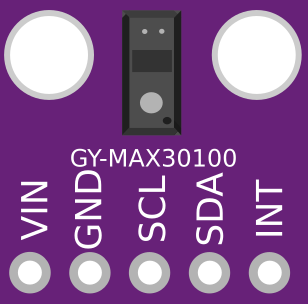
 Design with MAX30102 in Cirkit Designer
Introduction
The MAX30102 is a pulse oximeter and heart-rate sensor module designed for non-invasive monitoring of vital signs. It utilizes photoplethysmography (PPG) technology to measure blood oxygen saturation (SpO2) and heart rate. The module integrates two LEDs (red and infrared) and a photodetector, along with optical elements and low-noise electronics, to provide accurate and reliable measurements.
Explore Projects Built with MAX30102
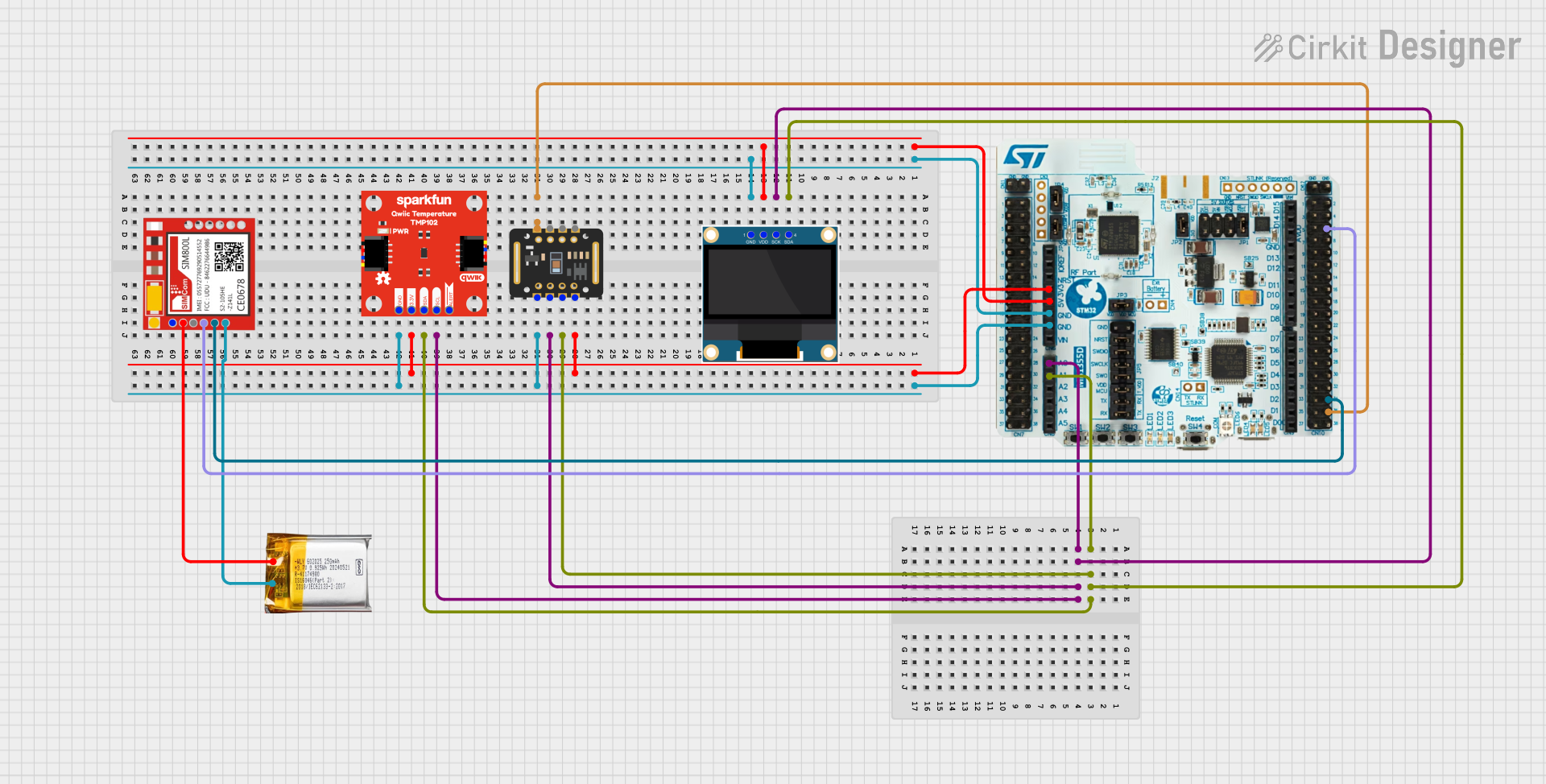 Open Project in Cirkit Designer
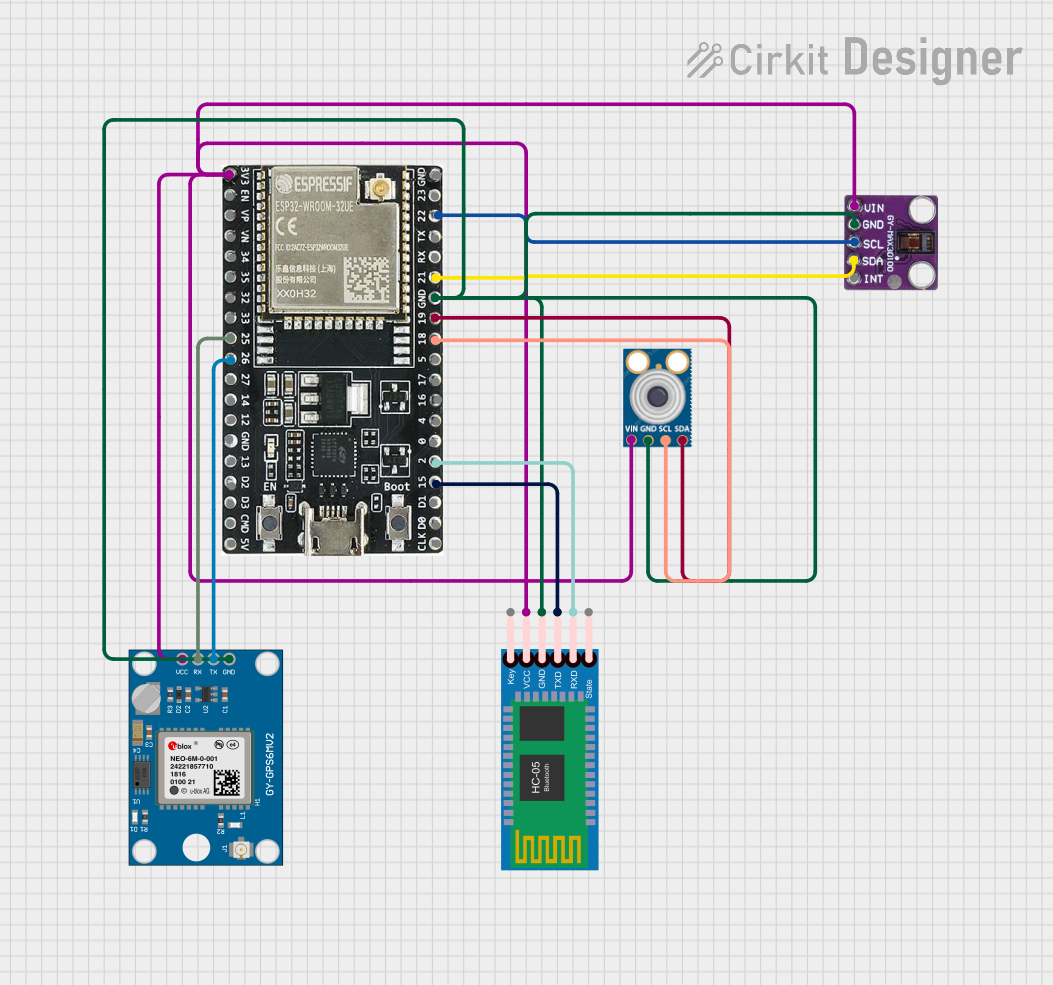 Open Project in Cirkit Designer
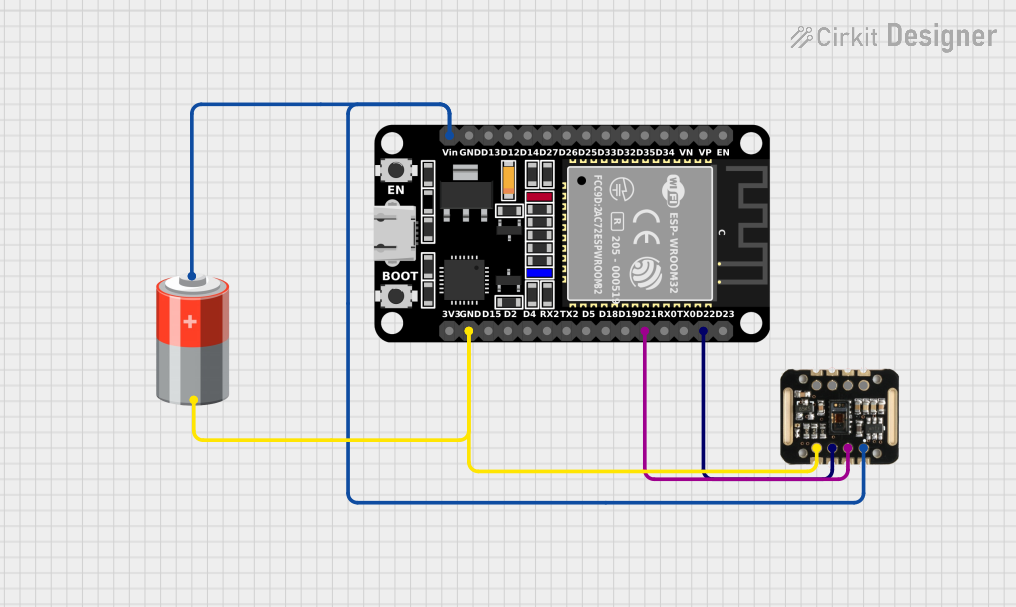 Open Project in Cirkit Designer
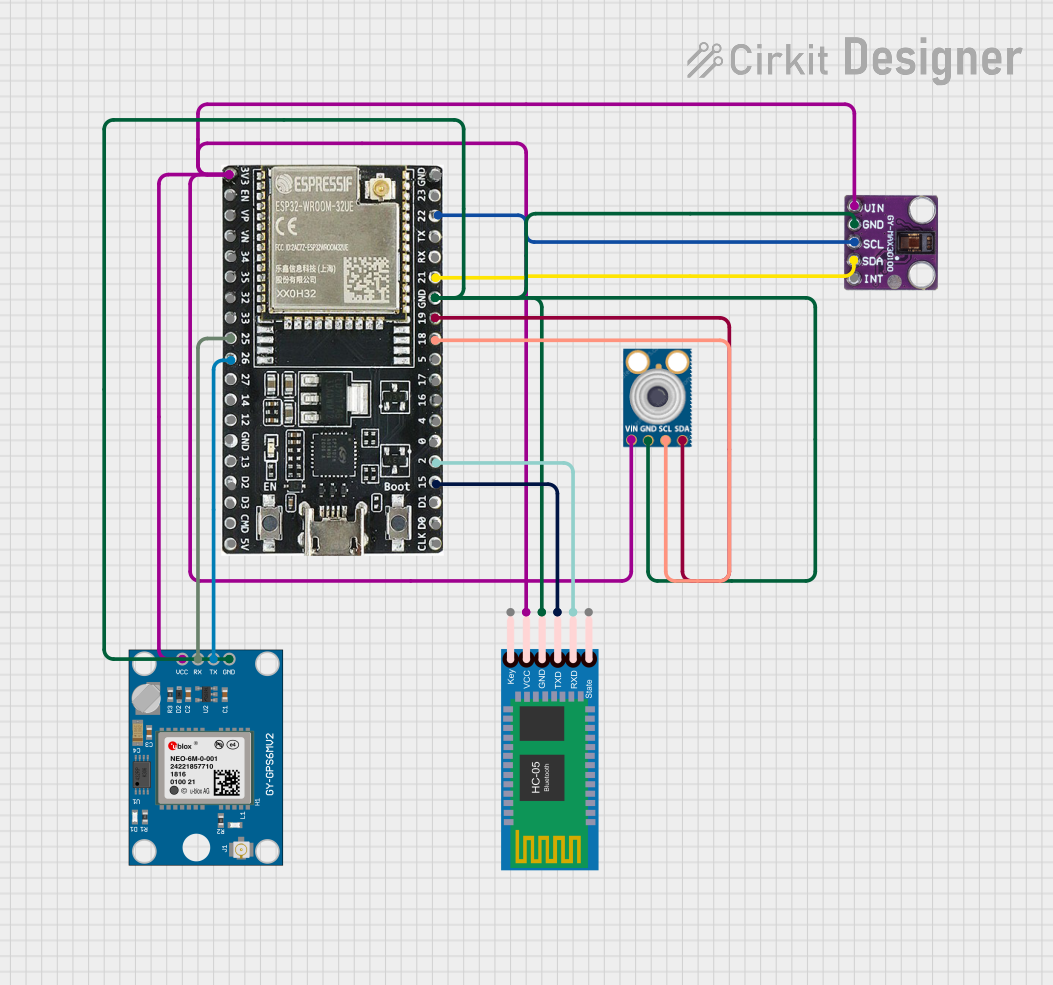 Open Project in Cirkit Designer
Explore Projects Built with MAX30102
Open Project in Cirkit DesignerOpen Project in Cirkit DesignerOpen Project in Cirkit DesignerOpen Project in Cirkit DesignerCommon Applications and Use Cases
- Wearable health monitoring devices
- Fitness trackers
- Medical devices for SpO2 and heart rate monitoring
- Research and development in biomedical engineering
- IoT-based health monitoring systems
Technical Specifications
The MAX30102 is a highly integrated module with the following key specifications:
| Parameter | Value |
|---|---|
| Operating Voltage | 1.8V (core) and 3.3V (I/O) |
| Supply Voltage Range | 1.7V to 2.0V (core), 3.0V to 3.6V (I/O) |
| Operating Current | 600 µA (typical) |
| Standby Current | 0.7 µA |
| LED Wavelengths | Red: 660 nm, Infrared: 880 nm |
| Communication Interface | I2C (7-bit address: 0x57) |
| Sampling Rate | Programmable (up to 1000 samples per second) |
| Operating Temperature Range | -40°C to +85°C |
| Dimensions | 5.6 mm x 3.3 mm x 1.55 mm |
Pin Configuration and Descriptions
The MAX30102 module typically comes with the following pinout:
| Pin Name | Pin Number | Description |
|---|---|---|
| VIN | 1 | Power supply input (3.3V) |
| GND | 2 | Ground |
| SDA | 3 | I2C data line |
| SCL | 4 | I2C clock line |
| INT | 5 | Interrupt output (active low) |
Usage Instructions
How to Use the MAX30102 in a Circuit
- Power Supply: Connect the VIN pin to a 3.3V power source and the GND pin to ground.
- I2C Communication: Connect the SDA and SCL pins to the corresponding I2C pins on your microcontroller (e.g., Arduino UNO).
- Interrupt Pin: Optionally, connect the INT pin to a GPIO pin on your microcontroller to handle interrupts.
- Pull-Up Resistors: Ensure that the SDA and SCL lines have pull-up resistors (typically 4.7 kΩ to 10 kΩ) for proper I2C communication.
- Initialization: Use appropriate libraries or write custom code to initialize the MAX30102 and configure its settings.
Important Considerations and Best Practices
- Ensure proper alignment of the sensor with the skin for accurate readings.
- Avoid ambient light interference by using the sensor in a controlled environment or with an enclosure.
- Use decoupling capacitors (e.g., 0.1 µF) near the power supply pins to reduce noise.
- Handle the module carefully to avoid damaging the optical components.
Example Code for Arduino UNO
Below is an example code snippet to interface the MAX30102 with an Arduino UNO using the Adafruit MAX30102 library:
#include <Wire.h>
#include "Adafruit_MAX30102.h"

// Create an instance of the MAX30102 sensor
Adafruit_MAX30102 max30102;

void setup() {
  Serial.begin(9600); // Initialize serial communication
  while (!Serial);    // Wait for the serial monitor to open

  // Initialize the MAX30102 sensor
  if (!max30102.begin()) {
    Serial.println("MAX30102 initialization failed!");
    while (1); // Halt execution if initialization fails
  }
  Serial.println("MAX30102 initialized successfully!");
}

void loop() {
  // Variables to store sensor readings
  int redValue, irValue;

  // Read red and infrared LED values
  if (max30102.check() == true) {
    redValue = max30102.getRed();
    irValue = max30102.getIR();

    // Print the readings to the serial monitor
    Serial.print("Red: ");
    Serial.print(redValue);
    Serial.print(" | IR: ");
    Serial.println(irValue);
  } else {
    Serial.println("No data available from MAX30102.");
  }

  delay(100); // Delay for stability
}
Troubleshooting and FAQs
Common Issues and Solutions
Sensor Not Detected on I2C Bus:
- Ensure the SDA and SCL connections are correct.
- Verify that pull-up resistors are present on the I2C lines.
- Check the I2C address (default: 0x57) and ensure no conflicts with other devices.
Inaccurate Readings:
- Ensure the sensor is properly aligned with the skin.
- Minimize ambient light interference by using an enclosure.
- Verify that the power supply voltage is stable and within the specified range.
Initialization Fails:
- Confirm that the library is correctly installed and included in the code.
- Check the wiring and ensure all connections are secure.
FAQs
Q: Can the MAX30102 measure SpO2 and heart rate simultaneously?
A: Yes, the MAX30102 can measure both SpO2 and heart rate simultaneously using its red and infrared LEDs.
Q: What is the maximum distance between the sensor and the microcontroller?
A: The maximum distance depends on the I2C bus specifications. Typically, it should not exceed 1 meter without additional hardware (e.g., I2C extenders).
Q: Is the MAX30102 suitable for continuous monitoring?
A: Yes, the MAX30102 is designed for continuous monitoring applications, provided it is used within its operating conditions.
Q: Can the MAX30102 be used with a 5V microcontroller?
A: Yes, but a logic level shifter is required to interface the 3.3V I2C lines with the 5V microcontroller.