
How to Use WAGO 221-413: Examples, Pinouts, and Specs
 Design with WAGO 221-413 in Cirkit Designer
Introduction
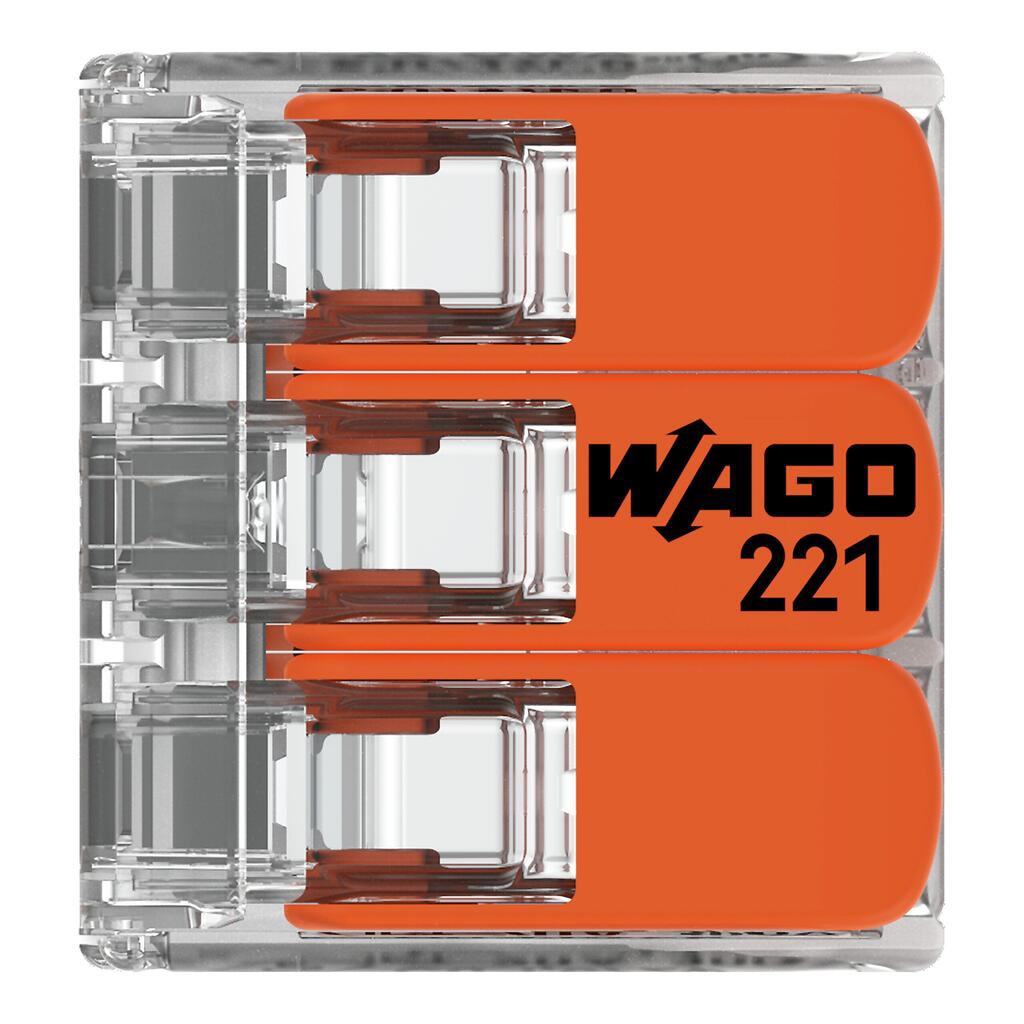
The WAGO 221-413 is a compact, push-in wire connector designed for quick and reliable electrical connections. Manufactured by WAGO, this connector is part of the 221 Series, known for its ease of use and versatility. The 221-413 model features a transparent housing that allows for easy inspection of wire connections and supports a wide range of wire sizes. Its compact design makes it suitable for use in tight spaces, while its lever mechanism ensures secure and tool-free connections.
Explore Projects Built with WAGO 221-413
 Open Project in Cirkit Designer
 Open Project in Cirkit Designer
 Open Project in Cirkit Designer
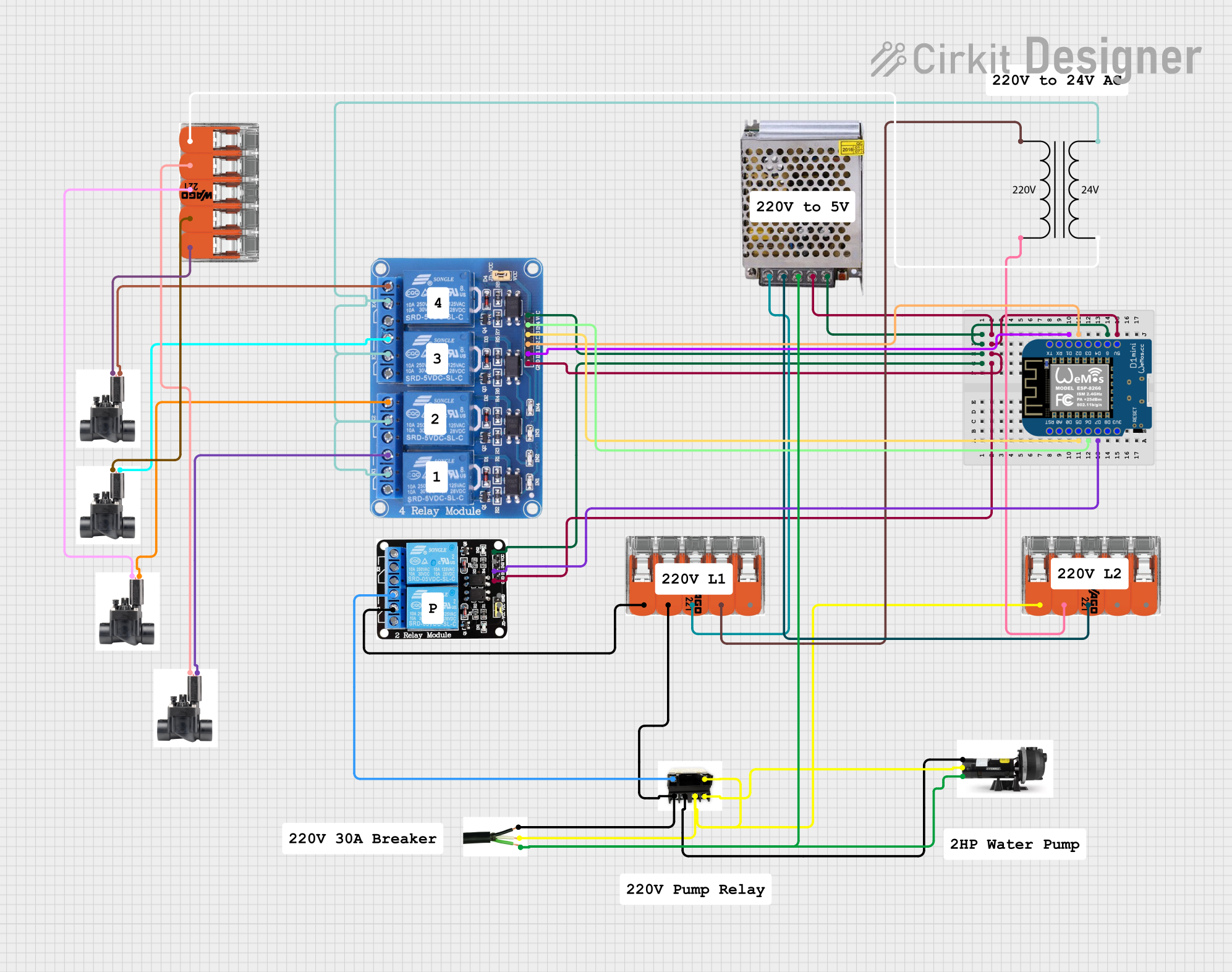 Open Project in Cirkit Designer
Explore Projects Built with WAGO 221-413
Open Project in Cirkit DesignerOpen Project in Cirkit DesignerOpen Project in Cirkit DesignerOpen Project in Cirkit DesignerCommon Applications and Use Cases
- Electrical installations in residential, commercial, and industrial environments
- Lighting systems and fixture connections
- Junction boxes and distribution boards
- Temporary or permanent wiring setups
- Prototyping and testing of electrical circuits
Technical Specifications
The WAGO 221-413 is designed to meet the needs of modern electrical installations with the following specifications:
Key Technical Details
| Parameter | Specification |
|---|---|
| Manufacturer | WAGO |
| Part Number | 221-413 |
| Wire Size Range | 0.14 mm² to 4 mm² (24–12 AWG) |
| Voltage Rating | 450 V AC |
| Current Rating | 32 A |
| Housing Material | Polycarbonate (transparent) |
| Operating Temperature | -20°C to +85°C |
| Number of Connections | 3 |
| Dimensions (L x W x H) | 18.7 mm x 13.1 mm x 8.3 mm |
| Certifications | CE, UL, ENEC, RoHS compliant |
Pin Configuration and Descriptions
The WAGO 221-413 does not have traditional pins but instead features three connection points for wires. Each connection point is equipped with a lever mechanism for secure and tool-free wire insertion.
| Connection Point | Description |
|---|---|
| 1 | Wire connection point 1 |
| 2 | Wire connection point 2 |
| 3 | Wire connection point 3 |
Usage Instructions
How to Use the WAGO 221-413 in a Circuit
- Prepare the Wires: Strip the insulation from the wire ends to expose approximately 10–12 mm of conductor.
- Open the Lever: Lift the lever on the WAGO 221-413 to open the clamping mechanism.
- Insert the Wire: Insert the stripped wire into the connection point until it reaches the stop.
- Close the Lever: Push the lever back down to secure the wire in place. The transparent housing allows you to visually confirm the connection.
- Repeat for Additional Wires: Repeat the process for the remaining connection points as needed.
Important Considerations and Best Practices
- Ensure that the wire is stripped to the correct length (10–12 mm) to avoid poor connections or exposed conductors.
- Do not exceed the voltage or current ratings specified in the technical details.
- Use wires within the supported size range (0.14 mm² to 4 mm² or 24–12 AWG).
- Inspect the connection through the transparent housing to confirm proper wire placement.
- Avoid using the connector in environments exceeding the specified operating temperature range (-20°C to +85°C).
Example: Connecting to an Arduino UNO
While the WAGO 221-413 is not an electronic component like a resistor or sensor, it can be used to simplify wiring in Arduino projects. For example, it can connect power supply wires or distribute signals to multiple components.
// Example: Using WAGO 221-413 to distribute power in an Arduino project
// This example assumes the WAGO 221-413 is used to connect the 5V and GND
// lines from the Arduino UNO to multiple components (e.g., sensors, LEDs).

// No specific code is required for the WAGO 221-413 itself, as it is a
// passive component. However, ensure proper wiring as follows:

// 1. Connect the Arduino UNO's 5V pin to one connection point on the WAGO 221-413.
// 2. Connect the Arduino UNO's GND pin to another connection point on the WAGO 221-413.
// 3. Use the remaining connection points to distribute 5V and GND to other components.

// Example wiring diagram:
// Arduino UNO 5V ----> WAGO 221-413 (Connection Point 1)
// Arduino UNO GND ---> WAGO 221-413 (Connection Point 2)
// Component 1 VCC ---> WAGO 221-413 (Connection Point 1)
// Component 1 GND ---> WAGO 221-413 (Connection Point 2)
Troubleshooting and FAQs
Common Issues Users Might Face
- Loose Connections: If the wire is not securely clamped, it may cause intermittent connections or failure.
- Solution: Ensure the lever is fully closed and the wire is inserted to the stop.
- Overheating: Using wires outside the supported size range or exceeding the current rating can cause overheating.
- Solution: Verify that the wire size and current do not exceed the specified limits.
- Wire Slippage: If the wire insulation is stripped too short, the conductor may not make proper contact.
- Solution: Strip the wire to the recommended length (10–12 mm).
FAQs
Q: Can the WAGO 221-413 be reused?
A: Yes, the WAGO 221-413 is designed for reuse. Simply lift the lever to release the wire and insert a new one.
Q: Is the WAGO 221-413 suitable for stranded wires?
A: Yes, the connector supports both solid and stranded wires within the specified size range.
Q: Can the WAGO 221-413 be used outdoors?
A: The connector is not waterproof and should only be used in dry environments or within enclosures rated for outdoor use.
Q: How many wires can be connected to the WAGO 221-413?
A: The WAGO 221-413 has three connection points, allowing up to three wires to be connected.
By following this documentation, users can confidently and effectively use the WAGO 221-413 for their electrical and prototyping needs.