
How to Use 2.1mm DC Barrel Jack: Examples, Pinouts, and Specs
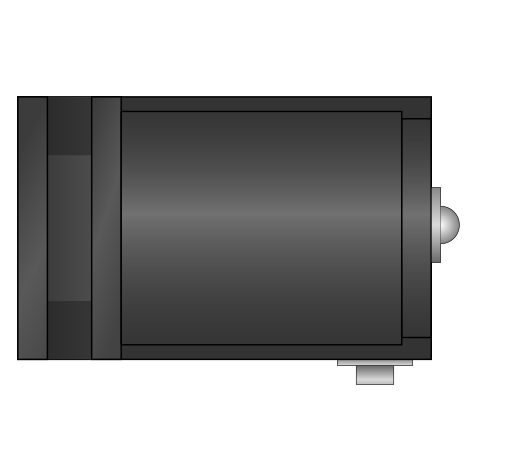
 Design with 2.1mm DC Barrel Jack in Cirkit Designer
Introduction
The 2.1mm DC Barrel Jack is a widely used electrical connector designed for supplying power to electronic devices. It features a cylindrical design with a 2.1mm inner diameter and a 5.5mm outer diameter, making it compatible with standard DC power plugs. This component is commonly found in consumer electronics, DIY projects, and prototyping applications due to its ease of use and reliable connection.
Explore Projects Built with 2.1mm DC Barrel Jack
 Open Project in Cirkit Designer
 Open Project in Cirkit Designer
 Open Project in Cirkit Designer
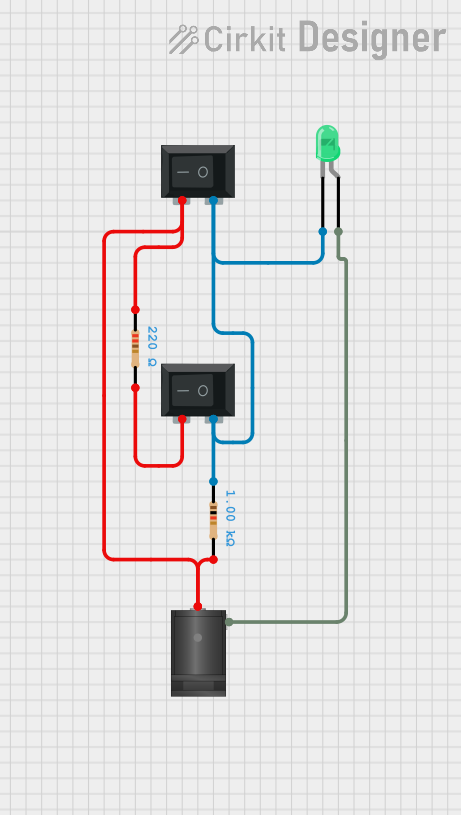 Open Project in Cirkit Designer
Explore Projects Built with 2.1mm DC Barrel Jack
Open Project in Cirkit DesignerOpen Project in Cirkit DesignerOpen Project in Cirkit DesignerOpen Project in Cirkit DesignerCommon Applications and Use Cases
- Powering Arduino boards, Raspberry Pi, and other microcontrollers
- Supplying power to LED strips, small motors, and sensors
- Used in consumer electronics such as routers, modems, and portable devices
- Ideal for DIY electronics projects and prototyping
Technical Specifications
The following table outlines the key technical details of the 2.1mm DC Barrel Jack:
| Parameter | Specification |
|---|---|
| Inner Diameter | 2.1mm |
| Outer Diameter | 5.5mm |
| Voltage Rating | Typically up to 24V DC |
| Current Rating | Typically up to 5A |
| Mounting Style | Panel mount or PCB mount |
| Polarity | Center pin positive (commonly used) |
| Material | Metal contacts with plastic housing |
Pin Configuration and Descriptions
The 2.1mm DC Barrel Jack typically has three pins, as described in the table below:
| Pin | Description |
|---|---|
| Center Pin | Positive terminal (V+) |
| Outer Sleeve | Negative terminal (GND) |
| Switch Pin | Optional pin used to detect plug insertion or switch between power sources |
Usage Instructions
How to Use the Component in a Circuit
- Identify the Polarity: Ensure that the center pin of the barrel jack is connected to the positive voltage (V+), and the outer sleeve is connected to the ground (GND). Verify the polarity of your power supply to avoid damage to your circuit.
- Mounting: If using a panel-mount jack, secure it to the enclosure using the provided nut. For PCB-mounted jacks, solder the pins to the appropriate pads on the PCB.
- Wiring: Connect the center pin to the positive rail of your circuit and the outer sleeve to the ground rail. If using the switch pin, connect it to the desired circuit for power source switching functionality.
- Testing: Before powering your circuit, use a multimeter to confirm the connections and polarity.
Important Considerations and Best Practices
- Polarity Check: Always verify the polarity of the power supply and the barrel jack to prevent damage to your components.
- Current Rating: Ensure that the current drawn by your circuit does not exceed the current rating of the barrel jack.
- Secure Connections: For reliable operation, ensure that the power plug fits snugly into the barrel jack.
- Heat Dissipation: If operating at high currents, ensure proper ventilation to prevent overheating.
Example: Connecting to an Arduino UNO
The 2.1mm DC Barrel Jack is commonly used to power an Arduino UNO. Below is an example of how to connect it:
- Connect a 9V DC power adapter with a 2.1mm plug to the barrel jack.
- Plug the barrel jack into the Arduino UNO's power input port.
- Ensure the adapter provides a regulated voltage within the Arduino's operating range (7-12V).
Arduino Code Example
If you're powering sensors or modules through the Arduino, you can use the following code to test the setup:
// Example code to blink an LED connected to pin 13 on the Arduino UNO
// Ensure the Arduino is powered via the 2.1mm DC Barrel Jack

void setup() {
  pinMode(13, OUTPUT); // Set pin 13 as an output
}

void loop() {
  digitalWrite(13, HIGH); // Turn the LED on
  delay(1000);            // Wait for 1 second
  digitalWrite(13, LOW);  // Turn the LED off
  delay(1000);            // Wait for 1 second
}
Troubleshooting and FAQs
Common Issues Users Might Face
- Loose Connection: The power plug may not fit securely into the barrel jack.
- Solution: Ensure you are using a compatible 2.1mm plug. Replace the jack if it is damaged.
- Incorrect Polarity: Reversed polarity can damage your circuit.
- Solution: Double-check the polarity of your power supply and connections before powering the circuit.
- Overheating: The barrel jack may overheat if the current exceeds its rating.
- Solution: Use a barrel jack with a higher current rating or reduce the load on your circuit.
- No Power to Circuit: The circuit does not receive power even when connected.
- Solution: Check for loose solder joints, broken wires, or a faulty power adapter.
FAQs
Q: Can I use a 2.5mm plug with a 2.1mm DC Barrel Jack?
A: No, a 2.5mm plug will not fit securely into a 2.1mm jack, leading to unreliable connections.
Q: What is the maximum voltage I can use with this barrel jack?
A: Most 2.1mm DC Barrel Jacks support up to 24V DC, but always check the manufacturer's specifications.
Q: How do I use the switch pin on the barrel jack?
A: The switch pin can be used to detect when a plug is inserted or to switch between two power sources. Connect it to your circuit as needed for your application.
Q: Is the center pin always positive?
A: While the center pin is commonly positive, always verify the polarity of your power supply and circuit to avoid damage.