
How to Use SEN0438: Examples, Pinouts, and Specs
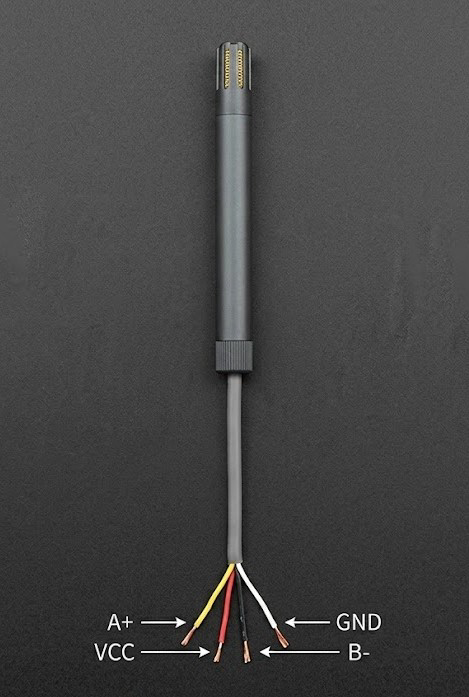
 Design with SEN0438 in Cirkit Designer
Introduction
The SEN0438 is a capacitive soil moisture sensor designed to measure the volumetric water content in soil. Unlike resistive soil moisture sensors, the SEN0438 is corrosion-resistant, ensuring a longer lifespan and reliable performance in outdoor environments. It outputs an analog signal that corresponds to the soil's moisture level, making it easy to integrate with microcontrollers and other analog input devices.
Explore Projects Built with SEN0438
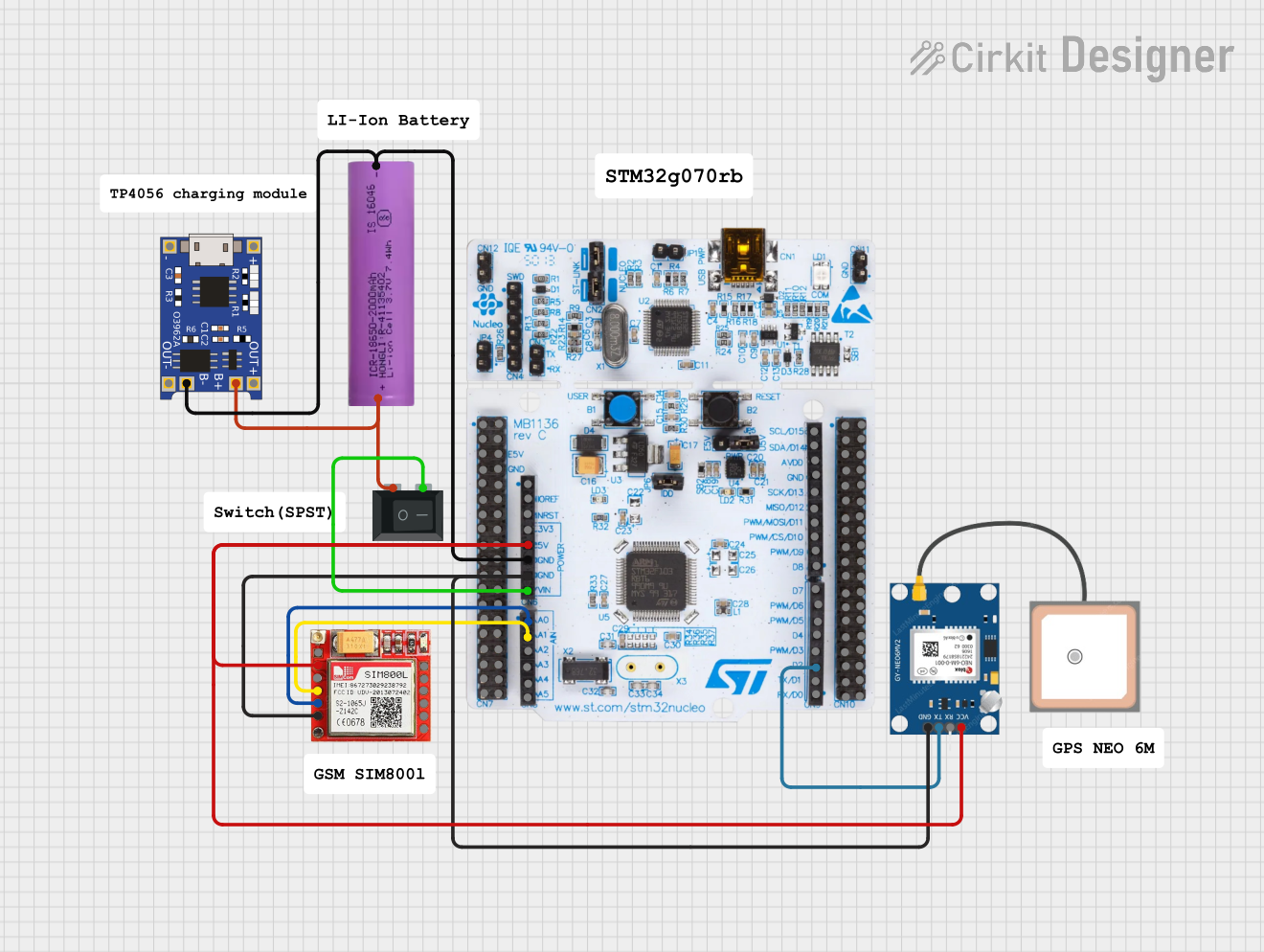 Open Project in Cirkit Designer
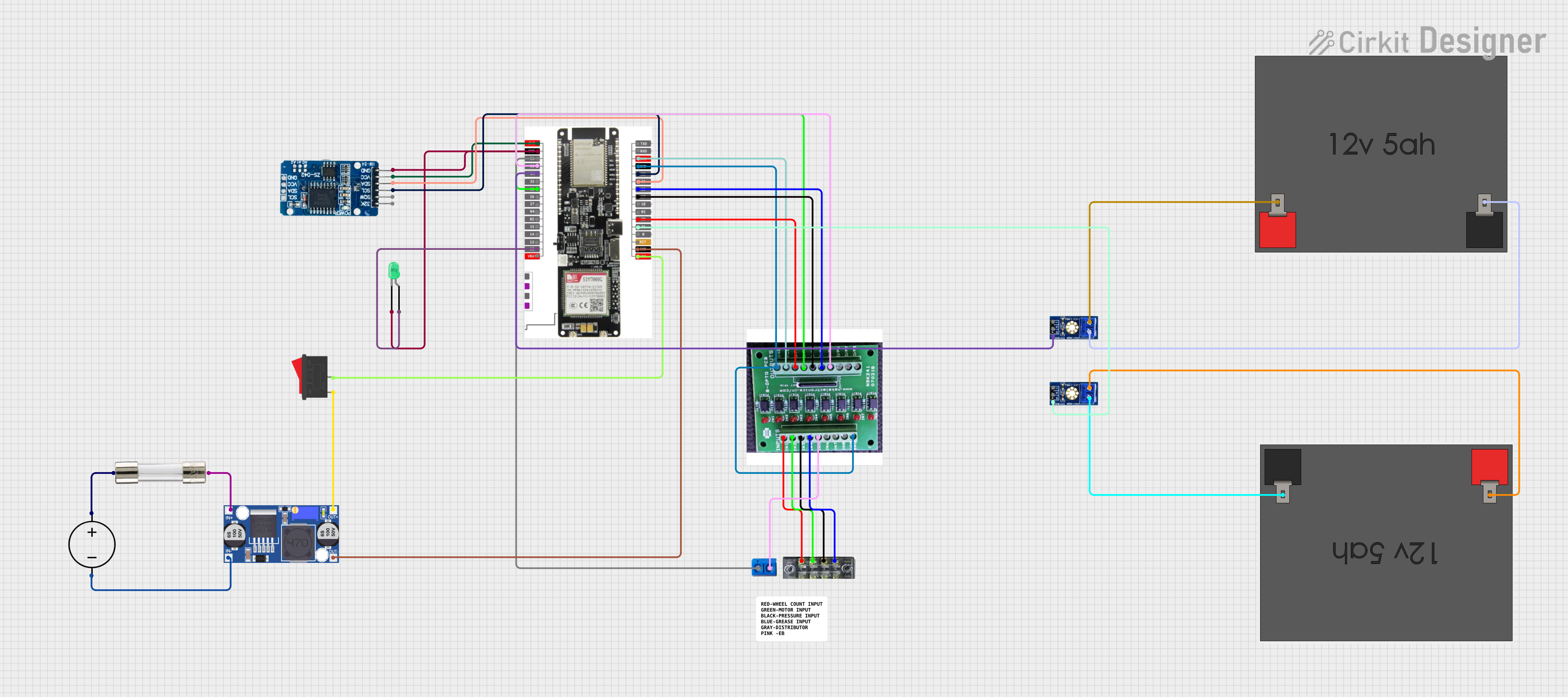 Open Project in Cirkit Designer
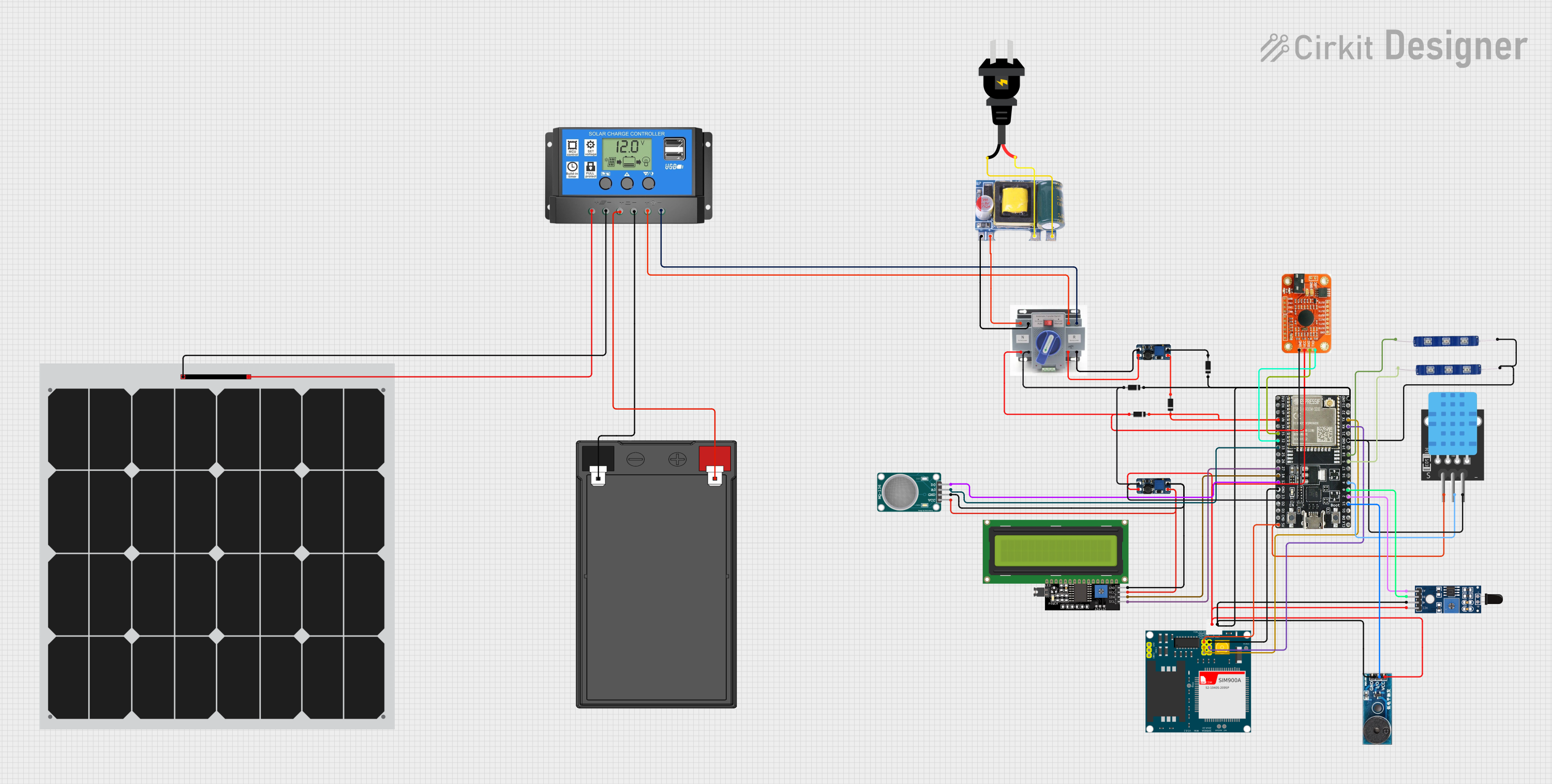 Open Project in Cirkit Designer
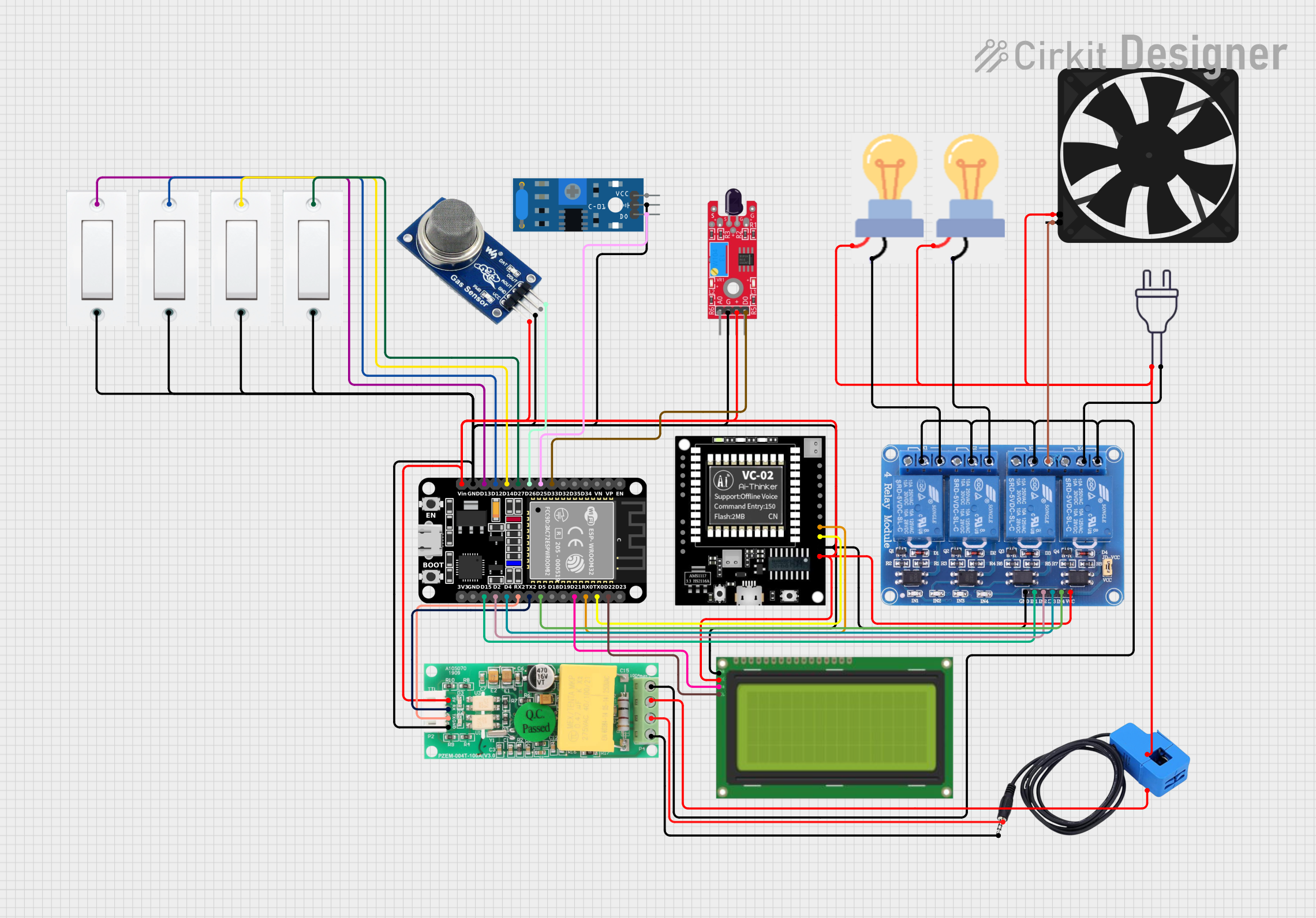 Open Project in Cirkit Designer
Explore Projects Built with SEN0438
Open Project in Cirkit DesignerOpen Project in Cirkit DesignerOpen Project in Cirkit DesignerOpen Project in Cirkit DesignerCommon Applications and Use Cases
- Automated irrigation systems
- Agricultural monitoring
- Greenhouse environmental control
- Gardening and landscaping projects
- Soil research and analysis
Technical Specifications
The SEN0438 is designed for ease of use and compatibility with a wide range of systems. Below are its key technical details:
| Parameter | Value |
|---|---|
| Operating Voltage | 3.3V to 5.5V |
| Output Signal | Analog voltage (0-3.0V typical) |
| Current Consumption | < 20mA |
| Measurement Range | 0% to 100% soil moisture |
| Interface Type | Analog |
| Dimensions | 98mm x 23mm x 3mm |
| Operating Temperature | -40°C to 85°C |
Pin Configuration and Descriptions
The SEN0438 has a simple 3-pin interface for easy connection:
| Pin | Name | Description |
|---|---|---|
| 1 | VCC | Power supply input (3.3V to 5.5V) |
| 2 | GND | Ground connection |
| 3 | AOUT | Analog output signal proportional to soil moisture |
Usage Instructions
How to Use the SEN0438 in a Circuit
- Power the Sensor: Connect the
VCCpin to a 3.3V or 5V power source and theGNDpin to the ground of your circuit. - Read the Analog Output: Connect the
AOUTpin to an analog input pin on your microcontroller or ADC (Analog-to-Digital Converter). - Calibrate the Sensor: Place the sensor in dry soil and record the analog output voltage. Then, place it in fully saturated soil and record the voltage. Use these values to map the sensor's output to a percentage moisture level.
Important Considerations and Best Practices
- Placement: Insert the sensor into the soil vertically, ensuring the sensing area is fully covered by soil for accurate readings.
- Avoid Damage: Do not bend the sensor or apply excessive force during insertion.
- Waterproofing: While the sensor is corrosion-resistant, ensure the connector area is protected from water exposure.
- Calibration: Regularly calibrate the sensor for consistent results, especially if used in different soil types.
Example Code for Arduino UNO
Below is an example of how to use the SEN0438 with an Arduino UNO to read soil moisture levels:
// Define the analog pin connected to the SEN0438 sensor
const int sensorPin = A0;

void setup() {
  Serial.begin(9600); // Initialize serial communication at 9600 baud
}

void loop() {
  int sensorValue = analogRead(sensorPin); // Read the analog value from the sensor
  float voltage = sensorValue * (5.0 / 1023.0); // Convert the reading to voltage

  // Map the voltage to a percentage (assuming calibration values)
  float moisturePercent = map(sensorValue, 0, 1023, 0, 100);

  // Print the results to the Serial Monitor
  Serial.print("Sensor Value: ");
  Serial.print(sensorValue);
  Serial.print(" | Voltage: ");
  Serial.print(voltage);
  Serial.print("V | Moisture: ");
  Serial.print(moisturePercent);
  Serial.println("%");

  delay(1000); // Wait for 1 second before the next reading
}
Note: Replace the
map()function's parameters with your calibrated values for more accurate results.
Troubleshooting and FAQs
Common Issues and Solutions
No Output or Incorrect Readings:
- Ensure the sensor is properly powered (3.3V to 5.5V).
- Verify that the
AOUTpin is correctly connected to the microcontroller's analog input. - Check for loose or damaged wires.
Inconsistent Readings:
- Ensure the sensor is fully inserted into the soil.
- Calibrate the sensor for the specific soil type being measured.
- Avoid placing the sensor near large rocks or debris that may affect readings.
Sensor Corrosion or Damage:
- The SEN0438 is corrosion-resistant, but prolonged exposure to water on the connector area can cause issues. Protect the connector with waterproofing materials.
FAQs
Q: Can the SEN0438 be used in saline soil?
A: Yes, but the sensor's readings may vary due to the conductivity of saline soil. Calibration is recommended for accurate results.
Q: How deep should the sensor be inserted into the soil?
A: Insert the sensor so that the sensing area is fully covered by soil. Avoid burying the connector area.
Q: Can I use the SEN0438 with a 3.3V microcontroller?
A: Yes, the SEN0438 operates within a voltage range of 3.3V to 5.5V, making it compatible with 3.3V systems.
Q: How often should I calibrate the sensor?
A: Calibration should be performed whenever the sensor is used in a new soil type or after extended periods of use.