
How to Use RX470: Examples, Pinouts, and Specs
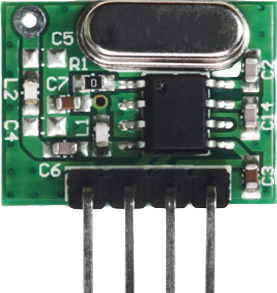
 Design with RX470 in Cirkit Designer
Introduction
The RX470 is a graphics processing unit (GPU) developed by AMD as part of the Radeon RX 400 series. It is designed to deliver high-performance computing and exceptional gaming experiences. With support for DirectX 12, enhanced power efficiency, and advanced graphics capabilities, the RX470 is a versatile choice for gamers, content creators, and professionals requiring robust graphical performance.
Explore Projects Built with RX470
 Open Project in Cirkit Designer
 Open Project in Cirkit Designer
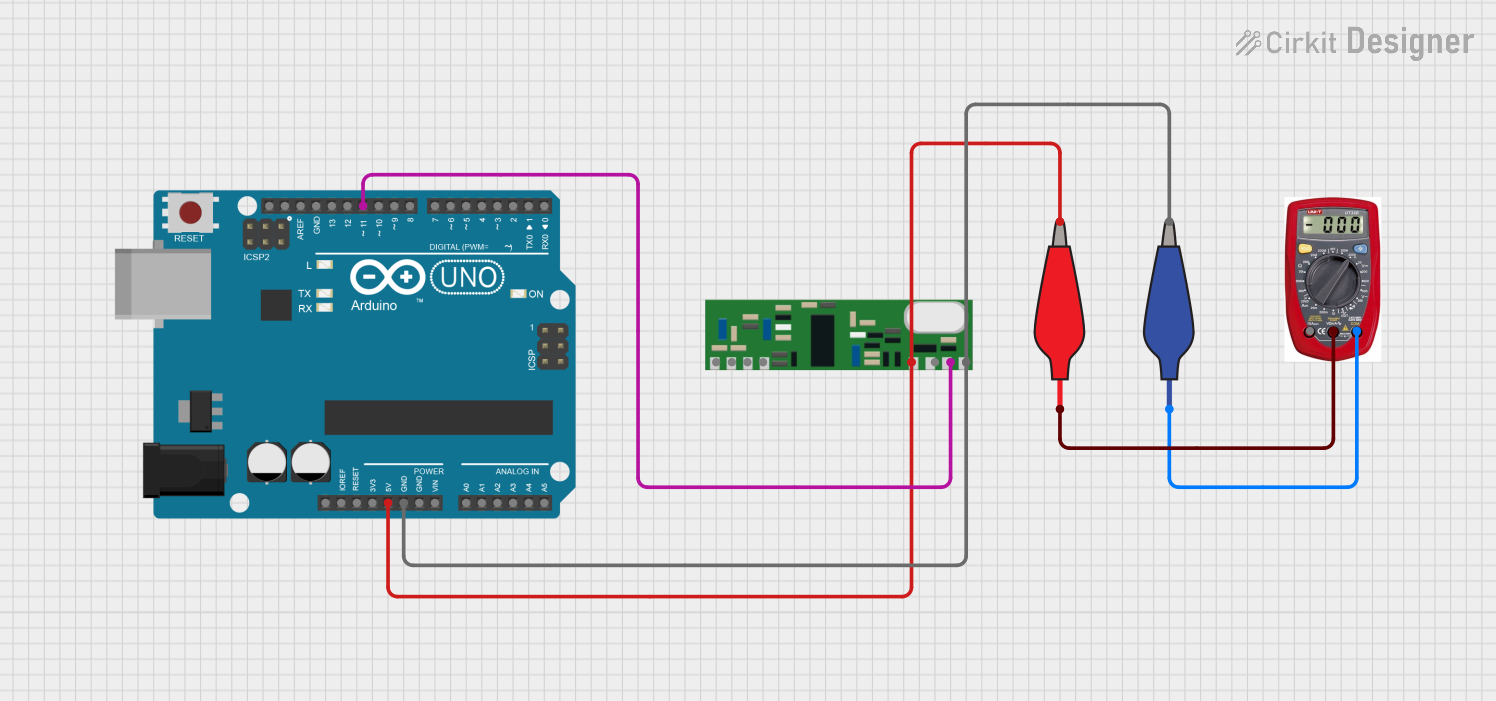 Open Project in Cirkit Designer
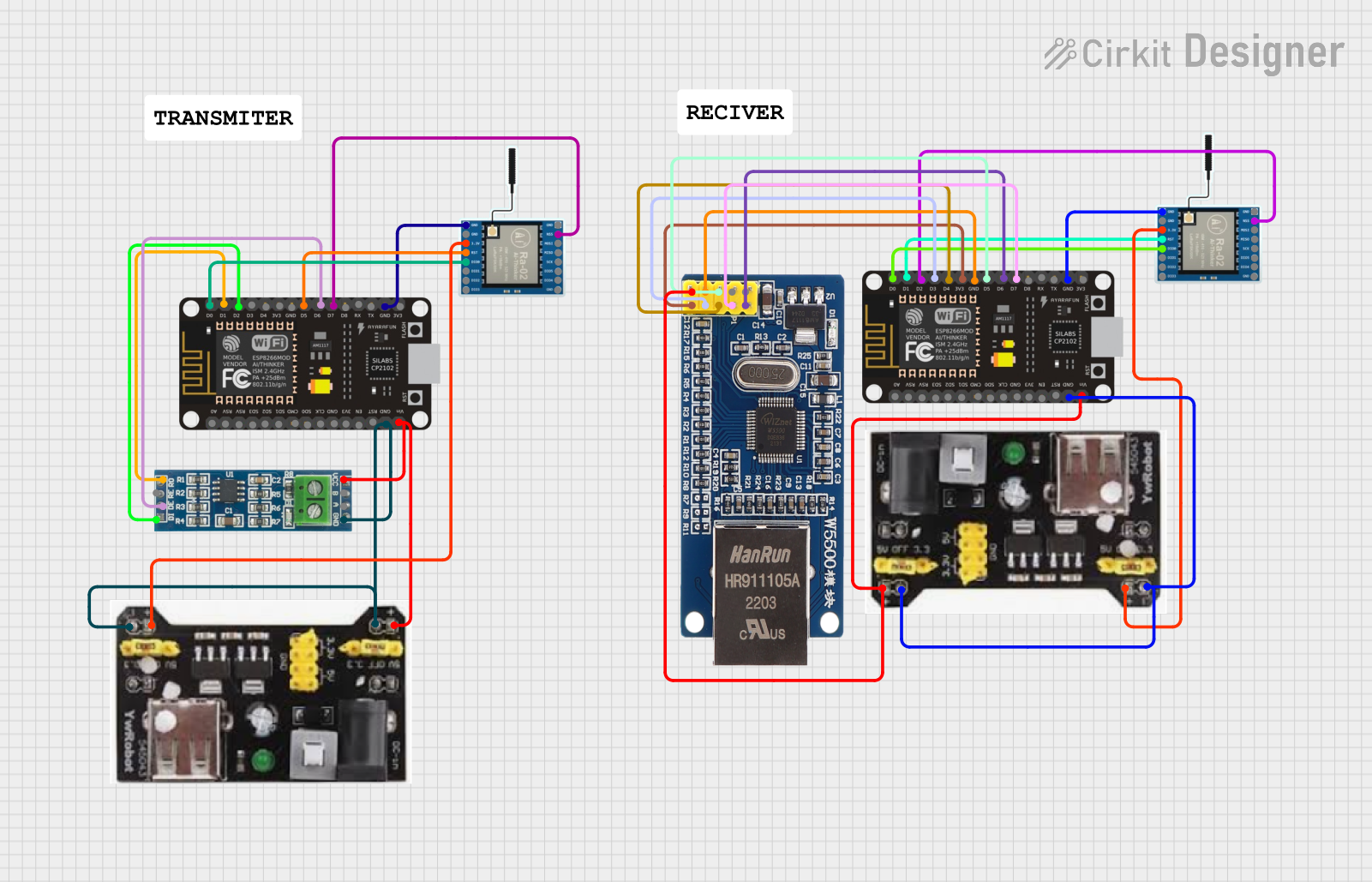 Open Project in Cirkit Designer
Explore Projects Built with RX470
Open Project in Cirkit DesignerOpen Project in Cirkit DesignerOpen Project in Cirkit DesignerOpen Project in Cirkit DesignerCommon Applications and Use Cases
- Gaming: Smooth gameplay at 1080p resolution with high settings.
- Content Creation: Video editing, 3D rendering, and graphic design.
- High-Performance Computing: Parallel processing for scientific simulations and machine learning.
- Home Theater PCs (HTPCs): High-definition video playback and media streaming.
Technical Specifications
The RX470 is built on AMD's Polaris architecture, offering a balance of performance and efficiency. Below are the key technical details:
General Specifications
| Specification | Details |
|---|---|
| Architecture | Polaris 10 |
| Process Technology | 14nm FinFET |
| Stream Processors | 2048 |
| Base Clock Speed | 926 MHz |
| Boost Clock Speed | Up to 1206 MHz |
| Memory Type | GDDR5 |
| Memory Capacity | 4GB or 8GB |
| Memory Bandwidth | 211 GB/s |
| TDP (Thermal Design Power) | 120W |
| DirectX Support | DirectX 12 |
| OpenGL Support | OpenGL 4.5 |
| PCIe Interface | PCIe 3.0 x16 |
Pin Configuration and Descriptions
The RX470 connects to the motherboard via the PCIe slot and requires additional power through a 6-pin PCIe power connector. Below is the pin configuration for the power connector:
| Pin Number | Signal Name | Description |
|---|---|---|
| 1 | +12V | Positive 12V power supply |
| 2 | +12V | Positive 12V power supply |
| 3 | +12V | Positive 12V power supply |
| 4 | Ground | Ground connection |
| 5 | Ground | Ground connection |
| 6 | Ground | Ground connection |
Usage Instructions
How to Use the RX470 in a System
- Install the GPU:
- Insert the RX470 into the PCIe x16 slot on the motherboard.
- Secure the GPU to the case using screws to prevent movement.
- Connect Power:
- Attach a 6-pin PCIe power connector from the power supply to the GPU.
- Ensure the power supply meets the minimum requirement of 450W.
- Install Drivers:
- Download the latest drivers from AMD's official website.
- Install the drivers and restart the system for optimal performance.
- Configure Display:
- Connect your monitor to the GPU using HDMI, DisplayPort, or DVI.
- Adjust display settings in the operating system or AMD Radeon Software.
Important Considerations and Best Practices
- Cooling: Ensure proper airflow in the case to prevent overheating. Use additional case fans if necessary.
- Power Supply: Use a reliable power supply with sufficient wattage and quality connectors.
- Driver Updates: Regularly update the GPU drivers to benefit from performance improvements and bug fixes.
- Overclocking: If overclocking, monitor temperatures and stability to avoid damage.
Example: Using RX470 with an Arduino UNO
While the RX470 is not directly compatible with an Arduino UNO, it can be used in projects involving high-performance computing or machine learning. For example, you can use the RX470 in a PC to process data and communicate with an Arduino UNO via serial communication. Below is an example of Arduino code for receiving data from a PC:
// Arduino code to receive data from a PC via serial communication
void setup() {
  Serial.begin(9600); // Initialize serial communication at 9600 baud
}

void loop() {
  if (Serial.available() > 0) {
    // Read incoming data from the PC
    String data = Serial.readString();
    Serial.println("Data received: " + data); // Echo the received data
  }
}
On the PC side, you can use Python or another programming language to send data to the Arduino.
Troubleshooting and FAQs
Common Issues and Solutions
- No Display Output:
- Solution: Check if the GPU is properly seated in the PCIe slot. Ensure the power connectors are securely attached.
- Overheating:
- Solution: Clean the GPU fans and heatsink to remove dust. Improve case airflow by adding or repositioning fans.
- Driver Installation Fails:
- Solution: Uninstall any existing GPU drivers using a tool like DDU (Display Driver Uninstaller) and reinstall the latest drivers.
- System Crashes or Freezes:
- Solution: Verify that the power supply meets the GPU's requirements. Test the GPU in another system to rule out hardware failure.
FAQs
Q: Can the RX470 handle 4K gaming?
A: The RX470 is capable of 4K gaming at lower settings, but it is optimized for 1080p gaming.Q: Does the RX470 support VR?
A: Yes, the RX470 supports VR and provides a good entry-level experience for virtual reality applications.Q: How do I monitor the GPU's temperature?
A: Use AMD Radeon Software or third-party tools like MSI Afterburner to monitor and manage GPU temperatures.Q: Can I use the RX470 with a 300W power supply?
A: No, a minimum of 450W is recommended to ensure stable operation.
By following this documentation, users can effectively integrate and utilize the RX470 GPU in their systems for gaming, content creation, and other high-performance tasks.