
How to Use Heltec ESP 32 Lora: Examples, Pinouts, and Specs
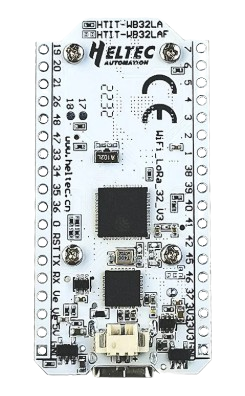
 Design with Heltec ESP 32 Lora in Cirkit Designer
Introduction
The Heltec ESP32 LoRa is a versatile microcontroller board developed by ESP, featuring the powerful ESP32 chip with integrated LoRa (Long Range) communication capabilities. This board is designed for IoT applications that require long-range wireless connectivity, low power consumption, and high performance. It is equipped with an OLED display, onboard Wi-Fi, and Bluetooth, making it a comprehensive solution for a wide range of projects.
Explore Projects Built with Heltec ESP 32 Lora
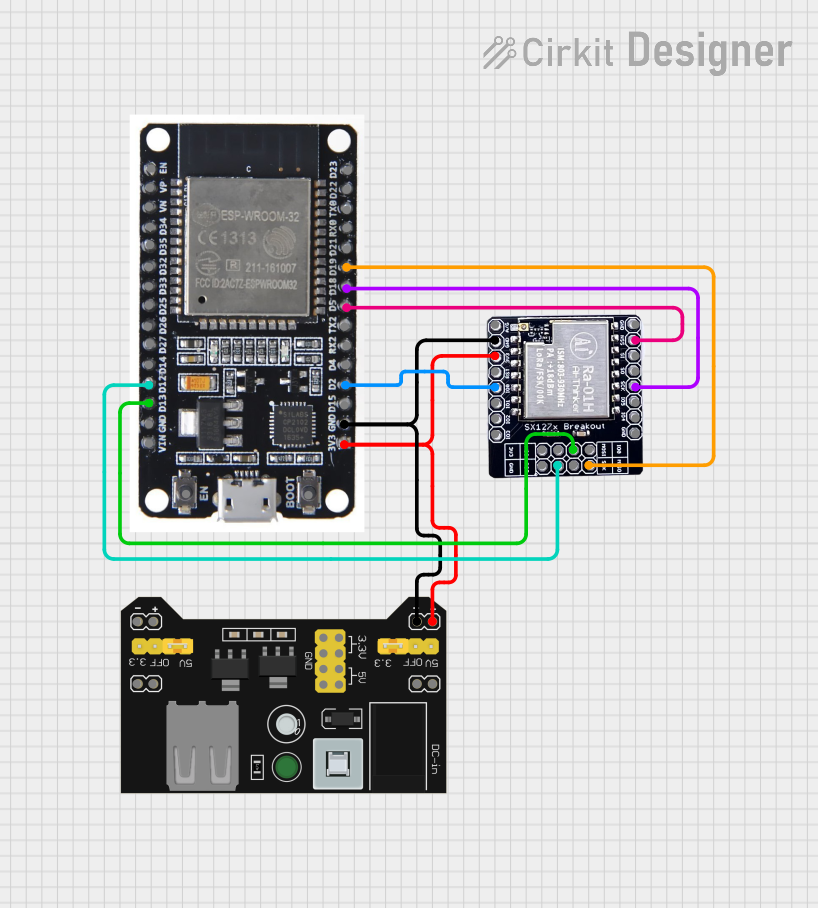 Open Project in Cirkit Designer
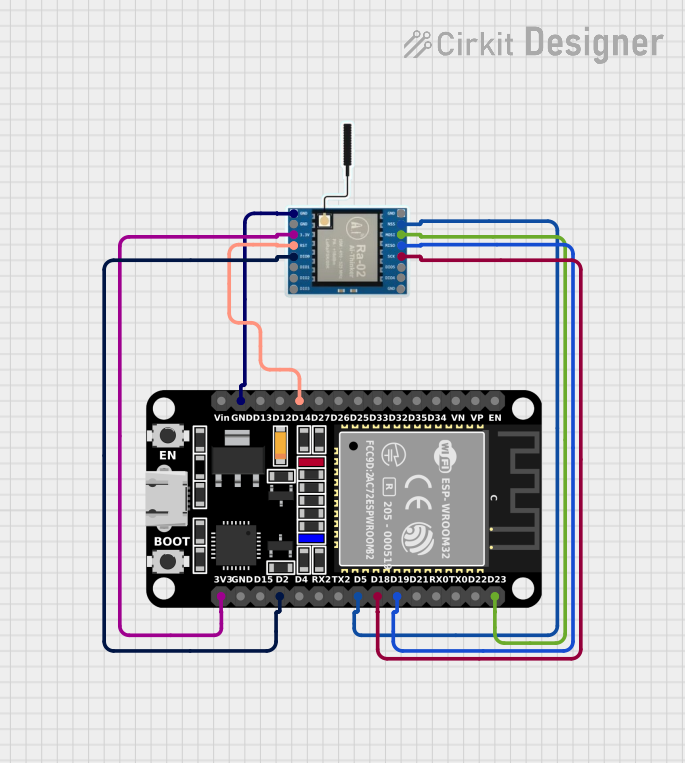 Open Project in Cirkit Designer
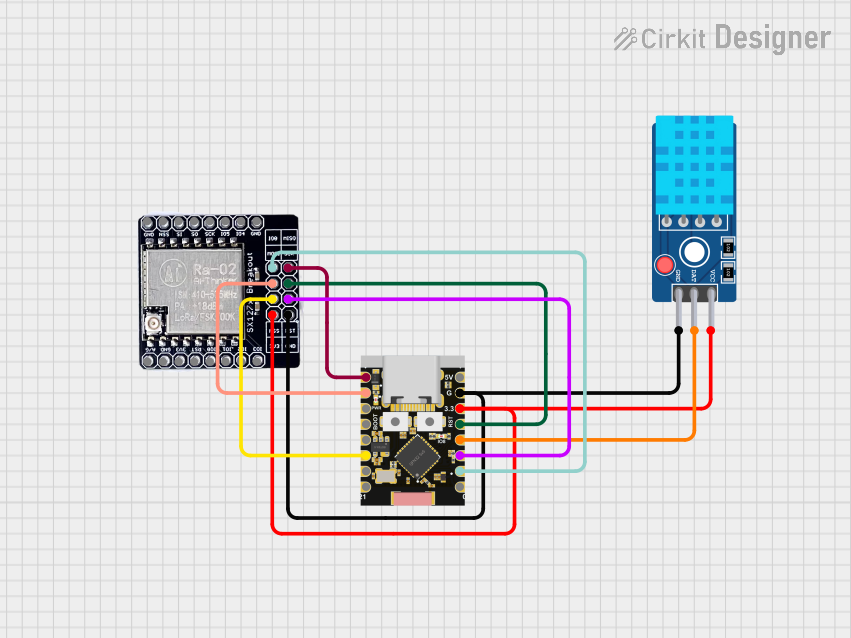 Open Project in Cirkit Designer
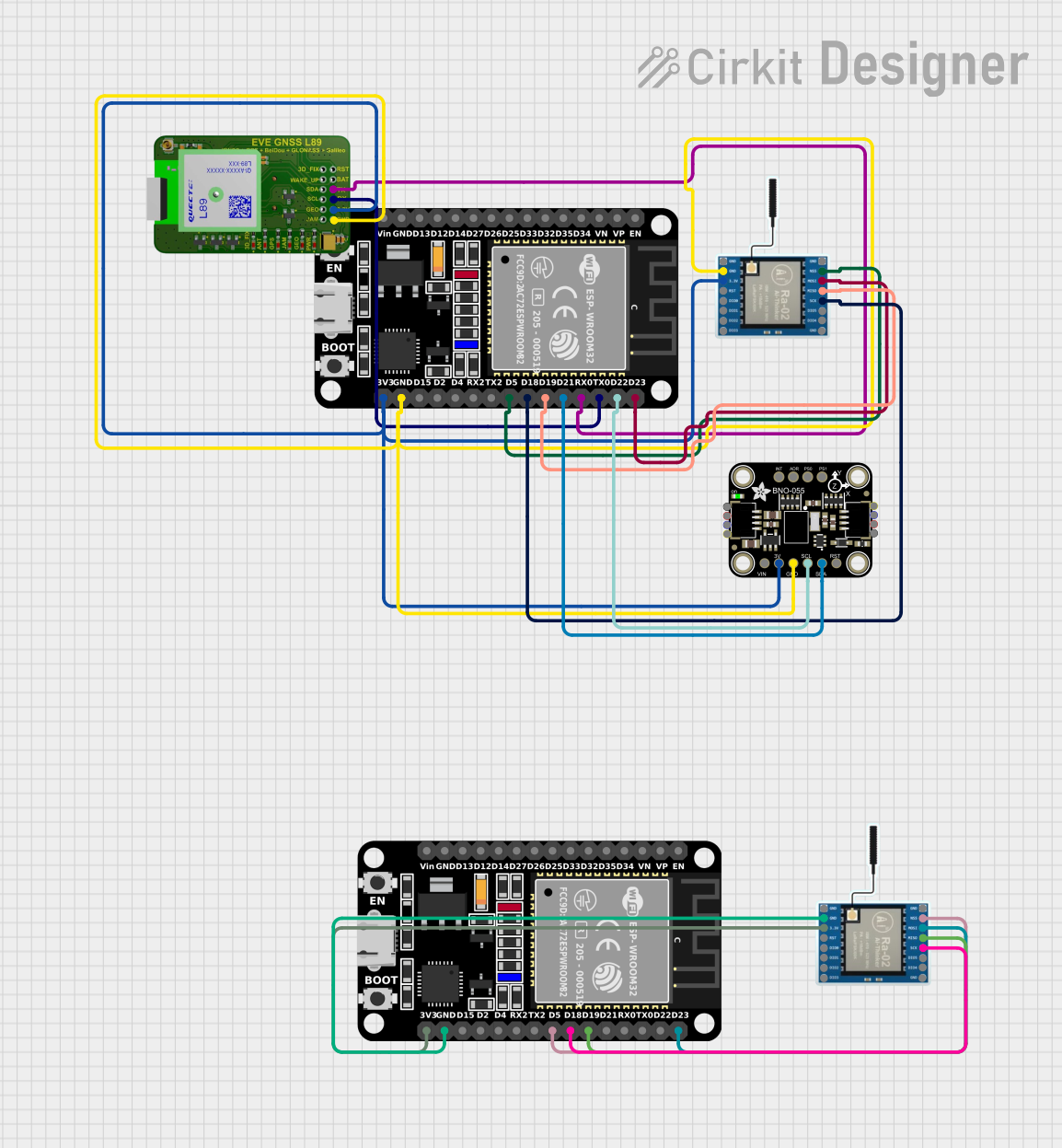 Open Project in Cirkit Designer
Explore Projects Built with Heltec ESP 32 Lora
Open Project in Cirkit DesignerOpen Project in Cirkit DesignerOpen Project in Cirkit DesignerOpen Project in Cirkit DesignerCommon Applications and Use Cases
- Internet of Things (IoT) devices and networks
- Remote environmental monitoring
- Smart agriculture and precision farming
- Asset tracking and geolocation
- Industrial automation and control systems
- Wireless sensor networks
Technical Specifications
Key Technical Details
| Parameter | Specification |
|---|---|
| Microcontroller | ESP32 dual-core processor |
| Wireless Connectivity | Wi-Fi 802.11 b/g/n, Bluetooth 4.2, LoRa |
| LoRa Frequency | 433 MHz / 868 MHz / 915 MHz (region-dependent) |
| Flash Memory | 4 MB (SPI Flash) |
| SRAM | 520 KB |
| Operating Voltage | 3.3V |
| Input Voltage Range | 5V (via USB) or 3.3V (via pin) |
| Power Consumption | Ultra-low power (varies based on usage) |
| OLED Display | 0.96-inch, 128x64 pixels, monochrome |
| GPIO Pins | 26 (multipurpose, including ADC, DAC, PWM, etc.) |
| Communication Interfaces | UART, SPI, I2C, I2S |
| Dimensions | 41 x 25 x 12 mm |
Pin Configuration and Descriptions
| Pin Name | Pin Number | Description |
|---|---|---|
| GND | Multiple | Ground pin |
| 3V3 | Multiple | 3.3V power output |
| VIN | - | Power input (5V via USB or external source) |
| GPIO0 | 0 | General-purpose I/O, boot mode selection |
| GPIO21 | 21 | I2C SDA (default) |
| GPIO22 | 22 | I2C SCL (default) |
| GPIO16 | 16 | LoRa Reset (connected to LoRa module) |
| GPIO17 | 17 | LoRa DIO1 (connected to LoRa module) |
| GPIO18 | 18 | SPI SCK (LoRa communication) |
| GPIO19 | 19 | SPI MISO (LoRa communication) |
| GPIO23 | 23 | SPI MOSI (LoRa communication) |
| GPIO25 | 25 | DAC1, PWM, or general-purpose I/O |
| GPIO26 | 26 | DAC2, PWM, or general-purpose I/O |
| GPIO27 | 27 | ADC, PWM, or general-purpose I/O |
Usage Instructions
How to Use the Component in a Circuit
Powering the Board:
- Connect the board to a 5V USB power source or supply 3.3V directly to the VIN pin.
- Ensure the power source can provide sufficient current (at least 500 mA).
Connecting Peripherals:
- Use the GPIO pins for connecting sensors, actuators, or other peripherals.
- For I2C devices, connect them to GPIO21 (SDA) and GPIO22 (SCL).
- For SPI communication, use GPIO18 (SCK), GPIO19 (MISO), and GPIO23 (MOSI).
Programming the Board:
- Install the Arduino IDE and add the ESP32 board support package.
- Select "Heltec ESP32 LoRa" as the board in the Arduino IDE.
- Connect the board to your computer via USB and upload your code.
Using LoRa Communication:
- Install the "LoRa" library in the Arduino IDE.
- Configure the LoRa frequency to match your region (e.g., 868 MHz for Europe).
Important Considerations and Best Practices
- Power Supply: Avoid supplying more than 3.3V to the GPIO pins to prevent damage.
- Antenna Connection: Always connect the LoRa antenna before powering the board to avoid damaging the LoRa module.
- Frequency Compliance: Ensure the LoRa frequency is compliant with local regulations.
- Heat Management: The ESP32 chip may heat up during operation; ensure proper ventilation.
Example Code for Arduino UNO
Below is an example of using the Heltec ESP32 LoRa to send a simple message via LoRa:
#include <SPI.h>
#include <LoRa.h> // Include the LoRa library

#define LORA_SCK 18  // SPI Clock pin
#define LORA_MISO 19 // SPI MISO pin
#define LORA_MOSI 23 // SPI MOSI pin
#define LORA_CS 5    // LoRa chip select pin
#define LORA_RST 14  // LoRa reset pin
#define LORA_IRQ 26  // LoRa IRQ pin

void setup() {
  Serial.begin(9600); // Initialize serial communication
  while (!Serial);

  Serial.println("Initializing LoRa...");

  // Initialize LoRa with frequency 868 MHz
  if (!LoRa.begin(868E6)) {
    Serial.println("LoRa initialization failed!");
    while (1);
  }

  Serial.println("LoRa initialized successfully!");
}

void loop() {
  Serial.println("Sending message...");
  LoRa.beginPacket(); // Start a new LoRa packet
  LoRa.print("Hello, LoRa!"); // Add message to the packet
  LoRa.endPacket(); // Send the packet

  delay(5000); // Wait 5 seconds before sending the next message
}
Troubleshooting and FAQs
Common Issues and Solutions
LoRa Initialization Fails:
- Ensure the LoRa antenna is connected properly.
- Verify the LoRa frequency matches your region.
- Check the wiring of the LoRa module (CS, RST, and IRQ pins).
Board Not Detected by Computer:
- Confirm the USB cable is functional and supports data transfer.
- Install the correct USB driver for the ESP32 board.
OLED Display Not Working:
- Verify the I2C connections (SDA and SCL).
- Ensure the OLED library is installed and configured correctly.
Overheating:
- Avoid overloading the GPIO pins.
- Use a heat sink or ensure proper ventilation if necessary.
FAQs
Q: Can I use the Heltec ESP32 LoRa with a 5V sensor?
A: Yes, but you will need a level shifter to convert the 5V signal to 3.3V for the ESP32 GPIO pins.
Q: What is the maximum range of LoRa communication?
A: The range depends on environmental factors but can reach up to 10 km in open areas.
Q: Can I power the board with a battery?
A: Yes, you can use a 3.7V LiPo battery connected to the battery connector on the board.
Q: How do I update the firmware?
A: Use the Arduino IDE or ESP32 flashing tools to upload new firmware via USB.