
How to Use Techtonics GSR Galvanic Skin Response Module Current Sensor Kit V2.0: Examples, Pinouts, and Specs
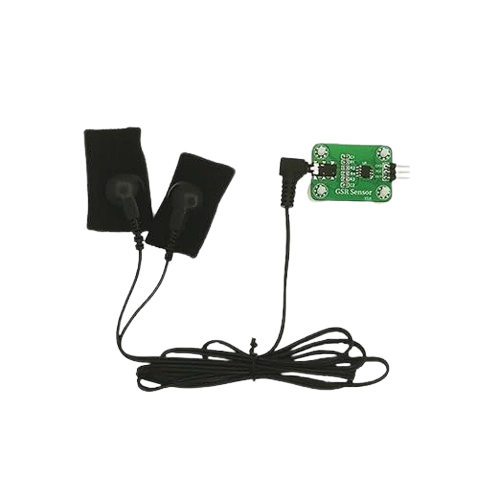
 Design with Techtonics GSR Galvanic Skin Response Module Current Sensor Kit V2.0 in Cirkit Designer
Introduction
The Techtonics GSR Galvanic Skin Response Module Current Sensor Kit V2.0 is a specialized sensor designed to measure the electrical conductance of the skin. This conductance varies with the skin's moisture levels, which are influenced by emotional states and physiological changes. The module is widely used in biofeedback systems, psychological research, and applications requiring emotional state monitoring.
Explore Projects Built with Techtonics GSR Galvanic Skin Response Module Current Sensor Kit V2.0
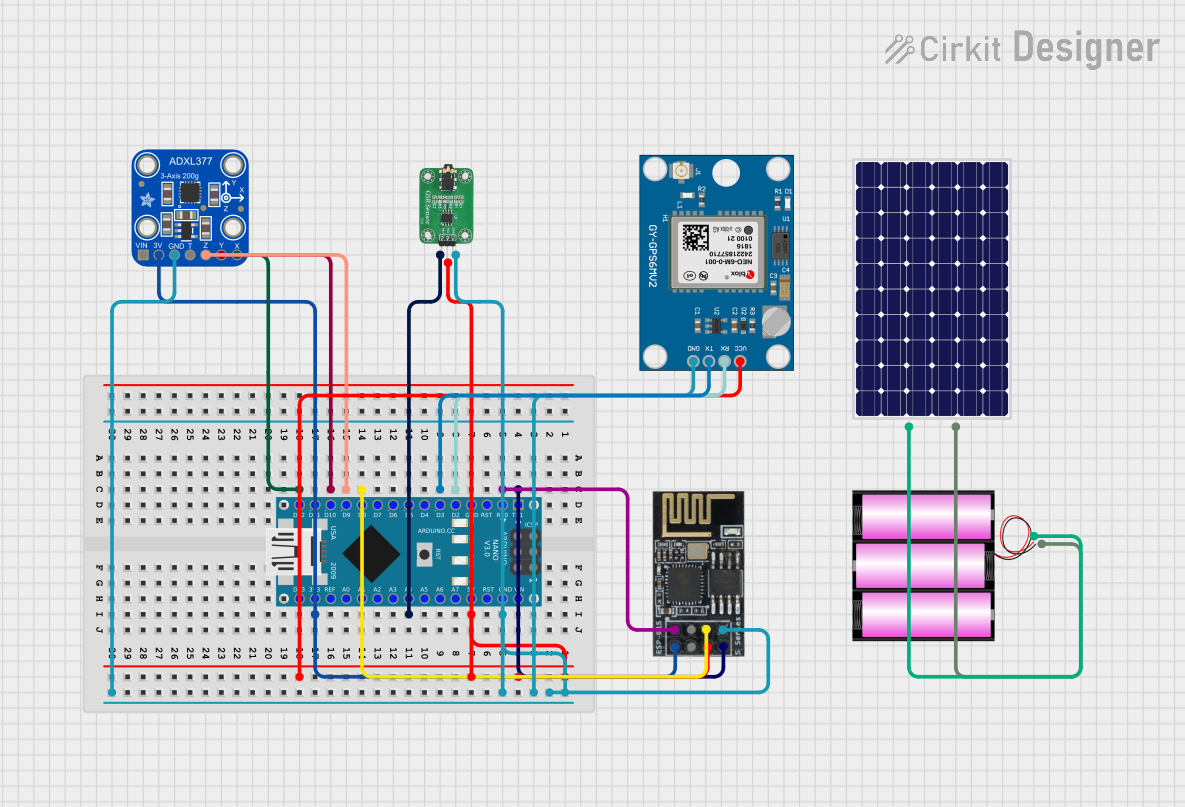 Open Project in Cirkit Designer
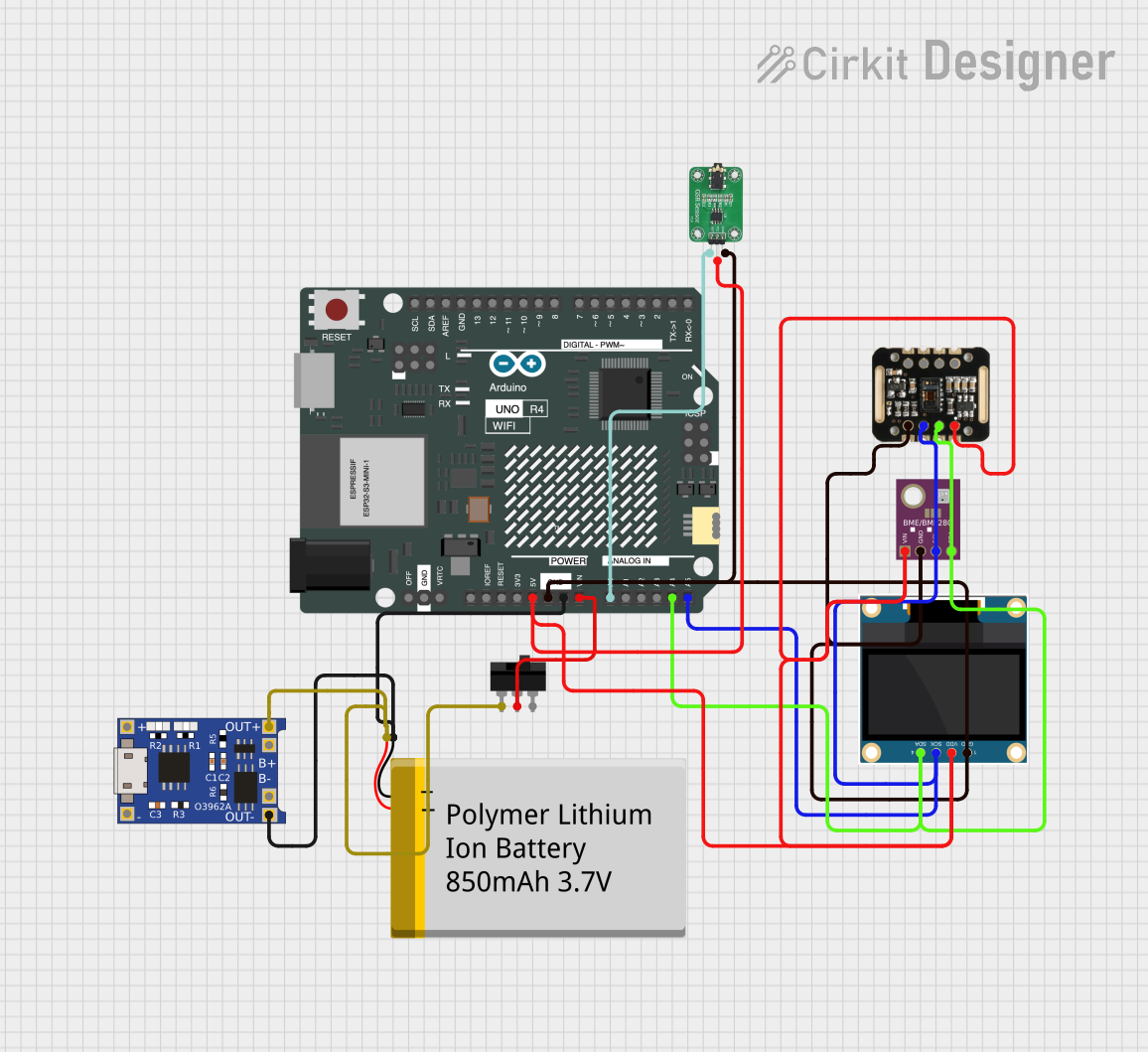 Open Project in Cirkit Designer
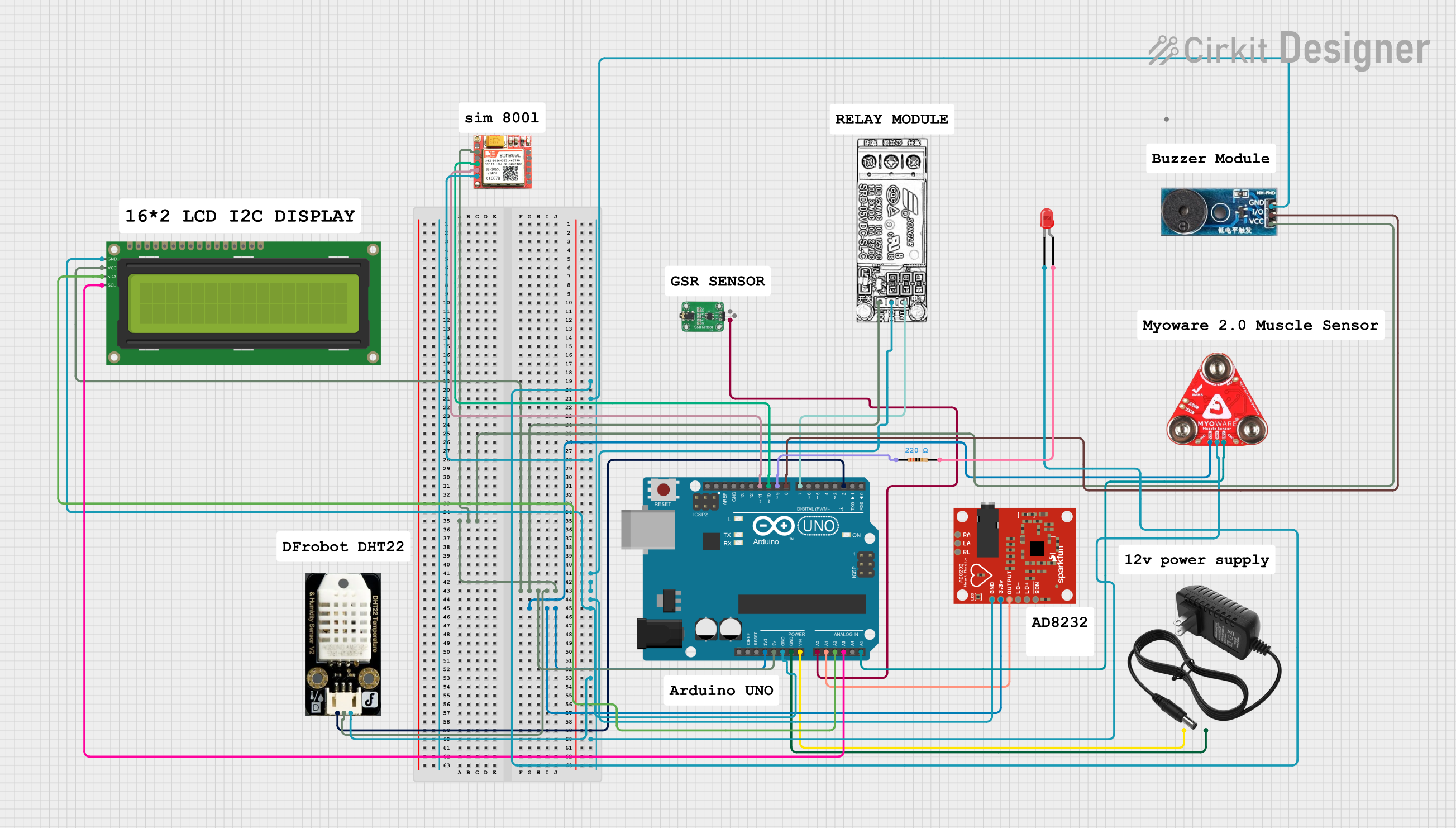 Open Project in Cirkit Designer
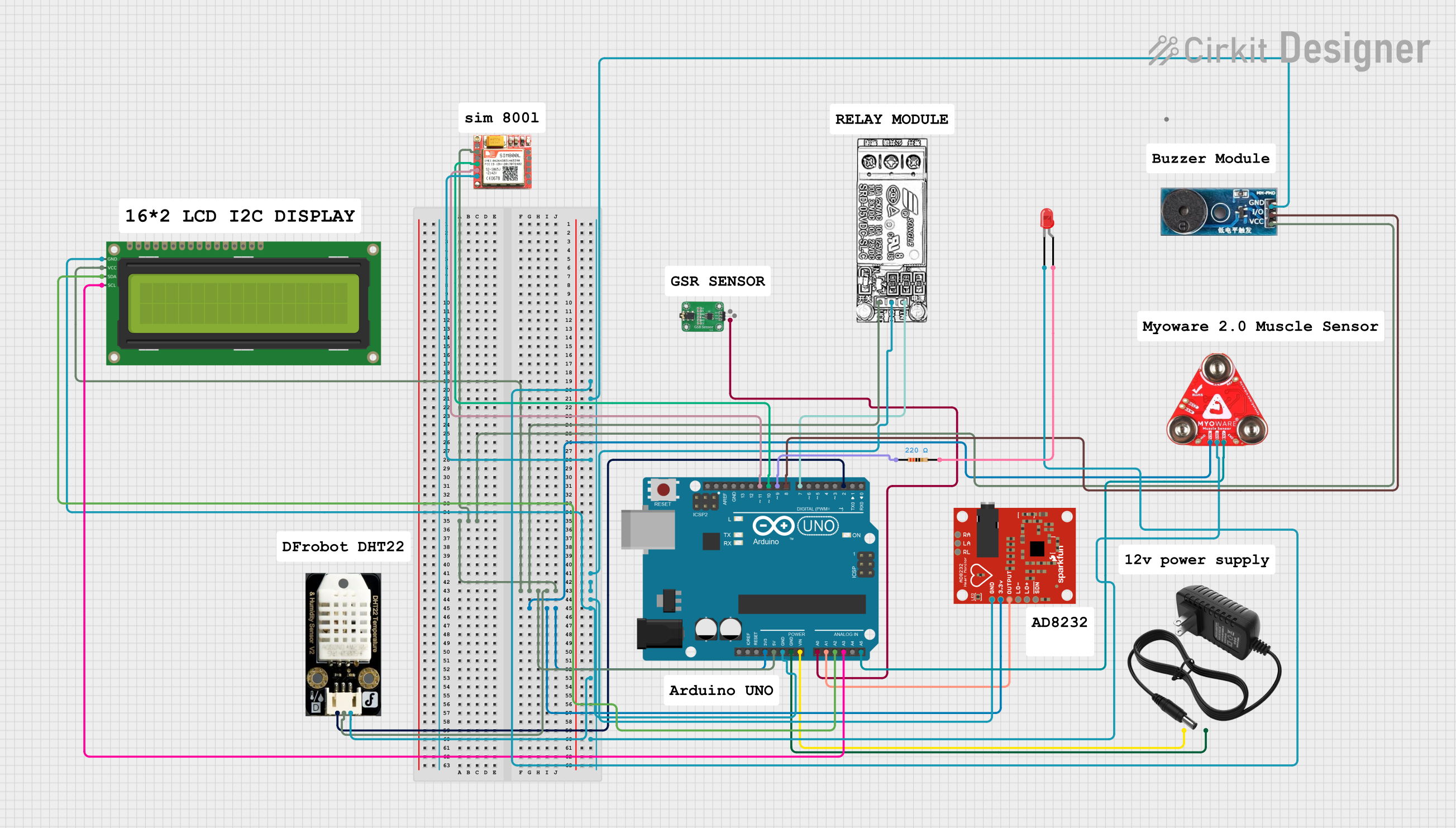 Open Project in Cirkit Designer
Explore Projects Built with Techtonics GSR Galvanic Skin Response Module Current Sensor Kit V2.0
Open Project in Cirkit DesignerOpen Project in Cirkit DesignerOpen Project in Cirkit DesignerOpen Project in Cirkit DesignerCommon Applications and Use Cases
- Biofeedback systems for stress and relaxation monitoring
- Psychological and emotional state research
- Human-computer interaction (HCI) projects
- Wearable health monitoring devices
- Educational projects and experiments in physiology
Technical Specifications
The following table outlines the key technical details of the Techtonics GSR Module:
| Parameter | Specification |
|---|---|
| Operating Voltage | 3.3V - 5V DC |
| Output Voltage Range | 0V - 5V (analog output) |
| Current Consumption | < 10mA |
| Sensor Type | Galvanic Skin Response (GSR) |
| Interface | Analog |
| Dimensions | 32mm x 22mm x 8mm |
| Weight | 5g |
Pin Configuration and Descriptions
The module has a simple pinout for easy integration into circuits:
| Pin | Name | Description |
|---|---|---|
| 1 | VCC | Power supply input (3.3V - 5V DC). Connect to the power source. |
| 2 | GND | Ground pin. Connect to the ground of the circuit. |
| 3 | OUT | Analog output pin. Provides a voltage proportional to skin conductance. |
Usage Instructions
How to Use the Component in a Circuit
- Power the Module: Connect the
VCCpin to a 3.3V or 5V DC power source and theGNDpin to the ground. - Connect the Output: Attach the
OUTpin to an analog input pin of a microcontroller (e.g., Arduino UNO) or an analog-to-digital converter (ADC). - Attach Electrodes: Place the included electrodes on the skin (e.g., fingers or palm) to measure the skin's electrical conductance.
- Read the Output: The module outputs an analog voltage proportional to the skin's conductance. Higher moisture levels (sweat) result in higher conductance and a corresponding increase in output voltage.
Important Considerations and Best Practices
- Electrode Placement: Ensure the electrodes are securely attached to the skin for accurate readings. Clean the skin before application to remove oils or dirt.
- Power Supply: Use a stable power source to avoid noise in the output signal.
- Signal Filtering: For applications requiring precise measurements, consider adding a low-pass filter to reduce noise in the analog output.
- Avoid Overvoltage: Do not exceed the recommended operating voltage (5V) to prevent damage to the module.
- Environmental Factors: Be aware that temperature and humidity can affect readings. Calibrate the module if necessary for consistent results.
Example Code for Arduino UNO
The following example demonstrates how to interface the GSR module with an Arduino UNO to read and display the sensor's output:
// Define the analog pin connected to the GSR module's OUT pin
const int GSR_PIN = A0;

void setup() {
  // Initialize serial communication for debugging and data output
  Serial.begin(9600);
  Serial.println("GSR Sensor Module Test");
}

void loop() {
  // Read the analog value from the GSR module
  int gsrValue = analogRead(GSR_PIN);

  // Convert the analog value to a voltage (assuming 5V reference)
  float voltage = gsrValue * (5.0 / 1023.0);

  // Print the raw value and voltage to the Serial Monitor
  Serial.print("Raw Value: ");
  Serial.print(gsrValue);
  Serial.print(" | Voltage: ");
  Serial.println(voltage);

  // Add a short delay for stability
  delay(500);
}
Notes on the Code
- The
analogRead()function reads the raw value from the GSR module's output pin. - The raw value is converted to a voltage using the formula
(5.0 / 1023.0), assuming a 5V reference. - The
Serial.println()function outputs the data to the Serial Monitor for real-time observation.
Troubleshooting and FAQs
Common Issues and Solutions
No Output or Unstable Readings
- Cause: Poor electrode contact with the skin.
- Solution: Ensure the electrodes are securely attached and the skin is clean.
Output Voltage Stuck at Maximum or Minimum
- Cause: Faulty wiring or incorrect power supply voltage.
- Solution: Double-check all connections and ensure the power supply is within the specified range.
High Noise in Output Signal
- Cause: Electrical interference or unstable power supply.
- Solution: Use a decoupling capacitor across the power pins and ensure proper grounding.
Inconsistent Readings
- Cause: Environmental factors (e.g., temperature, humidity).
- Solution: Calibrate the module in the operating environment and use signal filtering if necessary.
FAQs
Q: Can this module be used with a 3.3V microcontroller?
A: Yes, the module operates within a voltage range of 3.3V to 5V, making it compatible with 3.3V microcontrollers like the ESP32.
Q: How do I clean the electrodes?
A: Use a soft cloth dampened with isopropyl alcohol to clean the electrodes. Avoid using abrasive materials.
Q: Can this module measure stress levels?
A: Indirectly, yes. The module measures skin conductance, which correlates with physiological changes associated with stress.
Q: Is the output linear with respect to skin conductance?
A: The output is approximately linear, but calibration may be required for precise measurements in specific applications.