
How to Use TRINA Solar Panel 550W: Examples, Pinouts, and Specs
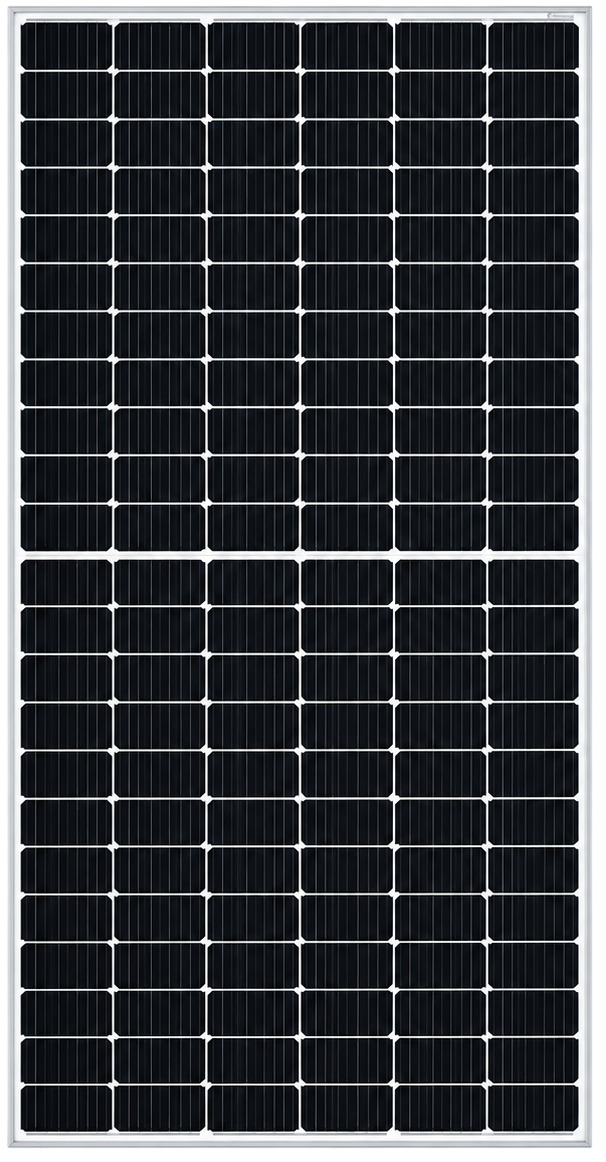
 Design with TRINA Solar Panel 550W in Cirkit Designer
Introduction
The TRINA Solar Panel 550W is a high-efficiency photovoltaic (PV) module designed to convert sunlight into electricity. With a power output of 550 watts, this solar panel is ideal for both residential and commercial solar energy systems. It features advanced cell technology and durable construction, ensuring reliable performance and long-term energy production. The panel is optimized for high energy yields, even in low-light conditions, making it a versatile choice for various applications.
Explore Projects Built with TRINA Solar Panel 550W
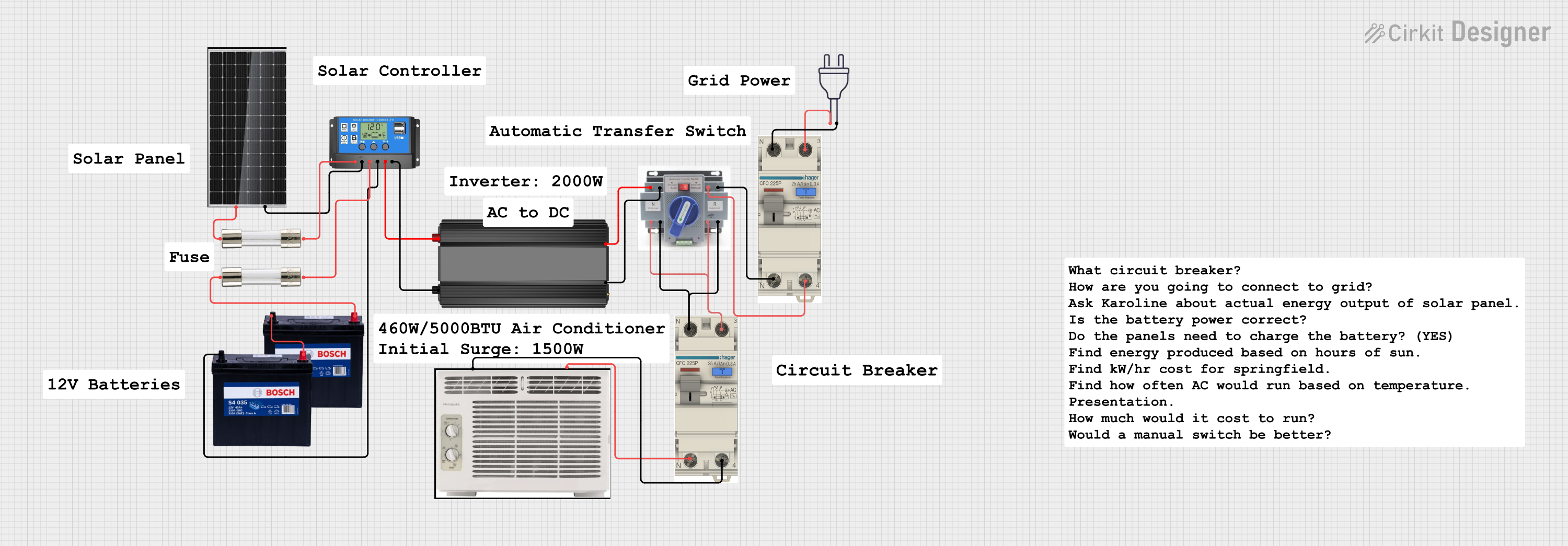 Open Project in Cirkit Designer
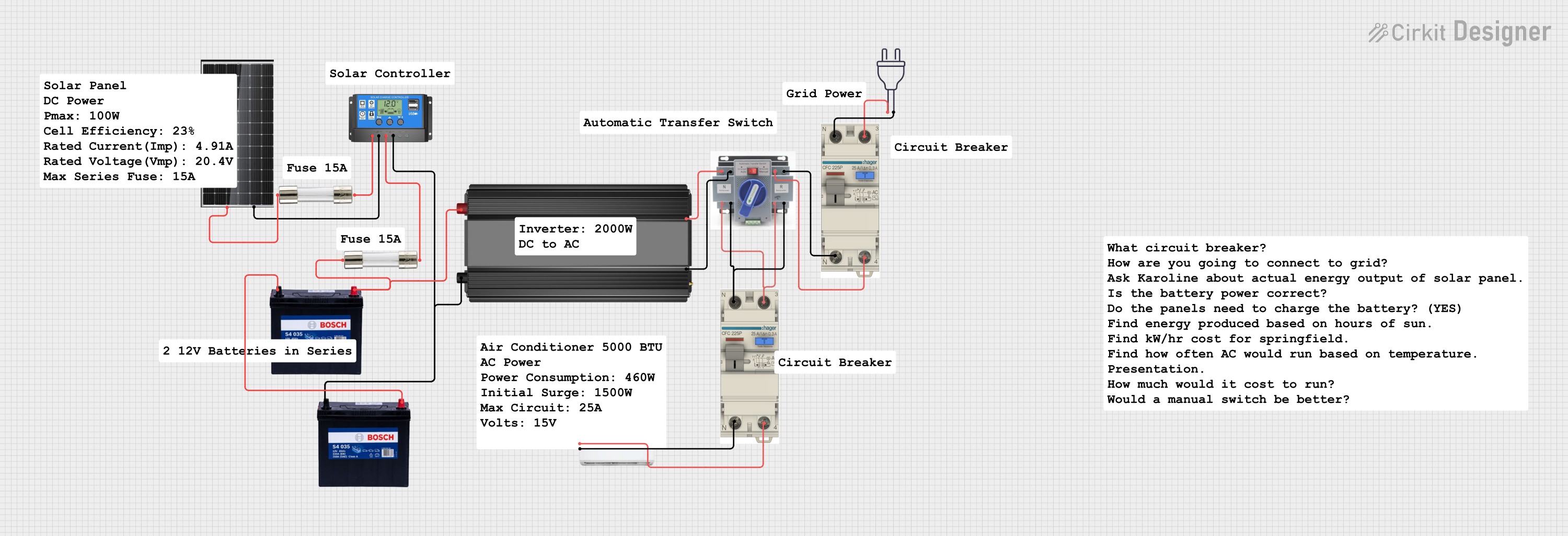 Open Project in Cirkit Designer
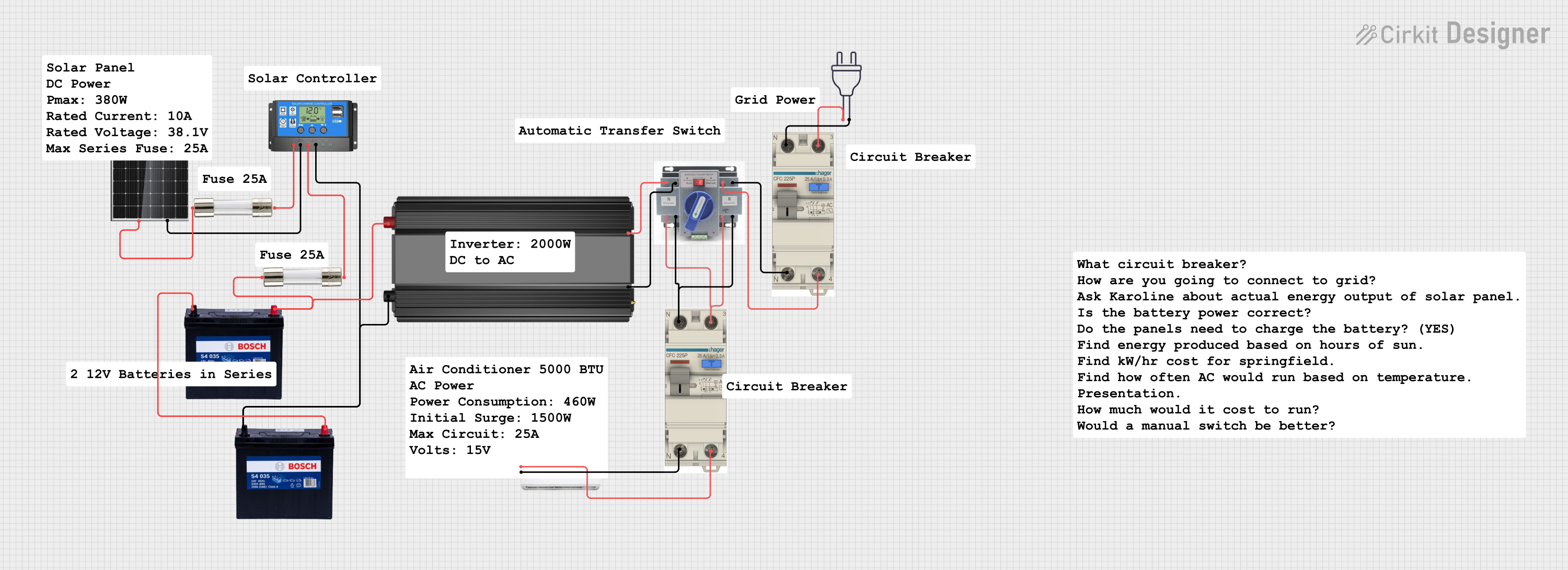 Open Project in Cirkit Designer
 Open Project in Cirkit Designer
Explore Projects Built with TRINA Solar Panel 550W
Open Project in Cirkit DesignerOpen Project in Cirkit DesignerOpen Project in Cirkit DesignerOpen Project in Cirkit DesignerCommon Applications and Use Cases
- Residential rooftop solar installations
- Commercial and industrial solar energy systems
- Off-grid and hybrid solar power setups
- Solar farms and large-scale renewable energy projects
- Backup power systems in remote areas
Technical Specifications
Key Technical Details
| Parameter | Specification |
|---|---|
| Maximum Power Output (Pmax) | 550 W |
| Module Efficiency | Up to 21.2% |
| Open Circuit Voltage (Voc) | 49.5 V |
| Short Circuit Current (Isc) | 13.98 A |
| Maximum Power Voltage (Vmp) | 41.8 V |
| Maximum Power Current (Imp) | 13.16 A |
| Operating Temperature Range | -40°C to +85°C |
| Maximum System Voltage | 1500 V DC |
| Dimensions | 2384 mm × 1096 mm × 35 mm |
| Weight | 28.6 kg |
| Cell Type | Monocrystalline PERC |
| Frame Material | Anodized aluminum alloy |
| Glass Type | High-transparency tempered glass |
| Connector Type | MC4 or compatible |
| Warranty | 12-year product warranty, 25-year linear power output warranty |
Pin Configuration and Descriptions
The TRINA Solar Panel 550W does not have traditional "pins" but instead uses two output cables with connectors for electrical connections. Below is a description of the connectors:
| Connector | Description |
|---|---|
| Positive | Positive DC output terminal (marked with a "+" symbol) |
| Negative | Negative DC output terminal (marked with a "-" symbol) |
Usage Instructions
How to Use the Component in a Circuit
- Positioning the Panel: Install the solar panel in a location with maximum sunlight exposure. Ensure the tilt angle and orientation are optimized for your geographic location.
- Connecting to a Charge Controller:
- Connect the positive terminal of the solar panel to the positive input of the charge controller.
- Connect the negative terminal of the solar panel to the negative input of the charge controller.
- Connecting to a Battery (if applicable):
- Use the charge controller to regulate the voltage and current before connecting to a battery.
- Ensure the battery voltage matches the system voltage.
- Connecting to an Inverter:
- For AC power output, connect the charge controller or battery to an inverter.
- Ensure the inverter's input voltage range matches the system voltage.
- Wiring Considerations:
- Use appropriately rated cables to handle the current and voltage.
- Ensure all connections are secure and weatherproof if installed outdoors.
Important Considerations and Best Practices
- Shading: Avoid partial shading of the panel, as it can significantly reduce energy output.
- Cleaning: Regularly clean the panel surface to remove dirt, dust, and debris for optimal performance.
- Safety: Always disconnect the panel from the system before performing maintenance or wiring changes.
- Overcurrent Protection: Use fuses or circuit breakers to protect the system from overcurrent conditions.
- Grounding: Properly ground the panel and system components to ensure safety and compliance with local regulations.
Arduino UNO Integration Example
While the TRINA Solar Panel 550W is not directly compatible with an Arduino UNO due to its high power output, you can use a smaller solar panel or a voltage regulator to power the Arduino. Below is an example of how to monitor the voltage of a solar panel using an Arduino UNO:
// Example code to measure solar panel voltage using Arduino UNO
const int analogPin = A0; // Analog pin connected to voltage divider
const float voltageDividerRatio = 11.0; // Ratio for a 10k:1k voltage divider
const float referenceVoltage = 5.0; // Arduino reference voltage (5V)

void setup() {
  Serial.begin(9600); // Initialize serial communication
}

void loop() {
  int analogValue = analogRead(analogPin); // Read analog input
  float panelVoltage = (analogValue / 1023.0) * referenceVoltage * voltageDividerRatio;

  // Print the measured voltage to the Serial Monitor
  Serial.print("Solar Panel Voltage: ");
  Serial.print(panelVoltage);
  Serial.println(" V");

  delay(1000); // Wait for 1 second before the next reading
}
Note: Use a voltage divider circuit to step down the solar panel voltage to a safe range for the Arduino's analog input (0-5V). Ensure the resistor values are chosen appropriately for the panel's maximum voltage.
Troubleshooting and FAQs
Common Issues Users Might Face
Low Power Output:
- Cause: Shading, dirt on the panel, or incorrect tilt angle.
- Solution: Clean the panel, remove shading, and adjust the tilt angle.
No Output Voltage:
- Cause: Loose or faulty connections.
- Solution: Check all connections and ensure they are secure.
Overheating:
- Cause: Poor ventilation or excessive ambient temperature.
- Solution: Ensure proper airflow around the panel and avoid installation in confined spaces.
Inconsistent Performance:
- Cause: Faulty charge controller or inverter.
- Solution: Test the charge controller and inverter separately to identify the issue.
Solutions and Tips for Troubleshooting
- Use a multimeter to measure the panel's open-circuit voltage (Voc) and short-circuit current (Isc) to verify its performance.
- Inspect the connectors and cables for signs of wear, corrosion, or damage.
- Ensure the system components (e.g., charge controller, inverter) are compatible with the panel's specifications.
- Consult the manufacturer's warranty and support services for assistance with defective panels.
By following this documentation, users can effectively integrate the TRINA Solar Panel 550W into their solar energy systems and maximize its performance.