
How to Use Hoymiles HMS-700-2T: Examples, Pinouts, and Specs
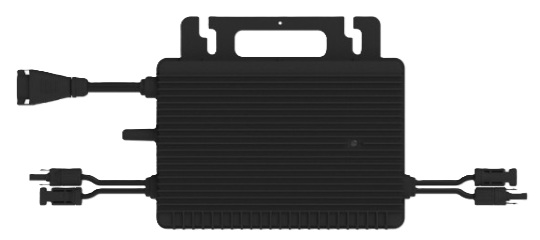
 Design with Hoymiles HMS-700-2T in Cirkit Designer
Introduction
The Hoymiles HMS-700-2T is a high-performance microinverter manufactured by Bourgeois, designed specifically for solar energy systems. This component plays a critical role in converting the direct current (DC) generated by solar panels into alternating current (AC) that can be used by household appliances or fed into the electrical grid. With its advanced monitoring capabilities, high efficiency, and robust design, the HMS-700-2T is an ideal choice for residential and commercial solar installations.
Explore Projects Built with Hoymiles HMS-700-2T
 Open Project in Cirkit Designer
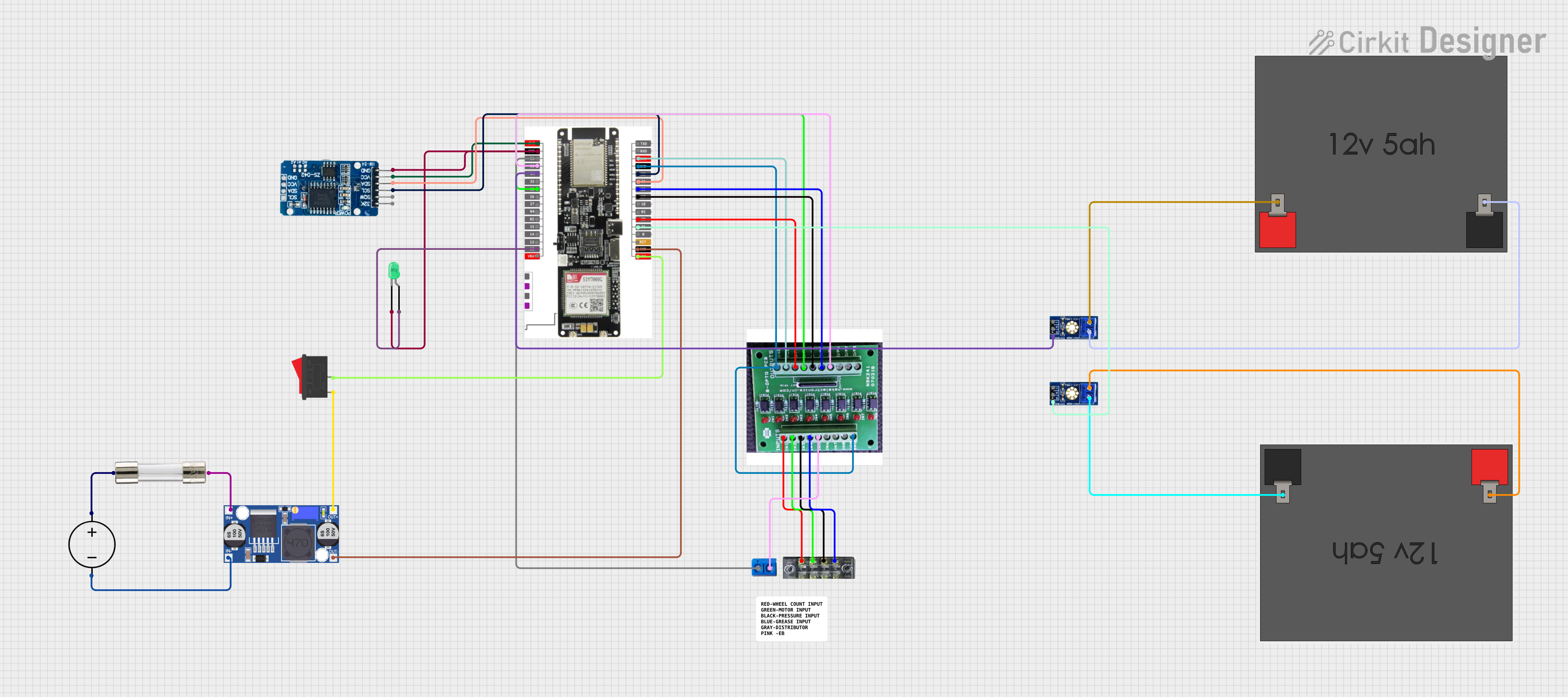 Open Project in Cirkit Designer
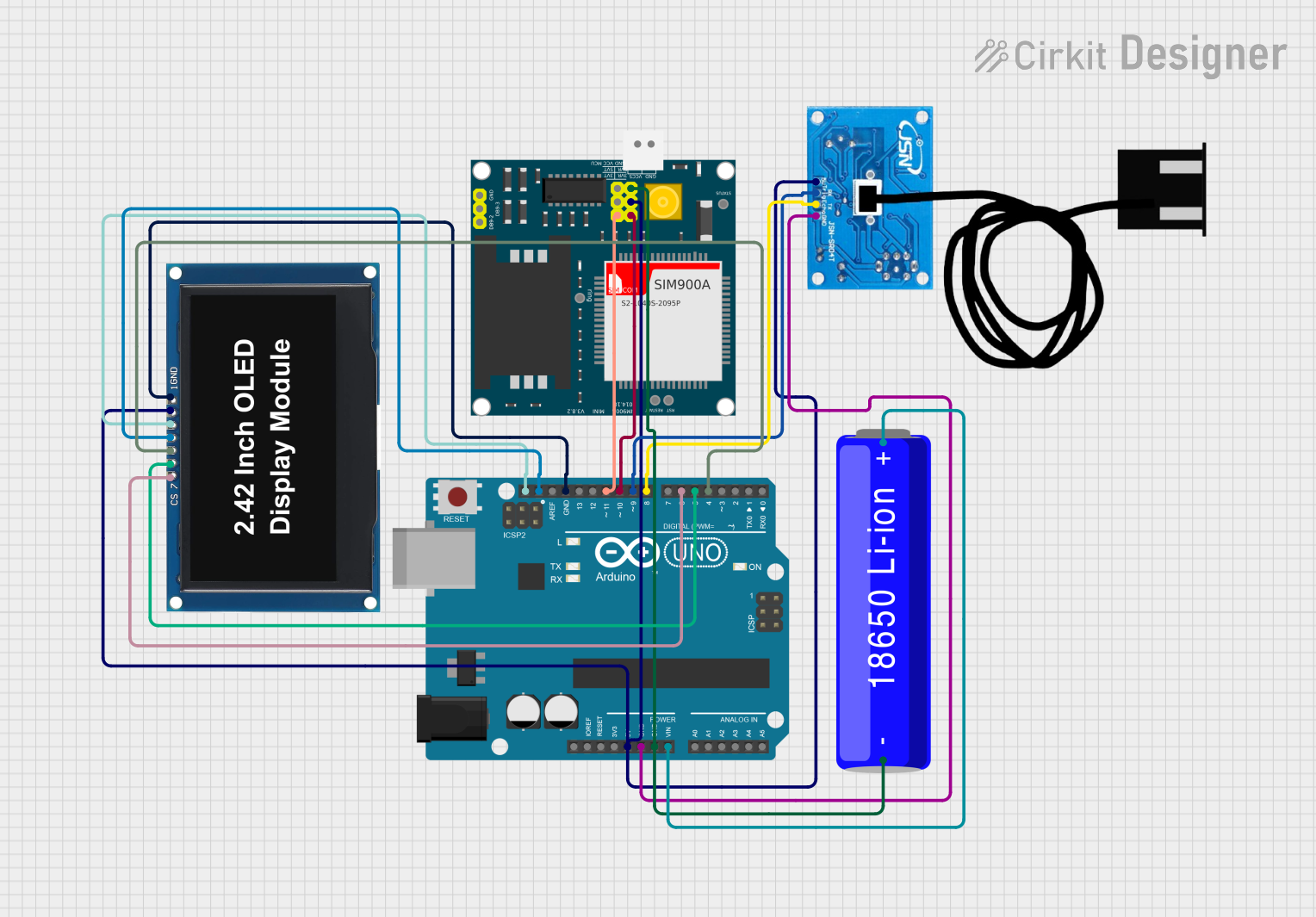 Open Project in Cirkit Designer
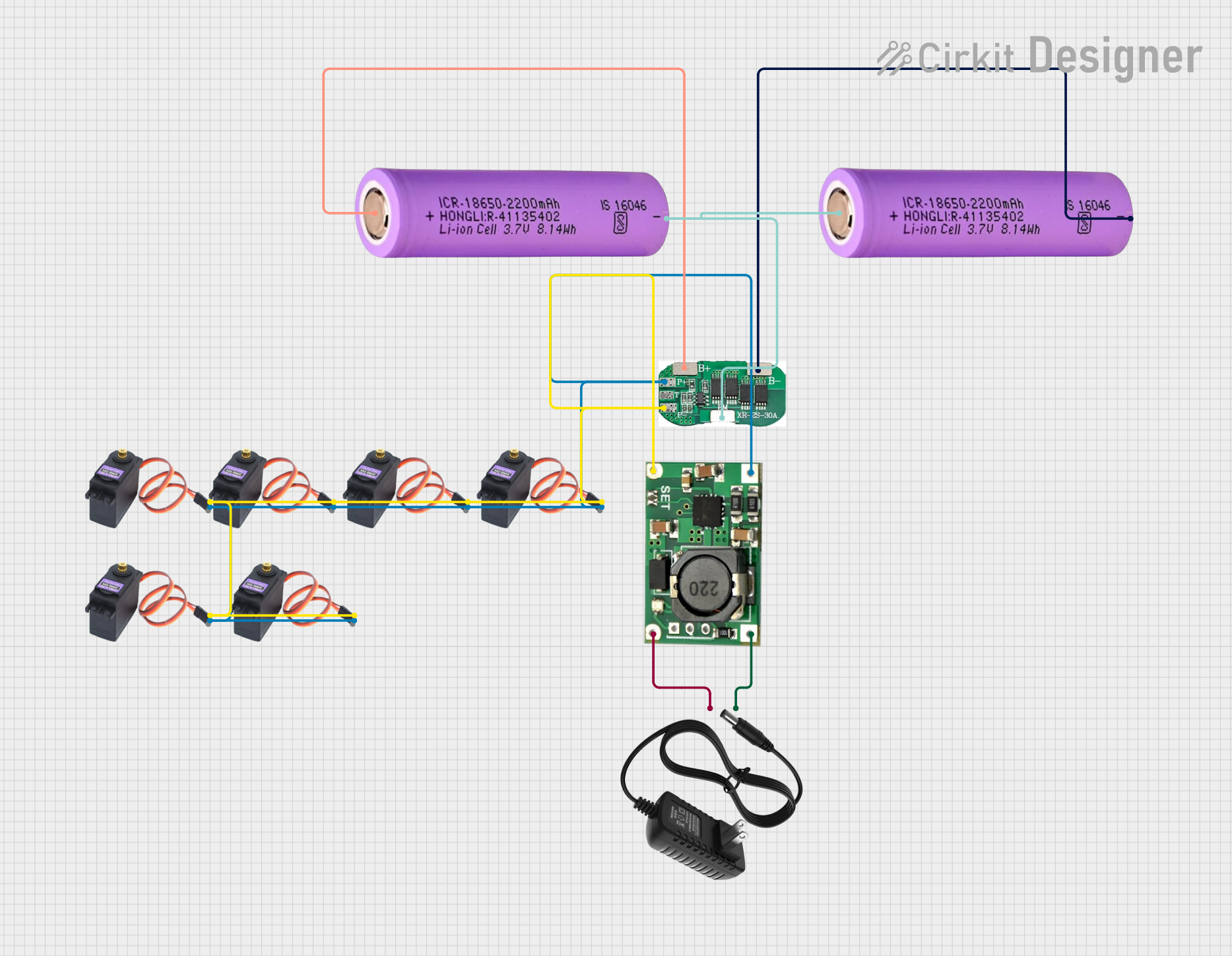 Open Project in Cirkit Designer
Explore Projects Built with Hoymiles HMS-700-2T
Open Project in Cirkit DesignerOpen Project in Cirkit DesignerOpen Project in Cirkit DesignerOpen Project in Cirkit DesignerCommon Applications and Use Cases
- Residential solar energy systems
- Commercial solar panel installations
- Grid-tied solar energy systems
- Systems requiring module-level monitoring and optimization
- Environments with partial shading or complex roof layouts
Technical Specifications
Key Technical Details
| Parameter | Specification |
|---|---|
| Manufacturer | Bourgeois |
| Model | HMS-700-2T |
| Input Voltage Range (DC) | 16V - 60V |
| Maximum Input Power (DC) | 700W |
| Output Voltage (AC) | 230V ± 10% |
| Maximum Output Current (AC) | 3.04A |
| Efficiency | Up to 96.7% |
| Communication Protocol | 2.4 GHz Wireless |
| Operating Temperature Range | -40°C to +65°C |
| Dimensions | 250mm x 170mm x 28mm |
| Weight | 2.5 kg |
| Protection Rating | IP67 (dustproof and waterproof) |
Pin Configuration and Descriptions
The Hoymiles HMS-700-2T does not have traditional pins like ICs or microcontrollers. Instead, it features the following key connections:
| Connection Point | Description |
|---|---|
| DC Input (PV1, PV2) | Connects to the positive and negative terminals of the solar panel. |
| AC Output | Connects to the household or grid AC system. |
| Ground | Provides grounding for safety and compliance. |
| Communication Port | Enables wireless communication for monitoring and control. |
Usage Instructions
How to Use the Component in a Circuit
- Mounting the Microinverter: Securely mount the HMS-700-2T to the solar panel racking system using the provided hardware. Ensure proper ventilation and avoid direct exposure to water.
- Connecting the Solar Panels:
- Connect the positive and negative terminals of the solar panel to the DC input ports (PV1 and PV2) of the microinverter.
- Ensure the voltage and power output of the solar panel are within the specified input range of the microinverter.
- Connecting to the AC System:
- Use the AC output cable to connect the microinverter to the household or grid AC system.
- Follow local electrical codes and regulations for wiring and grounding.
- Grounding: Properly ground the microinverter using the designated ground connection point to ensure safety.
- Monitoring Setup:
- Pair the microinverter with the Hoymiles monitoring system via the 2.4 GHz wireless communication protocol.
- Use the Hoymiles mobile app or web portal to monitor system performance and energy production.
Important Considerations and Best Practices
- Compatibility: Ensure the solar panel's voltage and power output match the microinverter's input specifications.
- Shading: Minimize shading on the solar panels to maximize energy production.
- Ventilation: Install the microinverter in a well-ventilated area to prevent overheating.
- Safety: Always disconnect the AC and DC power sources before performing maintenance or installation.
- Firmware Updates: Regularly check for firmware updates to ensure optimal performance and compatibility.
Troubleshooting and FAQs
Common Issues and Solutions
| Issue | Possible Cause | Solution |
|---|---|---|
| No power output | Incorrect wiring or loose connections | Verify all connections and wiring. |
| Low energy production | Shading or dirty solar panels | Clean panels and check for shading. |
| Communication failure | Weak wireless signal | Ensure the monitoring device is within range. |
| Overheating | Poor ventilation or high ambient temperature | Improve ventilation or relocate the microinverter. |
| Error codes on monitoring app | Firmware or hardware issue | Refer to the user manual or contact support. |
FAQs
Can the HMS-700-2T be used with any solar panel?
- The microinverter is compatible with most solar panels, provided their voltage and power output fall within the specified input range.
Is the HMS-700-2T suitable for off-grid systems?
- No, the HMS-700-2T is designed for grid-tied systems and requires a connection to the electrical grid.
How can I monitor the performance of the microinverter?
- Use the Hoymiles mobile app or web portal to monitor energy production, system status, and performance metrics.
What should I do if the microinverter stops working?
- Check all connections, ensure proper grounding, and verify that the solar panel and grid are functioning correctly. If the issue persists, contact Hoymiles support.
By following this documentation, users can effectively install, operate, and troubleshoot the Hoymiles HMS-700-2T microinverter for optimal solar energy conversion and system performance.