
How to Use 12V DC Power Source: Examples, Pinouts, and Specs
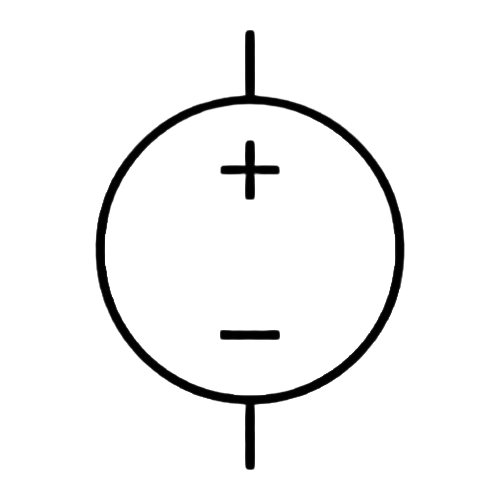
 Design with 12V DC Power Source in Cirkit Designer
Introduction
The 12V DC Power Source (Manufacturer: JJY, Part ID: DC_Power) is a device designed to provide a stable 12-volt direct current (DC) output. It is commonly used to power a wide range of electronic circuits and devices, including microcontrollers, sensors, motors, and LED strips. This power source ensures reliable and consistent voltage, making it an essential component in both hobbyist and professional electronic projects.
Explore Projects Built with 12V DC Power Source
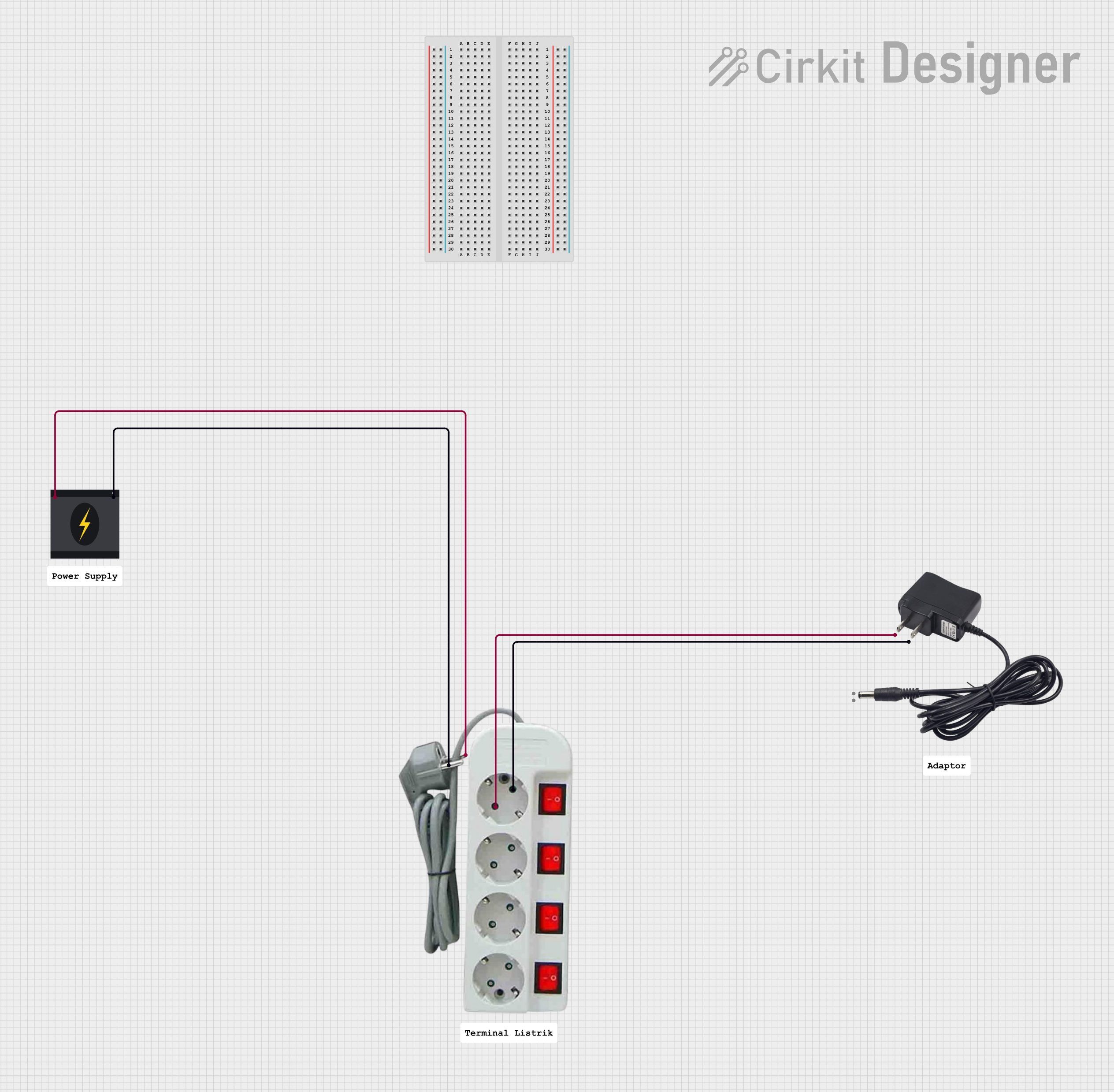 Open Project in Cirkit Designer
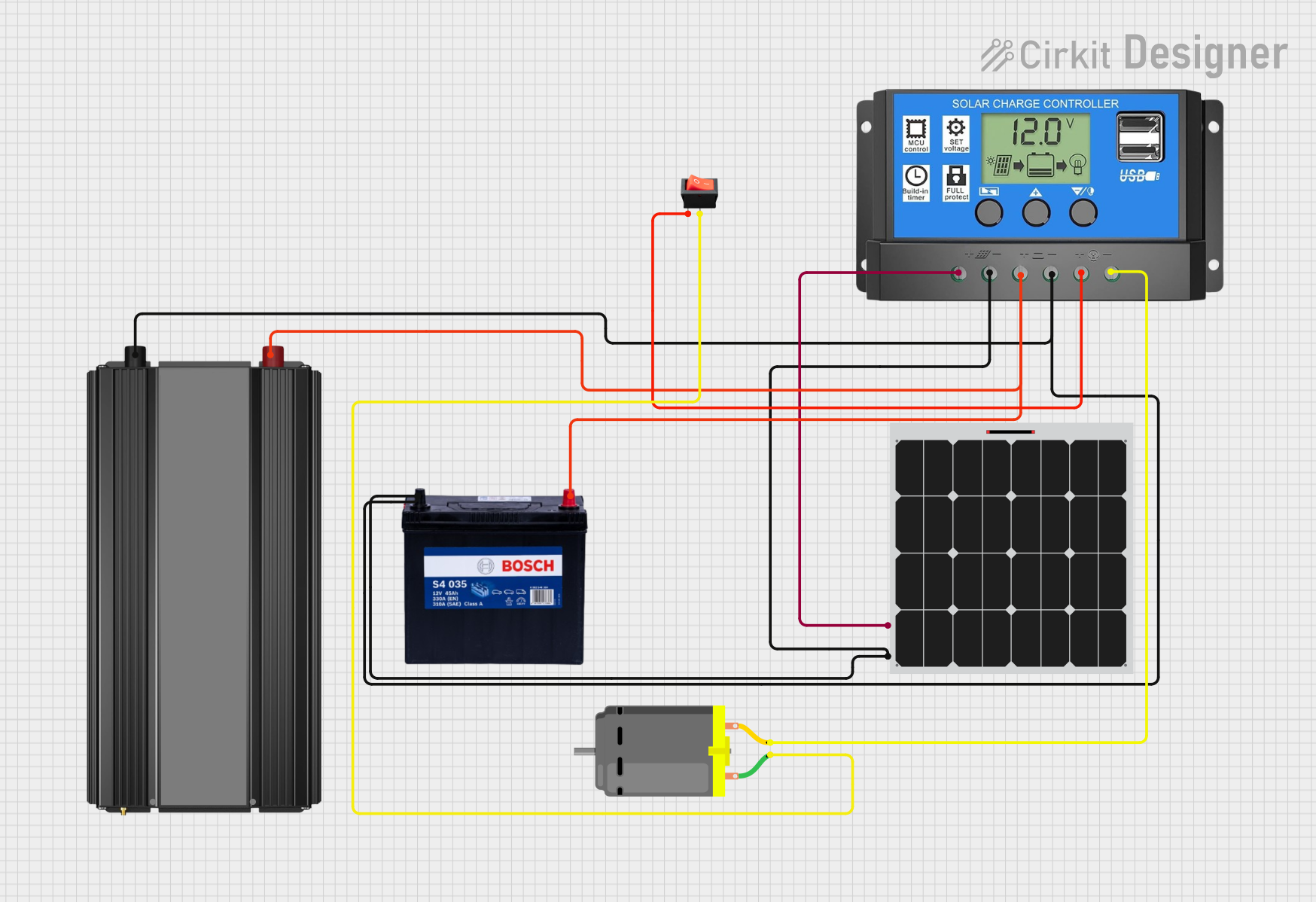 Open Project in Cirkit Designer
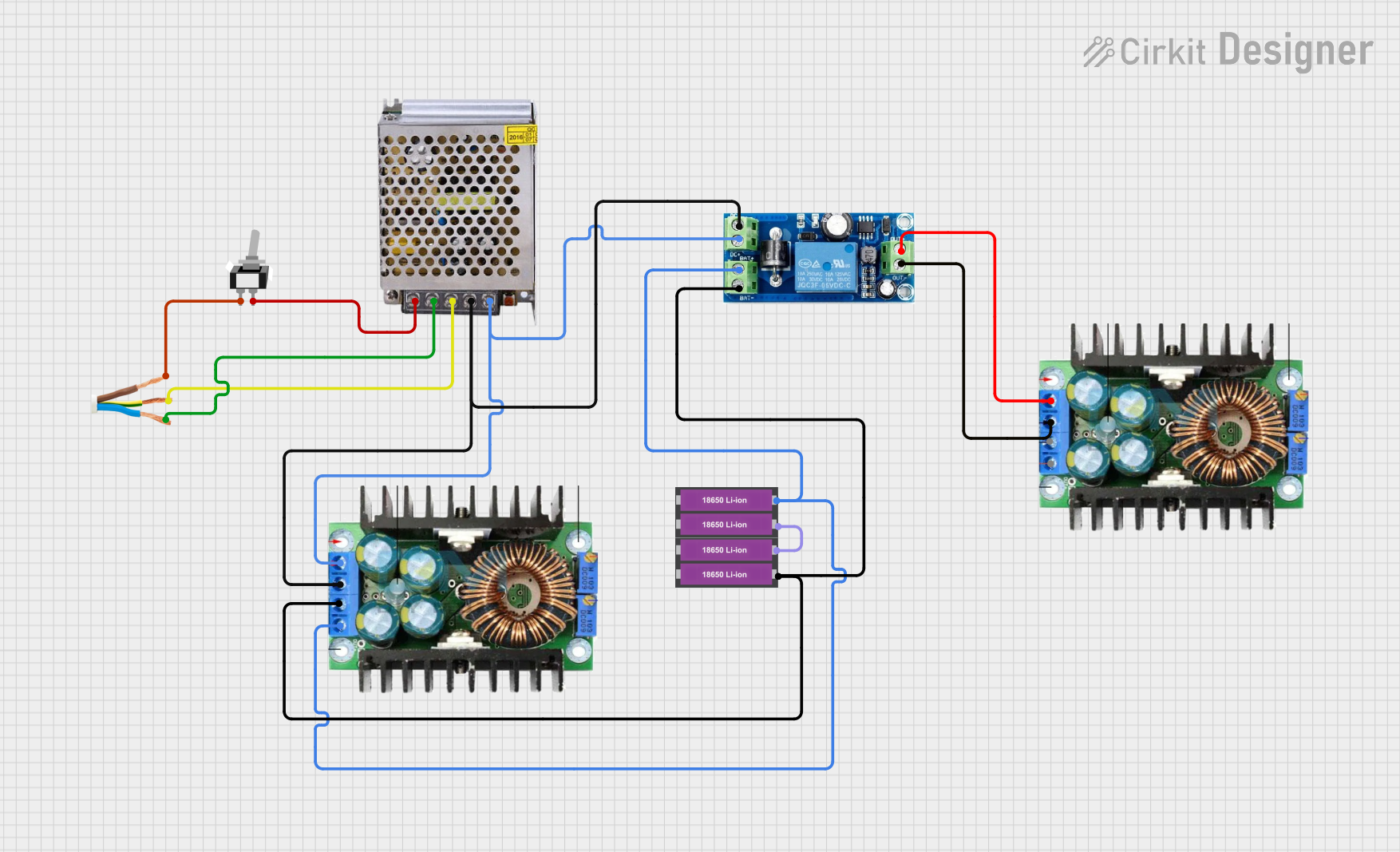 Open Project in Cirkit Designer
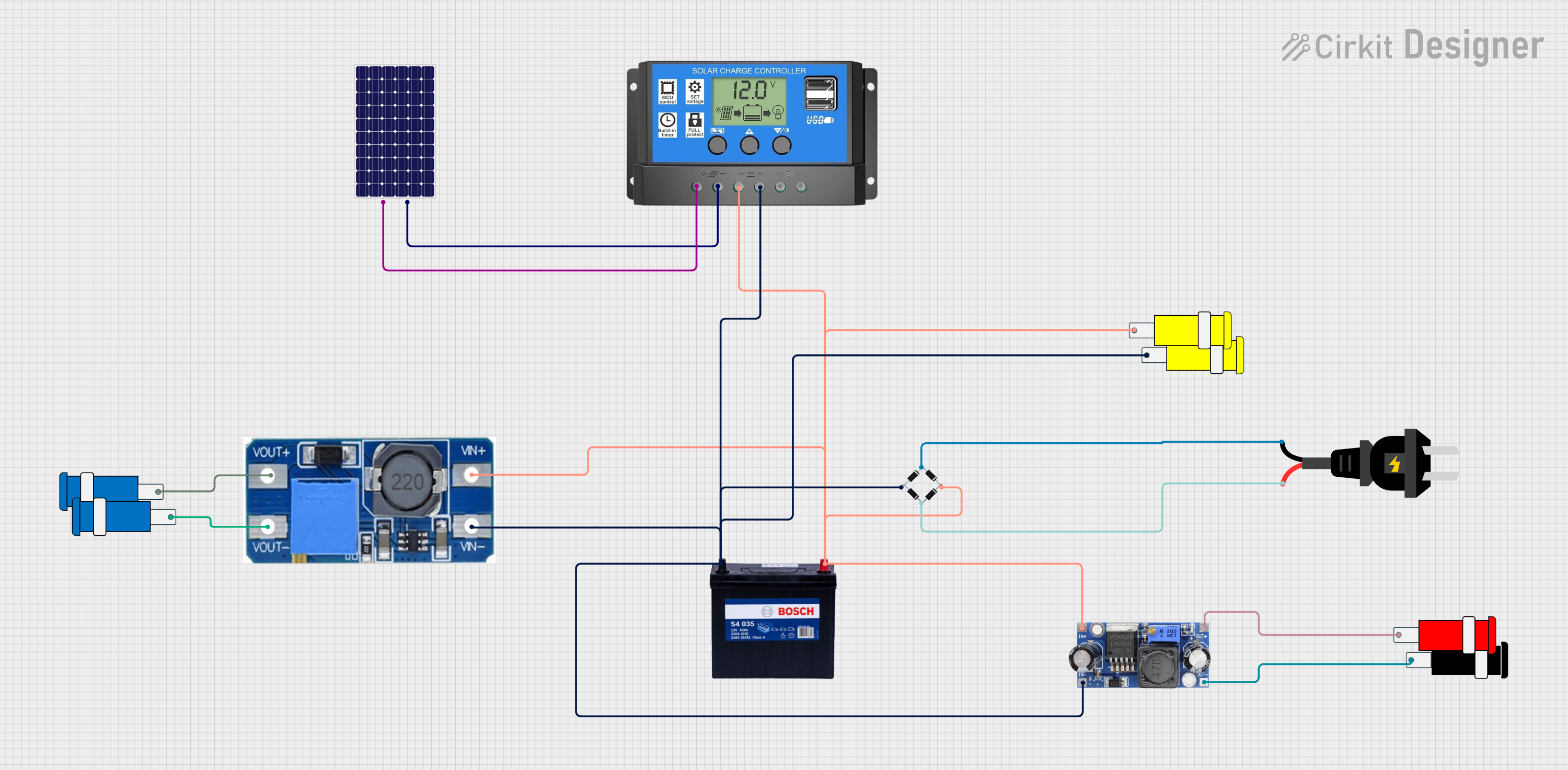 Open Project in Cirkit Designer
Explore Projects Built with 12V DC Power Source
Open Project in Cirkit DesignerOpen Project in Cirkit DesignerOpen Project in Cirkit DesignerOpen Project in Cirkit DesignerCommon Applications and Use Cases
- Powering microcontroller boards (e.g., Arduino, Raspberry Pi with proper regulation)
- Driving DC motors and actuators
- Supplying power to LED strips and lighting systems
- Charging 12V batteries
- Providing power to audio amplifiers and other low-power devices
Technical Specifications
The following table outlines the key technical details of the JJY 12V DC Power Source:
| Parameter | Value |
|---|---|
| Output Voltage | 12V DC ± 5% |
| Output Current | Up to 2A |
| Input Voltage | 100-240V AC, 50/60Hz |
| Power Rating | 24W |
| Connector Type | Barrel Jack (5.5mm outer, 2.1mm inner) |
| Polarity | Center positive |
| Operating Temperature | -10°C to 50°C |
| Dimensions | 85mm x 45mm x 30mm |
| Weight | 150g |
Pin Configuration and Descriptions
The 12V DC Power Source typically uses a barrel jack connector. Below is the pin configuration:
| Pin | Description |
|---|---|
| Center Pin | Positive terminal (+12V) |
| Outer Sleeve | Negative terminal (Ground, GND) |
Usage Instructions
How to Use the Component in a Circuit
- Connect the Power Source: Plug the barrel jack connector into the corresponding socket of your device or circuit. Ensure the socket matches the 5.5mm outer diameter and 2.1mm inner diameter of the connector.
- Verify Polarity: Confirm that the device or circuit is designed for a center-positive power source. Reversing polarity may damage the connected components.
- Check Current Requirements: Ensure the total current draw of your circuit does not exceed 2A. Exceeding this limit may cause the power source to overheat or shut down.
- Power On: Once all connections are secure, plug the power source into an AC outlet and switch it on (if applicable).
Important Considerations and Best Practices
- Voltage Regulation: If your circuit requires a voltage lower than 12V, use a voltage regulator (e.g., LM7805 for 5V) to step down the voltage.
- Heat Dissipation: Avoid enclosing the power source in a confined space without ventilation, as it may overheat during prolonged use.
- Short Circuit Protection: Ensure your circuit design includes protection against short circuits to prevent damage to the power source.
- Arduino UNO Example: The 12V DC Power Source can be connected to the Arduino UNO via the barrel jack. The Arduino's onboard voltage regulator will step down the voltage to 5V for internal use.
Example Code for Arduino UNO
Below is an example of using the 12V DC Power Source with an Arduino UNO to control an LED:
// This example demonstrates how to control an LED using an Arduino UNO
// powered by a 12V DC Power Source.

// Define the pin connected to the LED
const int ledPin = 13;

void setup() {
  // Set the LED pin as an output
  pinMode(ledPin, OUTPUT);
}

void loop() {
  // Turn the LED on
  digitalWrite(ledPin, HIGH);
  delay(1000); // Wait for 1 second

  // Turn the LED off
  digitalWrite(ledPin, LOW);
  delay(1000); // Wait for 1 second
}
Notes:
- The Arduino UNO can safely handle a 12V input via its barrel jack, as it has an onboard voltage regulator.
- Ensure the total current draw of connected components does not exceed the power source's 2A limit.
Troubleshooting and FAQs
Common Issues Users Might Face
No Output Voltage:
- Cause: The power source is not properly connected to the AC outlet.
- Solution: Verify that the AC plug is securely connected and the outlet is functional.
Device Not Powering On:
- Cause: Incorrect polarity or incompatible connector.
- Solution: Check the polarity of the barrel jack and ensure it matches the device's requirements.
Overheating:
- Cause: Excessive current draw or poor ventilation.
- Solution: Reduce the load on the power source and ensure adequate airflow around the device.
Intermittent Power Loss:
- Cause: Loose connections or damaged cable.
- Solution: Inspect the barrel jack and cable for damage, and ensure all connections are secure.
Solutions and Tips for Troubleshooting
- Use a multimeter to measure the output voltage and confirm it is within the specified range (12V ± 5%).
- If the power source shuts down, disconnect it from the load and allow it to cool before reconnecting.
- Avoid using the power source with devices that require more than 2A of current.
By following these guidelines and best practices, the JJY 12V DC Power Source can provide reliable and efficient power for your electronic projects.