Cirkit Designer Logo
Cirkit Designer
Your all-in-one circuit design IDE
Home / 
Component Documentation

How to Use MTF-02p: Examples, Pinouts, and Specs
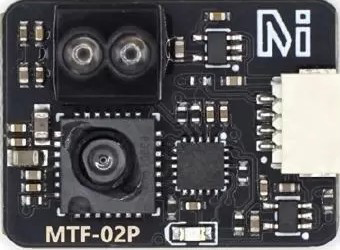

Image of MTF-02p
Cirkit Designer LogoDesign with MTF-02p in Cirkit Designer

Introduction

The MTF-02p, manufactured by MicoAir, is a high-precision multi-turn potentiometer designed for applications requiring fine-tuning of resistance values. Unlike standard potentiometers, the MTF-02p allows for multiple rotations of the adjustment knob, enabling precise control over resistance. This makes it ideal for use in calibration circuits, sensor adjustments, and other applications where accuracy is critical.

Explore Projects Built with MTF-02p
Use Cirkit Designer to design, explore, and prototype these projects online. Some projects support real-time simulation. Click "Open Project" to start designing instantly!
Satellite-Based Timing and Navigation System with SDR and Atomic Clock Synchronization
Image of GPS 시스템 측정 구성도_Confirm: A project utilizing MTF-02p in a practical application
This circuit appears to be a complex system involving power supply management, GPS and timing synchronization, and data communication. It includes a SI-TEX G1 Satellite Compass for GPS data, an XHTF1021 Atomic Rubidium Clock for precise timing, and Ettus USRP B200 units for software-defined radio communication. Power is supplied through various SMPS units and distributed via terminal blocks and DC jacks. Data communication is facilitated by Beelink MINI S12 N95 computers, RS232 splitters, and a 1000BASE-T Media Converter for network connectivity. RF Directional Couplers are used to interface antennas with the USRP units, and the entire system is likely contained within cases for protection and organization.
Cirkit Designer LogoOpen Project in Cirkit Designer
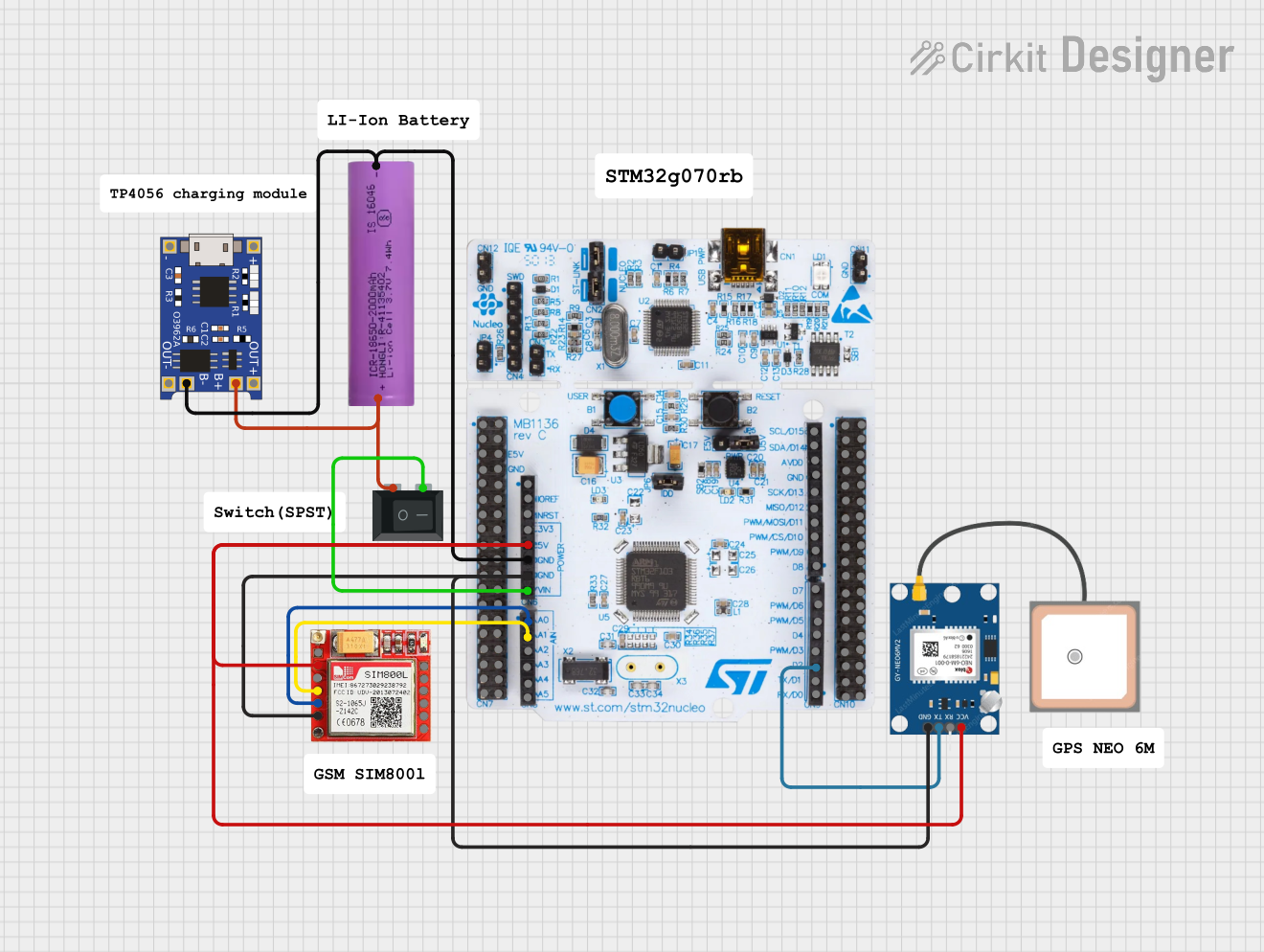
Battery-Powered Emergency Alert System with NUCLEO-F072RB, SIM800L, and GPS NEO 6M
Image of women safety: A project utilizing MTF-02p in a practical application
This circuit is an emergency alert system that uses a NUCLEO-F072RB microcontroller to send SMS alerts and make calls via a SIM800L GSM module, while obtaining location data from a GPS NEO 6M module. The system is powered by a Li-ion battery and includes a TP4056 module for battery charging and protection, with a rocker switch to control power to the microcontroller.
Cirkit Designer LogoOpen Project in Cirkit Designer
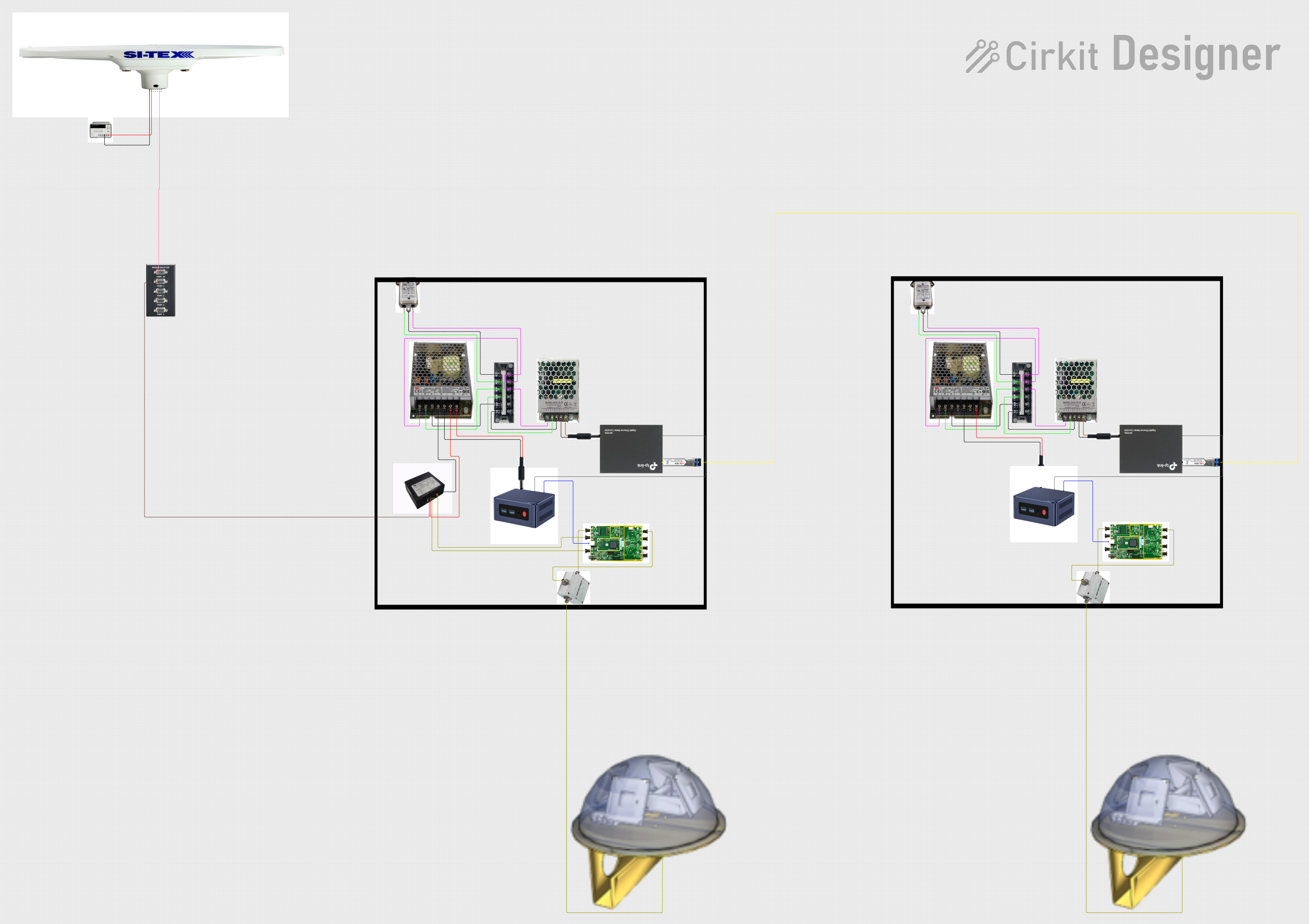
Satellite Compass and Network-Integrated GPS Data Processing System
Image of GPS 시스템 측정 구성도_241016: A project utilizing MTF-02p in a practical application
This circuit comprises a satellite compass, a mini PC, two GPS antennas, power supplies, a network switch, media converters, and an atomic rubidium clock. The satellite compass is powered by a triple output DC power supply and interfaces with an RS232 splitter for 1PPS signals. The mini PCs are connected to the USRP B200 devices via USB for data and power, and to media converters via Ethernet, which in turn connect to a network switch using fiber optic links. The antennas are connected to the USRP B200s through RF directional couplers, and the atomic clock provides a 1PPS input to the RS232 splitter.
Cirkit Designer LogoOpen Project in Cirkit Designer
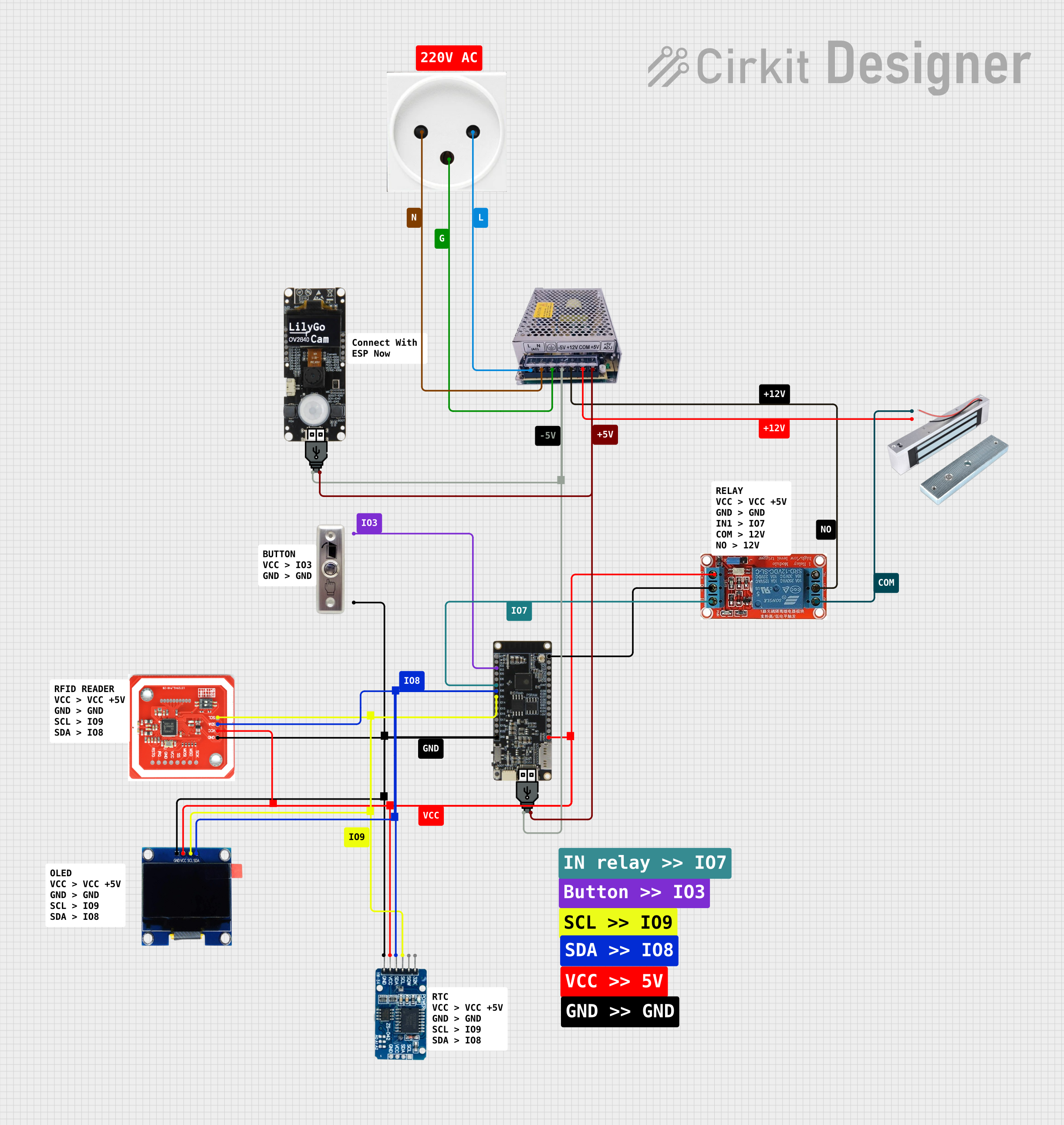
NFC-Enabled Access Control System with Time Logging
Image of doorlock: A project utilizing MTF-02p in a practical application
This circuit is designed for access control with time tracking capabilities. It features an NFC/RFID reader for authentication, an RTC module (DS3231) for real-time clock functionality, and an OLED display for user interaction. A 12V relay controls a magnetic lock, which is activated upon successful NFC/RFID authentication, and a button switch is likely used for manual operation or input. The T8_S3 microcontroller serves as the central processing unit, interfacing with the NFC/RFID reader, RTC, OLED, and relay to manage the access control logic.
Cirkit Designer LogoOpen Project in Cirkit Designer

Explore Projects Built with MTF-02p

Use Cirkit Designer to design, explore, and prototype these projects online. Some projects support real-time simulation. Click "Open Project" to start designing instantly!
Image of GPS 시스템 측정 구성도_Confirm: A project utilizing MTF-02p in a practical application
Satellite-Based Timing and Navigation System with SDR and Atomic Clock Synchronization
This circuit appears to be a complex system involving power supply management, GPS and timing synchronization, and data communication. It includes a SI-TEX G1 Satellite Compass for GPS data, an XHTF1021 Atomic Rubidium Clock for precise timing, and Ettus USRP B200 units for software-defined radio communication. Power is supplied through various SMPS units and distributed via terminal blocks and DC jacks. Data communication is facilitated by Beelink MINI S12 N95 computers, RS232 splitters, and a 1000BASE-T Media Converter for network connectivity. RF Directional Couplers are used to interface antennas with the USRP units, and the entire system is likely contained within cases for protection and organization.
Cirkit Designer LogoOpen Project in Cirkit Designer
Image of women safety: A project utilizing MTF-02p in a practical application
Battery-Powered Emergency Alert System with NUCLEO-F072RB, SIM800L, and GPS NEO 6M
This circuit is an emergency alert system that uses a NUCLEO-F072RB microcontroller to send SMS alerts and make calls via a SIM800L GSM module, while obtaining location data from a GPS NEO 6M module. The system is powered by a Li-ion battery and includes a TP4056 module for battery charging and protection, with a rocker switch to control power to the microcontroller.
Cirkit Designer LogoOpen Project in Cirkit Designer
Image of GPS 시스템 측정 구성도_241016: A project utilizing MTF-02p in a practical application
Satellite Compass and Network-Integrated GPS Data Processing System
This circuit comprises a satellite compass, a mini PC, two GPS antennas, power supplies, a network switch, media converters, and an atomic rubidium clock. The satellite compass is powered by a triple output DC power supply and interfaces with an RS232 splitter for 1PPS signals. The mini PCs are connected to the USRP B200 devices via USB for data and power, and to media converters via Ethernet, which in turn connect to a network switch using fiber optic links. The antennas are connected to the USRP B200s through RF directional couplers, and the atomic clock provides a 1PPS input to the RS232 splitter.
Cirkit Designer LogoOpen Project in Cirkit Designer
Image of doorlock: A project utilizing MTF-02p in a practical application
NFC-Enabled Access Control System with Time Logging
This circuit is designed for access control with time tracking capabilities. It features an NFC/RFID reader for authentication, an RTC module (DS3231) for real-time clock functionality, and an OLED display for user interaction. A 12V relay controls a magnetic lock, which is activated upon successful NFC/RFID authentication, and a button switch is likely used for manual operation or input. The T8_S3 microcontroller serves as the central processing unit, interfacing with the NFC/RFID reader, RTC, OLED, and relay to manage the access control logic.
Cirkit Designer LogoOpen Project in Cirkit Designer

Common Applications

  • Calibration of measurement instruments
  • Fine-tuning of sensor outputs
  • Voltage divider circuits
  • Adjustable gain control in amplifiers
  • Precision control in industrial and laboratory equipment

Technical Specifications

Key Technical Details

Parameter Value
Resistance Range 1 kΩ, 10 kΩ, 100 kΩ (variants)
Tolerance ±5%
Maximum Voltage 250 V DC
Power Rating 0.5 W
Rotational Life 200,000 cycles
Operating Temperature -40°C to +85°C
Adjustment Turns 10 full turns
Shaft Type Slotted, 3 mm diameter
Mounting Style Through-hole

Pin Configuration and Descriptions

The MTF-02p has three pins, as described in the table below:

Pin Number Name Description
1 Terminal 1 One end of the resistive element
2 Wiper Adjustable contact that moves along the resistive element
3 Terminal 2 The other end of the resistive element

Usage Instructions

How to Use the MTF-02p in a Circuit

  1. Determine the Resistance Range: Choose the appropriate MTF-02p variant (1 kΩ, 10 kΩ, or 100 kΩ) based on your circuit requirements.
  2. Connect the Pins:
    • Connect Terminal 1 and Terminal 2 across the circuit where the resistance is needed.
    • Connect the Wiper (Pin 2) to the point where the adjustable resistance is required.
  3. Adjust the Resistance:
    • Use a small screwdriver to rotate the slotted shaft.
    • Turning clockwise increases the resistance between the wiper and Terminal 1, while decreasing the resistance between the wiper and Terminal 2.
  4. Secure the Potentiometer:
    • Mount the MTF-02p securely on the PCB using its through-hole pins.
    • Ensure the shaft is accessible for adjustments.

Important Considerations

  • Power Rating: Do not exceed the 0.5 W power rating to avoid damaging the potentiometer.
  • Voltage Limits: Ensure the applied voltage does not exceed 250 V DC.
  • Mechanical Stress: Avoid applying excessive force to the shaft to maintain the potentiometer's longevity.
  • Debouncing: If used in digital circuits, consider adding a capacitor to reduce noise caused by wiper movement.

Example: Using the MTF-02p with an Arduino UNO

The MTF-02p can be used as a variable resistor to control an analog input on an Arduino UNO. Below is an example circuit and code:

Circuit Setup

  1. Connect Terminal 1 to the 5V pin on the Arduino.
  2. Connect Terminal 2 to the GND pin on the Arduino.
  3. Connect the Wiper (Pin 2) to an analog input pin (e.g., A0) on the Arduino.

Arduino Code

// MTF-02p Example: Reading resistance value using Arduino UNO
const int potPin = A0; // Connect the wiper (Pin 2) of MTF-02p to A0

void setup() {
  Serial.begin(9600); // Initialize serial communication at 9600 baud
}

void loop() {
  int potValue = analogRead(potPin); // Read the analog value from the potentiometer
  float voltage = potValue * (5.0 / 1023.0); // Convert to voltage (0-5V range)
  
  // Print the resistance value to the Serial Monitor
  Serial.print("Analog Value: ");
  Serial.print(potValue);
  Serial.print(" | Voltage: ");
  Serial.print(voltage);
  Serial.println(" V");
  
  delay(500); // Wait for 500ms before the next reading
}

Notes

  • The analog value ranges from 0 to 1023, corresponding to 0V to 5V.
  • Use the serial monitor to observe the changes in resistance as you adjust the potentiometer.

Troubleshooting and FAQs

Common Issues

  1. No Change in Resistance:
    • Ensure the potentiometer is properly connected to the circuit.
    • Verify that the wiper pin (Pin 2) is connected to the correct point in the circuit.
  2. Intermittent Behavior:
    • Check for loose connections or solder joints.
    • Inspect the potentiometer for physical damage or dirt on the resistive element.
  3. Overheating:
    • Ensure the power dissipation does not exceed 0.5 W.
    • Verify that the applied voltage is within the specified range.

FAQs

Q: Can the MTF-02p be used for high-frequency applications?
A: The MTF-02p is primarily designed for DC and low-frequency applications. For high-frequency circuits, consider using a specialized trimmer capacitor or resistor.

Q: How do I clean the potentiometer if it becomes noisy?
A: Use a contact cleaner spray designed for electronics. Apply it sparingly to the shaft and rotate the potentiometer several times to distribute the cleaner.

Q: Can I use the MTF-02p for motor speed control?
A: Yes, but ensure the potentiometer is used to control a low-power signal, such as the input to a motor driver circuit, rather than directly handling motor current.

Q: What is the lifespan of the MTF-02p?
A: The MTF-02p has a rotational life of approximately 200,000 cycles, making it suitable for long-term use in precision applications.