
How to Use LRS2092s: Examples, Pinouts, and Specs
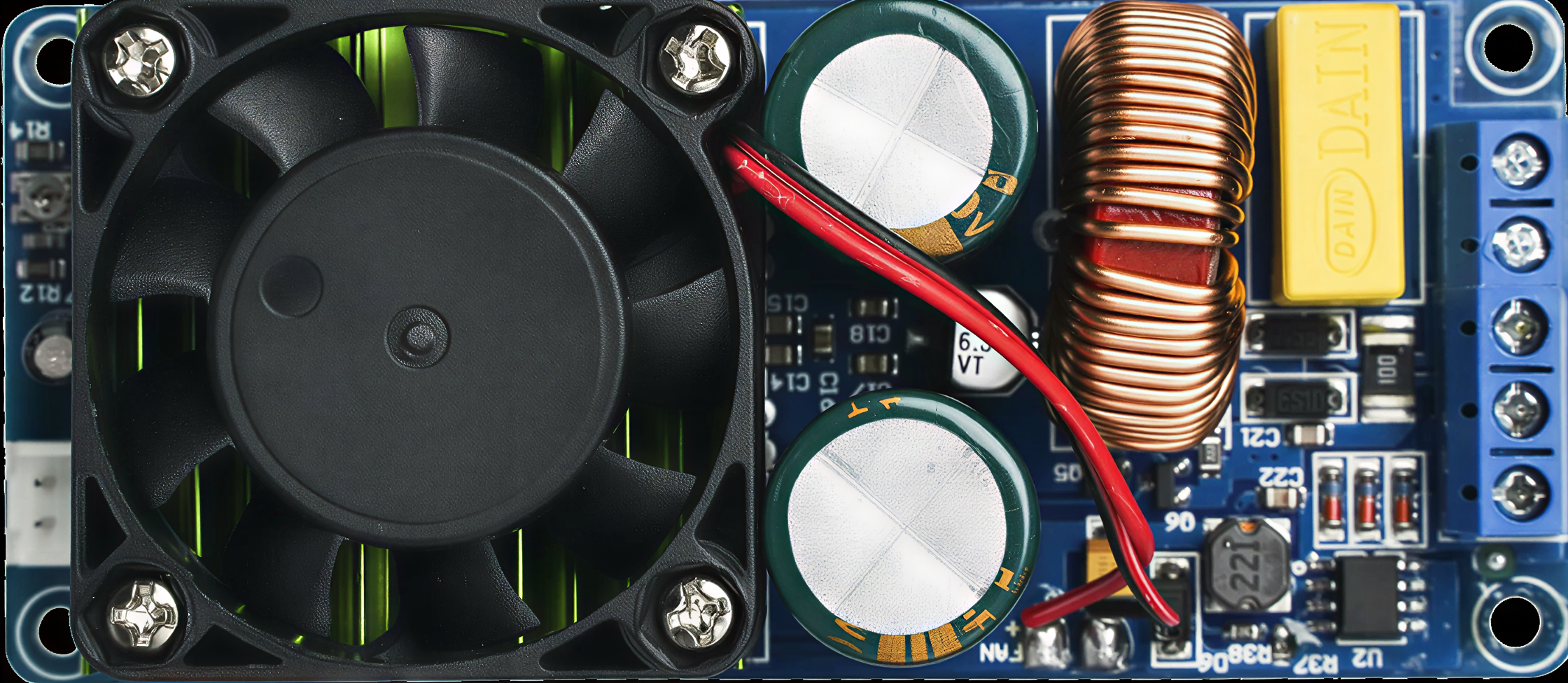
 Design with LRS2092s in Cirkit Designer
Introduction
The LRS2092s is a low-profile, high-efficiency switching power supply designed for a wide range of electronic applications. It delivers a stable output voltage and current, making it ideal for powering devices in industrial, telecommunications, and consumer electronics. Its compact design and high efficiency make it a reliable choice for systems requiring consistent power delivery in a small form factor.
Explore Projects Built with LRS2092s
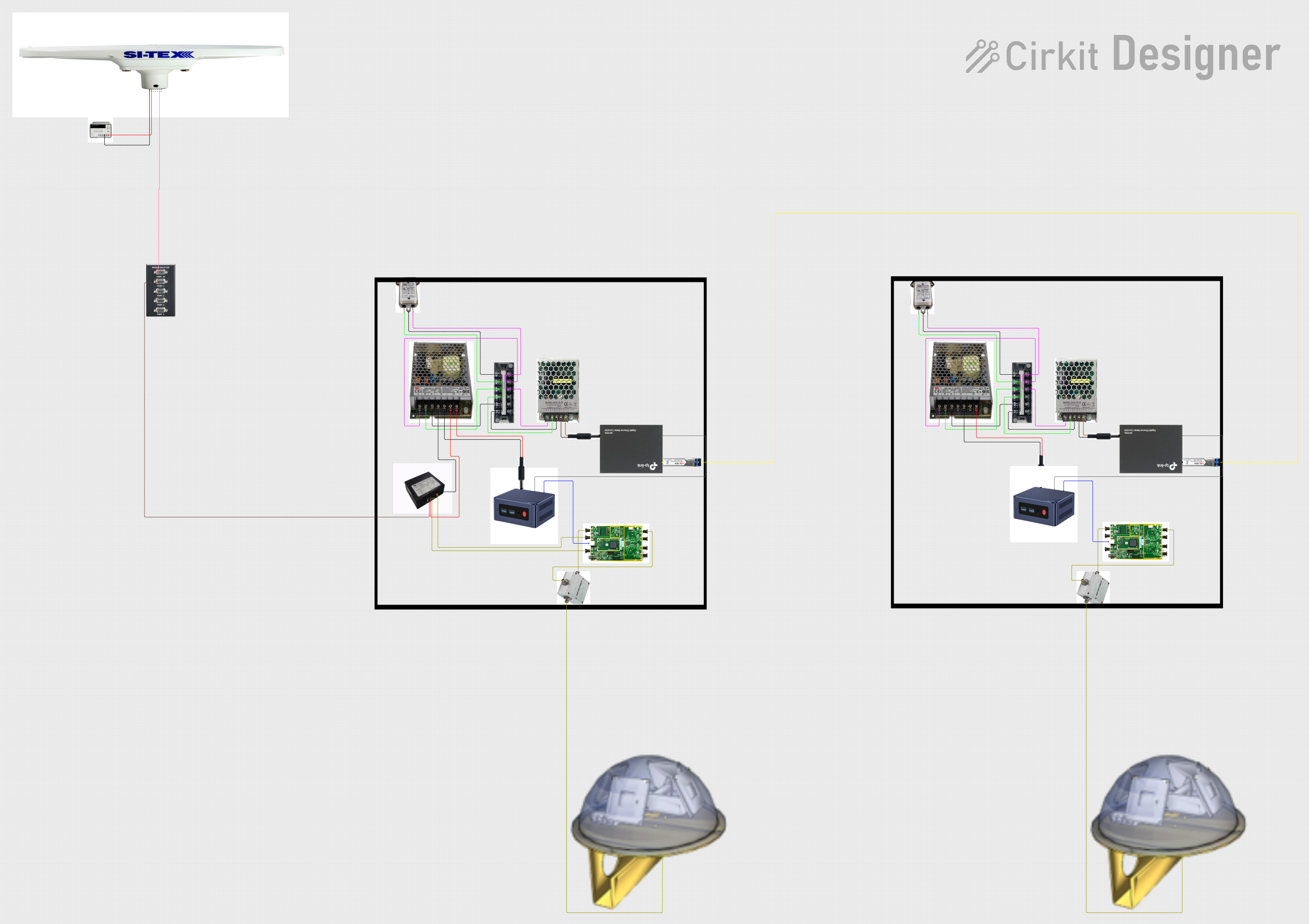 Open Project in Cirkit Designer
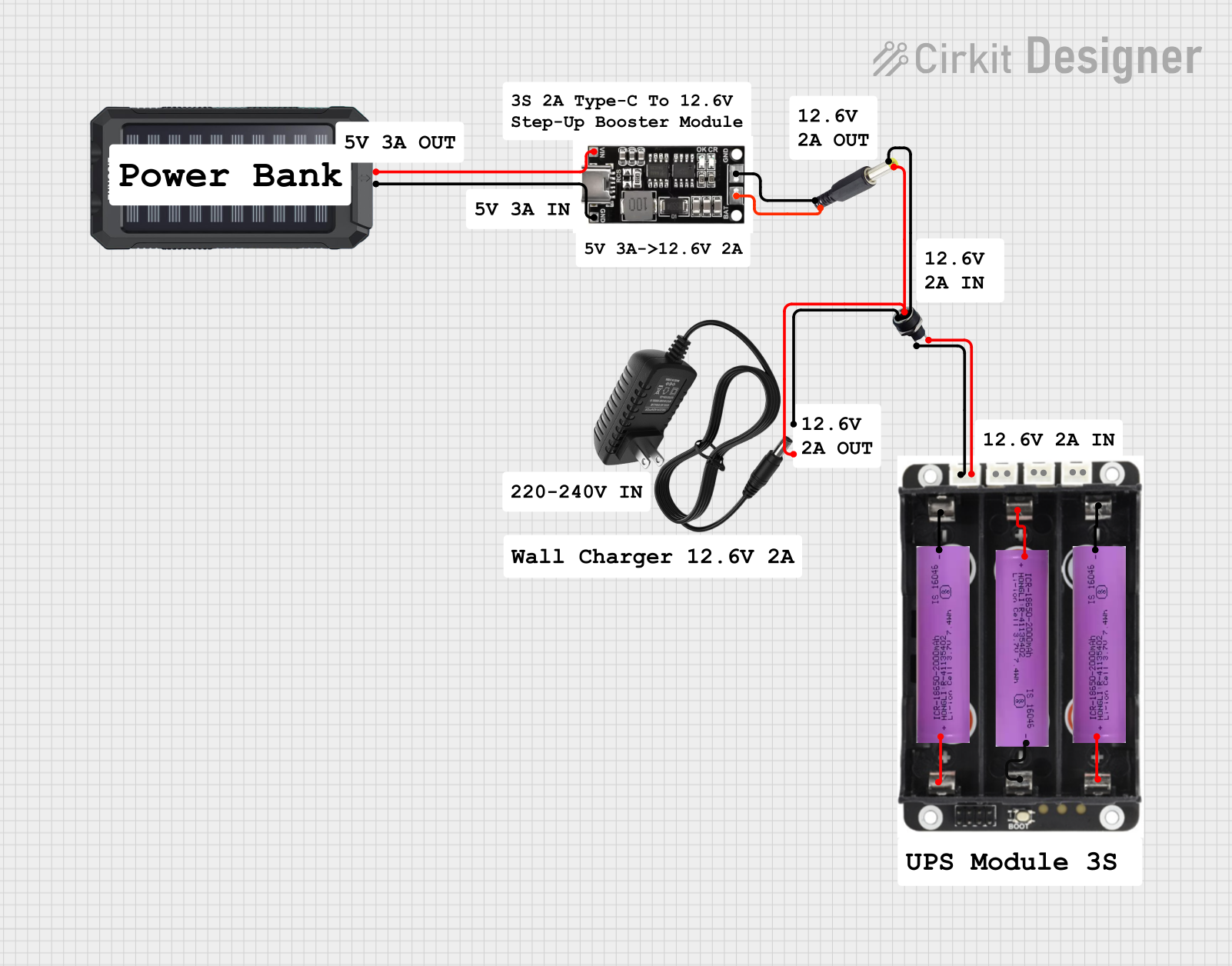 Open Project in Cirkit Designer
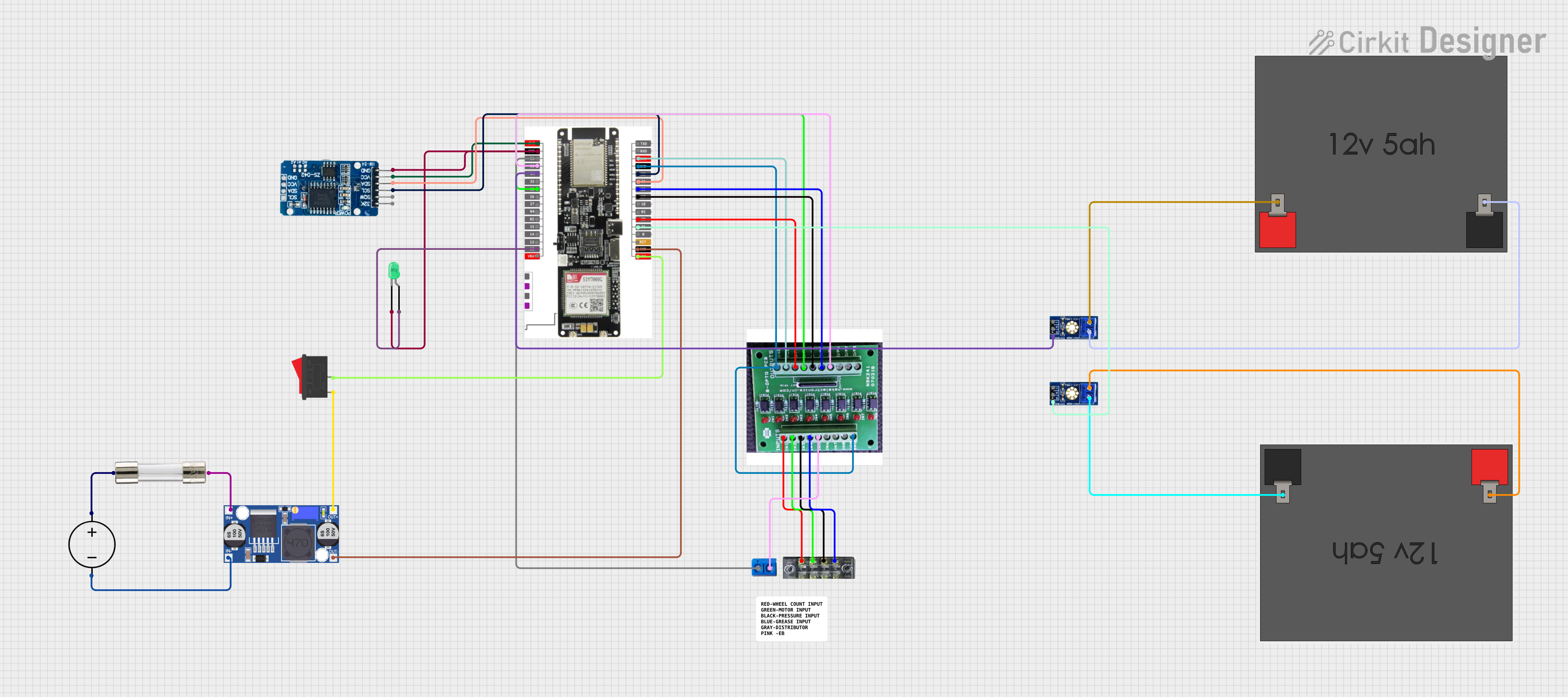 Open Project in Cirkit Designer
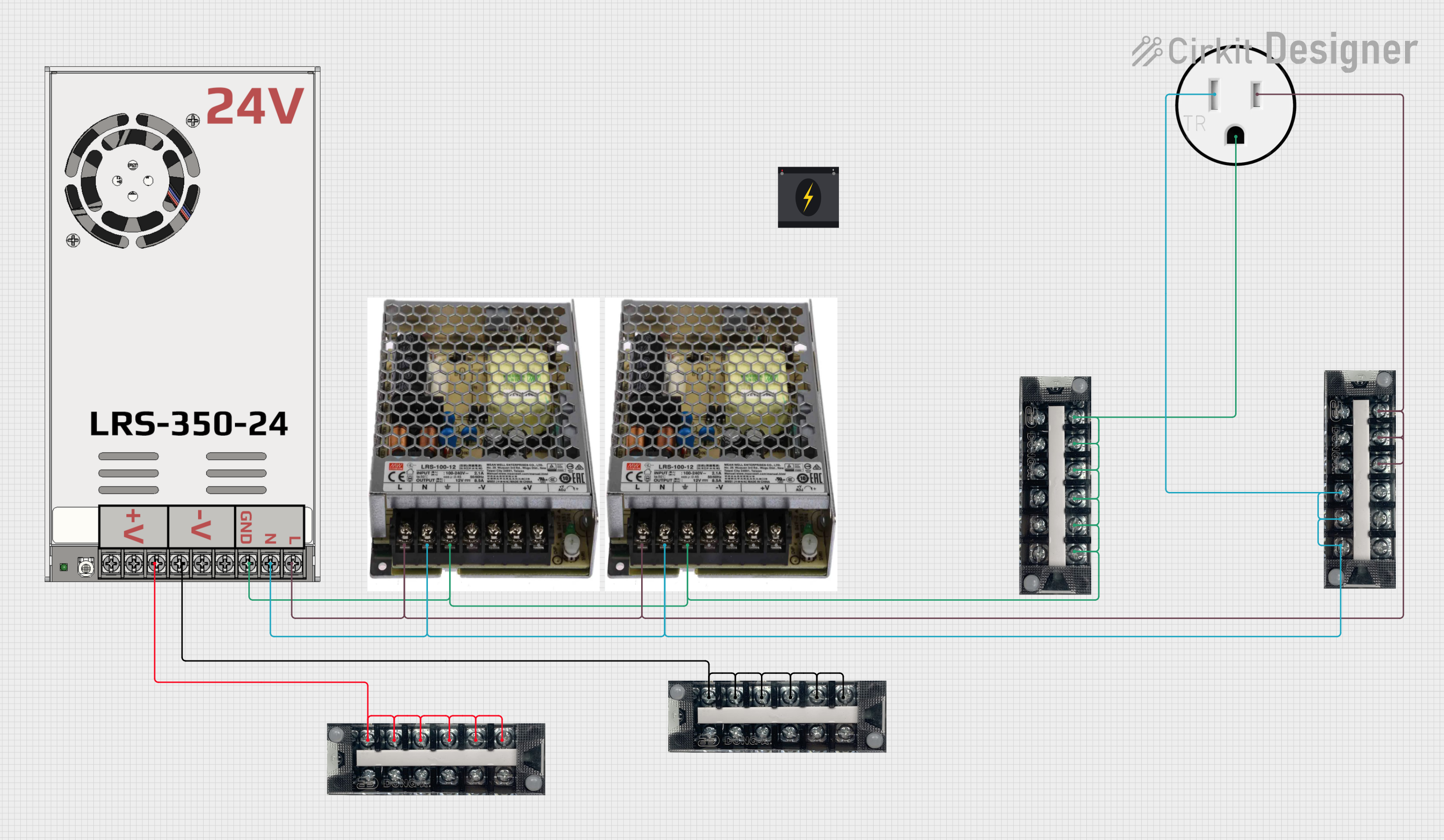 Open Project in Cirkit Designer
Explore Projects Built with LRS2092s
Open Project in Cirkit DesignerOpen Project in Cirkit DesignerOpen Project in Cirkit DesignerOpen Project in Cirkit DesignerCommon Applications
- Industrial automation systems
- Telecommunications equipment
- Consumer electronics
- LED lighting systems
- Embedded systems and microcontroller-based projects
Technical Specifications
Key Technical Details
| Parameter | Value |
|---|---|
| Input Voltage Range | 85-264 VAC / 120-370 VDC |
| Output Voltage Options | 5V, 12V, 24V, 48V (varies by model) |
| Output Current | Up to 10A (depending on model) |
| Efficiency | Up to 91% |
| Operating Temperature | -30°C to +70°C |
| Dimensions | 159mm x 97mm x 30mm |
| Weight | ~0.5 kg |
| Protection Features | Overload, overvoltage, short circuit |
Pin Configuration and Descriptions
The LRS2092s features screw terminal connections for input and output. Below is the pin configuration:
Input Terminals
| Pin Name | Description |
|---|---|
| L | Live AC input |
| N | Neutral AC input |
| FG | Frame ground (Earth connection) |
Output Terminals
| Pin Name | Description |
|---|---|
| V+ | Positive DC output |
| V- | Negative DC output (ground) |
| ADJ | Output voltage adjustment (potentiometer) |
Usage Instructions
How to Use the LRS2092s in a Circuit
- Input Connection: Connect the AC input terminals (L and N) to the mains power supply. Ensure the input voltage is within the specified range (85-264 VAC).
- Output Connection: Connect the V+ and V- terminals to the load. Ensure the load does not exceed the maximum rated current for the selected output voltage.
- Voltage Adjustment: Use the ADJ potentiometer to fine-tune the output voltage if necessary. Turn clockwise to increase the voltage and counterclockwise to decrease it.
- Grounding: Connect the FG terminal to the earth ground for safety and to reduce electrical noise.
Important Considerations and Best Practices
- Heat Dissipation: Ensure adequate ventilation around the power supply to prevent overheating. Avoid enclosing the unit in a sealed box without proper airflow.
- Load Matching: Verify that the load connected to the power supply matches the output voltage and current ratings.
- Safety Precautions: Always disconnect the power supply from the mains before making any connections or adjustments.
- Mounting: Use the mounting holes provided on the chassis for secure installation. Avoid placing the unit near sources of moisture or excessive vibration.
Example: Using the LRS2092s with an Arduino UNO
The LRS2092s can be used to power an Arduino UNO and other peripherals. Below is an example setup:
- Set the LRS2092s output voltage to 5V using the ADJ potentiometer.
- Connect the V+ terminal to the Arduino's 5V pin and the V- terminal to the GND pin.
- Ensure the total current draw of the Arduino and connected peripherals does not exceed the LRS2092s current rating.
Sample Arduino Code
// Example code to blink an LED using Arduino UNO powered by LRS2092s
// Ensure the LRS2092s output is set to 5V before connecting to the Arduino.

const int ledPin = 13; // Pin connected to the onboard LED

void setup() {
  pinMode(ledPin, OUTPUT); // Set the LED pin as an output
}

void loop() {
  digitalWrite(ledPin, HIGH); // Turn the LED on
  delay(1000);                // Wait for 1 second
  digitalWrite(ledPin, LOW);  // Turn the LED off
  delay(1000);                // Wait for 1 second
}
Troubleshooting and FAQs
Common Issues and Solutions
| Issue | Possible Cause | Solution |
|---|---|---|
| No output voltage | Input power not connected or incorrect | Verify AC input connections and voltage |
| Output voltage too high/low | Incorrect ADJ potentiometer setting | Adjust the ADJ potentiometer |
| Overheating | Poor ventilation or excessive load | Improve airflow or reduce load |
| Load not powering on | Load exceeds power supply rating | Check load specifications and reduce load |
FAQs
Can the LRS2092s be used with DC input?
- Yes, the LRS2092s supports DC input in the range of 120-370 VDC.
What happens if the load exceeds the rated current?
- The LRS2092s includes overload protection and will shut down or limit the output to protect itself and the connected load.
Can I use the LRS2092s to charge batteries?
- While possible, it is not recommended unless the battery charging requirements match the LRS2092s output specifications. Use a dedicated battery charger for optimal performance.
Is the LRS2092s suitable for outdoor use?
- No, the LRS2092s is not weatherproof and should only be used in dry, indoor environments.
By following this documentation, users can effectively integrate the LRS2092s into their projects and troubleshoot common issues.