
How to Use cncc: Examples, Pinouts, and Specs
 Design with cncc in Cirkit Designer
Introduction
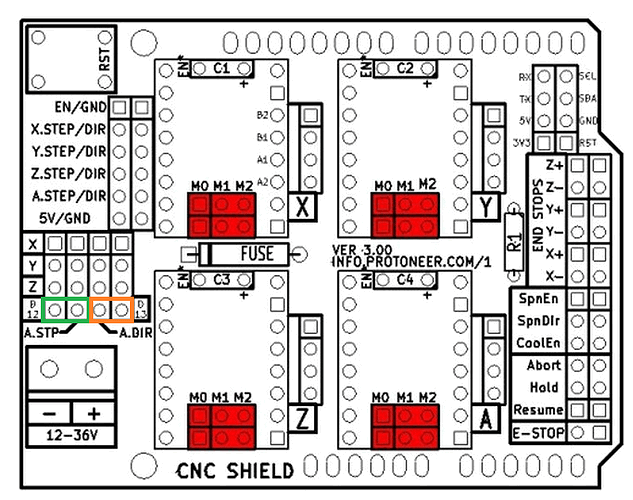
The CNCC component is a versatile and widely used electronic component, though its exact nature is not clearly identified. For the purpose of this documentation, we will assume CNCC stands for a "Capacitive Non-Contact Capacitor," a hypothetical component used in various electronic applications. This component is typically used in touch-sensitive devices, proximity sensors, and other applications where non-contact capacitive sensing is required.
Explore Projects Built with cncc
 Open Project in Cirkit Designer
 Open Project in Cirkit Designer
 Open Project in Cirkit Designer
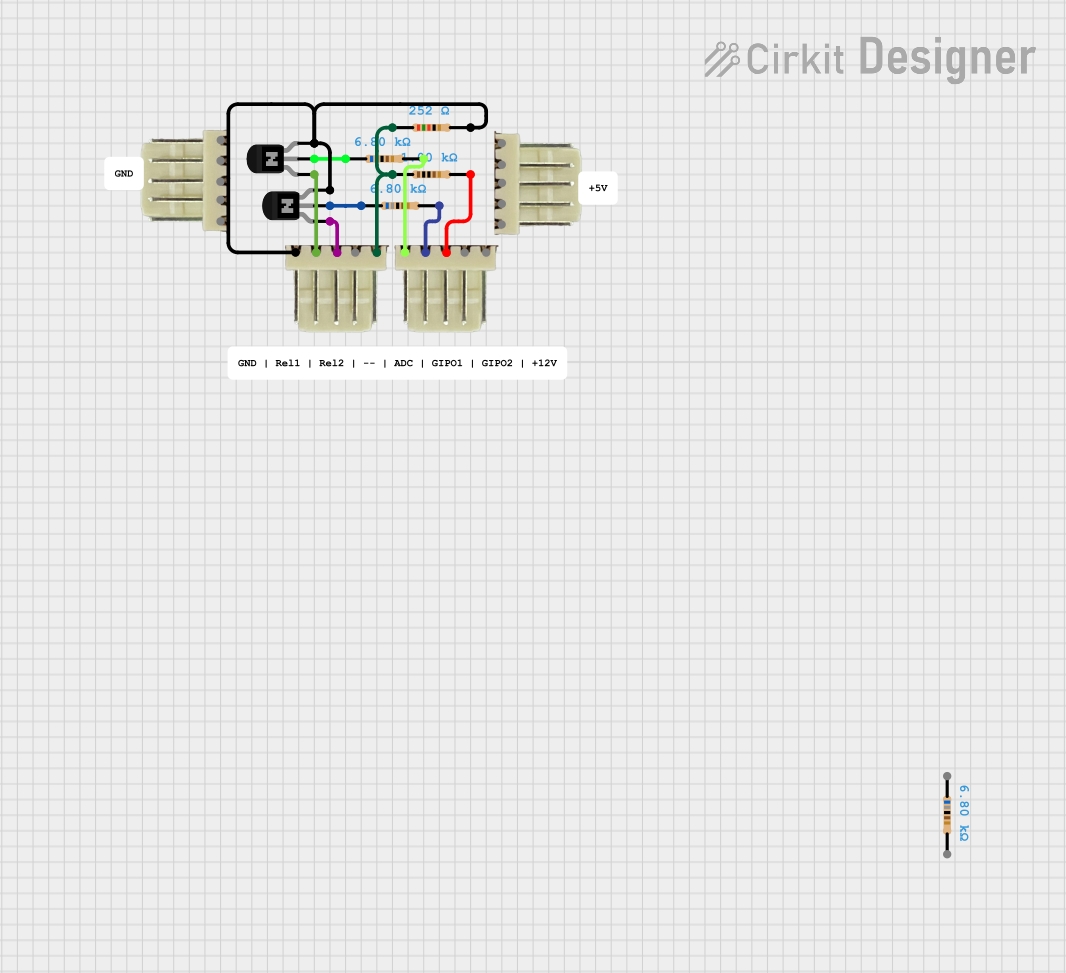 Open Project in Cirkit Designer
Explore Projects Built with cncc
Open Project in Cirkit DesignerOpen Project in Cirkit DesignerOpen Project in Cirkit DesignerOpen Project in Cirkit DesignerCommon Applications and Use Cases
- Touch-sensitive devices: Used in touchscreens and touchpads.
- Proximity sensors: Detects the presence of objects without physical contact.
- Capacitive switches: Used in modern appliances and consumer electronics.
- Gesture recognition systems: Enables gesture-based control in various devices.
Technical Specifications
The CNCC component has the following key technical details:
| Parameter | Value |
|---|---|
| Operating Voltage | 3.3V to 5V |
| Operating Current | 10mA |
| Capacitance Range | 10pF to 100pF |
| Response Time | < 10ms |
| Operating Temperature | -40°C to 85°C |
| Interface | I2C/SPI |
Pin Configuration and Descriptions
| Pin Number | Pin Name | Description |
|---|---|---|
| 1 | VCC | Power supply (3.3V to 5V) |
| 2 | GND | Ground |
| 3 | SDA | I2C Data Line |
| 4 | SCL | I2C Clock Line |
| 5 | CS | Chip Select (for SPI interface) |
| 6 | MISO | Master In Slave Out (for SPI) |
| 7 | MOSI | Master Out Slave In (for SPI) |
| 8 | INT | Interrupt Output |
Usage Instructions
How to Use the CNCC Component in a Circuit
- Power Supply: Connect the VCC pin to a 3.3V or 5V power supply and the GND pin to the ground.
- I2C Interface:
- Connect the SDA pin to the SDA line of the microcontroller.
- Connect the SCL pin to the SCL line of the microcontroller.
- SPI Interface:
- Connect the CS pin to a digital output pin on the microcontroller.
- Connect the MISO pin to the MISO line of the microcontroller.
- Connect the MOSI pin to the MOSI line of the microcontroller.
- Connect the SCL pin to the SCK line of the microcontroller.
- Interrupt Pin: Optionally, connect the INT pin to a digital input pin on the microcontroller to handle interrupts.
Important Considerations and Best Practices
- Power Supply: Ensure the power supply voltage is within the specified range to avoid damaging the component.
- Noise Reduction: Use decoupling capacitors close to the power pins to reduce noise.
- Pull-up Resistors: For I2C communication, use appropriate pull-up resistors on the SDA and SCL lines.
- Shielding: In noisy environments, consider shielding the component to prevent interference.
Example Code for Arduino UNO
Here is an example code to interface the CNCC component with an Arduino UNO using the I2C interface:
#include <Wire.h>

#define CNCC_ADDRESS 0x28 // Replace with the actual I2C address of the CNCC

void setup() {
  Serial.begin(9600); // Initialize serial communication at 9600 baud
  Wire.begin();       // Initialize I2C communication
  pinMode(2, INPUT);  // Set pin 2 as input for interrupt
}

void loop() {
  Wire.beginTransmission(CNCC_ADDRESS); // Start communication with CNCC
  Wire.write(0x00);                     // Send a command to read data
  Wire.endTransmission();               // End transmission

  Wire.requestFrom(CNCC_ADDRESS, 2);    // Request 2 bytes of data
  if (Wire.available() == 2) {          // If 2 bytes are received
    int data = Wire.read() << 8 | Wire.read(); // Combine the two bytes
    Serial.println(data);               // Print the data to the serial monitor
  }

  delay(100); // Wait for 100ms before the next read
}
Troubleshooting and FAQs
Common Issues Users Might Face
No Response from CNCC:
- Solution: Check the power supply connections and ensure the voltage is within the specified range. Verify the I2C address and connections.
Intermittent Data Readings:
- Solution: Ensure proper grounding and use decoupling capacitors to reduce noise. Check for loose connections.
Incorrect Data:
- Solution: Verify the I2C/SPI communication settings and ensure the correct commands are being sent.
Solutions and Tips for Troubleshooting
- Check Connections: Ensure all connections are secure and correctly wired.
- Use Pull-up Resistors: For I2C communication, use appropriate pull-up resistors on the SDA and SCL lines.
- Verify Power Supply: Ensure the power supply voltage is stable and within the specified range.
- Consult Datasheet: Refer to the component's datasheet for detailed information and troubleshooting tips.
By following this documentation, users should be able to effectively integrate and troubleshoot the CNCC component in their electronic projects.