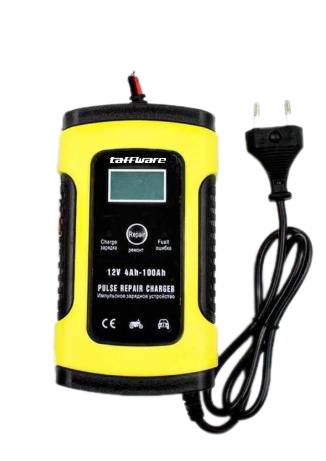
Casan Aki, manufactured by Zeus with the part ID "Audi Variasi," is a versatile electronic component commonly used in circuit design. It serves as a connector or interface, enabling seamless communication and power transfer between various electronic devices. Its robust design and reliable performance make it a popular choice in applications requiring efficient power delivery and signal transmission.
Explore Projects Built with casan Aki
Use Cirkit Designer to design, explore, and prototype these projects online. Some projects support real-time simulation. Click "Open Project" to start designing instantly!
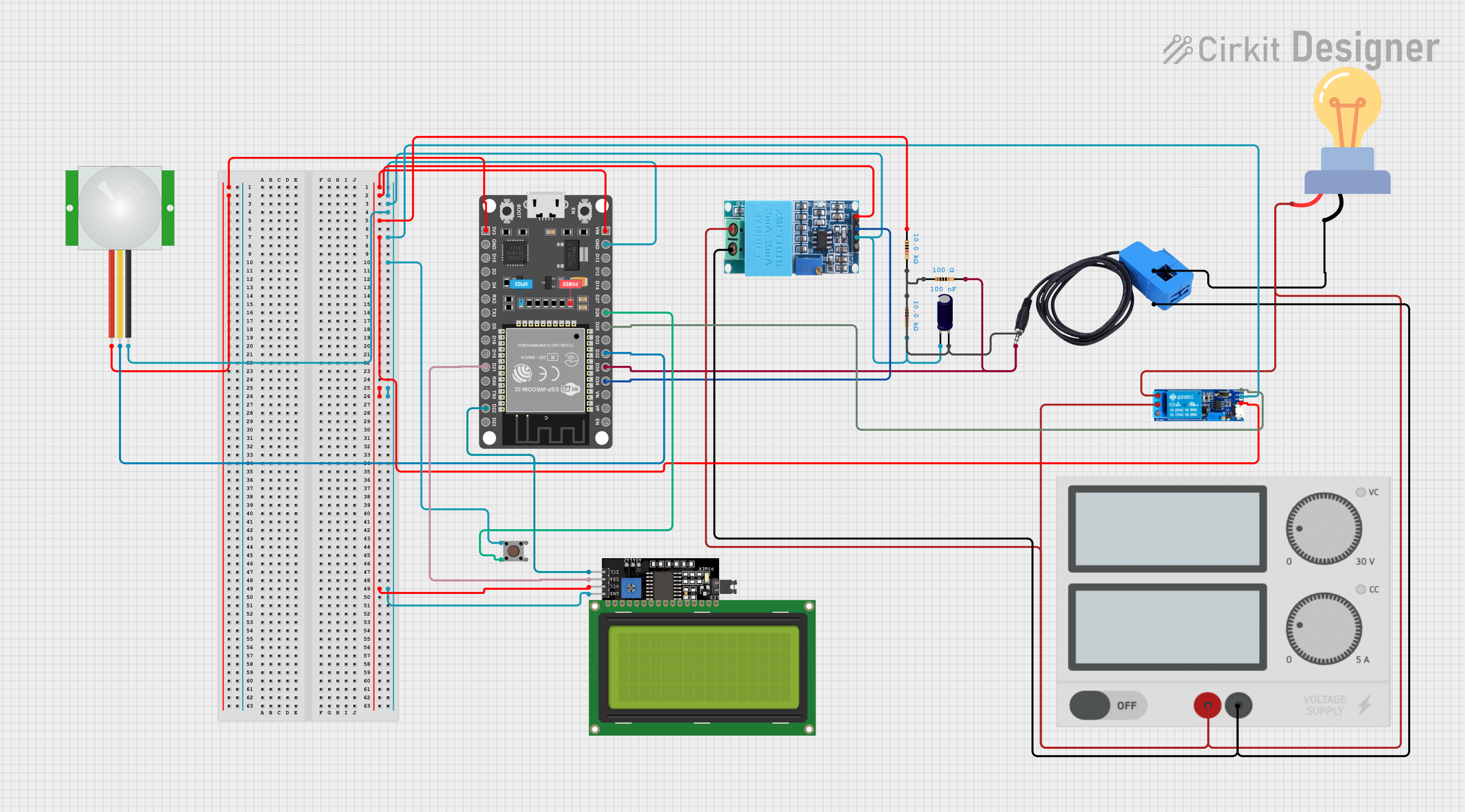
This is a smart home automation circuit centered around an ESP32 microcontroller, which interfaces with a PIR motion sensor, voltage and current sensors, and controls an AC load via a relay. It also includes a pushbutton for manual control and an LCD display for user interaction.
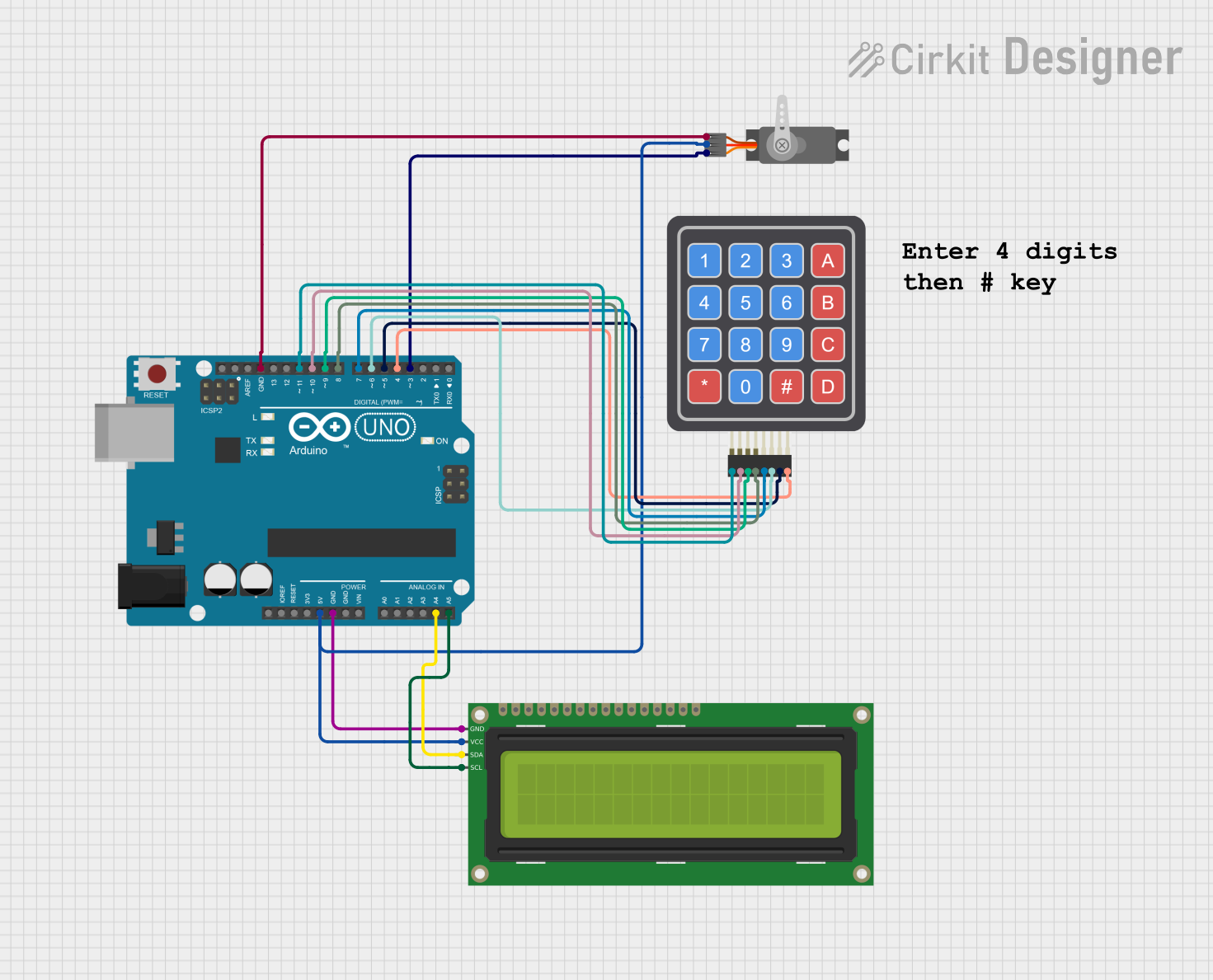
This circuit implements a hotel safe system using a 4x4 keypad for user input, a 16x2 I2C LCD for displaying messages, and a servo motor to control the locking mechanism. The user can set a 4-digit code to lock the safe and must enter the same code to unlock it, with visual feedback provided on the LCD throughout the process.
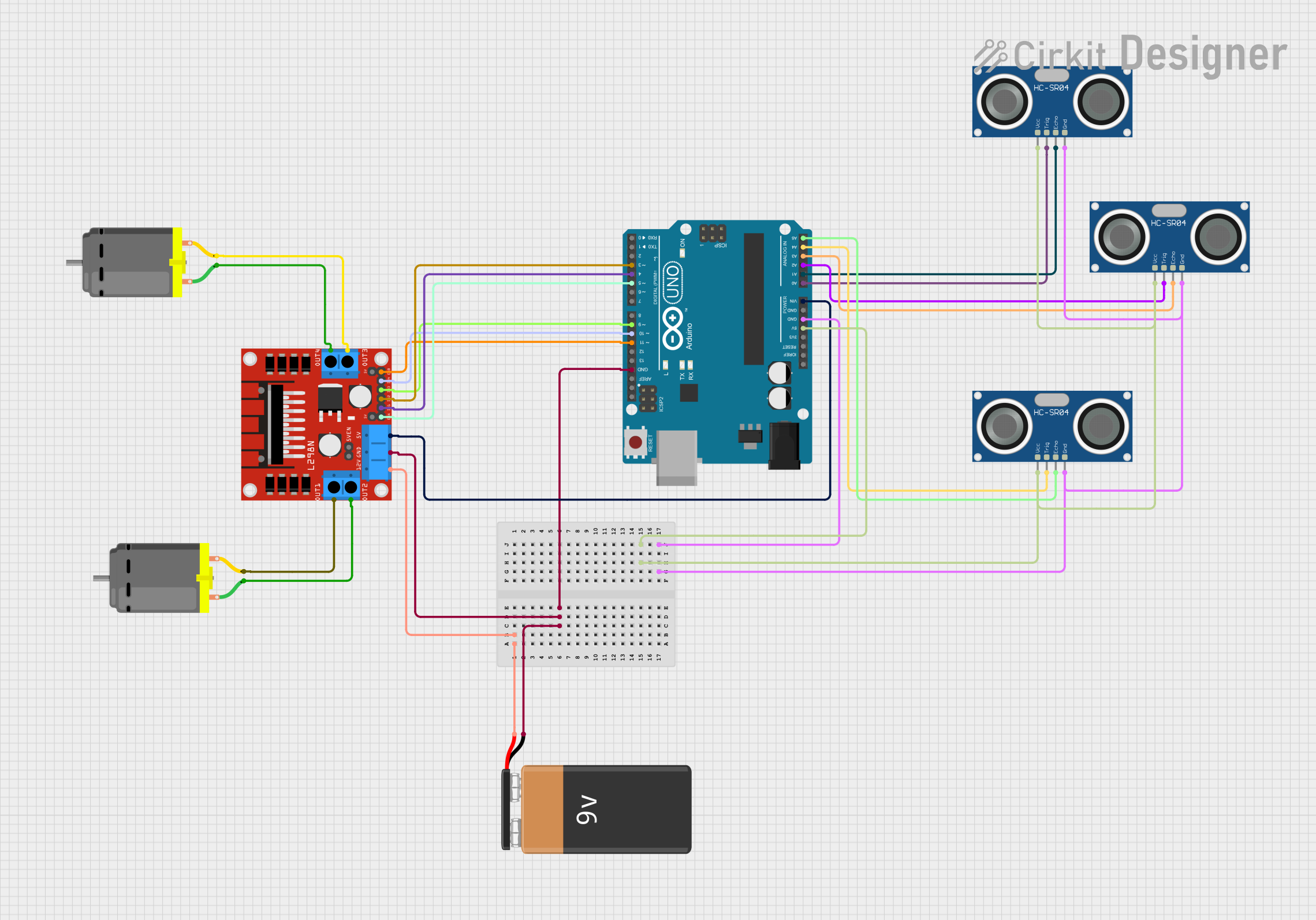
This circuit is a robotic car controlled by an Arduino UNO, which uses three HC-SR04 ultrasonic sensors for obstacle detection and a motor driver (Puente H) to control two DC motors. The Arduino processes distance measurements from the sensors to navigate the car by driving the motors forward, left, or right based on the detected obstacles.
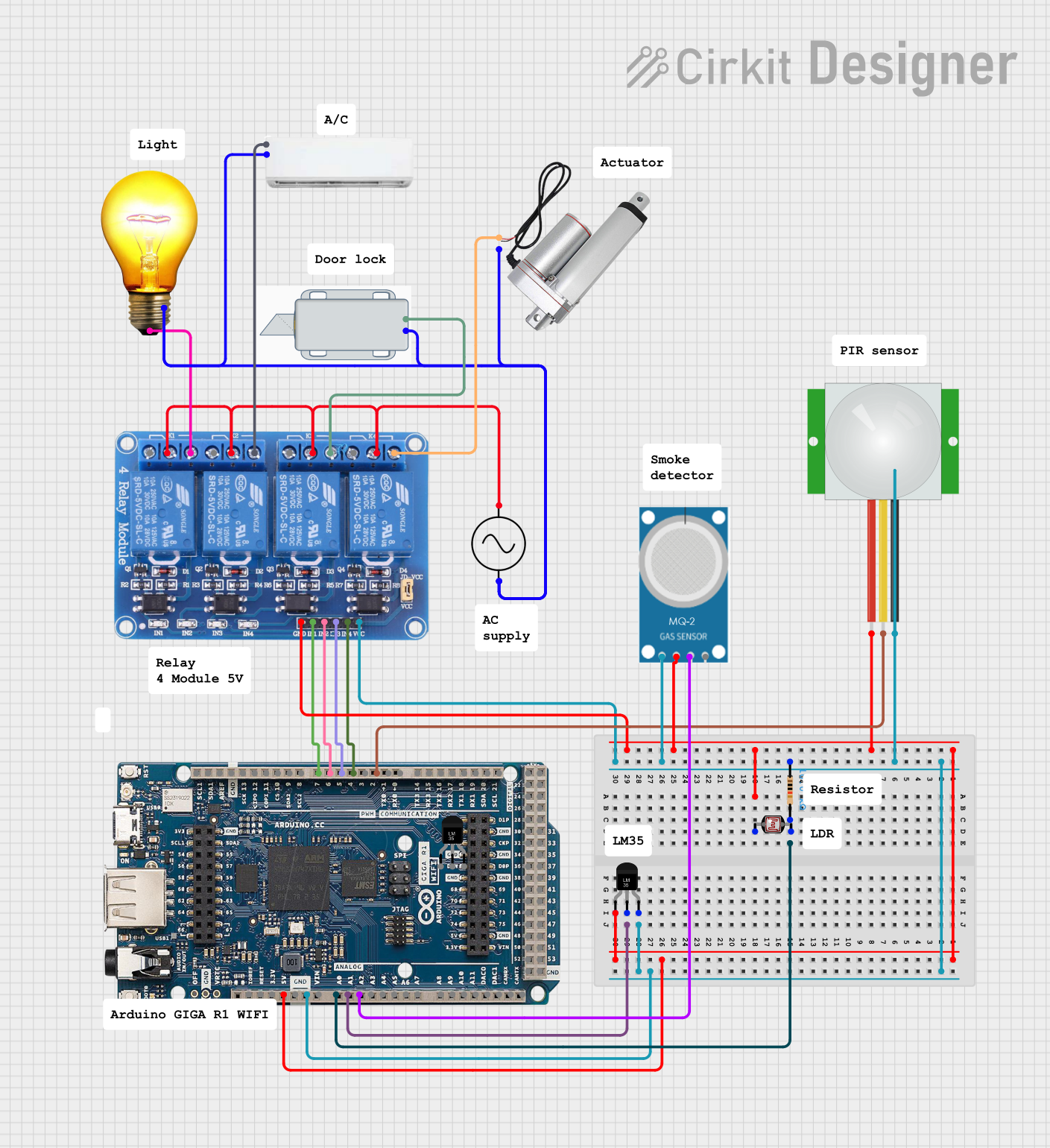
This circuit is a home automation system controlled by an Arduino GIGA R1 WIFI. It integrates various sensors (PIR, temperature, gas, and light) and controls multiple devices (AC bulb, air conditioner, solenoid lock, and linear actuator) through a 4-channel relay module. The Arduino reads sensor data and actuates the relays to manage the connected devices.
Below are the key technical details and pin configuration for the Casan Aki component:
Key Technical Details
Parameter
Value
Manufacturer
Zeus
Part ID
Audi Variasi
Operating Voltage
5V to 24V
Maximum Current Rating
10A
Power Rating
Up to 240W
Operating Temperature
-20°C to 85°C
Connector Type
2-pin or 4-pin options
Material
High-grade copper alloy
Dimensions
25mm x 15mm x 10mm
Pin Configuration and Descriptions
2-Pin Configuration
Pin Number
Name
Description
1
V+
Positive voltage input/output
2
GND
Ground connection
4-Pin Configuration
Pin Number
Name
Description
1
V+
Positive voltage input/output
2
GND
Ground connection
3
Signal+
Positive signal line for communication
4
Signal-
Negative signal line for communication
Usage Instructions
How to Use the Casan Aki in a Circuit
Identify the Pin Configuration: Determine whether you are using the 2-pin or 4-pin version of the Casan Aki.
Connect Power Lines:
For the 2-pin version, connect the V+ pin to the positive terminal of your power source and the GND pin to the ground.
For the 4-pin version, connect the V+ and GND pins as above, and use Signal+ and Signal- for communication lines.
Secure Connections: Ensure all connections are tight and secure to prevent loose contacts.
Test the Circuit: Power on the circuit and verify that the Casan Aki is functioning as expected.
Important Considerations and Best Practices
Voltage and Current Ratings: Do not exceed the specified voltage (24V) or current (10A) ratings to avoid damage.
Polarity: Ensure correct polarity when connecting the V+ and GND pins.
Signal Integrity: For the 4-pin version, use shielded cables for Signal+ and Signal- to minimize noise.
Heat Dissipation: If operating near the maximum power rating, ensure adequate ventilation or heat sinking.
Example: Using Casan Aki with an Arduino UNO
Below is an example of how to use the Casan Aki (4-pin version) to interface with an Arduino UNO for a simple communication setup:
// Example: Using Casan Aki with Arduino UNO
// This code demonstrates sending a signal through the Casan Aki component

const int signalPin = 7; // Arduino pin connected to Signal+ of Casan Aki

void setup() {
  pinMode(signalPin, OUTPUT); // Set the signal pin as an output
}

void loop() {
  digitalWrite(signalPin, HIGH); // Send a HIGH signal
  delay(1000); // Wait for 1 second
  digitalWrite(signalPin, LOW);  // Send a LOW signal
  delay(1000); // Wait for 1 second
}
Troubleshooting and FAQs
Common Issues and Solutions
No Power Transfer
Cause: Loose or incorrect connections.
Solution: Double-check all connections, ensuring proper polarity and secure contacts.
Overheating
Cause: Exceeding the maximum current or power rating.
Solution: Reduce the load or improve heat dissipation with a heat sink or fan.
Signal Noise or Interference
Cause: Unshielded cables or long signal lines.
Solution: Use shielded cables and keep signal lines as short as possible.
Component Damage
Cause: Voltage spikes or reverse polarity.
Solution: Use a voltage regulator and a diode for reverse polarity protection.
FAQs
Q: Can the Casan Aki be used for AC power?
A: No, the Casan Aki is designed for DC power applications only.
Q: What is the maximum cable length for the 4-pin version?
A: For optimal performance, keep the cable length under 1 meter to minimize signal degradation.
Q: Is the Casan Aki waterproof?
A: No, the Casan Aki is not waterproof. Use it in dry environments or enclose it in a protective casing for outdoor use.

 Open Project in Cirkit Designer