
How to Use Tower Pro SG90 servo: Examples, Pinouts, and Specs
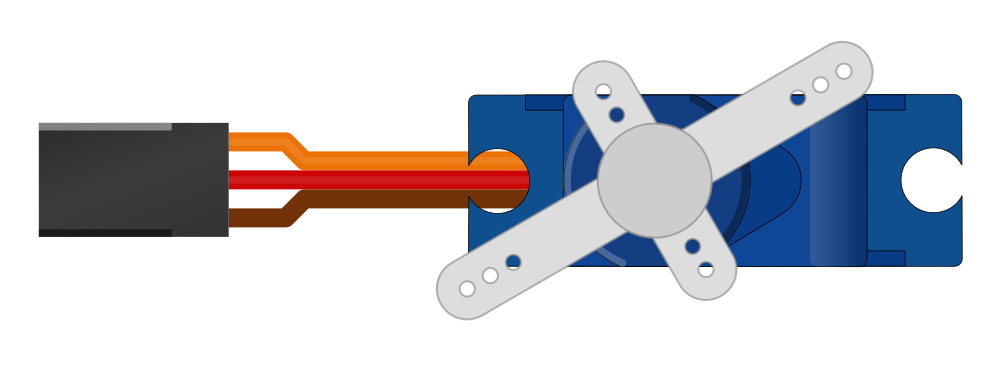
 Design with Tower Pro SG90 servo in Cirkit Designer
Introduction
The Tower Pro SG90 is a small, lightweight servo motor widely used in robotics, RC vehicles, and hobby electronics projects. Known for its precision and ease of use, the SG90 is ideal for applications requiring controlled rotational motion. It features a rotation range of approximately 180 degrees and is controlled via Pulse Width Modulation (PWM) signals, making it compatible with microcontrollers like Arduino.
Explore Projects Built with Tower Pro SG90 servo
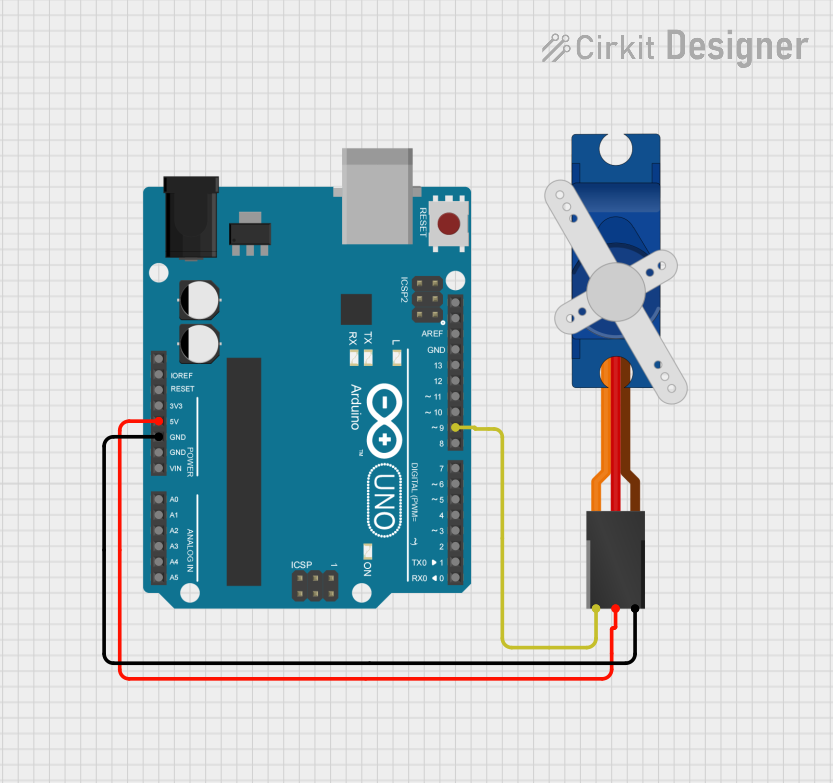 Open Project in Cirkit Designer
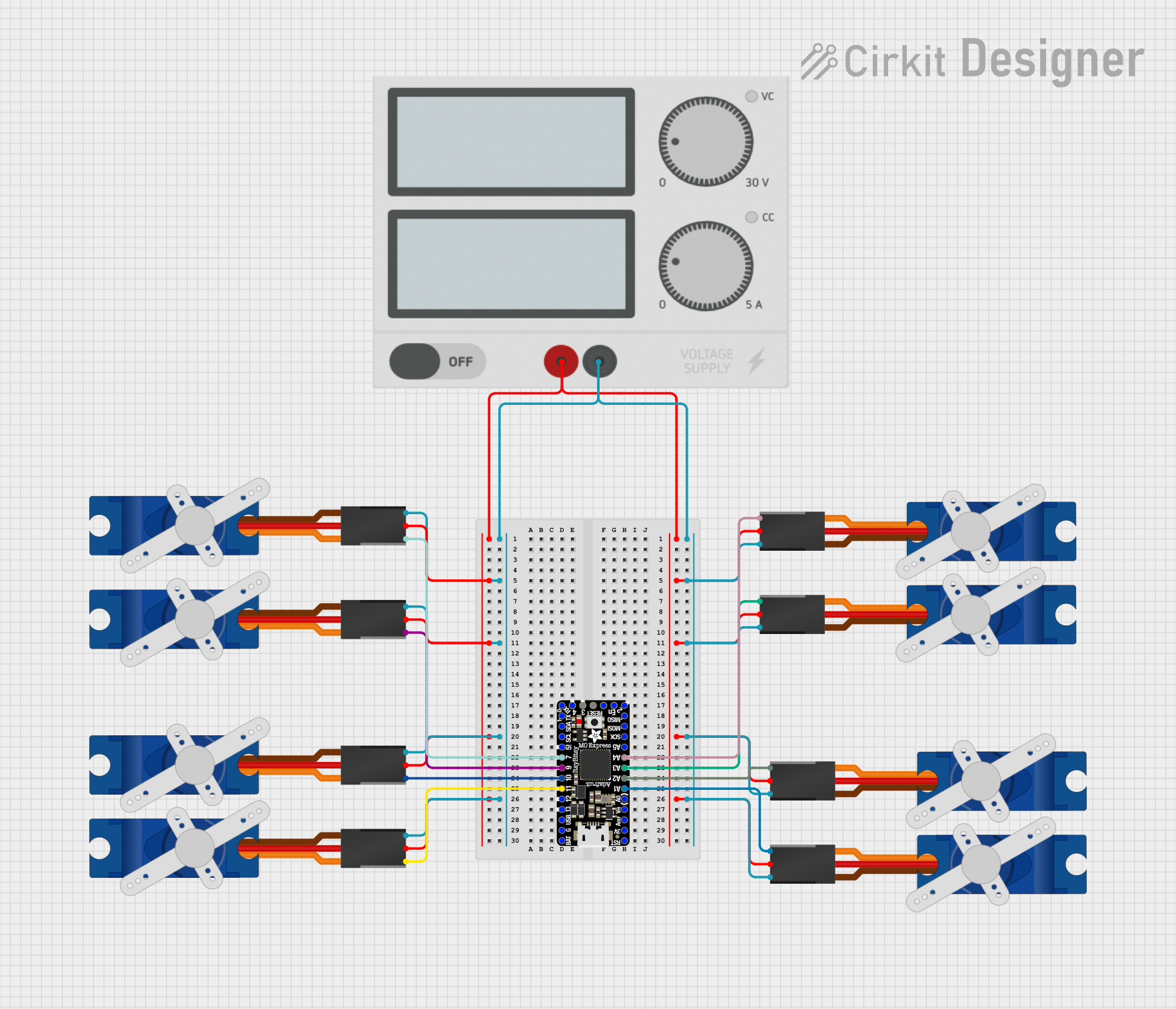 Open Project in Cirkit Designer
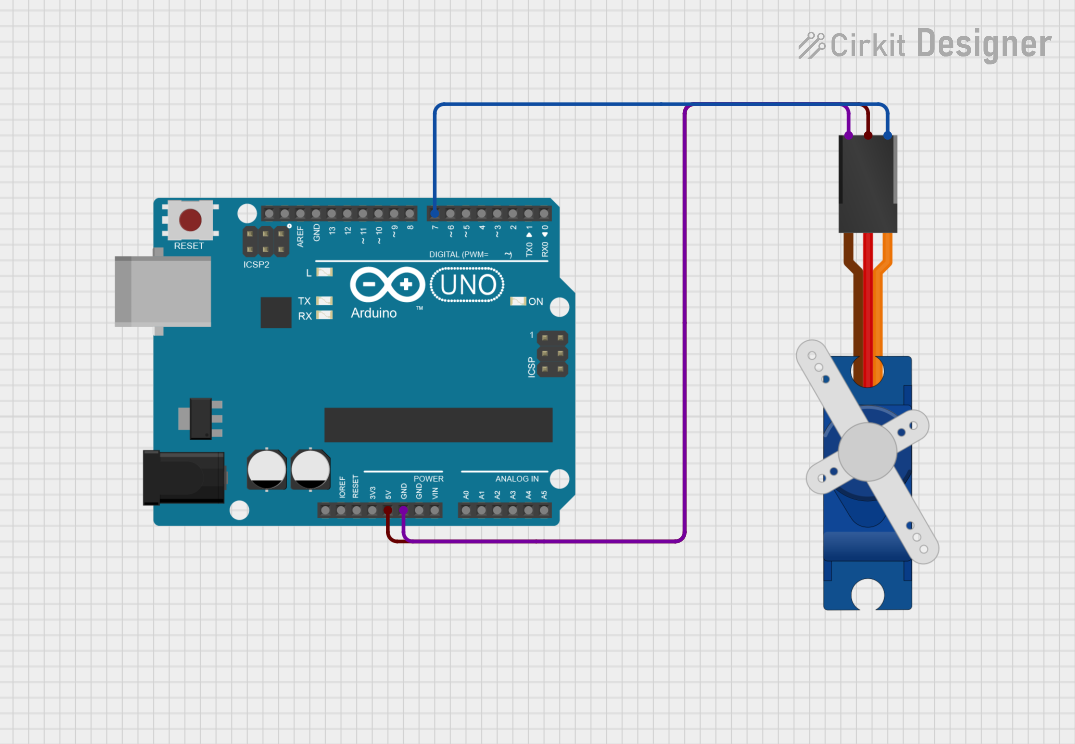 Open Project in Cirkit Designer
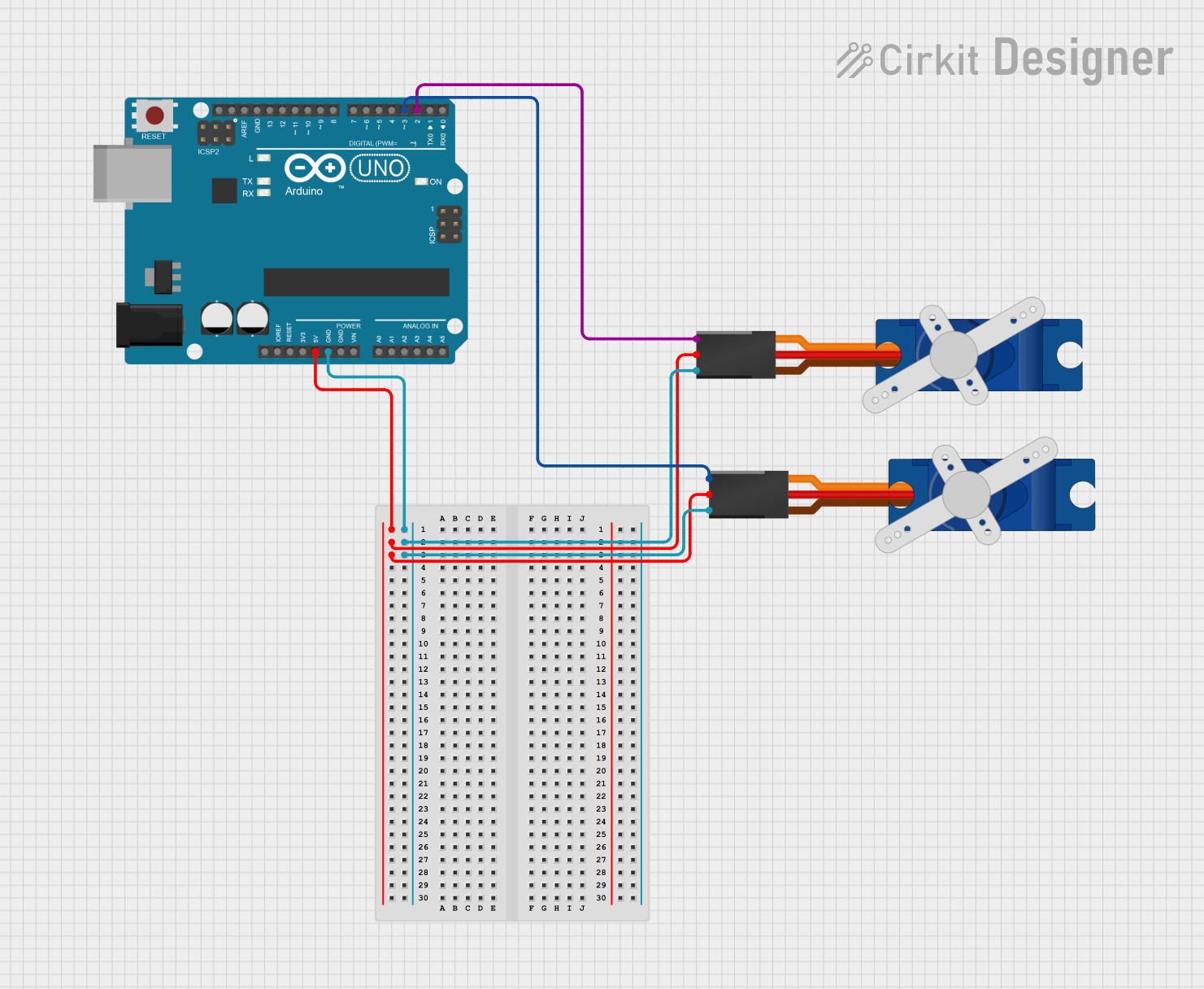 Open Project in Cirkit Designer
Explore Projects Built with Tower Pro SG90 servo
Open Project in Cirkit DesignerOpen Project in Cirkit DesignerOpen Project in Cirkit DesignerOpen Project in Cirkit DesignerCommon Applications:
- Robotic arms and grippers
- RC vehicles (cars, boats, planes)
- Pan-tilt camera systems
- Automated mechanisms in hobby projects
Technical Specifications
Below are the key technical details of the Tower Pro SG90 servo motor:
| Parameter | Value |
|---|---|
| Operating Voltage | 4.8V to 6.0V |
| Stall Torque | 1.8 kg·cm (4.8V) / 2.2 kg·cm (6.0V) |
| Operating Speed | 0.12 sec/60° (4.8V) / 0.10 sec/60° (6.0V) |
| Rotation Range | ~180° |
| Control Signal | PWM (Pulse Width Modulation) |
| Weight | 9g |
| Dimensions | 22.2mm x 11.8mm x 31mm |
| Connector Type | 3-pin female header (Dupont) |
Pin Configuration
The SG90 servo has a 3-wire connector with the following pinout:
| Wire Color | Pin Name | Description |
|---|---|---|
| Brown | GND | Ground connection |
| Red | VCC | Power supply (4.8V to 6.0V) |
| Orange | Signal | PWM control signal input |
Usage Instructions
Connecting the SG90 Servo
- Power Supply: Connect the red wire to a 5V power source and the brown wire to ground (GND). Ensure the power supply can provide sufficient current (at least 500mA per servo).
- PWM Signal: Connect the orange wire to a PWM-capable pin on your microcontroller (e.g., Arduino pin 9 or 10).
- Mounting: Use the included servo horns and screws to attach the servo to your project.
Controlling the Servo with Arduino
Below is an example code snippet to control the SG90 servo using an Arduino UNO:
#include <Servo.h> // Include the Servo library

Servo myServo; // Create a Servo object to control the SG90

void setup() {
  myServo.attach(9); // Attach the servo to pin 9
}

void loop() {
  myServo.write(0); // Move the servo to 0 degrees
  delay(1000); // Wait for 1 second

  myServo.write(90); // Move the servo to 90 degrees
  delay(1000); // Wait for 1 second

  myServo.write(180); // Move the servo to 180 degrees
  delay(1000); // Wait for 1 second
}
Important Considerations
- Power Supply: Avoid powering the servo directly from the Arduino's 5V pin if multiple servos are used, as this may exceed the current capacity of the Arduino's regulator. Use an external power source instead.
- PWM Signal: Ensure the PWM signal is stable and within the servo's operating range (typically 1ms to 2ms pulse width for 0° to 180° rotation).
- Mechanical Limits: Do not force the servo beyond its physical rotation range, as this may damage the internal gears.
Troubleshooting and FAQs
Common Issues and Solutions
Servo Not Moving:
- Cause: Incorrect wiring or insufficient power supply.
- Solution: Double-check the wiring and ensure the power supply provides at least 4.8V and sufficient current.
Jittery or Erratic Movement:
- Cause: Unstable PWM signal or electrical noise.
- Solution: Use a decoupling capacitor (e.g., 100µF) across the power supply and ensure proper grounding.
Overheating:
- Cause: Prolonged stall condition or excessive load.
- Solution: Reduce the load on the servo and avoid stalling it for extended periods.
Limited Rotation Range:
- Cause: Incorrect PWM signal range.
- Solution: Verify the PWM signal is within the servo's operating range (1ms to 2ms pulse width).
FAQs
Q: Can the SG90 rotate continuously?
A: No, the SG90 is a positional servo with a rotation range of approximately 180°. For continuous rotation, consider using a continuous rotation servo.
Q: How many SG90 servos can I control with an Arduino?
A: The number depends on the available PWM pins and the power supply. The Arduino UNO has 6 PWM pins, but ensure your power source can handle the total current draw.
Q: Can I use the SG90 with a Raspberry Pi?
A: Yes, the SG90 can be controlled using the Raspberry Pi's GPIO pins with a PWM signal. However, a dedicated PWM driver (e.g., PCA9685) is recommended for precise control.