
How to Use Fuse: Examples, Pinouts, and Specs
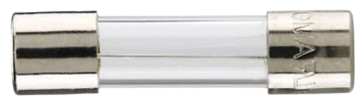
 Design with Fuse in Cirkit Designer
Introduction
A fuse is a safety device designed to protect electrical circuits by breaking the circuit when excessive current flows through it. This prevents damage to components, reduces the risk of fire, and ensures the safety of the overall system. Fuses are widely used in various applications, including household appliances, automotive systems, industrial equipment, and electronic circuits.
Explore Projects Built with Fuse
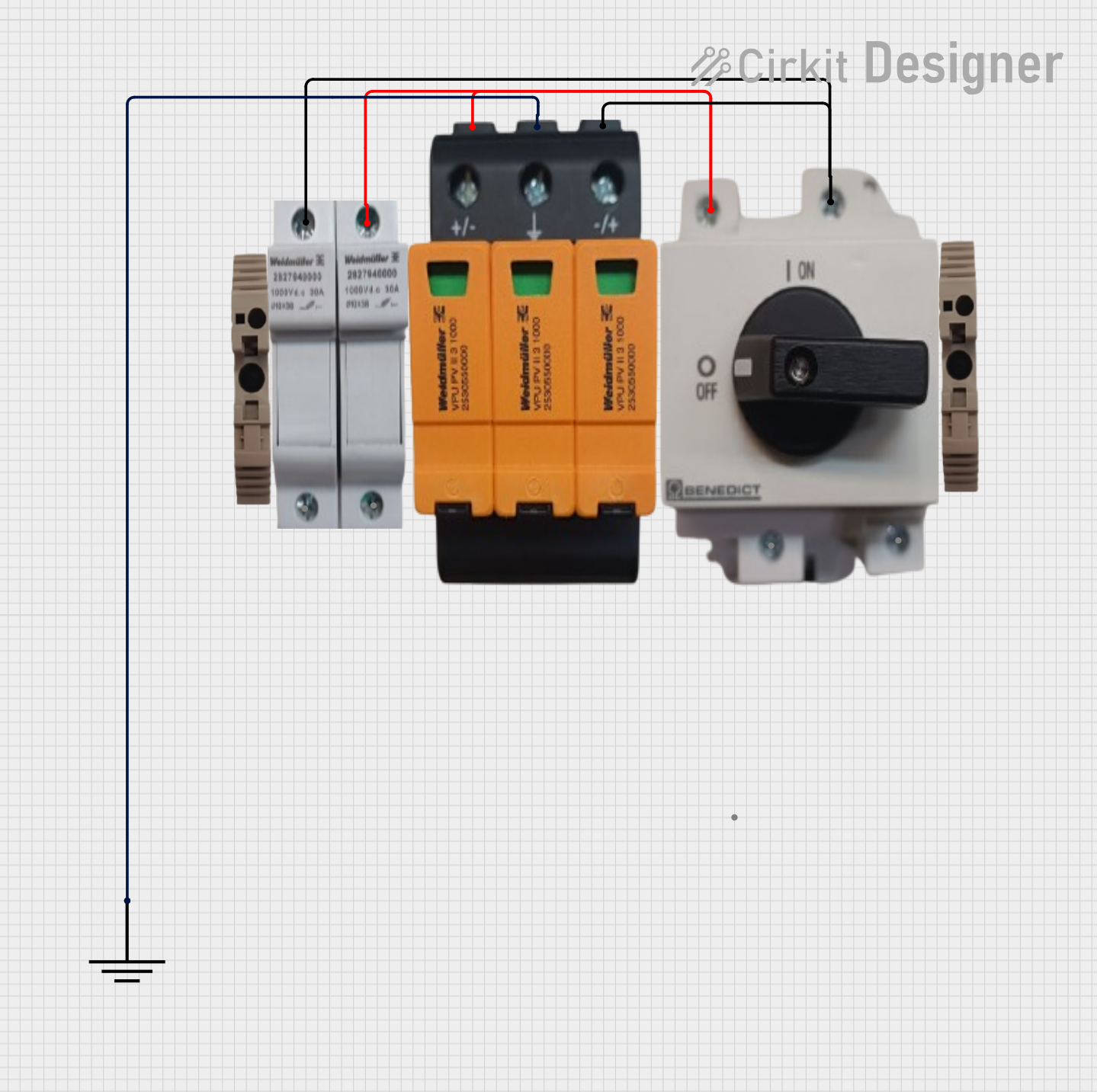 Open Project in Cirkit Designer
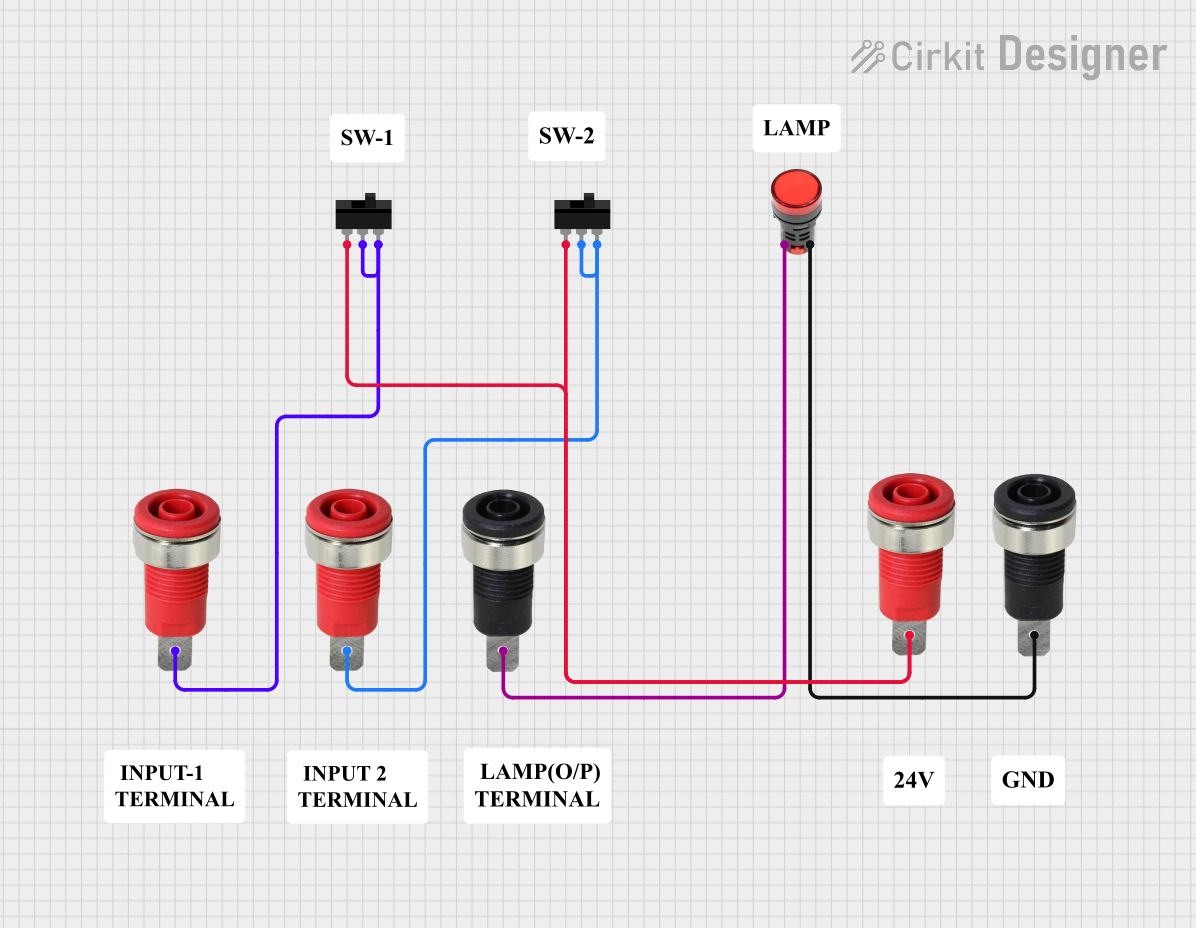 Open Project in Cirkit Designer
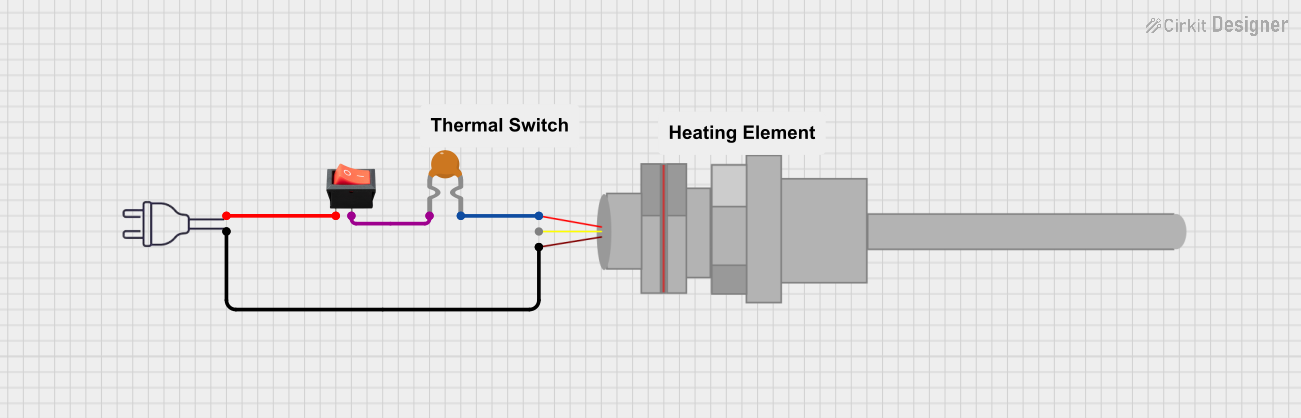 Open Project in Cirkit Designer
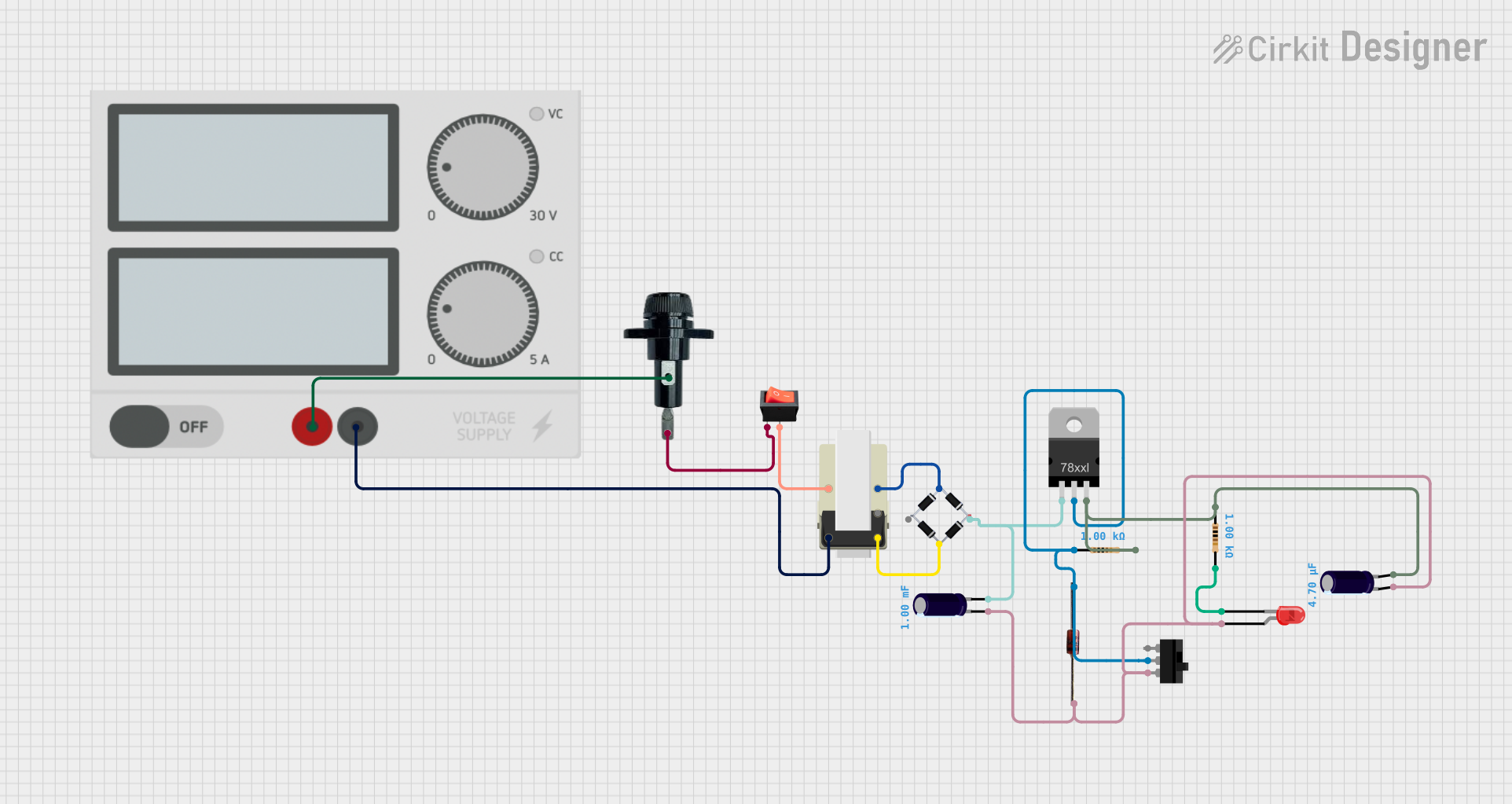 Open Project in Cirkit Designer
Explore Projects Built with Fuse
Open Project in Cirkit DesignerOpen Project in Cirkit DesignerOpen Project in Cirkit DesignerOpen Project in Cirkit DesignerCommon Applications and Use Cases
- Household Appliances: Protects devices like microwaves, refrigerators, and washing machines.
- Automotive Systems: Safeguards electrical systems in vehicles, such as lighting and infotainment systems.
- Industrial Equipment: Prevents damage to heavy machinery and control systems.
- Electronic Circuits: Protects sensitive components like microcontrollers and sensors.
Technical Specifications
Key Technical Details
- Voltage Rating: Typically ranges from 12V to 600V, depending on the application.
- Current Rating: Commonly available from 0.1A to 100A or more.
- Breaking Capacity: The maximum current the fuse can safely interrupt (e.g., 1kA, 10kA).
- Response Time: Can be fast-blow (quick response) or slow-blow (delayed response).
- Material: Fuse elements are often made of zinc, copper, or silver.
- Form Factor: Available in various types, such as glass tube, ceramic, blade, and surface-mount.
Pin Configuration and Descriptions
Fuses do not have traditional pins like ICs or transistors. Instead, they have terminals or leads for connection. Below is a table describing common fuse types and their configurations:
| Fuse Type | Terminals/Leads Description | Application Example |
|---|---|---|
| Glass Tube Fuse | Two metal caps at each end for connection | Small electronic devices |
| Ceramic Fuse | Two metal caps or leads for soldering | High-current circuits |
| Blade Fuse | Two flat metal blades for insertion into sockets | Automotive systems |
| Surface-Mount Fuse | Solderable pads for PCB mounting | Compact electronic circuits |
Usage Instructions
How to Use a Fuse in a Circuit
Determine the Fuse Rating:
- Select a fuse with a current rating slightly higher than the normal operating current of the circuit.
- Ensure the voltage rating of the fuse matches or exceeds the circuit's voltage.
Install the Fuse:
- Place the fuse in series with the circuit's power supply line to ensure it interrupts the current flow when triggered.
- For blade fuses, insert them into the appropriate fuse holder or socket.
- For glass or ceramic fuses, use a fuse holder or solder the leads securely.
Test the Circuit:
- Power on the circuit and verify that the fuse does not blow under normal operating conditions.
- If the fuse blows immediately, check for short circuits or excessive current draw.
Important Considerations and Best Practices
- Always use a fuse with the correct voltage and current ratings to avoid under- or over-protection.
- For circuits with inrush currents (e.g., motors), consider using a slow-blow fuse to prevent nuisance tripping.
- Replace blown fuses with identical ratings to maintain proper protection.
- Use a fuse holder or socket for easy replacement and maintenance.
- Avoid bypassing a fuse with wire or other materials, as this defeats its safety purpose.
Example: Using a Fuse with an Arduino UNO
When connecting an Arduino UNO to external components, such as motors or LEDs, a fuse can protect the board from damage due to excessive current. Below is an example circuit and code:
Circuit Description
- Connect a 1A fast-blow fuse in series with the Arduino's 5V power supply line.
- Ensure the fuse is placed between the power source and the Arduino's VIN pin.
Sample Code
// Example code for Arduino UNO with a fuse-protected circuit
// This code blinks an LED connected to pin 13

void setup() {
  pinMode(13, OUTPUT); // Set pin 13 as an output for the LED
}

void loop() {
  digitalWrite(13, HIGH); // Turn the LED on
  delay(1000);            // Wait for 1 second
  digitalWrite(13, LOW);  // Turn the LED off
  delay(1000);            // Wait for 1 second
}

// Note: Ensure the fuse is rated for at least 1A to handle the current
// drawn by the Arduino and connected components.
Troubleshooting and FAQs
Common Issues and Solutions
Fuse Blows Immediately:
- Cause: Short circuit or excessive current in the circuit.
- Solution: Inspect the circuit for wiring errors or faulty components. Replace the fuse with one of the same rating after resolving the issue.
Fuse Does Not Blow When Expected:
- Cause: Incorrect fuse rating (too high for the circuit).
- Solution: Replace the fuse with one that has the correct current rating.
Fuse Holder Overheats:
- Cause: Poor connection or undersized holder.
- Solution: Ensure the fuse holder is rated for the current and voltage of the circuit. Check for secure connections.
Frequent Fuse Blowing:
- Cause: Circuit is drawing more current than expected.
- Solution: Verify the circuit's current draw and ensure it is within the fuse's rating. Consider using a slow-blow fuse if inrush currents are causing the issue.
FAQs
Q: Can I use a higher-rated fuse to prevent frequent blowing?
A: No, using a higher-rated fuse can compromise circuit protection and may lead to damage or fire.Q: How do I know if a fuse is blown?
A: Check for visible signs like a broken filament or discoloration. Use a multimeter to test for continuity.Q: Can I replace a glass fuse with a ceramic fuse?
A: Yes, as long as the voltage, current, and breaking capacity ratings match.Q: Are fuses reusable?
A: No, fuses are single-use devices. Once blown, they must be replaced.