
How to Use Lampu Led 5v: Examples, Pinouts, and Specs
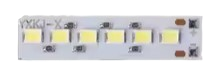
 Design with Lampu Led 5v in Cirkit Designer
Introduction
The Lampu LED 5V is a light-emitting diode (LED) designed to operate at a 5V input. Manufactured by Arduino (Part ID: UNO), this LED lamp is a versatile and energy-efficient component that emits light when an electric current flows through it. It is commonly used in low-voltage applications such as status indicators, decorative lighting, and DIY electronics projects.
Explore Projects Built with Lampu Led 5v
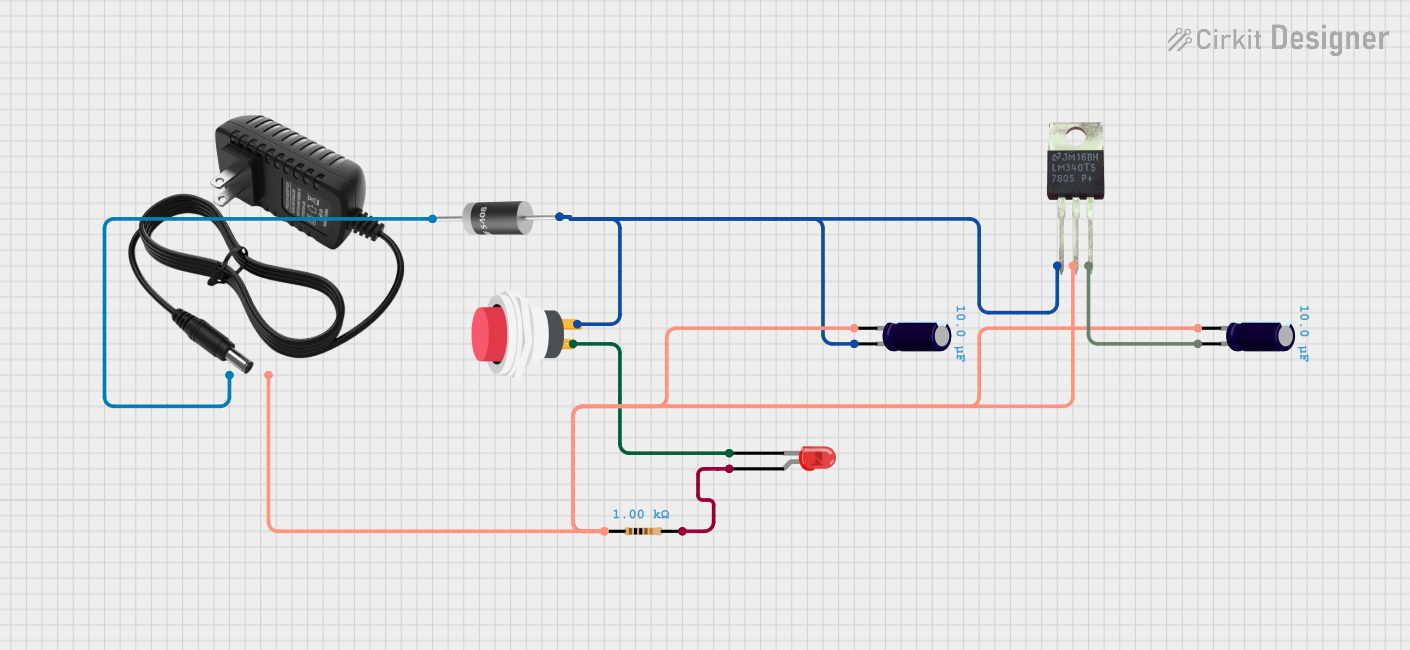 Open Project in Cirkit Designer
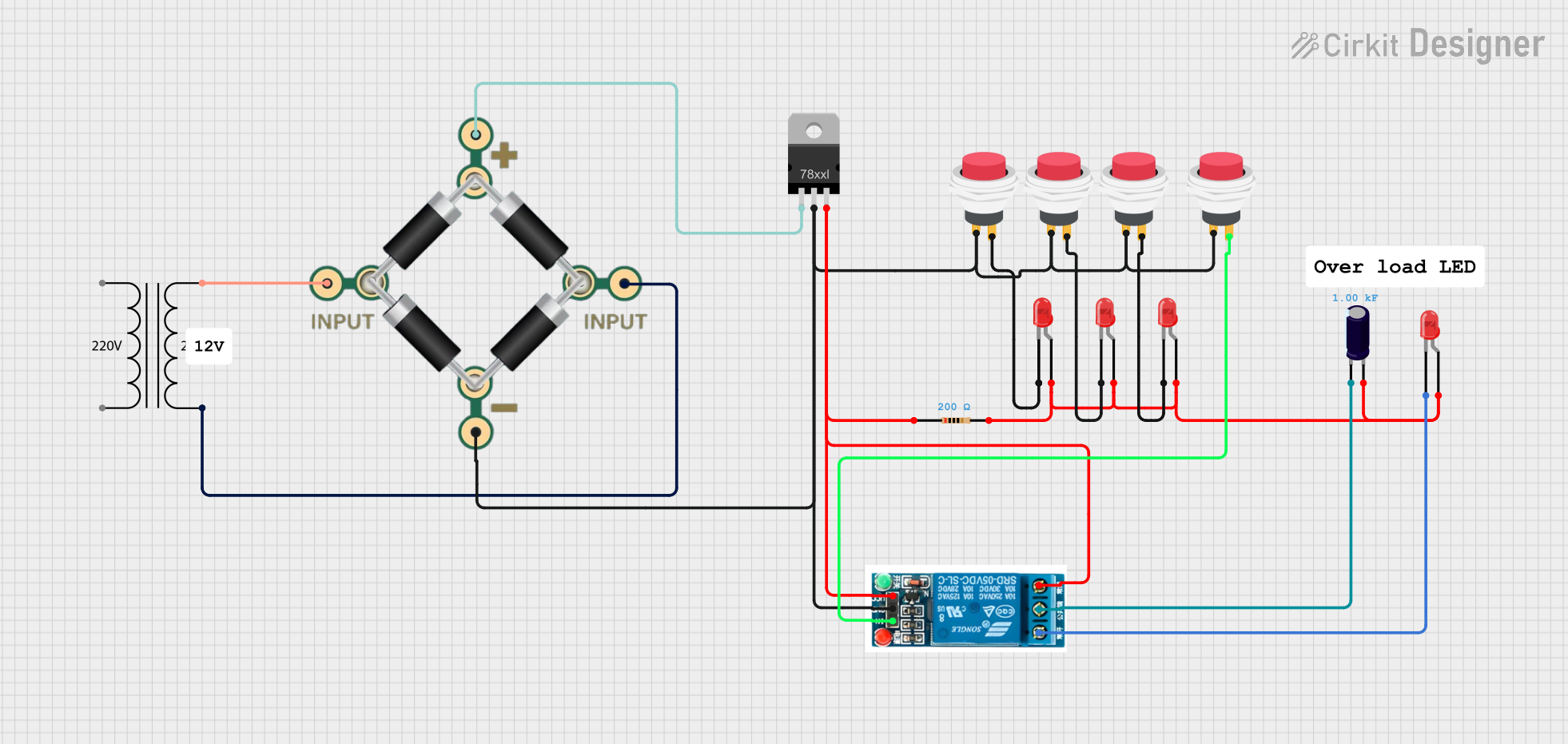 Open Project in Cirkit Designer
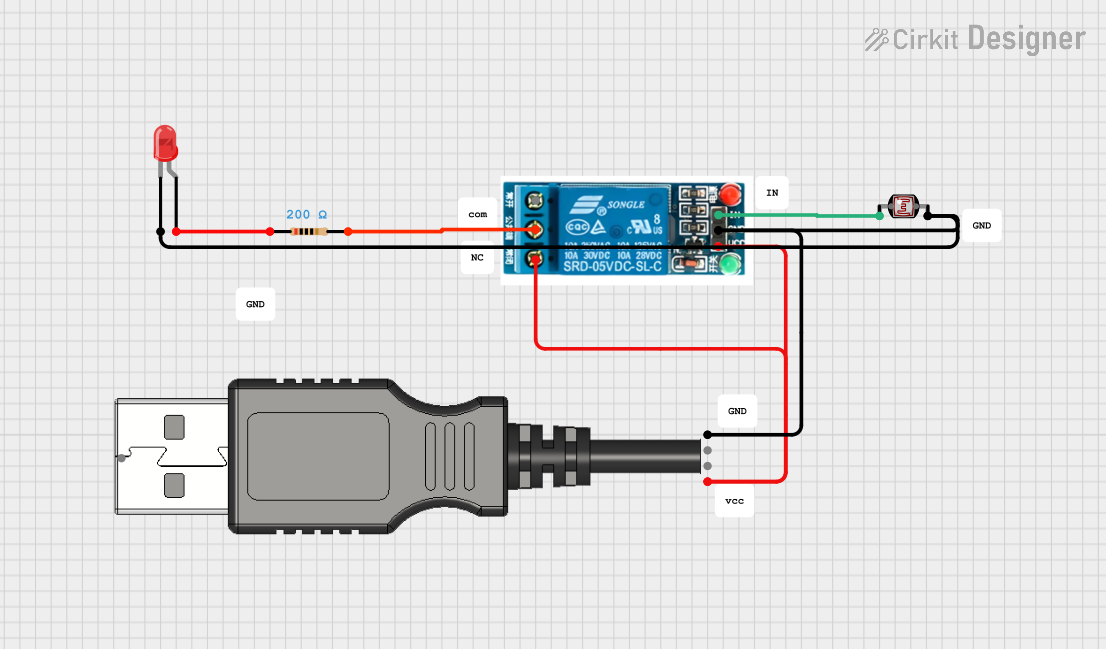 Open Project in Cirkit Designer
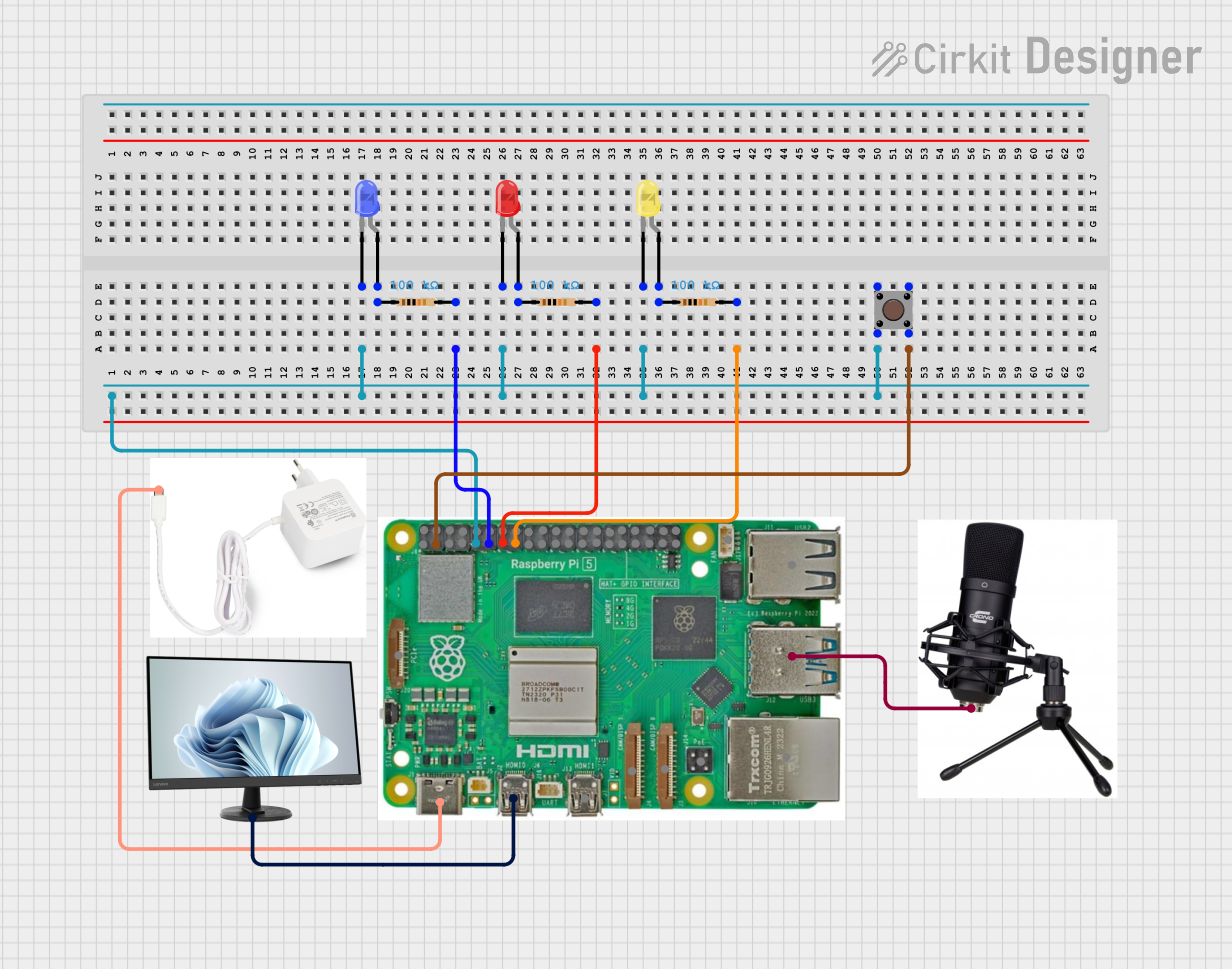 Open Project in Cirkit Designer
Explore Projects Built with Lampu Led 5v
Open Project in Cirkit DesignerOpen Project in Cirkit DesignerOpen Project in Cirkit DesignerOpen Project in Cirkit DesignerCommon Applications:
- Power and status indicators in electronic devices
- Decorative and ambient lighting
- DIY electronics and prototyping
- Educational projects for learning about LEDs and circuits
Technical Specifications
Below are the key technical details for the Lampu LED 5V:
| Parameter | Value |
|---|---|
| Operating Voltage | 5V DC |
| Forward Current (If) | 20mA (typical) |
| Power Consumption | 0.1W |
| Luminous Intensity | 1000-1500 mcd (typical) |
| Viewing Angle | 20°-30° |
| Color | Varies (e.g., red, green, blue) |
| Polarity | Anode (+), Cathode (-) |
Pin Configuration:
The Lampu LED 5V has two pins:
| Pin | Description |
|---|---|
| Anode (+) | Connects to the positive terminal of the power supply or circuit. |
| Cathode (-) | Connects to the negative terminal (ground). |
Usage Instructions
How to Use the Lampu LED 5V in a Circuit:
- Identify the Pins: The longer leg of the LED is the anode (+), and the shorter leg is the cathode (-). If the legs are trimmed, look for a flat edge on the LED body, which indicates the cathode.
- Connect a Resistor: To prevent damage, always use a current-limiting resistor in series with the LED. For a 5V supply, a 220Ω resistor is commonly used.
- Power the LED: Connect the anode to the positive terminal of the power supply and the cathode to the ground. The LED will emit light when powered.
Example Circuit with Arduino UNO:
The Lampu LED 5V can be easily connected to an Arduino UNO for control. Below is an example of how to blink the LED using Arduino code:
Circuit Diagram:
- Connect the anode (+) of the LED to digital pin 13 on the Arduino UNO through a 220Ω resistor.
- Connect the cathode (-) of the LED to the GND pin on the Arduino UNO.
Arduino Code:
// Lampu LED 5V Blink Example
// This code blinks the LED connected to pin 13 on the Arduino UNO.

void setup() {
  pinMode(13, OUTPUT); // Set pin 13 as an output pin
}

void loop() {
  digitalWrite(13, HIGH); // Turn the LED on
  delay(1000);            // Wait for 1 second
  digitalWrite(13, LOW);  // Turn the LED off
  delay(1000);            // Wait for 1 second
}
Important Considerations:
- Resistor Selection: Always use a resistor to limit the current through the LED. Failure to do so may damage the LED.
- Polarity: Ensure correct polarity when connecting the LED. Reversing the connections may prevent the LED from lighting up or cause damage.
- Power Supply: Use a stable 5V DC power source to avoid fluctuations that could harm the LED.
Troubleshooting and FAQs
Common Issues:
The LED Does Not Light Up:
- Cause: Incorrect polarity.
- Solution: Verify that the anode is connected to the positive terminal and the cathode to the ground.
The LED is Dim:
- Cause: Resistor value too high.
- Solution: Use a lower resistance value (e.g., 220Ω) to increase brightness.
The LED Burns Out:
- Cause: No current-limiting resistor or excessive voltage.
- Solution: Always use a resistor and ensure the supply voltage does not exceed 5V.
Flickering LED:
- Cause: Unstable power supply or loose connections.
- Solution: Check the power source and ensure all connections are secure.
FAQs:
Q: Can I use the Lampu LED 5V with a 3.3V power supply?
A: Yes, but the brightness will be reduced. Ensure the resistor value is adjusted accordingly.Q: What happens if I connect the LED without a resistor?
A: The LED may draw excessive current, leading to overheating and permanent damage.Q: Can I use multiple Lampu LED 5V in a single circuit?
A: Yes, but each LED should have its own current-limiting resistor, or they should be connected in parallel with a shared resistor calculated for the total current.
This concludes the documentation for the Lampu LED 5V. Follow the guidelines above to ensure safe and effective use of this component in your projects!