
How to Use 2.1mm DC Barrel Jack: Examples, Pinouts, and Specs
 Design with 2.1mm DC Barrel Jack in Cirkit Designer
Introduction
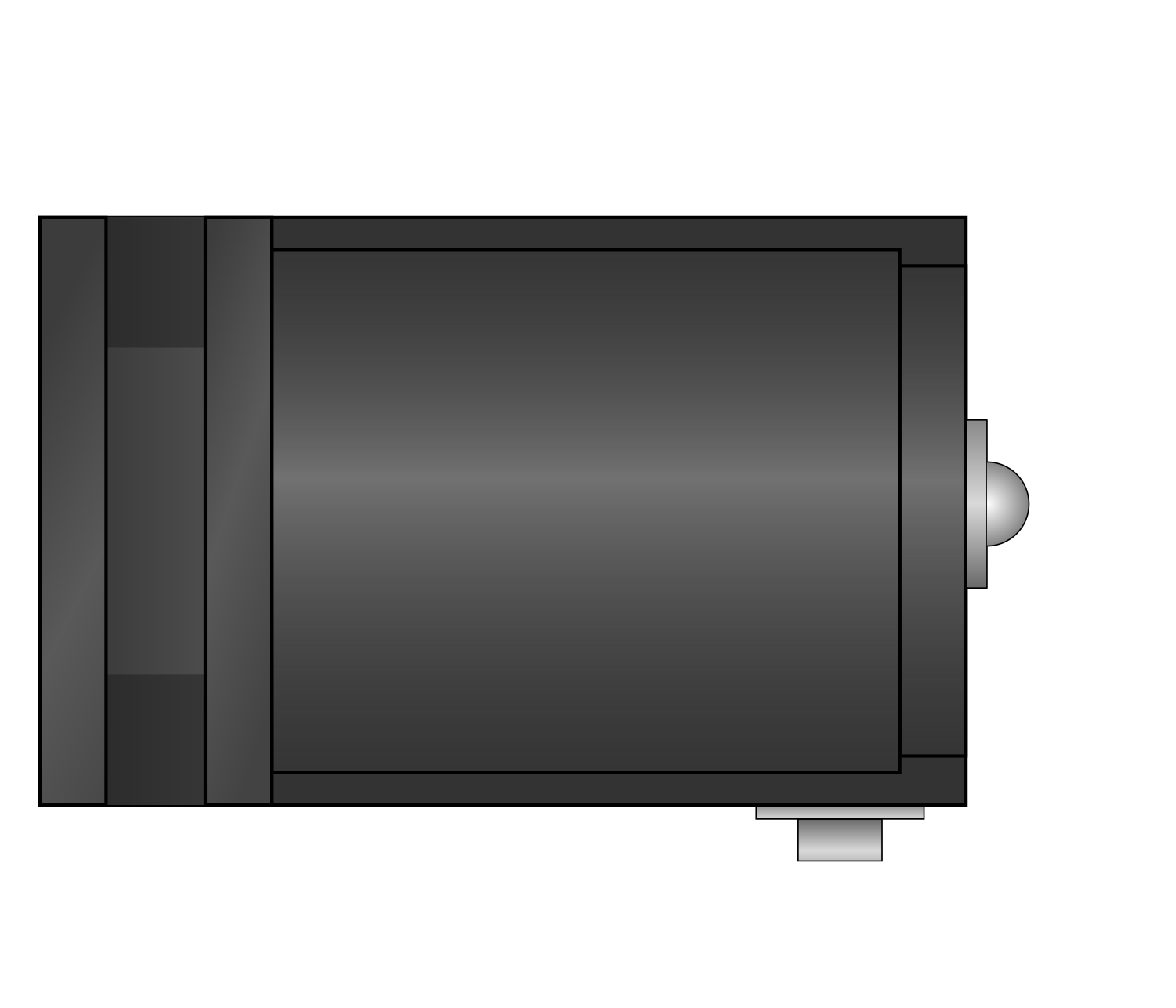
The 2.1mm DC Barrel Jack is a widely used electrical connector designed for supplying power to electronic devices. It features a cylindrical design with a 2.1mm inner diameter and a 5.5mm outer diameter, making it compatible with many standard power adapters. This component is commonly found in consumer electronics, DIY projects, and prototyping applications where a reliable and easy-to-use power connection is required.
Explore Projects Built with 2.1mm DC Barrel Jack
 Open Project in Cirkit Designer
 Open Project in Cirkit Designer
 Open Project in Cirkit Designer
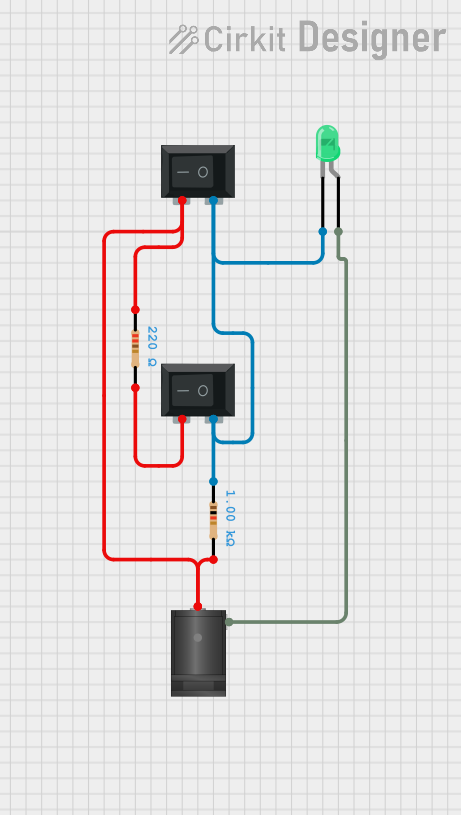 Open Project in Cirkit Designer
Explore Projects Built with 2.1mm DC Barrel Jack
Open Project in Cirkit DesignerOpen Project in Cirkit DesignerOpen Project in Cirkit DesignerOpen Project in Cirkit DesignerCommon Applications and Use Cases
- Powering Arduino boards, Raspberry Pi, and other microcontrollers
- Supplying power to small appliances, LED strips, and audio equipment
- Prototyping circuits and DIY electronics projects
- Replacing or repairing power connectors in consumer devices
Technical Specifications
The following are the key technical details of the 2.1mm DC Barrel Jack:
| Parameter | Specification |
|---|---|
| Inner Diameter | 2.1mm |
| Outer Diameter | 5.5mm |
| Voltage Rating | Typically up to 24V DC |
| Current Rating | Typically up to 5A |
| Connector Type | Female (socket) |
| Mounting Style | Panel mount or PCB mount |
| Polarity | Center pin positive (common) |
| Material | Metal contacts with plastic housing |
Pin Configuration and Descriptions
The 2.1mm DC Barrel Jack typically has three pins:
| Pin | Description |
|---|---|
| Center Pin | Positive terminal (commonly connected to the positive voltage of the power source). |
| Outer Sleeve | Negative terminal (commonly connected to ground). |
| Switch Pin | Optional pin used for detecting plug insertion or switching circuits (if available). |
Usage Instructions
How to Use the 2.1mm DC Barrel Jack in a Circuit
- Identify the Pins: Determine the center pin (positive), outer sleeve (negative), and switch pin (if present).
- Connect Power Source: Ensure the power adapter matches the voltage and current requirements of your circuit.
- Soldering: If using a PCB mount jack, solder the pins to the appropriate pads on the PCB. For panel mount jacks, secure the jack to the panel and connect wires to the pins.
- Polarity Check: Verify the polarity of the power source and ensure it matches the circuit's requirements. Most jacks are center-positive, but always confirm.
- Testing: After connecting the jack, test the circuit to ensure proper operation.
Important Considerations and Best Practices
- Voltage and Current Ratings: Do not exceed the voltage and current ratings of the jack to avoid overheating or damage.
- Polarity: Always confirm the polarity of the power adapter and the circuit to prevent reverse polarity damage.
- Mounting: For panel mount jacks, ensure the jack is securely fastened to prevent movement or disconnection.
- Switch Pin Usage: If the jack includes a switch pin, it can be used to detect when a plug is inserted or to switch between power sources.
Example: Connecting to an Arduino UNO
The 2.1mm DC Barrel Jack is commonly used to power an Arduino UNO. Below is an example of how to connect it:
- Use a 9V or 12V DC power adapter with a 2.1mm plug.
- Plug the adapter into the barrel jack on the Arduino UNO.
- Ensure the adapter's polarity is center-positive.
Arduino Code Example
If you are using the barrel jack to power an Arduino UNO, you can upload the following code to test the board:
// Simple LED Blink Test for Arduino UNO
// Ensure the Arduino is powered via the 2.1mm DC Barrel Jack

const int ledPin = 13; // Built-in LED pin on Arduino UNO

void setup() {
  pinMode(ledPin, OUTPUT); // Set the LED pin as an output
}

void loop() {
  digitalWrite(ledPin, HIGH); // Turn the LED on
  delay(1000);               // Wait for 1 second
  digitalWrite(ledPin, LOW);  // Turn the LED off
  delay(1000);               // Wait for 1 second
}
Troubleshooting and FAQs
Common Issues and Solutions
No Power to the Circuit
- Cause: Incorrect polarity or loose connections.
- Solution: Verify the polarity of the power adapter and ensure all connections are secure.
Overheating of the Barrel Jack
- Cause: Exceeding the current rating of the jack.
- Solution: Use a power adapter that matches the current requirements of your circuit.
Intermittent Power
- Cause: Poor soldering or loose panel mount.
- Solution: Re-solder the connections or tighten the panel mount.
Switch Pin Not Working
- Cause: Incorrect wiring or unused switch pin.
- Solution: Verify the wiring and ensure the switch pin is connected to the appropriate circuit.
FAQs
Q: Can I use a 2.5mm plug with a 2.1mm DC Barrel Jack?
A: No, a 2.5mm plug will not make proper contact with a 2.1mm jack, leading to unreliable connections.
Q: What is the maximum voltage I can use with this jack?
A: Most 2.1mm DC Barrel Jacks are rated for up to 24V DC, but always check the specific rating of your component.
Q: How do I identify the polarity of my power adapter?
A: Look for the polarity diagram on the adapter. A center-positive adapter will have a "+" symbol pointing to the center pin.
Q: Can I use this jack for AC power?
A: No, the 2.1mm DC Barrel Jack is designed for DC power only. Using AC power may damage the jack or connected devices.