Cirkit Designer LogoCirkit DesignerYour all-in-one circuit design IDE Launch Cirkit Designer App

How to Use Power Plug with ground: Examples, Pinouts, and Specs

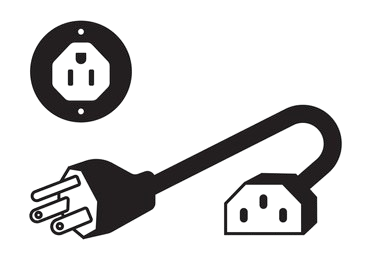
Image of Power Plug with groundDesign with Power Plug with ground in Cirkit Designer

Introduction

A power plug with a grounding pin is an essential component used to connect electrical devices to a power source while providing a path to ground for safety. This type of plug is commonly found in household appliances, industrial equipment, and various electronic devices. The grounding pin ensures that any stray electrical current is safely directed to the ground, reducing the risk of electric shock and equipment damage.

Explore Projects Built with Power Plug with ground

Use Cirkit Designer to design, explore, and prototype these projects online. Some projects support real-time simulation. Click "Open Project" to start designing instantly!
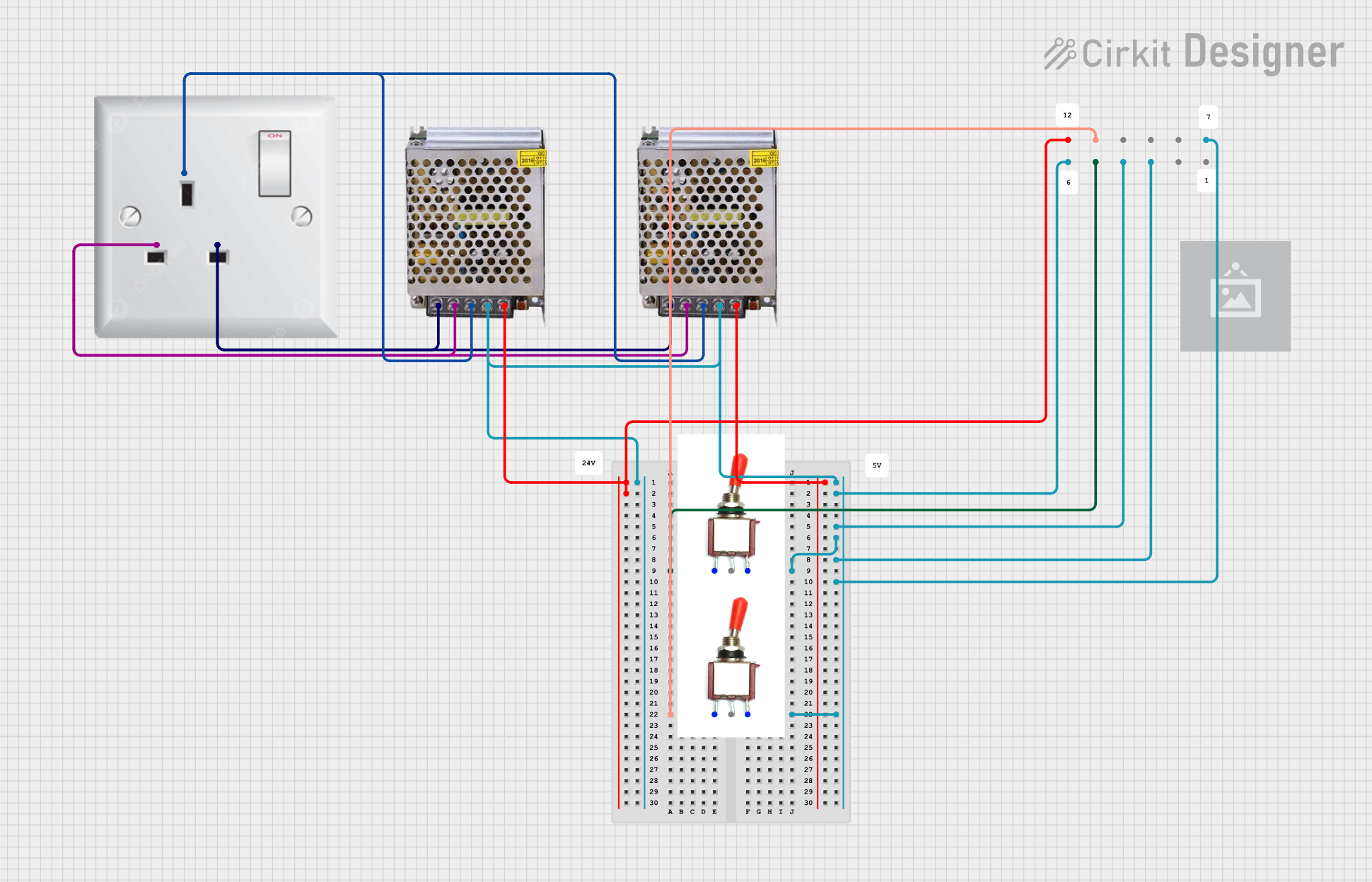
Image of Dual 5V Power Supply Distribution Circuit with Toggle Switch Control: A project utilizing Power Plug with ground in a practical application

Dual 5V Power Supply Distribution Circuit with Toggle Switch Control

This circuit consists of two 5V 5A power supplies connected to an AC wall plug point, providing DC output through a 12-way connector. The ground connections from both power supplies are interconnected and also connected to the ground pins of two toggle switches. The DC outputs from the power supplies are separately connected to different pins on the 12-way connector, with each power supply output being switchable via one of the toggle switches.

Open Project in Cirkit Designer
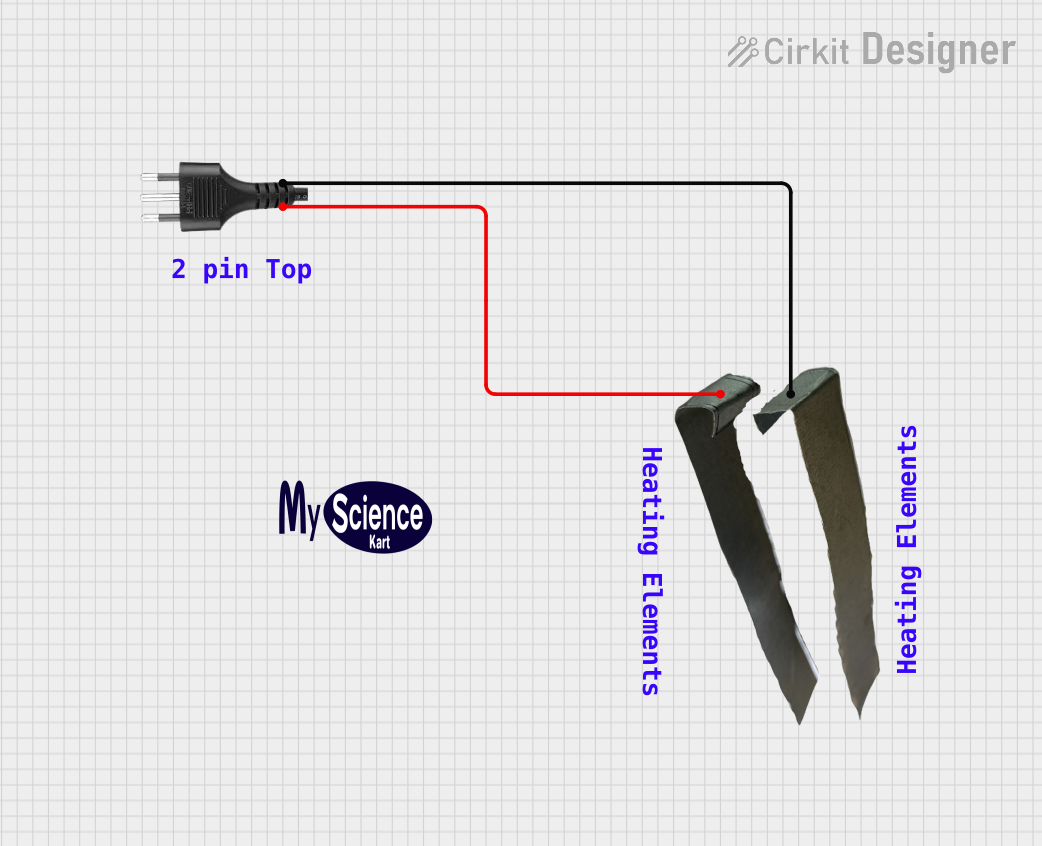
Image of Heater Control Circuit with Power Socket Integration: A project utilizing Power Plug with ground in a practical application
Heater Control Circuit with Power Socket Integration

The circuit connects a heater to a power source via a socket. The heater is likely to be powered directly from the socket, with the positive and negative terminals of the socket providing the necessary voltage and ground connections to the heater. There are no control elements or sensors present in the circuit, indicating that the heater operates at a constant power level when connected.

Open Project in Cirkit Designer
Image of Pushbutton Interface with General Purpose I/O Plug: A project utilizing Power Plug with ground in a practical application
Pushbutton Interface with General Purpose I/O Plug

This circuit consists of a General Purpose Input/Output (GPIO) plug connected to four pushbuttons. Each pushbutton is wired to a unique input pin on the GPIO plug, allowing the state of each button (pressed or not pressed) to be detected individually. The common terminals of the pushbuttons are interconnected and likely serve as a ground or reference voltage connection.

Open Project in Cirkit Designer
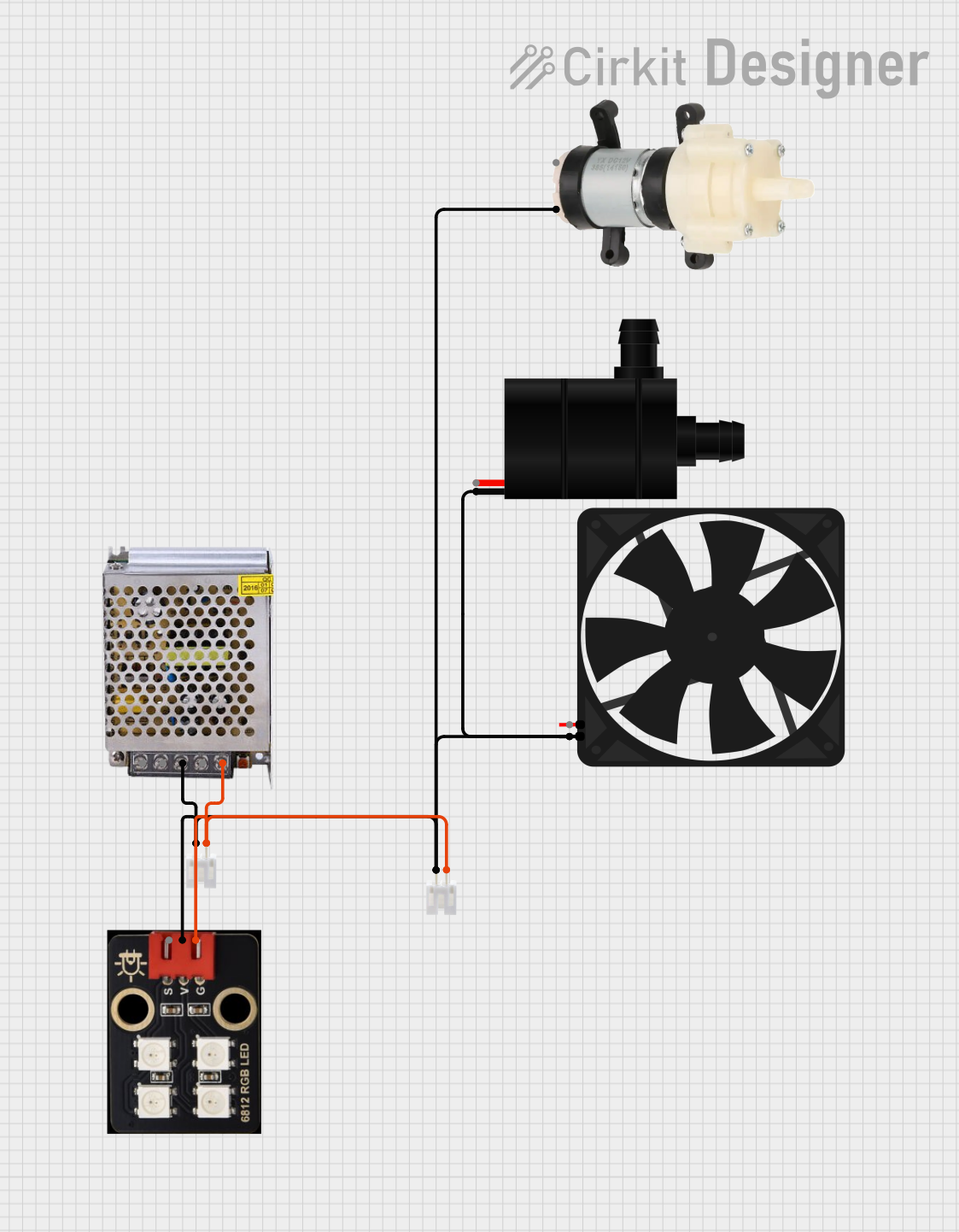
Image of 12V Multi-Component Control Circuit: A project utilizing Power Plug with ground in a practical application
12V Multi-Component Control Circuit

This circuit appears to be a power distribution system that supplies power to various components from a 12V 5A power supply. It connects the negative terminal of the power supply to the ground (GND) pins of a mini diaphragm water pump, an RGB LED, a fan, and a water pump, while the positive DC output is connected to the positive pins of the RGB LED and presumably to other components through JST PH 2.0 connectors. The circuit lacks a controlling element, such as a microcontroller, suggesting that the components operate continuously or are switched externally.

Open Project in Cirkit Designer

Technical Specifications

Key Technical Details

Parameter Specification
Voltage Rating 110-240V AC
Current Rating 10-15A
Power Rating Up to 1800W
Ground Pin Yes
Plug Type Varies by region (e.g., NEMA 5-15 for North America)
Material High-quality, durable plastic and metal contacts

Pin Configuration and Descriptions

Pin Number Pin Name Description
1 Live (L) Carries the current from the power source
2 Neutral (N) Returns the current to the power source
3 Ground (G) Provides a path to ground for safety

Usage Instructions

How to Use the Component in a Circuit

  1. Identify the Pins: Ensure you correctly identify the live, neutral, and ground pins on the power plug.
  2. Connect the Wires:
    • Connect the live wire (usually brown or black) to the live pin.
    • Connect the neutral wire (usually blue or white) to the neutral pin.
    • Connect the ground wire (usually green or green-yellow) to the ground pin.
  3. Secure the Connections: Make sure all connections are secure and there are no exposed wires.
  4. Test the Connection: Before using the device, test the connection with a multimeter to ensure there are no short circuits and that the ground connection is intact.

Important Considerations and Best Practices

Troubleshooting and FAQs

Common Issues Users Might Face

  1. Loose Connections: If the plug feels loose in the socket, it may not make a proper connection.
  2. No Power: If the connected device does not power on, there may be an issue with the wiring or the power source.
  3. Overheating: If the plug or wires become hot, it may indicate an overload or poor connection.

Solutions and Tips for Troubleshooting

FAQs

Q: Can I use this power plug with high-power appliances? A: Yes, as long as the appliance's power rating does not exceed the plug's rated capacity (up to 1800W).

Q: How do I know if the ground connection is working? A: Use a multimeter to check for continuity between the ground pin and a known ground point.

Q: Can I replace a two-prong plug with this three-prong plug? A: Yes, but ensure the device has a ground wire and that the outlet is properly grounded.

Conclusion

A power plug with a grounding pin is a crucial component for safely connecting electrical devices to a power source. By following the usage instructions and best practices outlined in this documentation, you can ensure a safe and reliable connection for your electronic devices. Regular inspection and proper maintenance will help prevent common issues and extend the lifespan of your power plug.