
How to Use BQ25504: Examples, Pinouts, and Specs

 Design with BQ25504 in Cirkit Designer
Introduction
The BQ25504 is a highly integrated energy harvesting management IC designed for ultra-low-power applications. It is specifically engineered to efficiently capture and manage energy from low-output sources such as solar cells, thermoelectric generators (TEGs), or piezoelectric devices. The BQ25504 is ideal for applications requiring energy harvesting to power small, energy-efficient devices while maximizing energy storage in supercapacitors or rechargeable batteries.
Explore Projects Built with BQ25504
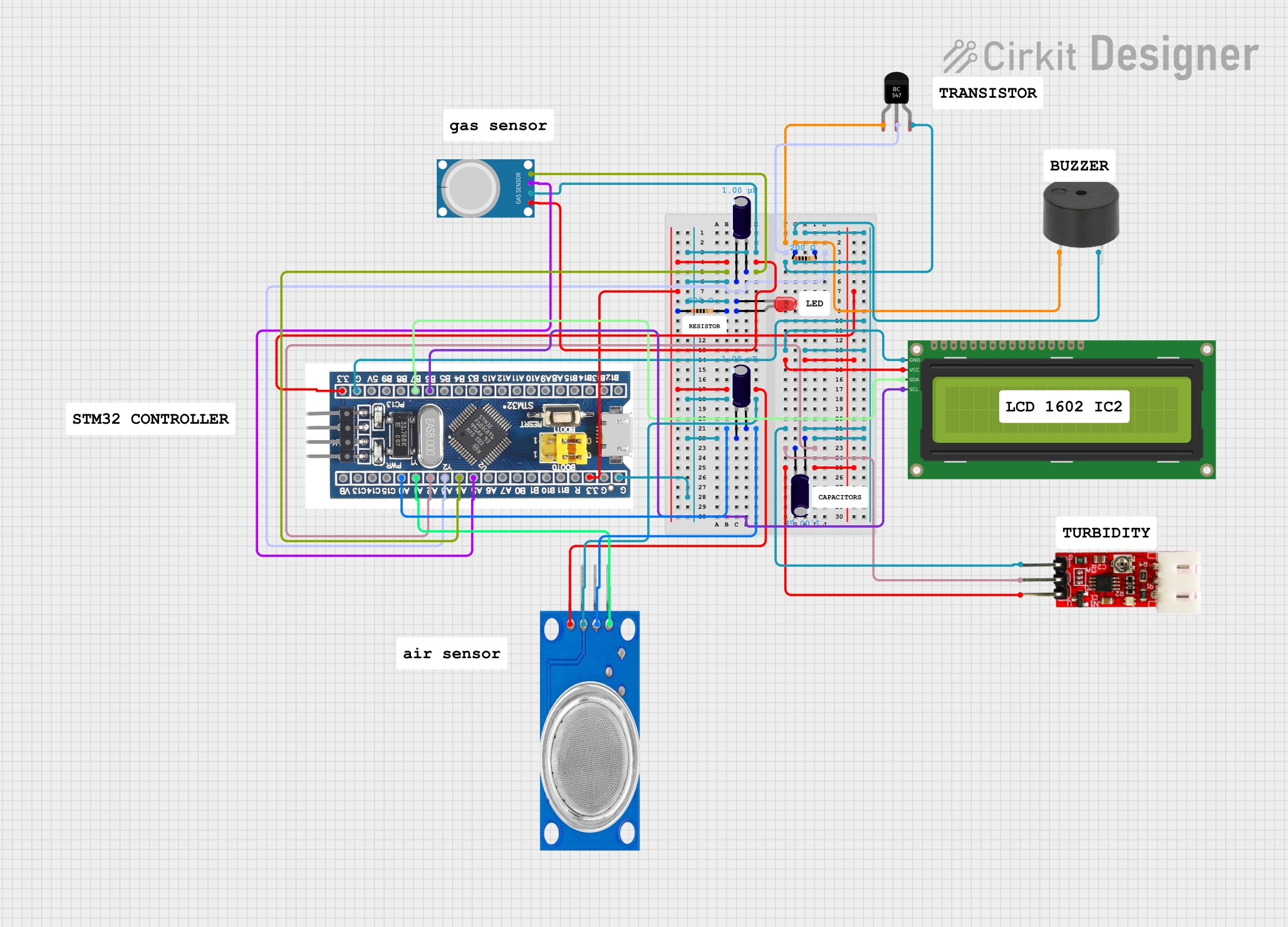 Open Project in Cirkit Designer
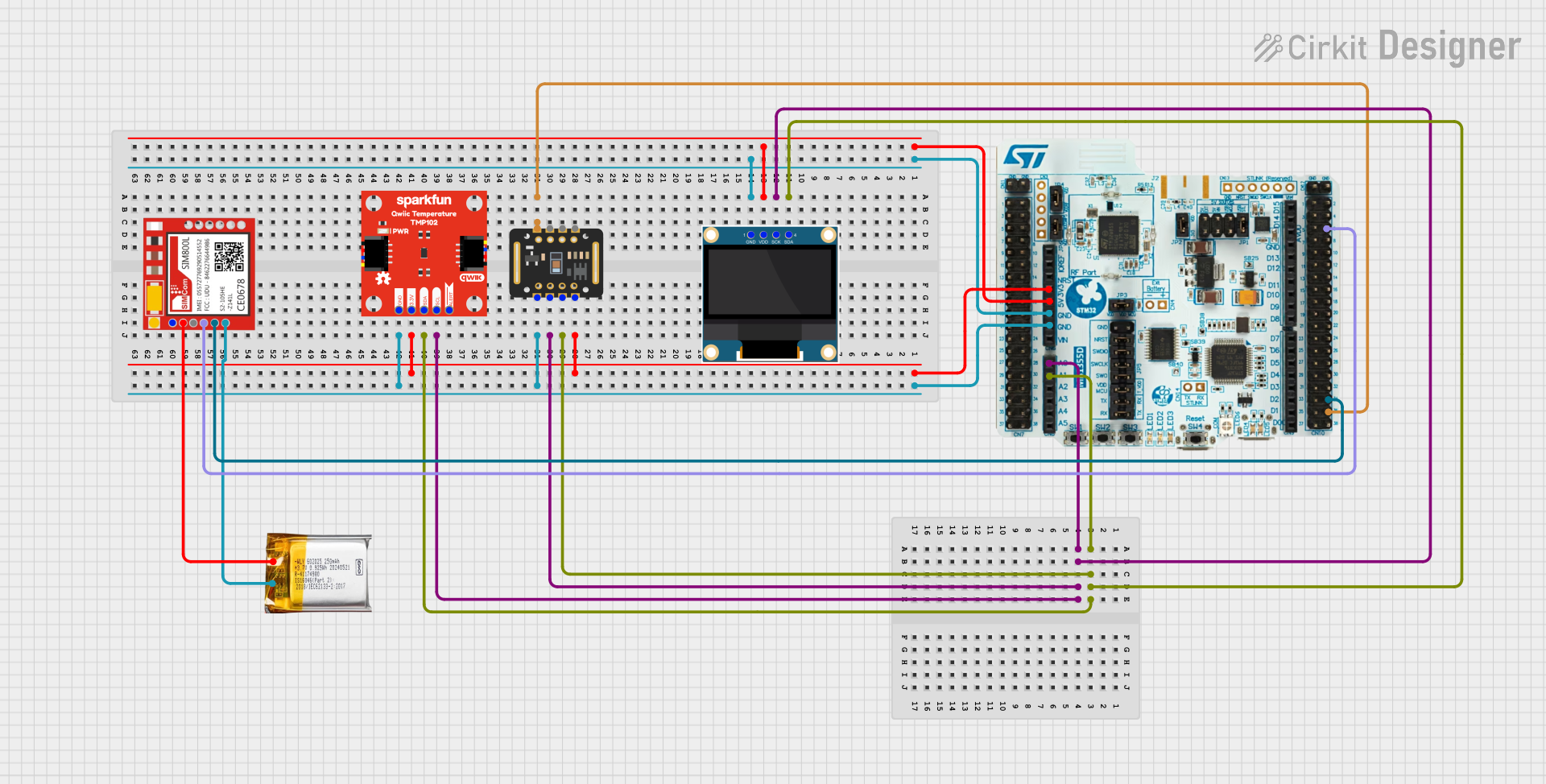 Open Project in Cirkit Designer
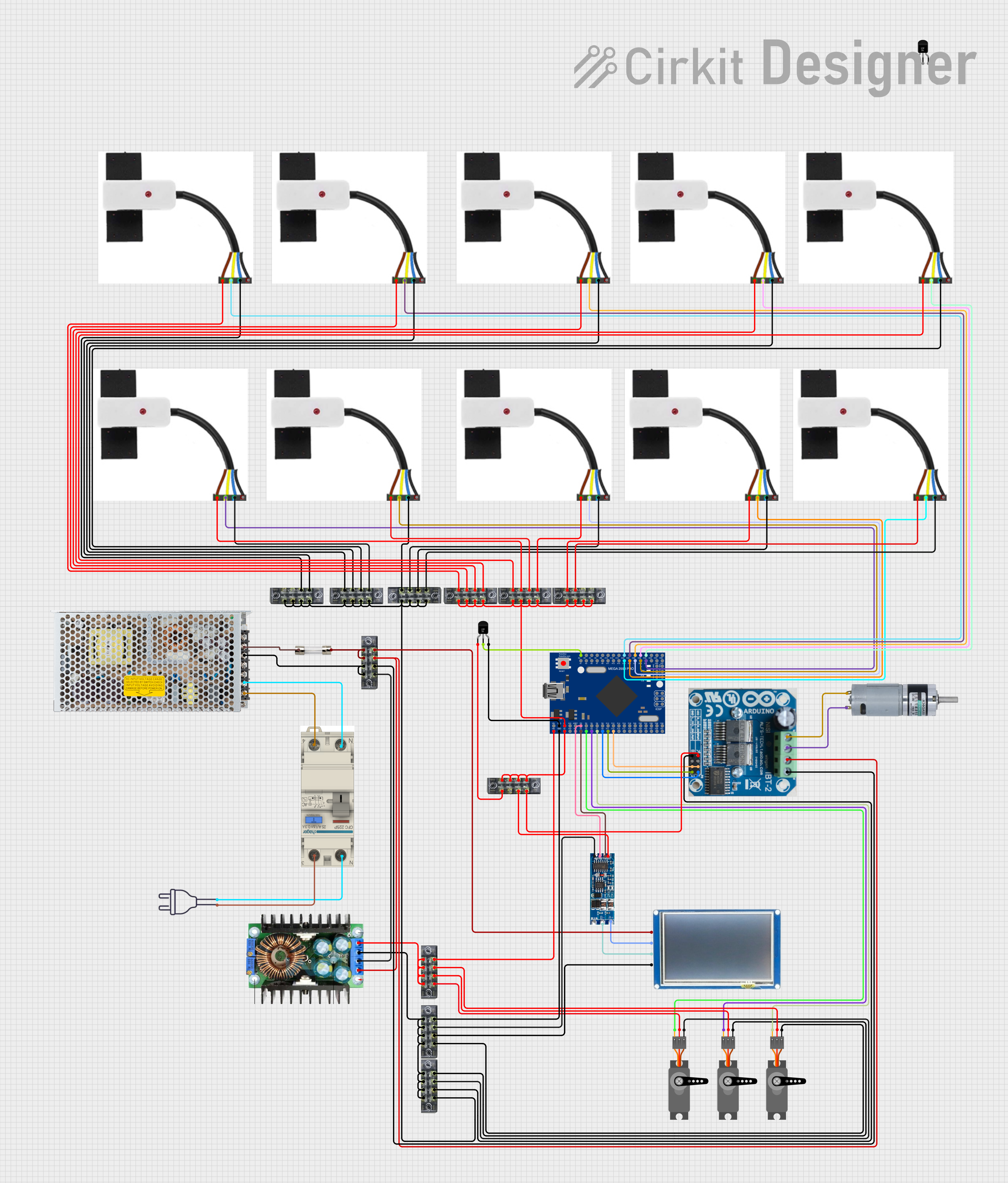 Open Project in Cirkit Designer
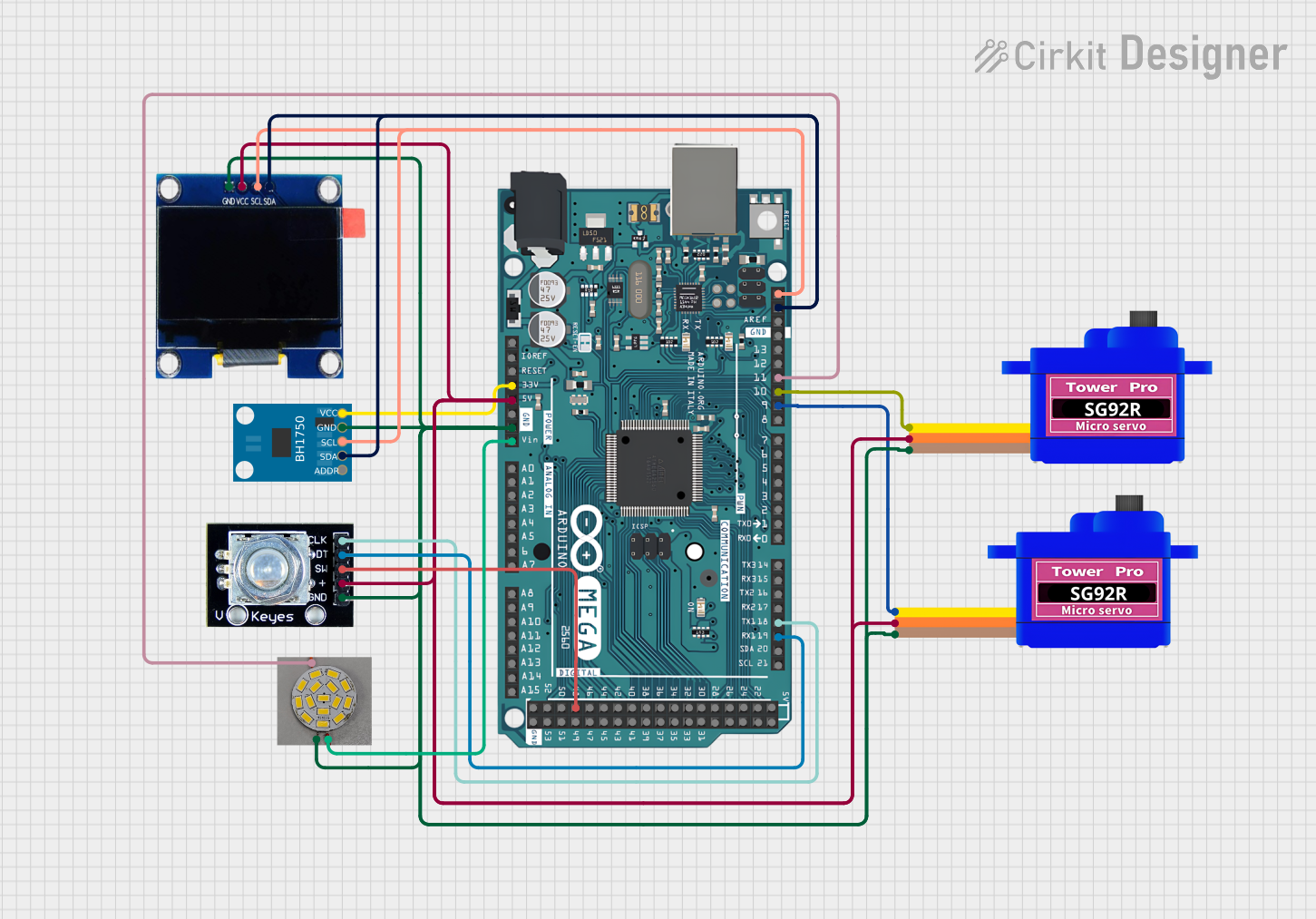 Open Project in Cirkit Designer
Explore Projects Built with BQ25504
Open Project in Cirkit DesignerOpen Project in Cirkit DesignerOpen Project in Cirkit DesignerOpen Project in Cirkit DesignerCommon Applications
- Wireless sensor networks
- Internet of Things (IoT) devices
- Wearable electronics
- Remote monitoring systems
- Energy harvesting from solar panels or thermoelectric generators
Technical Specifications
Key Technical Details
| Parameter | Value |
|---|---|
| Input Voltage Range | 80 mV to 3.6 V |
| Output Voltage Range | Programmable up to 5.5 V |
| Cold-Start Voltage | 330 mV (minimum) |
| Quiescent Current | 330 nA (typical) |
| Maximum Input Power | 510 mW |
| Energy Storage Options | Supercapacitors, Li-ion batteries, etc. |
| Operating Temperature Range | -40°C to +85°C |
| Package Type | 16-pin QFN (3 mm x 3 mm) |
Pin Configuration and Descriptions
| Pin Number | Pin Name | Description |
|---|---|---|
| 1 | VSTOR | Output voltage to the storage element (e.g., battery or supercapacitor). |
| 2 | VBAT_OV | Overvoltage threshold for the storage element. |
| 3 | VBAT_OK | Indicates whether the storage element voltage is within the valid range. |
| 4 | VOUT | Regulated output voltage for the load. |
| 5 | GND | Ground connection. |
| 6 | VIN_DC | Input voltage from the energy harvesting source. |
| 7 | VOC_SAMP | Sampling pin for open-circuit voltage of the energy source. |
| 8 | VREF_SAMP | Reference voltage sampling pin. |
| 9 | EN_HRV | Enable pin for the energy harvesting mode. |
| 10 | MPPT | Maximum Power Point Tracking (MPPT) configuration pin. |
| 11 | NC | No connection. Leave unconnected. |
| 12 | VSS | Substrate ground. |
| 13 | BAT_OK | Battery status indicator. |
| 14 | VREF | Reference voltage output. |
| 15 | VBIAS | Bias voltage for internal circuitry. |
| 16 | NC | No connection. Leave unconnected. |
Usage Instructions
How to Use the BQ25504 in a Circuit
- Connect the Energy Source: Attach the energy harvesting source (e.g., solar panel or TEG) to the
VIN_DCpin. Ensure the input voltage is within the specified range (80 mV to 3.6 V). - Configure MPPT: Use a resistor divider on the
MPPTpin to set the Maximum Power Point Tracking (MPPT) ratio. This ensures the IC operates at the optimal power point of the energy source. - Connect the Storage Element: Attach a supercapacitor or rechargeable battery to the
VSTORpin. The IC will manage charging and discharging automatically. - Set Overvoltage Protection: Use a resistor divider on the
VBAT_OVpin to set the overvoltage threshold for the storage element. - Load Connection: Connect the load to the
VOUTpin. The IC will provide a regulated output voltage to power the load. - Enable Energy Harvesting: Ensure the
EN_HRVpin is set high to enable energy harvesting functionality.
Important Considerations
- Cold Start: The BQ25504 requires a minimum input voltage of 330 mV to cold start. Once started, it can operate with input voltages as low as 80 mV.
- MPPT Configuration: Properly configure the MPPT ratio to match the characteristics of your energy source for maximum efficiency.
- Storage Element Selection: Use a storage element with appropriate capacity and voltage ratings to ensure reliable operation.
- Thermal Management: Ensure adequate thermal dissipation if operating near the maximum power rating.
Example: Using BQ25504 with an Arduino UNO
The BQ25504 can be used to power an Arduino UNO in low-power applications. Below is an example of how to monitor the VBAT_OK pin using the Arduino:
// Pin configuration
const int vbatOkPin = 2; // Connect VBAT_OK pin of BQ25504 to digital pin 2

void setup() {
  pinMode(vbatOkPin, INPUT); // Set VBAT_OK pin as input
  Serial.begin(9600);        // Initialize serial communication
}

void loop() {
  int vbatStatus = digitalRead(vbatOkPin); // Read VBAT_OK status

  if (vbatStatus == HIGH) {
    // VBAT_OK is HIGH, storage element voltage is within valid range
    Serial.println("Battery voltage is OK.");
  } else {
    // VBAT_OK is LOW, storage element voltage is outside valid range
    Serial.println("Battery voltage is NOT OK.");
  }

  delay(1000); // Wait for 1 second before checking again
}
Troubleshooting and FAQs
Common Issues and Solutions
The IC does not start up:
- Ensure the input voltage is at least 330 mV for cold start.
- Check the connections to the
VIN_DCpin and verify the energy source is functioning correctly.
Low efficiency in energy harvesting:
- Verify the MPPT configuration. Adjust the resistor divider on the
MPPTpin to match the energy source's characteristics. - Ensure the input voltage is within the specified range (80 mV to 3.6 V).
- Verify the MPPT configuration. Adjust the resistor divider on the
Storage element not charging:
- Check the connections to the
VSTORpin and ensure the storage element is functional. - Verify the overvoltage threshold set on the
VBAT_OVpin is appropriate for the storage element.
- Check the connections to the
Output voltage is unstable:
- Ensure the load connected to the
VOUTpin does not exceed the IC's power capabilities. - Check for proper decoupling capacitors on the
VOUTandVSTORpins.
- Ensure the load connected to the
FAQs
Q: Can the BQ25504 operate with input voltages below 330 mV?
A: The IC requires a minimum of 330 mV to cold start. Once started, it can operate with input voltages as low as 80 mV.
Q: What types of storage elements are compatible with the BQ25504?
A: The IC supports supercapacitors, Li-ion batteries, and other rechargeable storage elements within the specified voltage range.
Q: How do I configure the MPPT ratio?
A: Use a resistor divider on the MPPT pin to set the desired MPPT ratio. Refer to the datasheet for recommended resistor values based on your energy source.
Q: Can the BQ25504 power high-current loads?
A: The IC is designed for low-power applications. Ensure the load current does not exceed the IC's maximum output power rating.