
How to Use A7682S: Examples, Pinouts, and Specs
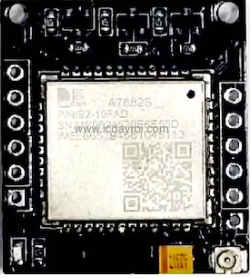
 Design with A7682S in Cirkit Designer
Introduction
The A7682S is a high-performance, low-power operational amplifier (op-amp) designed for precision signal processing applications. It offers a wide bandwidth, low noise, and high slew rate, making it an ideal choice for a variety of analog circuit designs. The A7682S is commonly used in instrumentation, audio processing, active filters, and sensor signal conditioning, where accuracy and stability are critical.
Explore Projects Built with A7682S
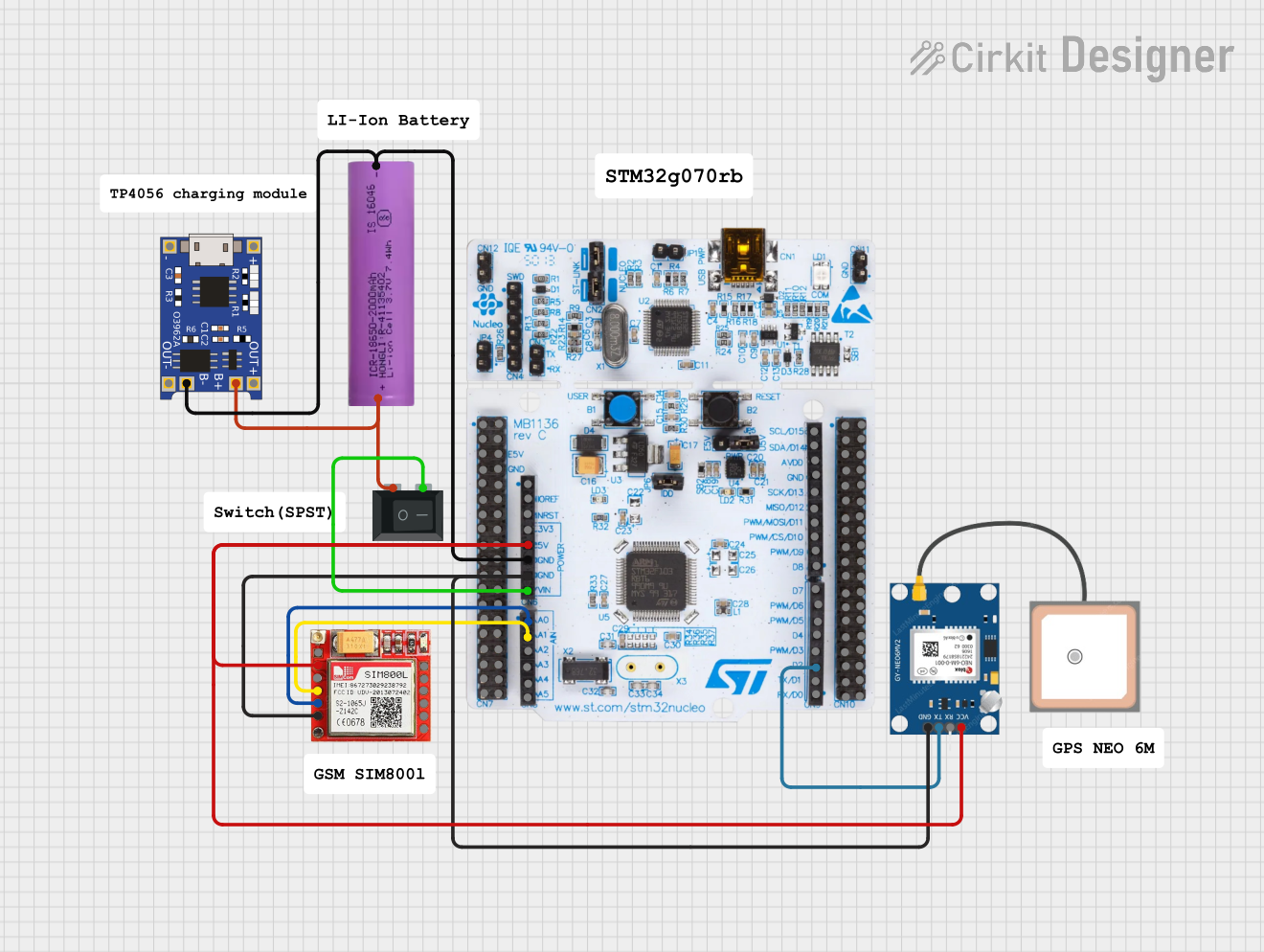 Open Project in Cirkit Designer
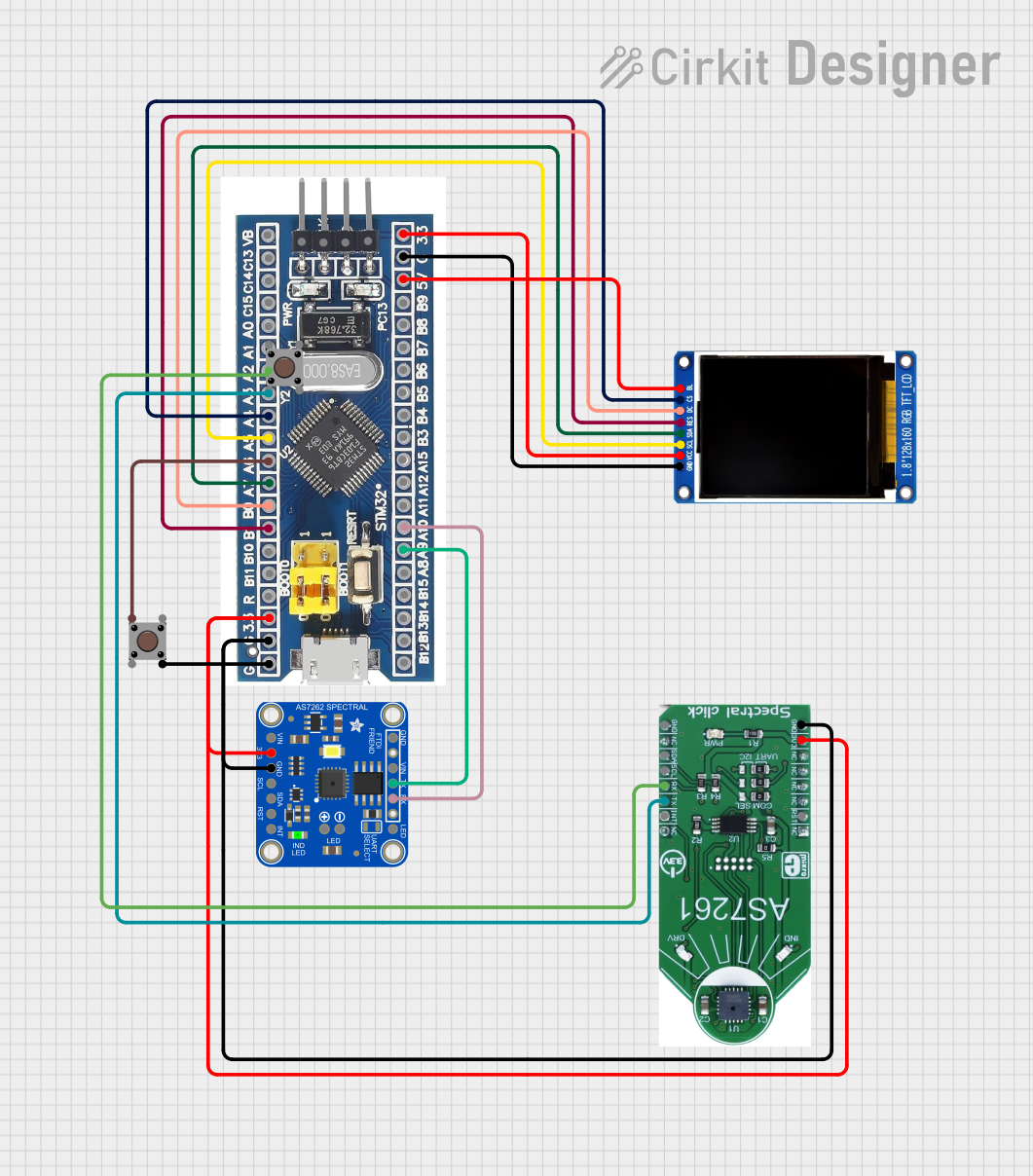 Open Project in Cirkit Designer
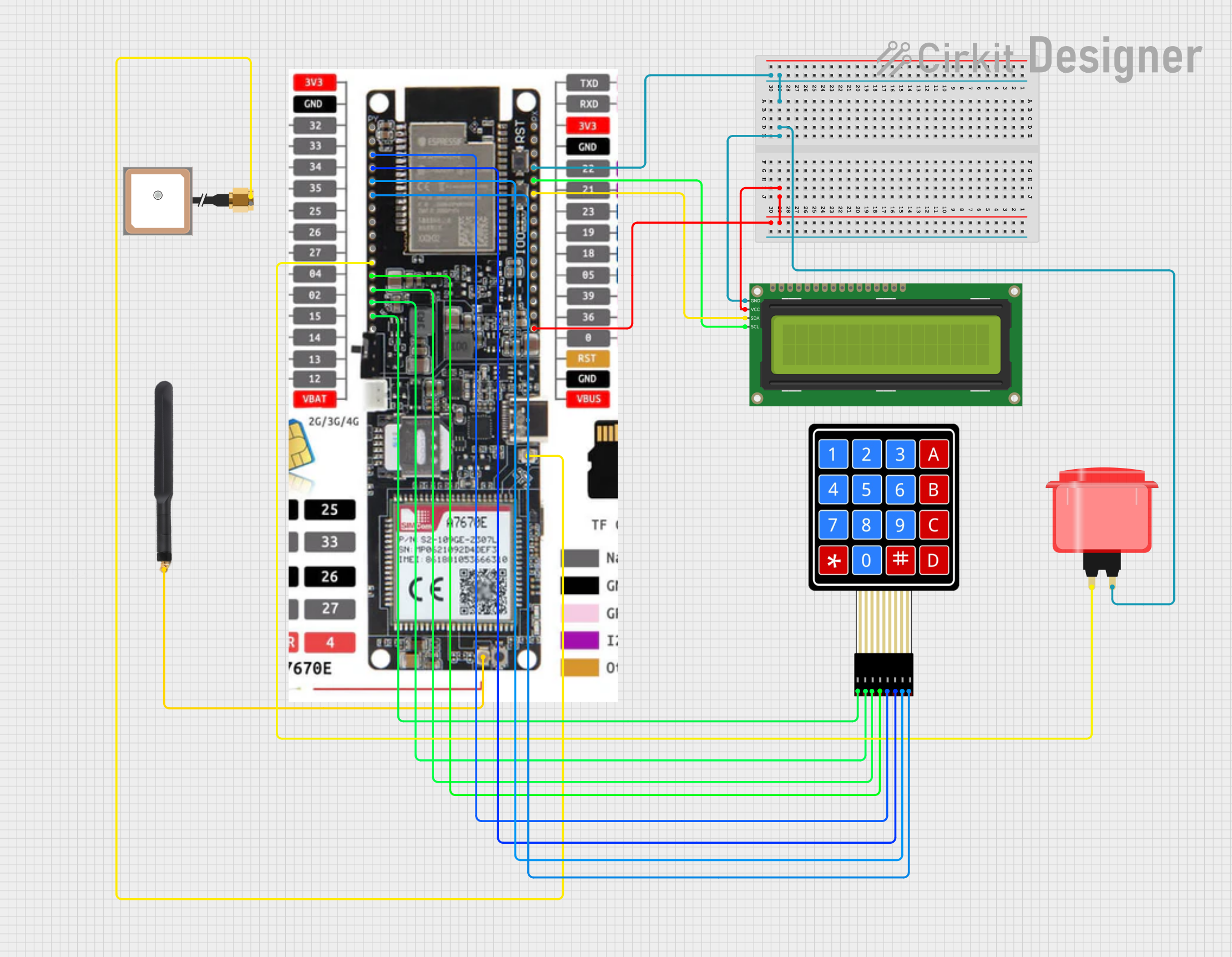 Open Project in Cirkit Designer
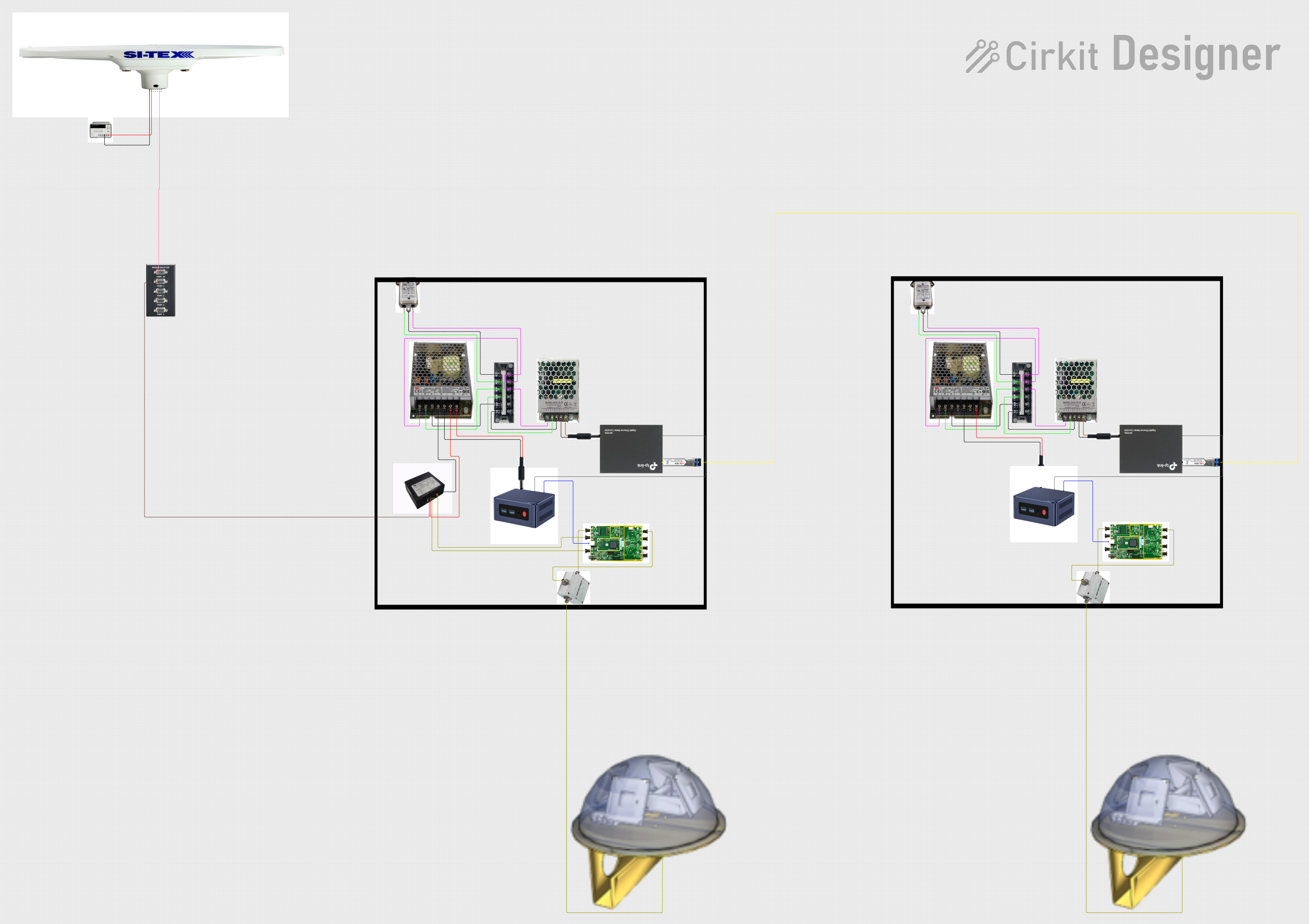 Open Project in Cirkit Designer
Explore Projects Built with A7682S
Open Project in Cirkit DesignerOpen Project in Cirkit DesignerOpen Project in Cirkit DesignerOpen Project in Cirkit DesignerCommon Applications:
- Instrumentation amplifiers
- Active filters (low-pass, high-pass, band-pass)
- Audio signal processing
- Sensor signal conditioning
- Precision voltage followers
Technical Specifications
The A7682S is designed to meet the needs of high-precision analog circuits. Below are its key technical specifications:
| Parameter | Value |
|---|---|
| Supply Voltage Range | ±2.5V to ±15V (dual supply) |
| Input Offset Voltage | 0.5 mV (typical) |
| Input Bias Current | 10 nA (typical) |
| Gain Bandwidth Product | 10 MHz |
| Slew Rate | 5 V/µs |
| Input Noise Density | 10 nV/√Hz @ 1 kHz |
| Output Voltage Swing | ±(Vcc - 0.2V) |
| Operating Temperature | -40°C to +85°C |
| Package Options | SOIC-8, DIP-8 |
Pin Configuration and Descriptions
The A7682S is typically available in an 8-pin package. Below is the pinout and description:
| Pin Number | Pin Name | Description |
|---|---|---|
| 1 | Offset Null | Offset voltage adjustment (optional) |
| 2 | Inverting Input (-) | Inverting input terminal of the op-amp |
| 3 | Non-Inverting Input (+) | Non-inverting input terminal of the op-amp |
| 4 | V- (GND) | Negative power supply or ground |
| 5 | Offset Null | Offset voltage adjustment (optional) |
| 6 | Output | Output terminal of the op-amp |
| 7 | V+ | Positive power supply |
| 8 | NC (No Connect) | Not connected internally |
Usage Instructions
The A7682S is versatile and can be used in a variety of analog circuits. Below are general guidelines for using the component effectively:
Basic Circuit Configuration
- Power Supply: Connect the op-amp to a dual power supply (e.g., ±5V or ±12V) or a single supply (e.g., 5V) depending on your application.
- Input Connections: Connect the signal source to the inverting (-) or non-inverting (+) input, depending on the desired configuration (e.g., inverting or non-inverting amplifier).
- Feedback Resistor: Use a feedback resistor to set the gain of the amplifier. For example:
- Gain = -Rf/Rin (inverting configuration)
- Gain = 1 + (Rf/Rin) (non-inverting configuration)
- Bypass Capacitors: Place decoupling capacitors (e.g., 0.1 µF) close to the power supply pins to reduce noise.
Example: Non-Inverting Amplifier Circuit
Below is an example of a non-inverting amplifier circuit using the A7682S:
        +Vcc
         |
         |
        ( )
        ( ) 0.1 µF
        ( )
         |
         +------------------+
         |                  |
         |                  |
Input ---+---Rin---+        |
                  |         |
                  Rf        |
                  |         |
                  +---------+
                  |
                 (+) A7682S
                  |
                 (-)
                  |
                 GND
Arduino UNO Example
The A7682S can be used with an Arduino UNO for sensor signal conditioning. Below is an example code snippet for reading an amplified sensor signal:
// Define the analog input pin
const int sensorPin = A0; // Connect the op-amp output to A0

void setup() {
  Serial.begin(9600); // Initialize serial communication
}

void loop() {
  int sensorValue = analogRead(sensorPin); // Read the amplified signal
  float voltage = sensorValue * (5.0 / 1023.0); // Convert to voltage
  Serial.print("Sensor Voltage: ");
  Serial.println(voltage); // Print the voltage to the serial monitor
  delay(500); // Wait for 500 ms
}
Important Considerations
- Offset Null Adjustment: Use the offset null pins (if required) to minimize offset voltage in precision applications.
- Stability: Ensure proper feedback network design to avoid oscillations.
- Input Impedance: Use high-impedance sources to prevent loading effects on the op-amp inputs.
Troubleshooting and FAQs
Common Issues and Solutions
Output Saturation:
- Cause: Input signal exceeds the op-amp's input range or power supply limits.
- Solution: Ensure the input signal is within the specified range and the power supply voltage is adequate.
Oscillations:
- Cause: Improper feedback network or lack of bypass capacitors.
- Solution: Add decoupling capacitors near the power supply pins and verify the feedback network design.
High Noise:
- Cause: Poor grounding or interference from nearby components.
- Solution: Use proper grounding techniques and shield sensitive signal paths.
Low Gain:
- Cause: Incorrect resistor values in the feedback network.
- Solution: Verify and adjust the resistor values to achieve the desired gain.
FAQs
Q1: Can the A7682S operate with a single power supply?
A1: Yes, the A7682S can operate with a single supply (e.g., 5V), but ensure the input signal and output swing remain within the specified range.
Q2: What is the maximum load the A7682S can drive?
A2: The A7682S can typically drive loads of 2 kΩ or higher. For lower impedance loads, consider using a buffer stage.
Q3: How do I minimize noise in my circuit?
A3: Use proper decoupling capacitors, minimize trace lengths, and avoid running high-frequency signals near the op-amp.
Q4: Can I use the A7682S for audio applications?
A4: Yes, the A7682S's low noise and high bandwidth make it suitable for audio signal processing.
By following these guidelines and best practices, you can effectively integrate the A7682S into your analog circuit designs.