
How to Use Battery: Examples, Pinouts, and Specs
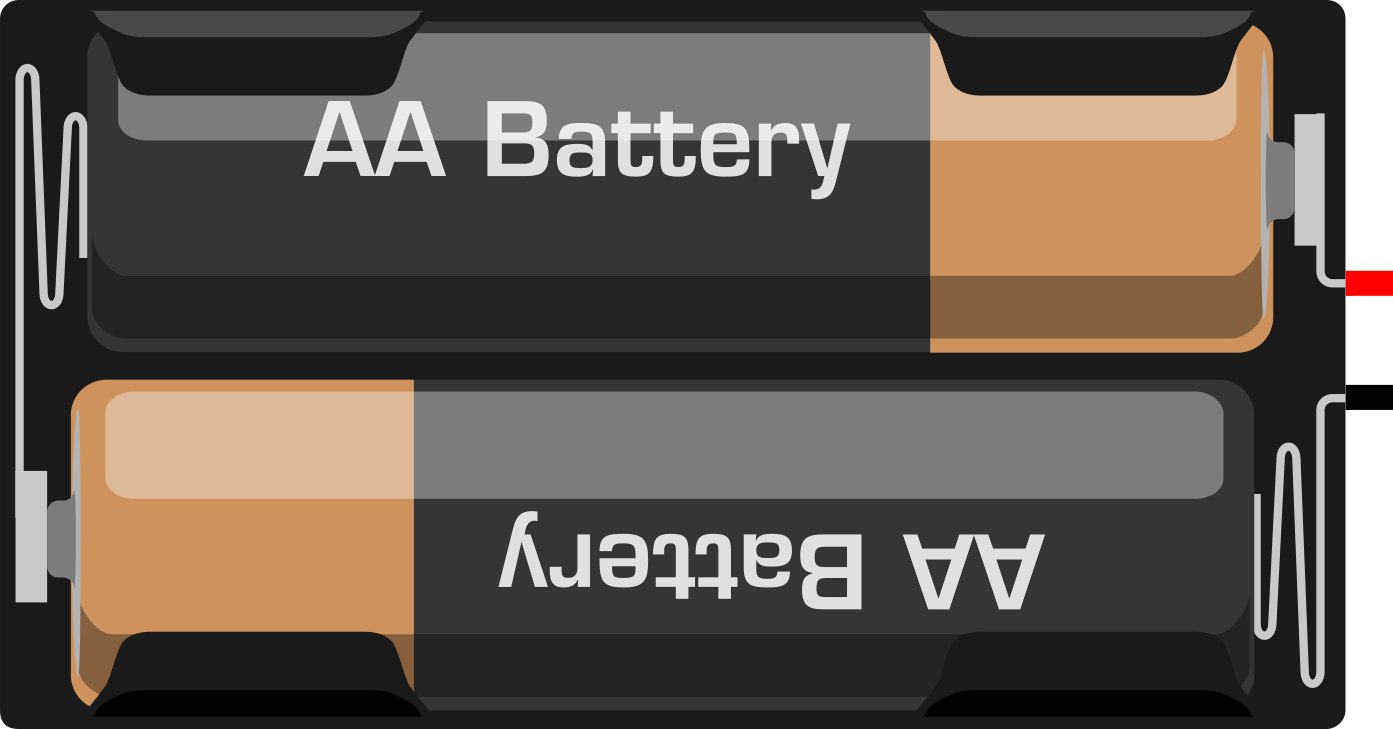
 Design with Battery in Cirkit Designer
Introduction
A battery is a device that stores electrical energy in chemical form and converts it into electrical energy to power electronic circuits. Batteries are widely used in various applications, ranging from small electronic devices like remote controls and smartphones to large systems such as electric vehicles and renewable energy storage. They are essential for providing portable and reliable power.
Common applications and use cases include:
- Powering portable electronic devices (e.g., smartphones, laptops, cameras)
- Backup power supplies (e.g., uninterruptible power supplies, emergency lighting)
- Energy storage for renewable energy systems (e.g., solar panels, wind turbines)
- Electric vehicles and robotics
Explore Projects Built with Battery
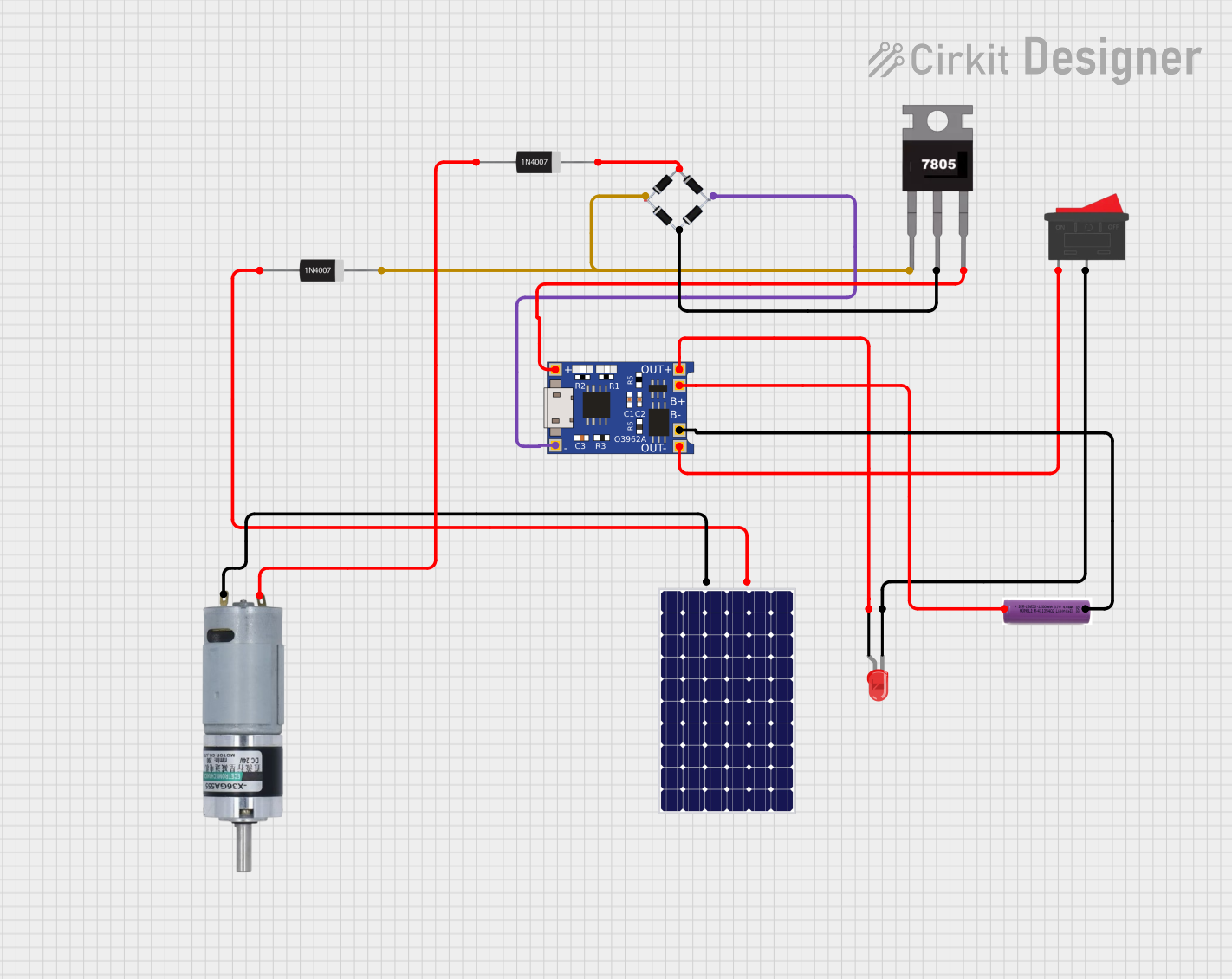 Open Project in Cirkit Designer
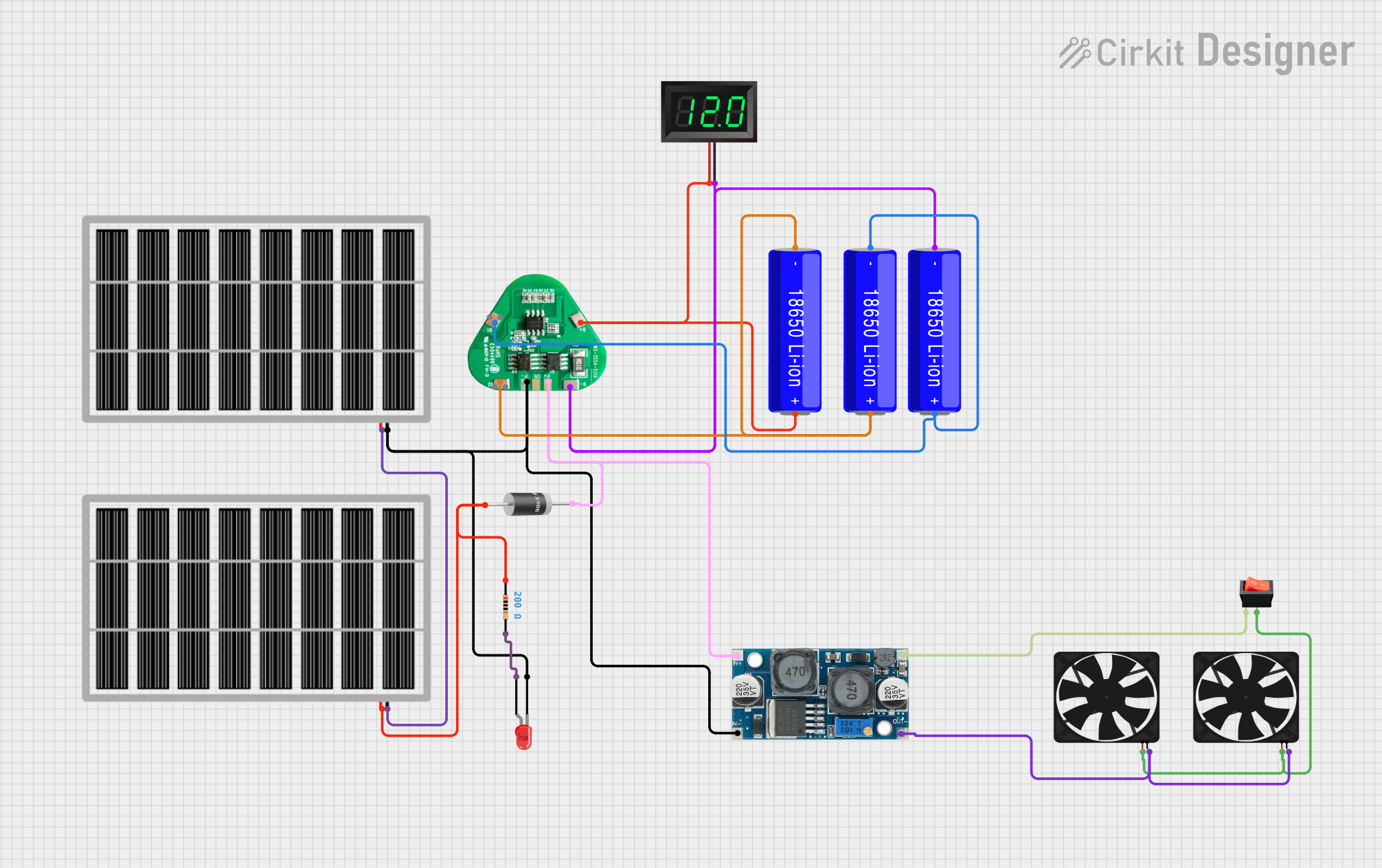 Open Project in Cirkit Designer
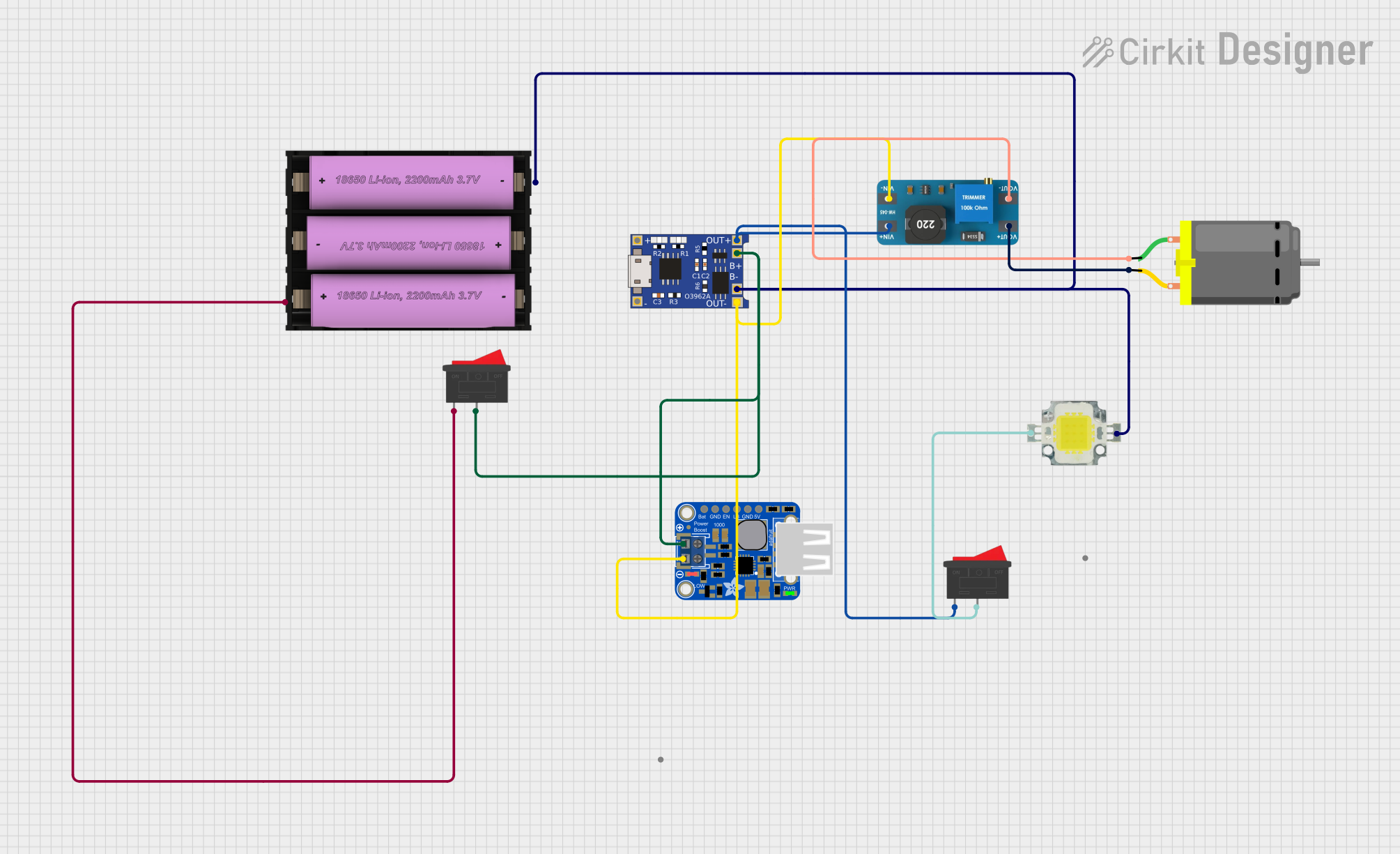 Open Project in Cirkit Designer
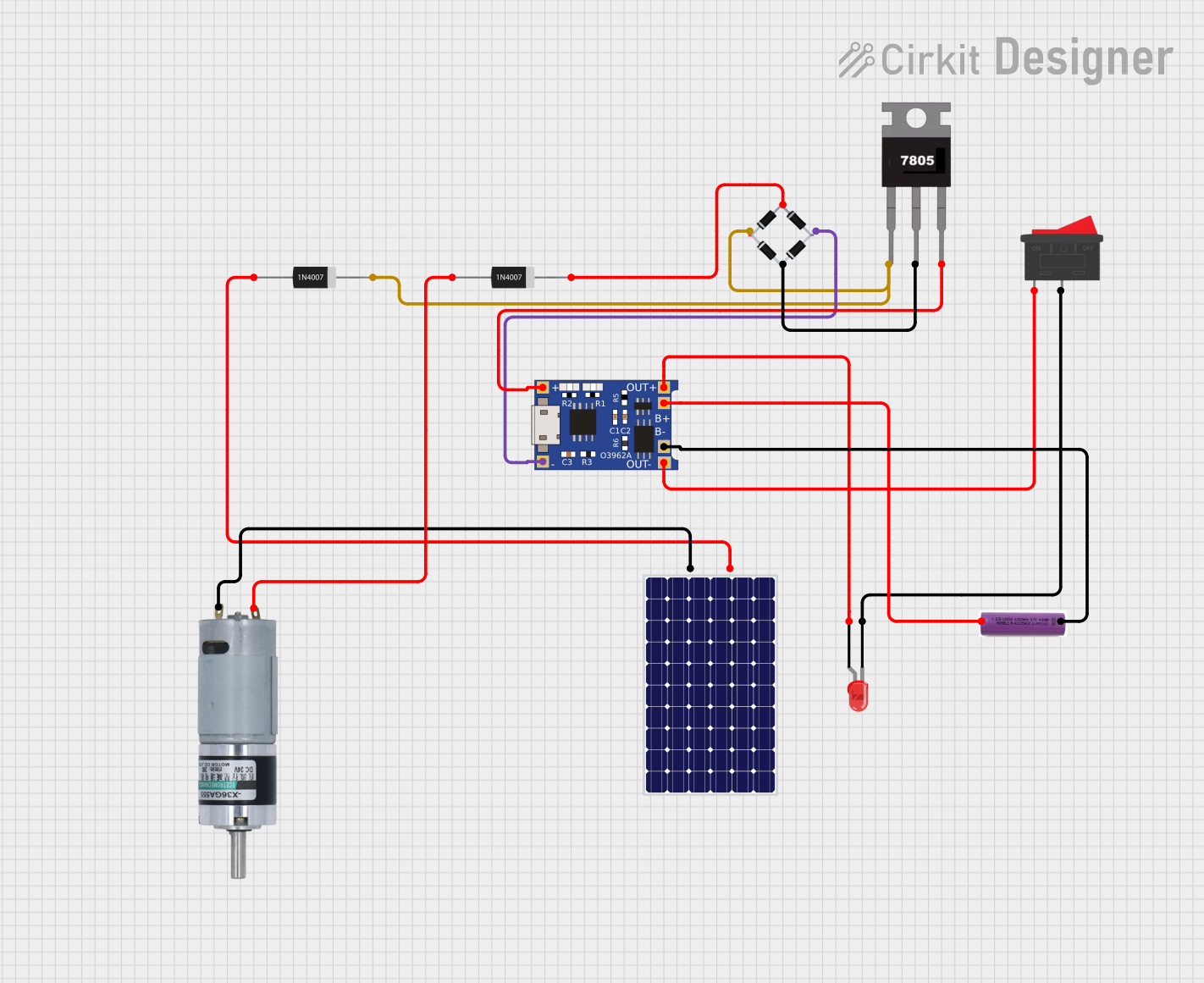 Open Project in Cirkit Designer
Explore Projects Built with Battery
Open Project in Cirkit DesignerOpen Project in Cirkit DesignerOpen Project in Cirkit DesignerOpen Project in Cirkit DesignerTechnical Specifications
The specifications of a battery vary depending on its type (e.g., alkaline, lithium-ion, lead-acid). Below are general technical details for a typical lithium-ion battery:
| Parameter | Specification |
|---|---|
| Nominal Voltage | 3.7V |
| Capacity | 1000mAh to 5000mAh (varies by model) |
| Maximum Discharge Rate | 1C to 3C (varies by model) |
| Charging Voltage | 4.2V (typical for lithium-ion) |
| Operating Temperature | -20°C to 60°C |
| Cycle Life | 300 to 1000 cycles |
Pin Configuration and Descriptions
For rechargeable batteries with connectors, the pin configuration is typically as follows:
| Pin | Name | Description |
|---|---|---|
| 1 | Positive (+) | Positive terminal of the battery |
| 2 | Negative (-) | Negative terminal of the battery |
| 3 | Thermistor (T) | Optional pin for temperature monitoring (if present) |
Note: The pinout may vary depending on the battery type and manufacturer. Always refer to the datasheet for specific details.
Usage Instructions
How to Use the Battery in a Circuit
- Determine Voltage and Capacity Requirements: Ensure the battery's voltage and capacity match the requirements of your circuit.
- Connect the Terminals Correctly: Connect the positive terminal of the battery to the positive rail of the circuit and the negative terminal to the ground.
- Use a Battery Holder or Connector: For safety and convenience, use a battery holder or connector to secure the battery in place.
- Include a Protection Circuit: For rechargeable batteries, use a battery management system (BMS) or protection circuit to prevent overcharging, over-discharging, and short circuits.
- Charge the Battery Properly: Use a compatible charger with the correct voltage and current ratings for the battery type.
Important Considerations and Best Practices
- Avoid Overcharging or Over-discharging: Overcharging can damage the battery, while over-discharging can reduce its lifespan.
- Monitor Temperature: Avoid using the battery in extreme temperatures, as this can affect performance and safety.
- Store Properly: Store batteries in a cool, dry place when not in use. For long-term storage, maintain a charge level of around 40-60%.
- Dispose Responsibly: Follow local regulations for recycling or disposing of batteries to minimize environmental impact.
Example: Connecting a Battery to an Arduino UNO
To power an Arduino UNO with a 9V battery, follow these steps:
- Connect the positive terminal of the 9V battery to the VIN pin on the Arduino.
- Connect the negative terminal of the battery to the GND pin on the Arduino.
Here is an example Arduino sketch to read the battery voltage using an analog pin:
// Define the analog pin connected to the battery voltage divider
const int batteryPin = A0;

// Define the voltage divider ratio (adjust based on your resistor values)
const float voltageDividerRatio = 2.0;

// Define the reference voltage of the Arduino (5V for most boards)
const float referenceVoltage = 5.0;

void setup() {
  Serial.begin(9600); // Initialize serial communication
}

void loop() {
  int analogValue = analogRead(batteryPin); // Read the analog value
  // Calculate the battery voltage
  float batteryVoltage = (analogValue / 1023.0) * referenceVoltage * voltageDividerRatio;

  // Print the battery voltage to the Serial Monitor
  Serial.print("Battery Voltage: ");
  Serial.print(batteryVoltage);
  Serial.println(" V");

  delay(1000); // Wait for 1 second before the next reading
}
Note: Use a voltage divider circuit to step down the battery voltage if it exceeds the Arduino's input voltage range.
Troubleshooting and FAQs
Common Issues and Solutions
Battery Drains Quickly:
- Cause: High current draw or a faulty battery.
- Solution: Check the circuit's current consumption and replace the battery if necessary.
Battery Overheats:
- Cause: Overcharging, short circuit, or high discharge rate.
- Solution: Use a protection circuit and ensure the battery is not overloaded.
Battery Does Not Charge:
- Cause: Faulty charger or damaged battery.
- Solution: Verify the charger is functioning correctly and replace the battery if needed.
Voltage Drops Under Load:
- Cause: Insufficient capacity or high internal resistance.
- Solution: Use a battery with a higher capacity or lower internal resistance.
FAQs
Q: Can I use any charger for my rechargeable battery?
A: No, always use a charger that matches the battery's voltage and current specifications to avoid damage.
Q: How do I know when to replace a battery?
A: Replace the battery if it no longer holds a charge, has visible damage, or exhibits significant voltage drops under load.
Q: Can I connect batteries in series or parallel?
A: Yes, connecting batteries in series increases voltage, while connecting them in parallel increases capacity. Ensure all batteries are of the same type and capacity.
Q: Is it safe to leave a battery connected to a circuit when not in use?
A: It is generally safe, but prolonged connection may drain the battery. Disconnect the battery or use a switch to prevent unnecessary discharge.