
How to Use XM 15B: Examples, Pinouts, and Specs
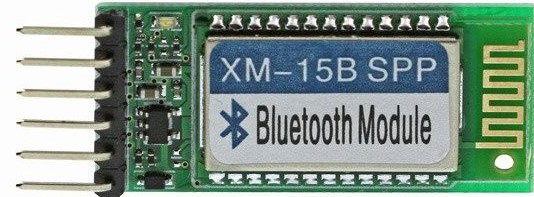
 Design with XM 15B in Cirkit Designer
Introduction
The XM 15B is a versatile electronic component widely utilized in communication systems. Renowned for its reliability and high performance, the XM 15B excels in signal processing applications, making it a popular choice for both industrial and consumer electronics. Its robust design and adaptability allow it to function effectively in a variety of environments, ensuring consistent operation in demanding scenarios.
Explore Projects Built with XM 15B
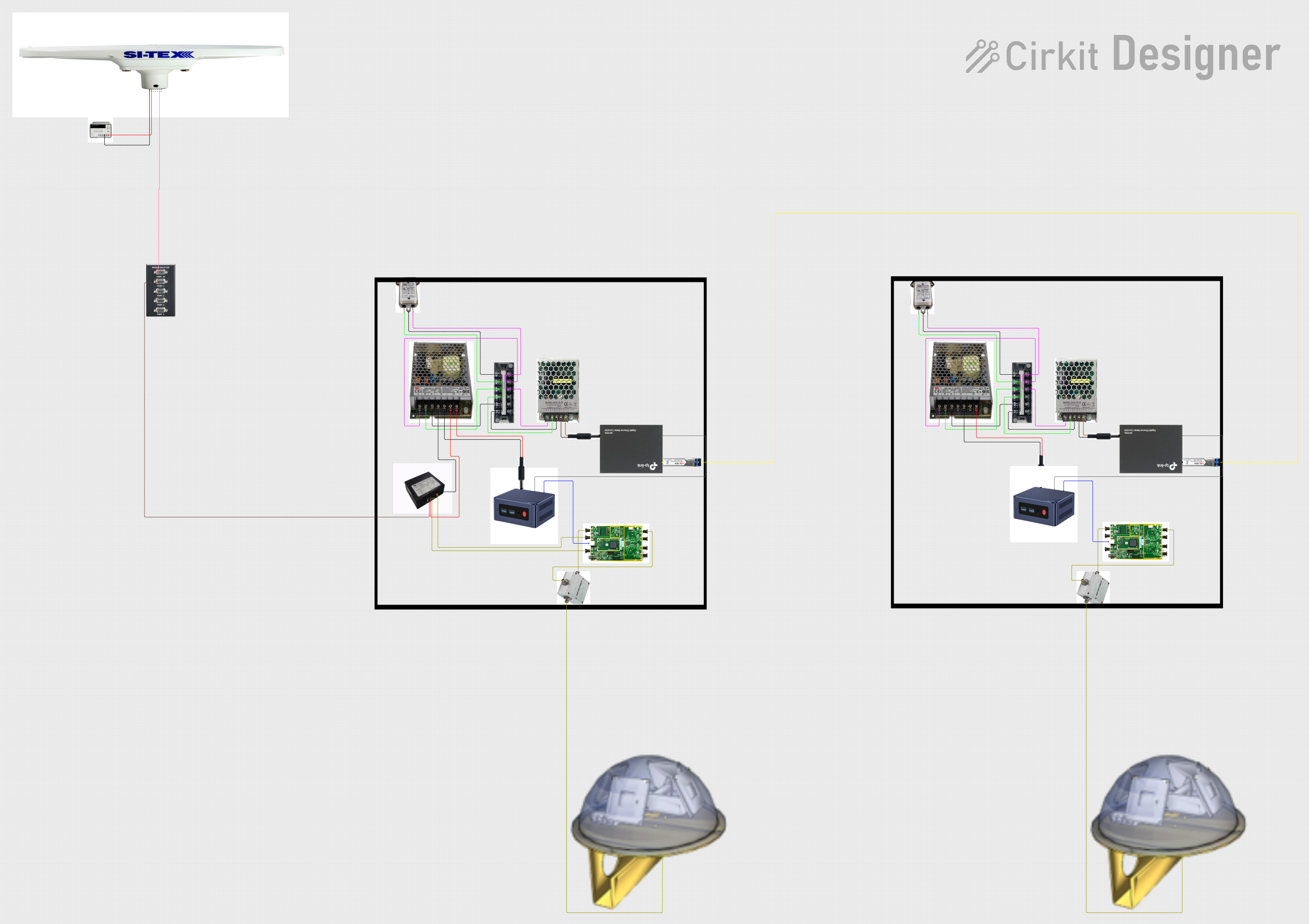 Open Project in Cirkit Designer
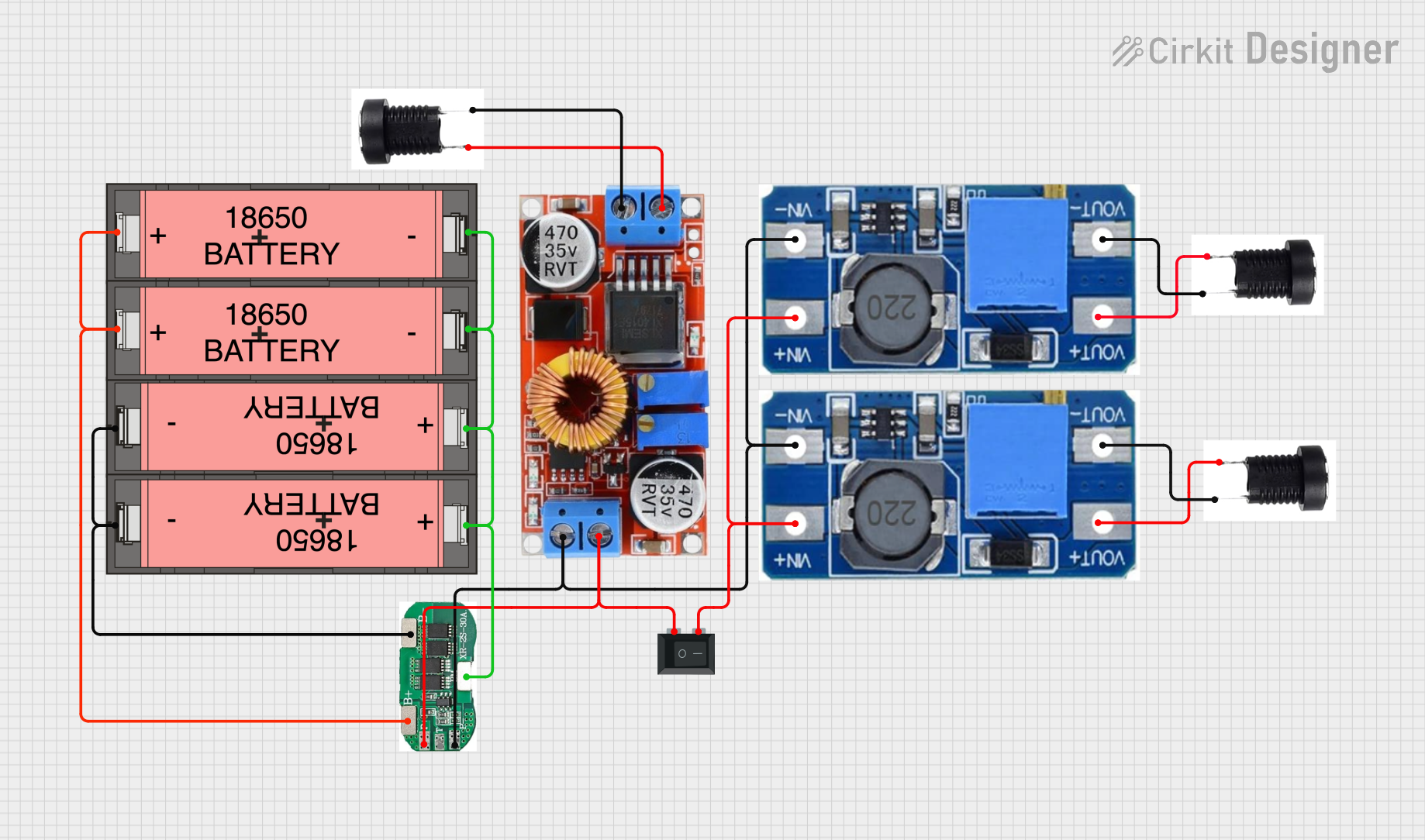 Open Project in Cirkit Designer
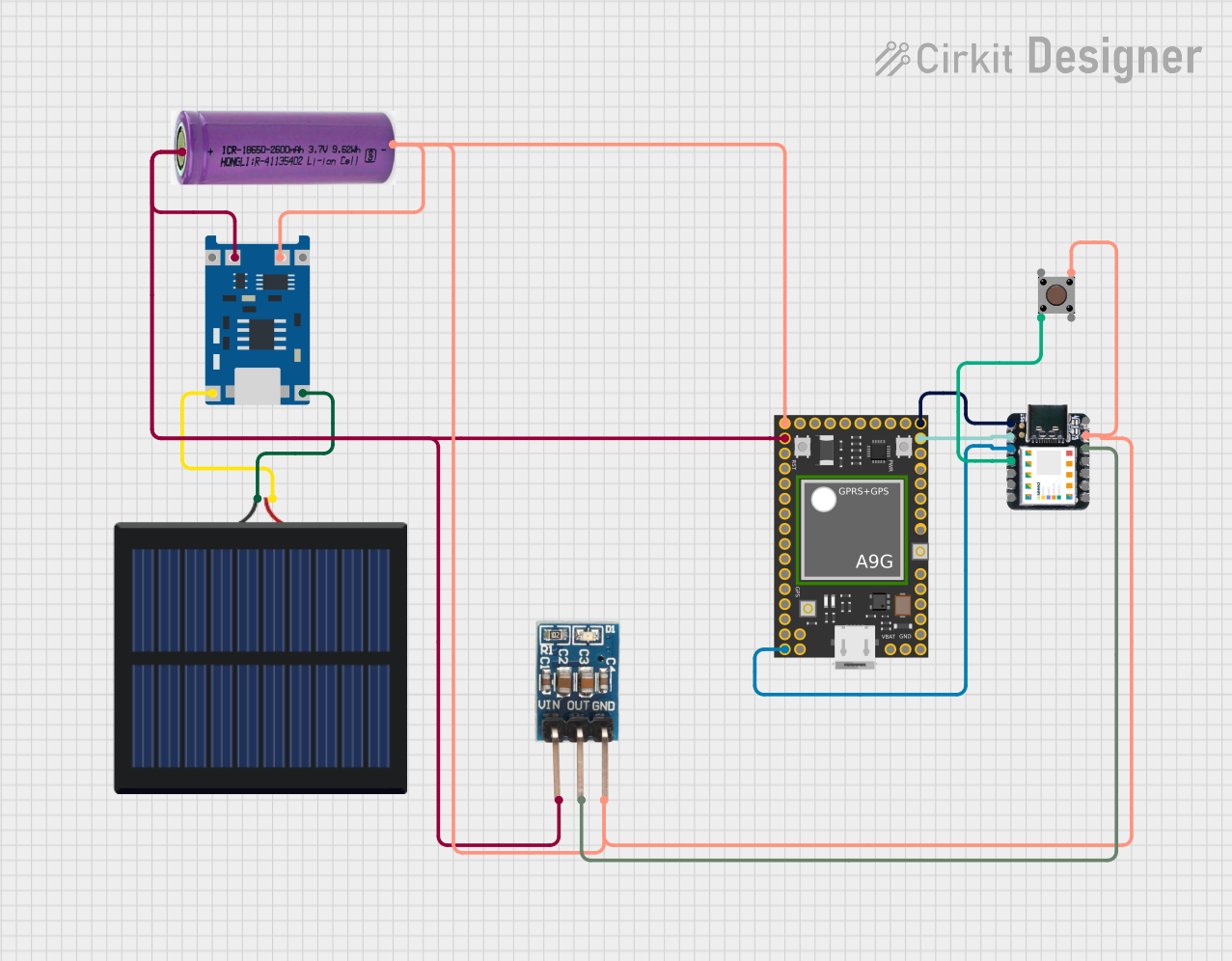 Open Project in Cirkit Designer
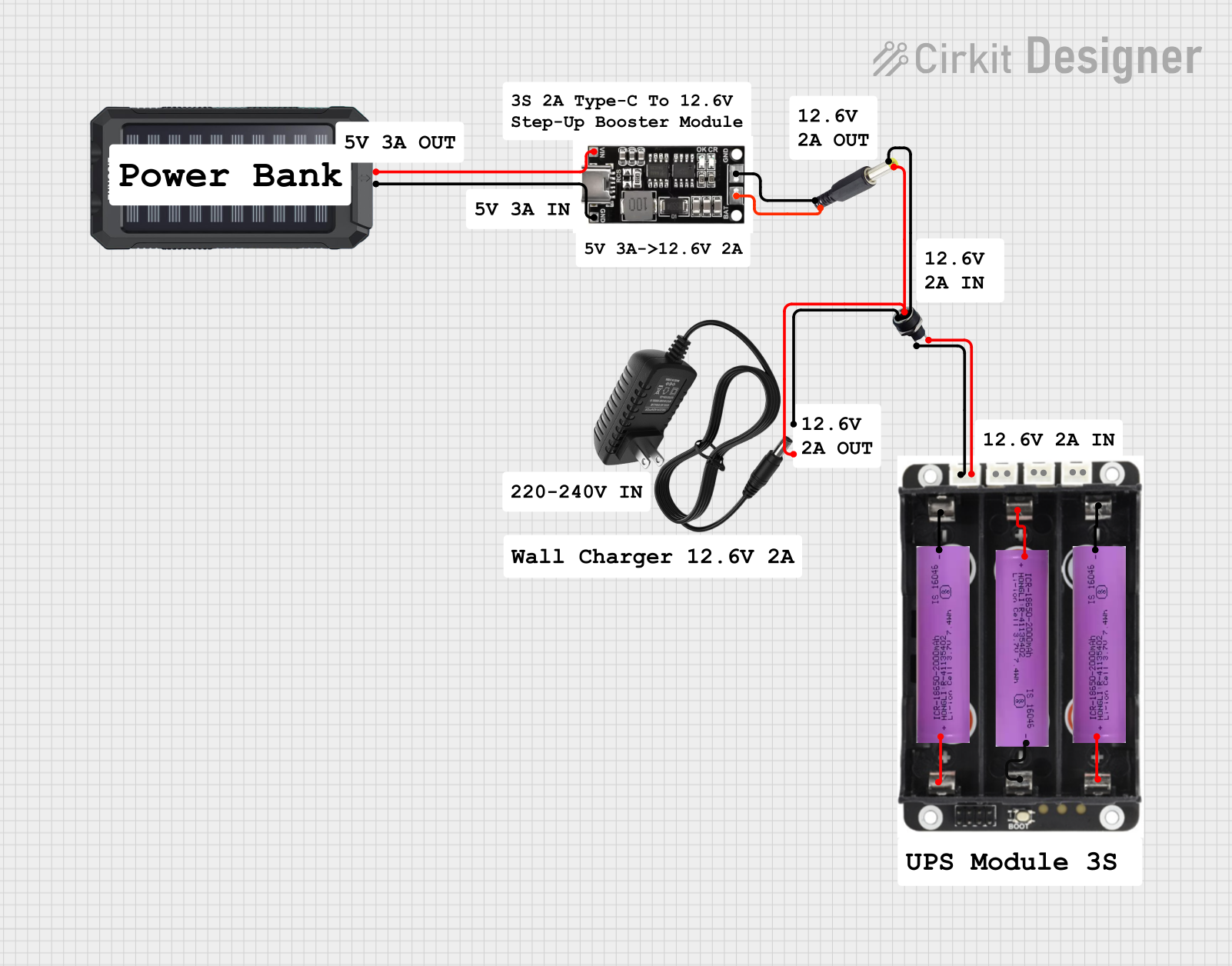 Open Project in Cirkit Designer
Explore Projects Built with XM 15B
Open Project in Cirkit DesignerOpen Project in Cirkit DesignerOpen Project in Cirkit DesignerOpen Project in Cirkit DesignerCommon Applications and Use Cases
- Signal amplification and processing in communication systems
- Noise reduction in audio and RF circuits
- Data transmission and reception in wireless devices
- Integration into IoT devices for enhanced signal handling
- Use in industrial automation systems for reliable communication
Technical Specifications
Key Technical Details
| Parameter | Value |
|---|---|
| Operating Voltage | 3.3V to 5V |
| Maximum Current | 50 mA |
| Signal Frequency Range | 10 Hz to 1 MHz |
| Operating Temperature | -40°C to +85°C |
| Power Consumption | < 250 mW |
| Package Type | DIP-8 or SMD |
Pin Configuration and Descriptions
| Pin Number | Pin Name | Description |
|---|---|---|
| 1 | VCC | Power supply input (3.3V to 5V) |
| 2 | GND | Ground connection |
| 3 | IN+ | Non-inverting signal input |
| 4 | IN- | Inverting signal input |
| 5 | OUT | Signal output |
| 6 | NC | No connection (leave unconnected) |
| 7 | ENABLE | Enable/disable control (active high) |
| 8 | NC | No connection (leave unconnected) |
Usage Instructions
How to Use the XM 15B in a Circuit
- Power Supply: Connect the VCC pin to a stable power source (3.3V to 5V) and the GND pin to the ground of the circuit.
- Signal Input: Feed the input signal to the IN+ and IN- pins. For single-ended signals, connect IN- to GND.
- Signal Output: The processed signal will be available at the OUT pin. Connect this pin to the next stage of your circuit.
- Enable Control: Use the ENABLE pin to activate or deactivate the component. Pull the pin high (logic 1) to enable the XM 15B, or pull it low (logic 0) to disable it.
Important Considerations and Best Practices
- Decoupling Capacitors: Place a 0.1 µF ceramic capacitor close to the VCC pin to filter out noise and ensure stable operation.
- Signal Integrity: Use short and shielded wires for the input and output signals to minimize noise and interference.
- Thermal Management: Ensure adequate ventilation or heat dissipation if the component operates near its maximum power rating.
- Unused Pins: Leave the NC (No Connection) pins unconnected to avoid unintended behavior.
Example: Using XM 15B with Arduino UNO
The XM 15B can be easily interfaced with an Arduino UNO for signal processing tasks. Below is an example code snippet to demonstrate its usage:
// Example: Using XM 15B with Arduino UNO
// This code reads an analog signal processed by the XM 15B and outputs the
// result to the serial monitor.

const int signalInputPin = A0; // Connect XM 15B OUT pin to Arduino A0
const int enablePin = 7;       // Connect XM 15B ENABLE pin to Arduino digital pin 7

void setup() {
  pinMode(enablePin, OUTPUT);  // Set ENABLE pin as output
  digitalWrite(enablePin, HIGH); // Enable the XM 15B by setting ENABLE pin high
  Serial.begin(9600);          // Initialize serial communication at 9600 baud
}

void loop() {
  int signalValue = analogRead(signalInputPin); // Read the processed signal
  Serial.print("Signal Value: ");
  Serial.println(signalValue); // Output the signal value to the serial monitor
  delay(500);                  // Wait for 500 ms before the next reading
}
Troubleshooting and FAQs
Common Issues and Solutions
No Output Signal:
- Ensure the ENABLE pin is pulled high to activate the XM 15B.
- Verify that the power supply voltage is within the specified range (3.3V to 5V).
- Check the input signal connections to the IN+ and IN- pins.
Excessive Noise in Output:
- Use decoupling capacitors near the VCC pin to filter power supply noise.
- Ensure proper grounding and minimize the length of signal wires.
Overheating:
- Confirm that the power consumption does not exceed the specified limit of 250 mW.
- Improve ventilation or add a heatsink if necessary.
Component Not Responding:
- Double-check the pin connections and ensure no pins are left floating (except NC pins).
- Test the ENABLE pin functionality by toggling it between high and low states.
FAQs
Q1: Can the XM 15B handle AC signals?
A1: Yes, the XM 15B is designed to process both AC and DC signals within its frequency range of 10 Hz to 1 MHz.
Q2: What happens if the ENABLE pin is left floating?
A2: If the ENABLE pin is left floating, the behavior of the XM 15B may be unpredictable. It is recommended to pull the pin high or low as needed.
Q3: Is the XM 15B suitable for battery-powered devices?
A3: Yes, the XM 15B has low power consumption (< 250 mW), making it suitable for battery-powered applications.
Q4: Can I use the XM 15B with a 12V power supply?
A4: No, the XM 15B operates within a voltage range of 3.3V to 5V. Using a 12V supply may damage the component. Use a voltage regulator if needed.