
How to Use pzem-004t: Examples, Pinouts, and Specs
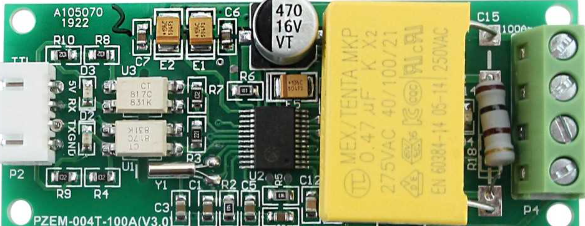
 Design with pzem-004t in Cirkit Designer
Introduction
The PZEM-004T is a multifunctional energy meter designed for monitoring and measuring key electrical parameters in AC circuits. It provides real-time data on voltage, current, power, energy consumption, frequency, and power factor. This module communicates via UART (Universal Asynchronous Receiver-Transmitter), making it easy to interface with microcontrollers such as the Arduino UNO (manufacturer part ID: UNO).
Explore Projects Built with pzem-004t
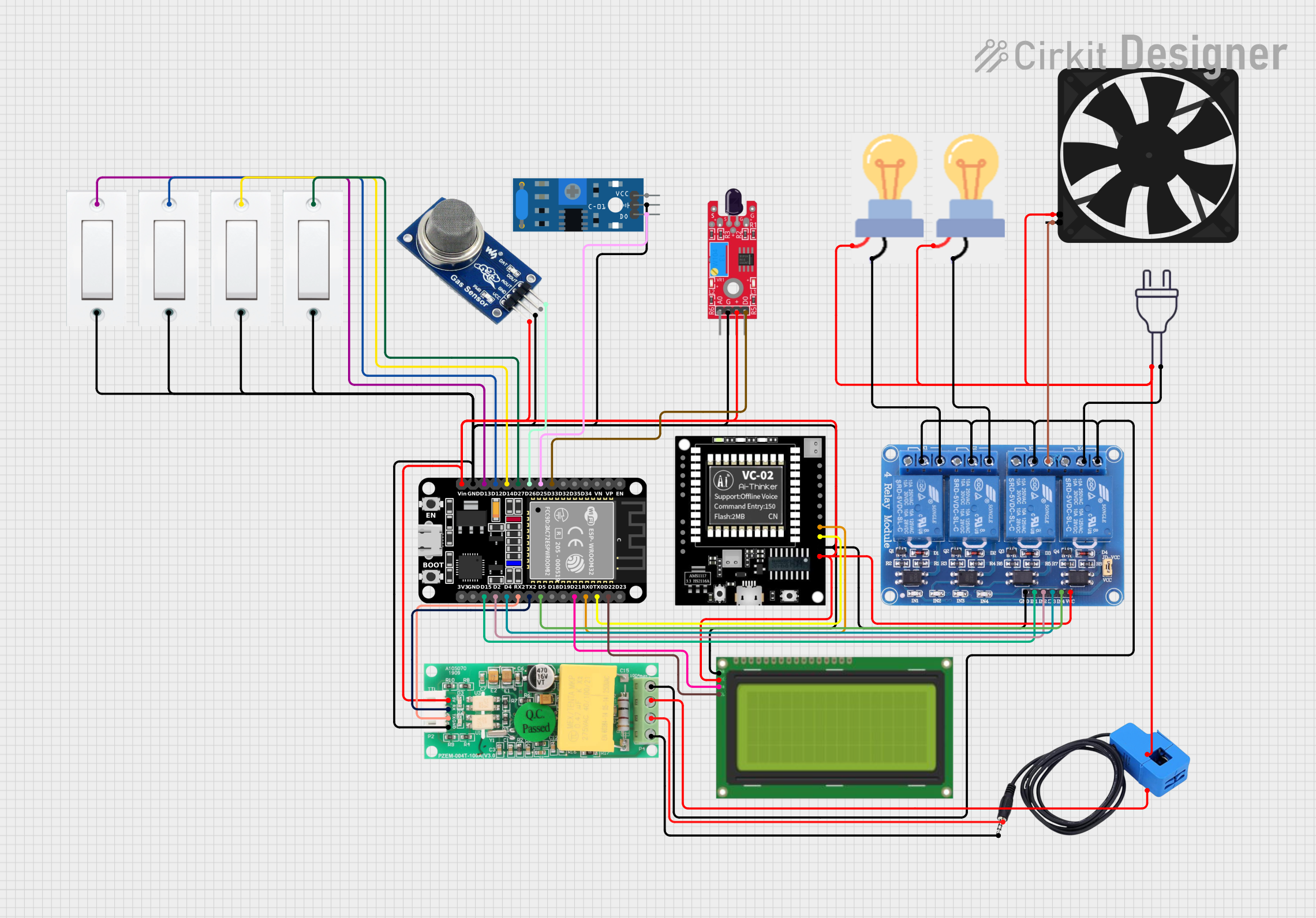 Open Project in Cirkit Designer
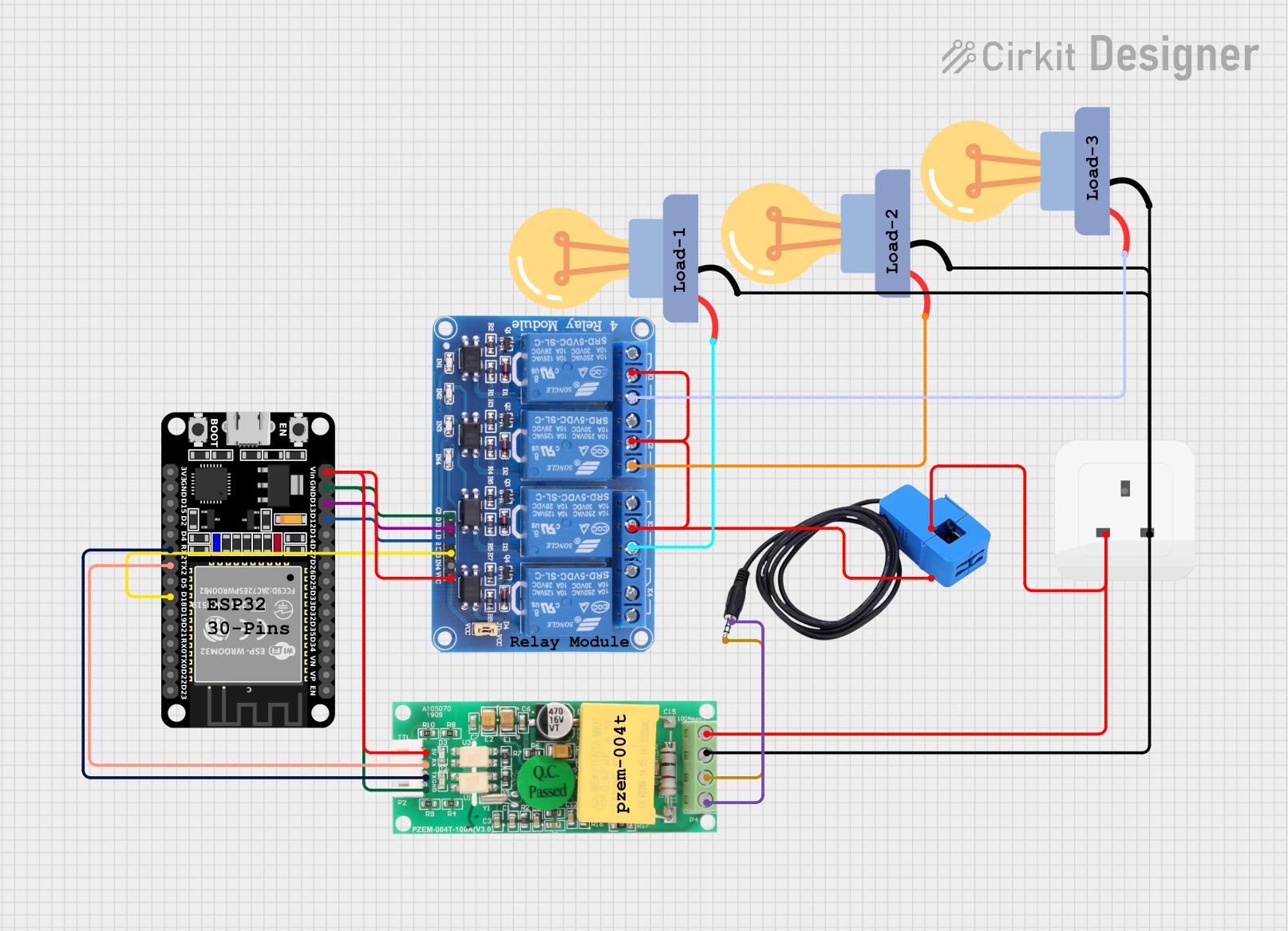 Open Project in Cirkit Designer
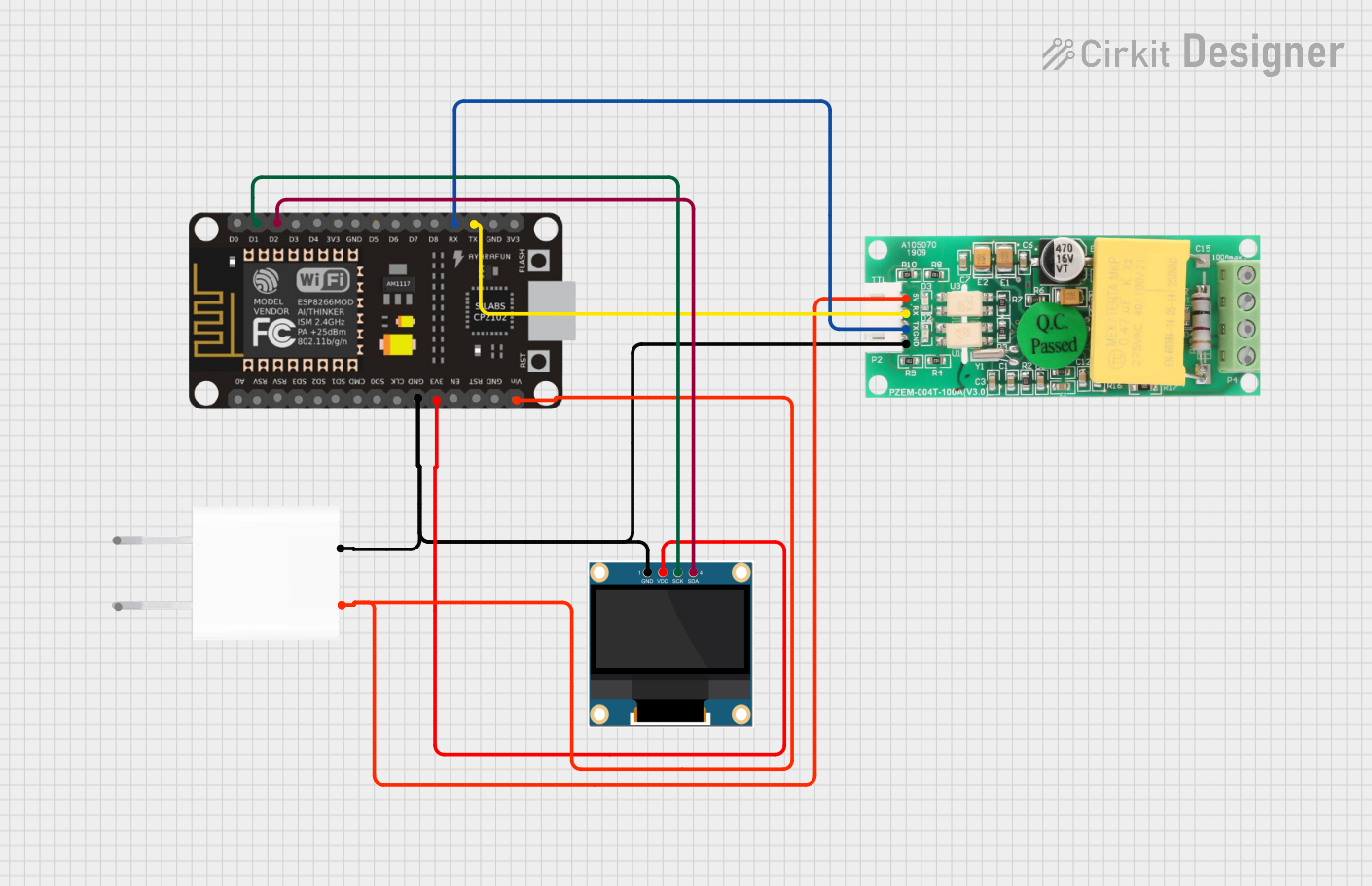 Open Project in Cirkit Designer
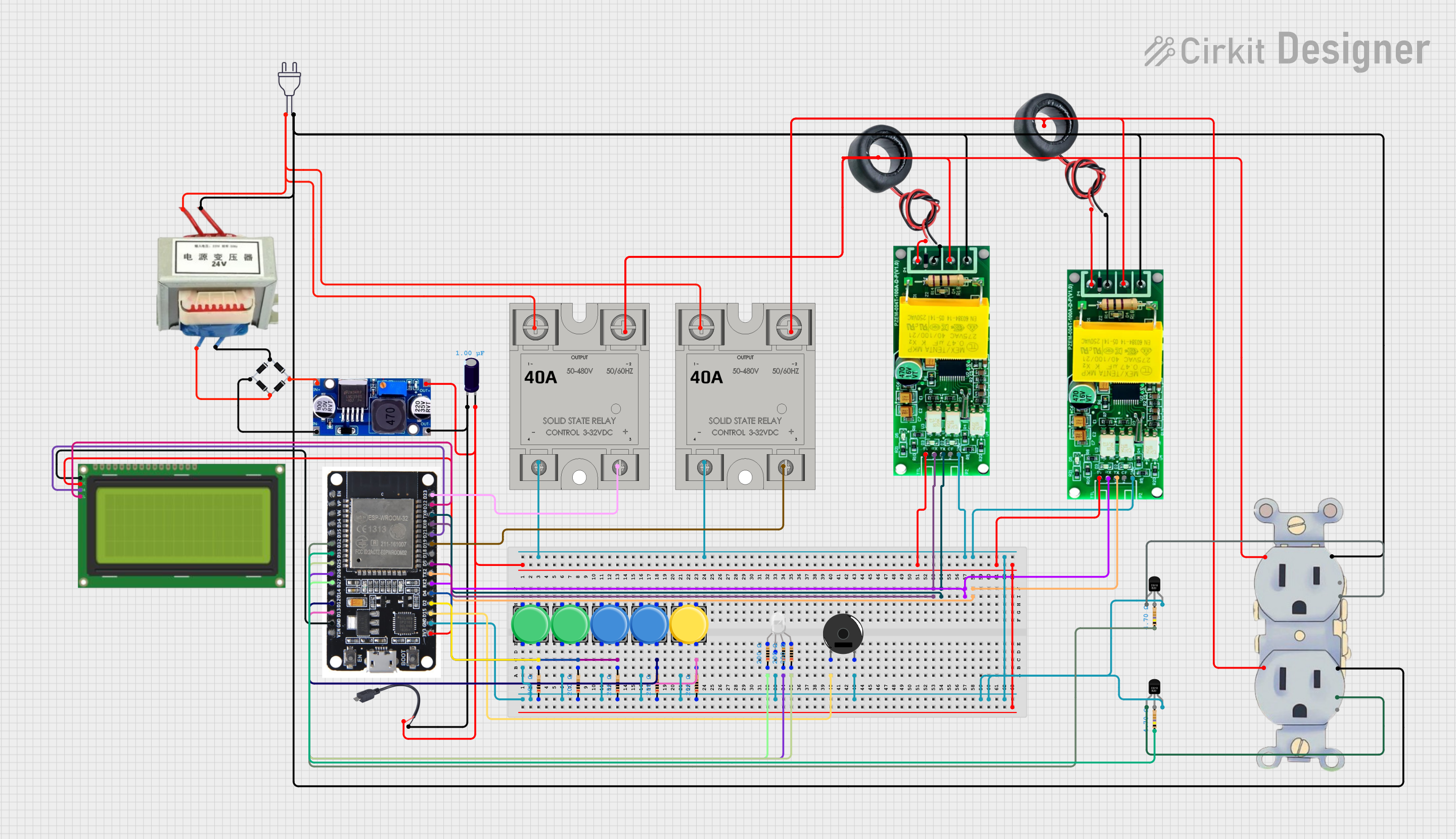 Open Project in Cirkit Designer
Explore Projects Built with pzem-004t
Open Project in Cirkit DesignerOpen Project in Cirkit DesignerOpen Project in Cirkit DesignerOpen Project in Cirkit DesignerCommon Applications and Use Cases
- Home energy monitoring systems
- Industrial equipment monitoring
- Smart home automation
- Data logging for energy consumption analysis
- Power quality monitoring in AC circuits
Technical Specifications
The PZEM-004T is a compact and efficient energy meter with the following key specifications:
| Parameter | Value |
|---|---|
| Voltage Range | 80V - 260V AC |
| Current Range | 0A - 100A (with external current transformer) |
| Power Range | 0W - 22kW |
| Energy Range | 0kWh - 9999kWh |
| Frequency Range | 45Hz - 65Hz |
| Power Factor Range | 0.00 - 1.00 |
| Communication Protocol | UART (9600 baud rate, 8N1 format) |
| Operating Temperature | -10°C to 60°C |
| Power Supply | Self-powered (from the measured AC line) |
Pin Configuration and Descriptions
The PZEM-004T module has a simple pinout for easy integration:
| Pin Name | Description |
|---|---|
| V+ | AC voltage input (connect to live wire) |
| V- | AC voltage input (connect to neutral wire) |
| TX | UART transmit pin (connect to RX of microcontroller) |
| RX | UART receive pin (connect to TX of microcontroller) |
| GND | Ground (common ground with microcontroller) |
Usage Instructions
How to Use the PZEM-004T in a Circuit
Connect the Voltage Input:
- Connect the
V+pin to the live wire of the AC circuit. - Connect the
V-pin to the neutral wire of the AC circuit.
- Connect the
Connect the Current Transformer (CT):
- Place the CT around the live wire of the AC circuit to measure current.
- Ensure the CT is oriented correctly (arrow on the CT should point toward the load).
Connect to a Microcontroller:
- Connect the
TXpin of the PZEM-004T to theRXpin of the Arduino UNO. - Connect the
RXpin of the PZEM-004T to theTXpin of the Arduino UNO. - Connect the
GNDpin of the PZEM-004T to the GND of the Arduino UNO.
- Connect the
Power the Module:
- The PZEM-004T is self-powered from the AC line, so no external power supply is needed.
Important Considerations and Best Practices
- Safety First: Always handle the PZEM-004T with care when working with high-voltage AC circuits. Ensure all connections are insulated and secure.
- Common Ground: Ensure the PZEM-004T and the microcontroller share a common ground for proper UART communication.
- Baud Rate: The default UART baud rate is 9600. Ensure your microcontroller is configured to match this setting.
- Current Transformer Placement: The CT should only enclose the live wire, not both live and neutral wires, to measure current correctly.
Example Code for Arduino UNO
Below is an example Arduino sketch to read data from the PZEM-004T:
#include <SoftwareSerial.h>

// Define RX and TX pins for SoftwareSerial
SoftwareSerial pzemSerial(10, 11); // RX = pin 10, TX = pin 11

void setup() {
  Serial.begin(9600); // Initialize Serial Monitor
  pzemSerial.begin(9600); // Initialize PZEM-004T communication

  Serial.println("PZEM-004T Energy Meter Example");
}

void loop() {
  // Request data from PZEM-004T
  byte request[] = {0x01, 0x04, 0x00, 0x00, 0x00, 0x0A, 0x70, 0x0D};
  pzemSerial.write(request, sizeof(request));

  delay(100); // Wait for response

  // Read response from PZEM-004T
  byte response[25];
  int len = pzemSerial.readBytes(response, 25);

  if (len > 0) {
    Serial.print("Response: ");
    for (int i = 0; i < len; i++) {
      Serial.print(response[i], HEX);
      Serial.print(" ");
    }
    Serial.println();
  } else {
    Serial.println("No response from PZEM-004T");
  }

  delay(1000); // Wait 1 second before next request
}
Notes on the Code
- The
SoftwareSeriallibrary is used to communicate with the PZEM-004T on pins 10 and 11 of the Arduino UNO. - The example sends a Modbus RTU request to the PZEM-004T and prints the raw response to the Serial Monitor.
- For detailed data parsing, refer to the PZEM-004T Modbus protocol documentation.
Troubleshooting and FAQs
Common Issues and Solutions
No Response from the PZEM-004T:
- Ensure the UART connections (TX, RX, and GND) are correct.
- Verify that the baud rate is set to 9600 in your code.
- Check that the PZEM-004T is properly connected to the AC circuit.
Incorrect Readings:
- Ensure the current transformer (CT) is properly placed around the live wire.
- Verify that the voltage input connections (
V+andV-) are secure.
Communication Errors:
- Ensure the microcontroller and PZEM-004T share a common ground.
- Check for electrical noise or interference in the circuit.
FAQs
Q: Can the PZEM-004T measure DC circuits?
A: No, the PZEM-004T is designed specifically for AC circuits and cannot measure DC voltage or current.
Q: What is the maximum current the PZEM-004T can measure?
A: The PZEM-004T can measure up to 100A using the included current transformer.
Q: Can I use multiple PZEM-004T modules with one Arduino?
A: Yes, you can use multiple modules by assigning unique Modbus addresses to each PZEM-004T and connecting them to the same UART bus.
Q: Is the PZEM-004T safe to use with high-voltage circuits?
A: Yes, but always follow proper safety precautions and ensure all connections are insulated to prevent electric shock.
This concludes the documentation for the PZEM-004T energy meter. For further assistance, refer to the manufacturer's datasheet or support resources.