
How to Use STM32H562RGT6: Examples, Pinouts, and Specs
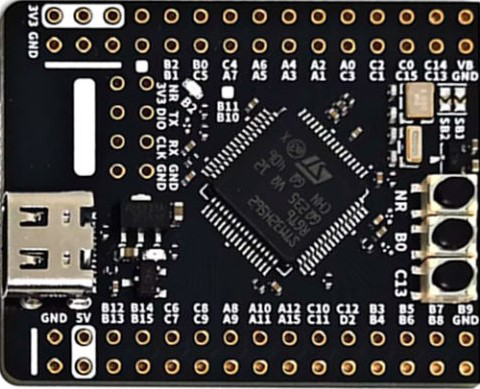
 Design with STM32H562RGT6 in Cirkit Designer
Introduction
The STM32H562RGT6 is a high-performance microcontroller developed by STMicroelectronics and distributed by WeActStudio. It is based on the ARM Cortex-M33 core, offering advanced processing capabilities, low power consumption, and integrated security features. This microcontroller is ideal for applications requiring real-time performance, secure data handling, and efficient power management.
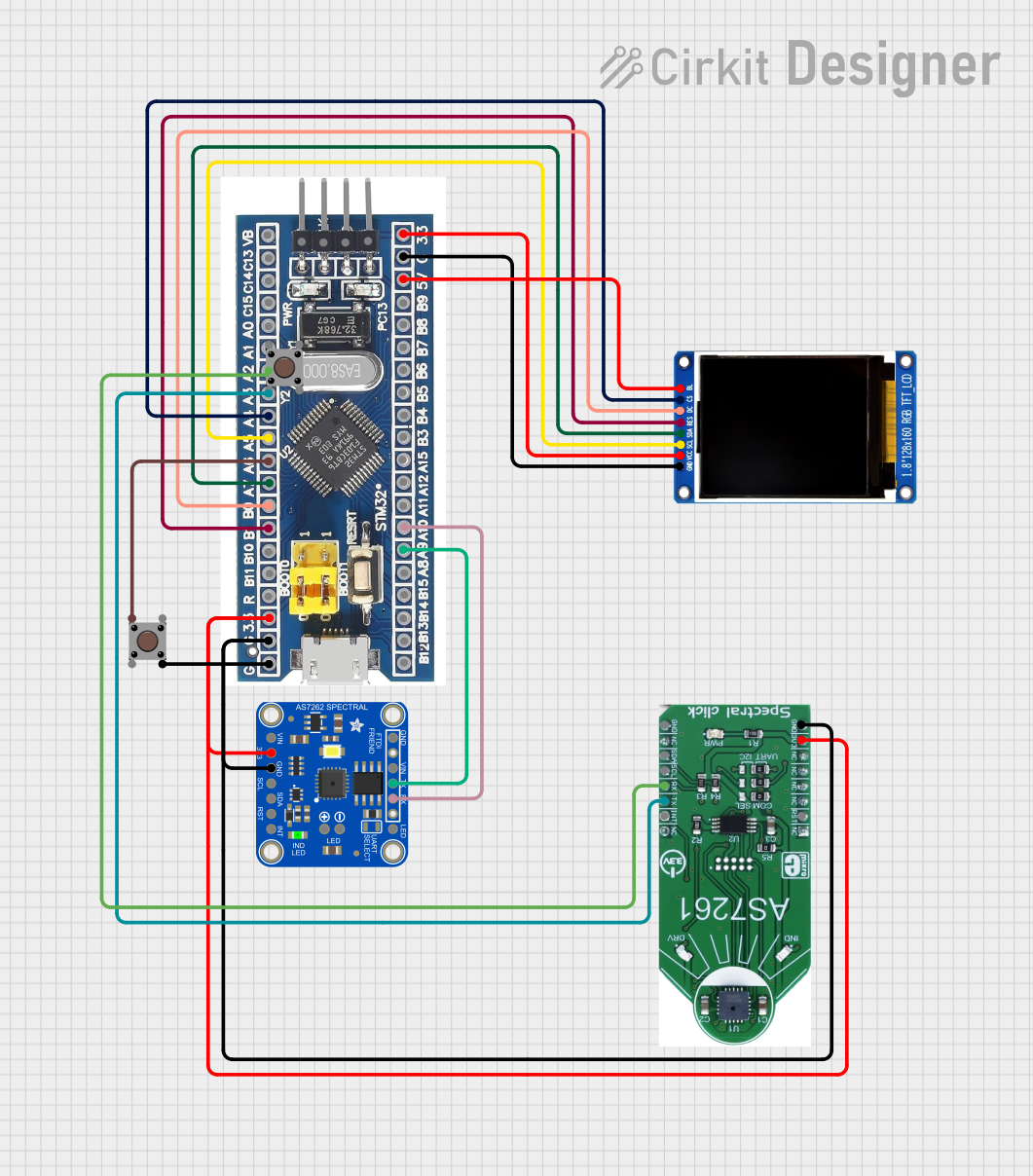
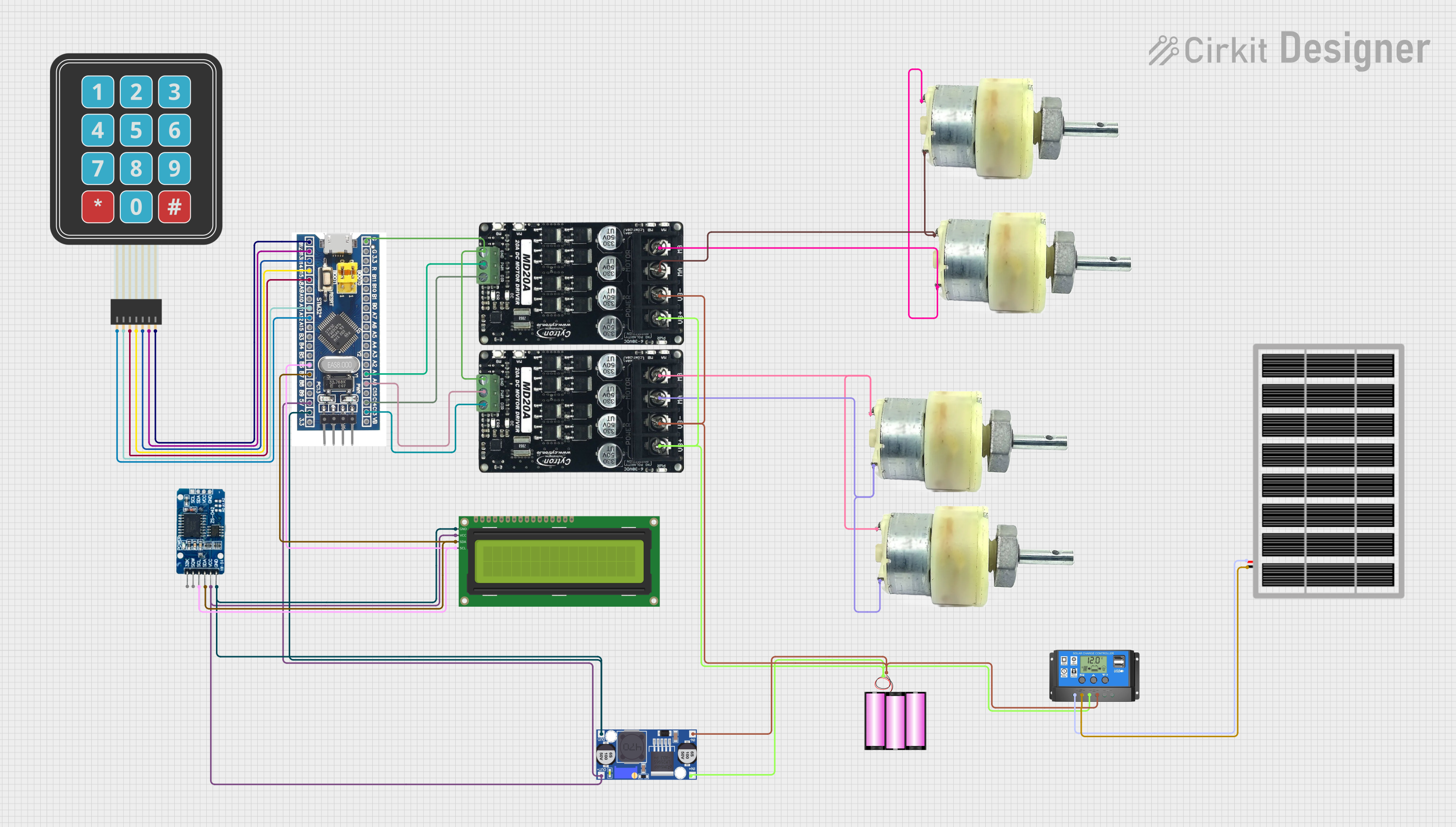
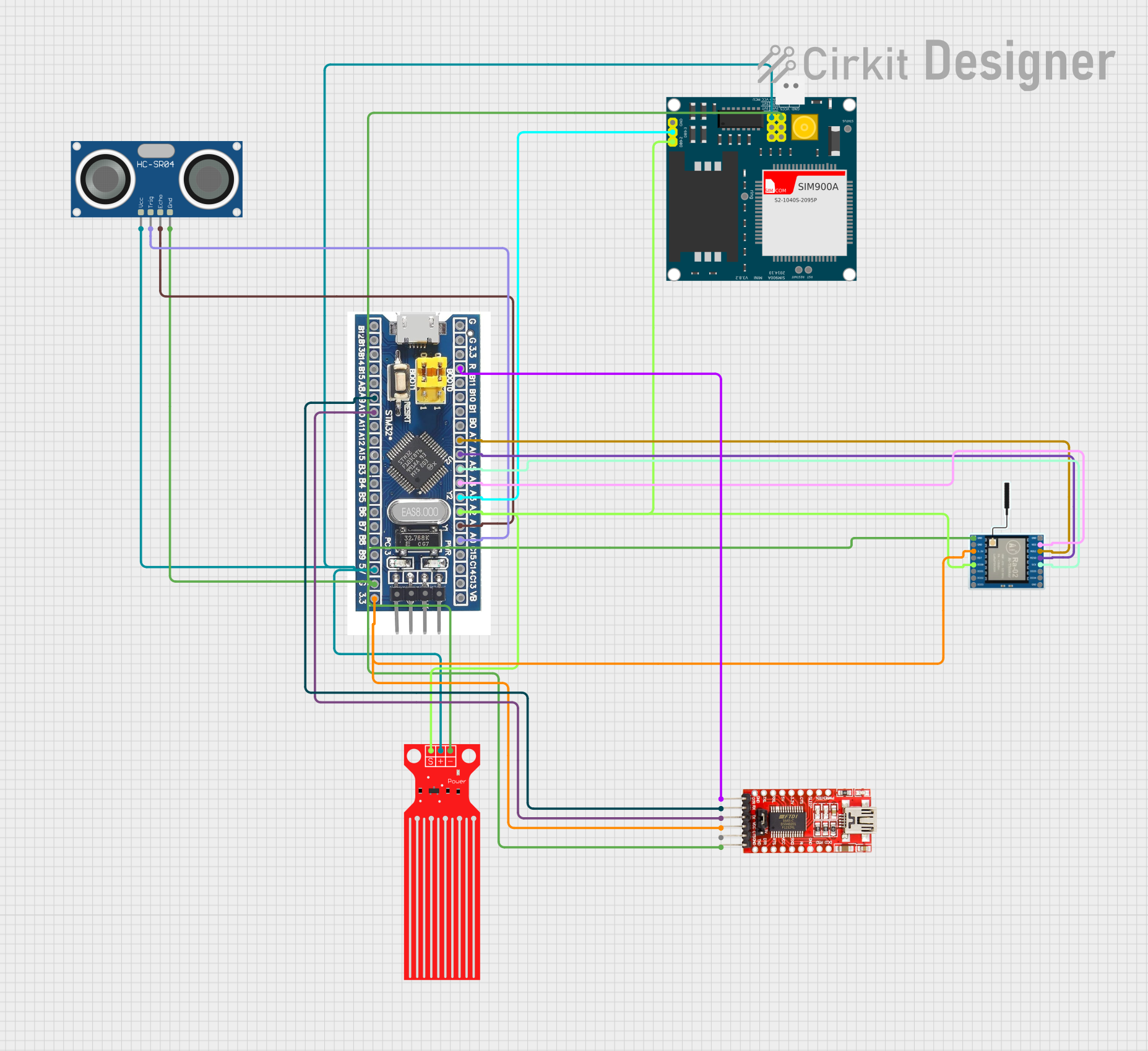
Explore Projects Built with STM32H562RGT6
 Open Project in Cirkit Designer
 Open Project in Cirkit Designer
 Open Project in Cirkit Designer
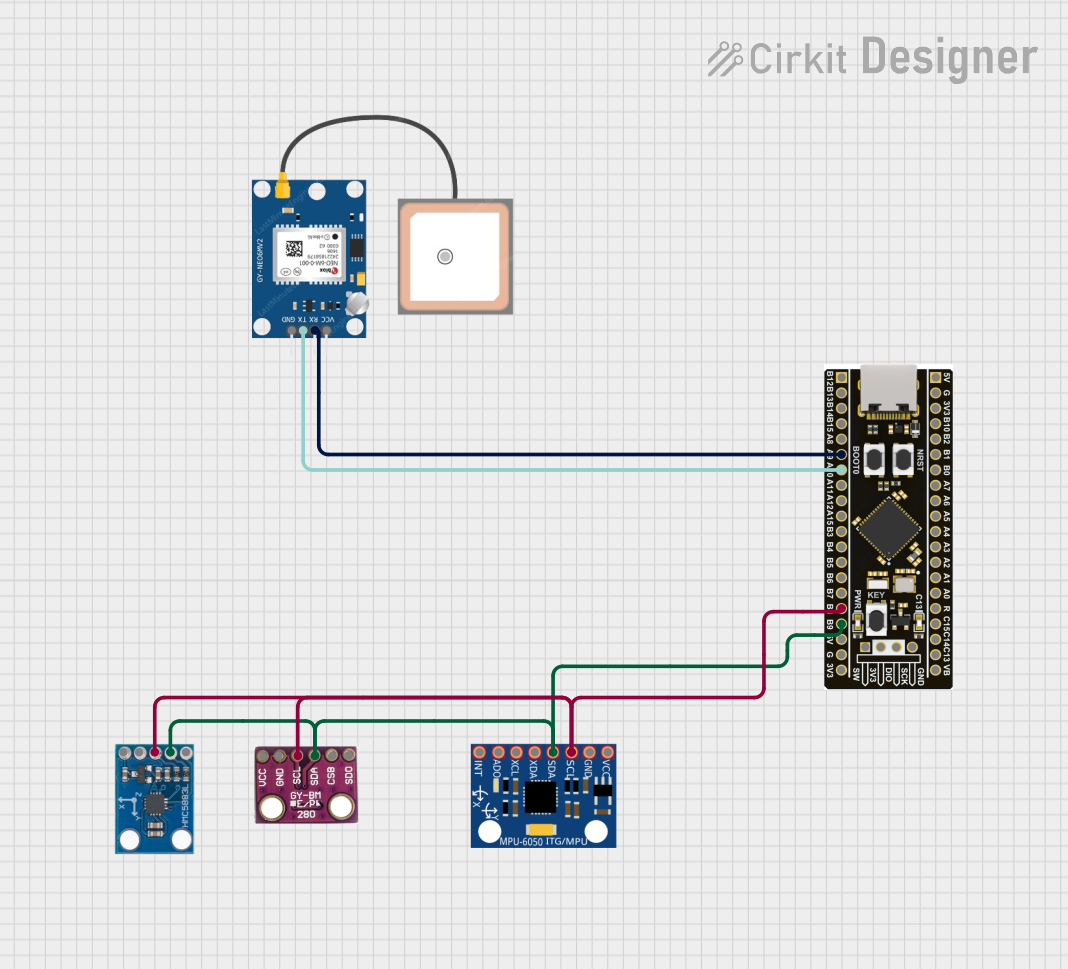 Open Project in Cirkit Designer
Explore Projects Built with STM32H562RGT6
Open Project in Cirkit DesignerOpen Project in Cirkit DesignerOpen Project in Cirkit DesignerOpen Project in Cirkit DesignerCommon Applications and Use Cases
- Industrial automation and control systems
- IoT devices with secure communication
- Consumer electronics and smart home devices
- Medical equipment requiring precise control
- Robotics and motor control
- Data acquisition and signal processing
Technical Specifications
The STM32H562RGT6 microcontroller is packed with features to support a wide range of applications. Below are its key technical specifications:
Key Technical Details
| Parameter | Specification |
|---|---|
| Core | ARM Cortex-M33 |
| Operating Frequency | Up to 250 MHz |
| Flash Memory | 512 KB |
| RAM | 256 KB |
| Supply Voltage | 1.62 V to 3.6 V |
| GPIO Pins | Up to 81 |
| Communication Interfaces | UART, SPI, I2C, CAN, USB, Ethernet |
| Timers | Advanced control, general-purpose, and basic |
| ADC | 12-bit, up to 16 channels |
| DAC | 12-bit, 2 channels |
| Security Features | TrustZone, Secure Boot, Hardware Cryptography |
| Operating Temperature Range | -40°C to +85°C |
| Package | LQFP-64 (10 mm x 10 mm) |
Pin Configuration and Descriptions
The STM32H562RGT6 comes in an LQFP-64 package with the following pin configuration:
| Pin Number | Pin Name | Description |
|---|---|---|
| 1 | VDD | Power supply (1.62 V to 3.6 V) |
| 2 | VSS | Ground |
| 3 | PA0 | GPIO/ADC Input/Timer Input |
| 4 | PA1 | GPIO/ADC Input/Timer Input |
| 5 | PA2 | GPIO/UART TX/Timer Input |
| ... | ... | ... (Refer to the datasheet for full details) |
| 64 | NRST | Reset Pin |
For a complete pinout, refer to the official datasheet provided by STMicroelectronics.
Usage Instructions
The STM32H562RGT6 is versatile and can be used in a variety of applications. Below are the steps and best practices for using this microcontroller in a circuit.
How to Use the Component in a Circuit
- Power Supply: Ensure the microcontroller is powered with a stable voltage between 1.62 V and 3.6 V. Use decoupling capacitors (e.g., 0.1 µF) close to the VDD and VSS pins to reduce noise.
- Clock Configuration: Connect an external crystal oscillator (e.g., 8 MHz) to the HSE pins for precise timing, or use the internal RC oscillator for simpler designs.
- Programming: Use an ST-Link programmer/debugger to upload firmware via the SWD (Serial Wire Debug) interface.
- GPIO Configuration: Configure GPIO pins as input, output, or alternate function using the STM32CubeMX tool or directly in your code.
- Peripherals: Enable and configure peripherals (e.g., UART, SPI, I2C) in the firmware to match your application requirements.
Important Considerations and Best Practices
- Power Management: Use low-power modes (e.g., Sleep, Stop, Standby) to reduce energy consumption in battery-powered applications.
- Security: Leverage TrustZone and secure boot features to protect sensitive data and firmware.
- Debugging: Always connect the NRST pin to your debugging tool for reliable programming and debugging.
- Thermal Management: Ensure proper ventilation or heat dissipation if the microcontroller operates near its maximum temperature range.
Example Code for Arduino UNO Integration
Although the STM32H562RGT6 is not directly compatible with Arduino UNO, it can be programmed using the Arduino IDE with the STM32 core installed. Below is an example of blinking an LED connected to GPIO pin PA5:
// Include the STM32 HAL library
#include <Arduino.h>

// Define the LED pin
#define LED_PIN PA5

void setup() {
  // Initialize the LED pin as an output
  pinMode(LED_PIN, OUTPUT);
}

void loop() {
  // Turn the LED on
  digitalWrite(LED_PIN, HIGH);
  delay(500); // Wait for 500 ms

  // Turn the LED off
  digitalWrite(LED_PIN, LOW);
  delay(500); // Wait for 500 ms
}
Note: Ensure the STM32 core is installed in the Arduino IDE. Use an ST-Link or USB-to-serial adapter for programming.
Troubleshooting and FAQs
Common Issues and Solutions
Microcontroller Not Responding
- Cause: Incorrect power supply or missing decoupling capacitors.
- Solution: Verify the power supply voltage and add decoupling capacitors near the VDD pins.
Programming Failure
- Cause: Faulty connection to the ST-Link or incorrect SWD configuration.
- Solution: Check the SWD connections and ensure the ST-Link drivers are installed.
Peripheral Not Working
- Cause: Incorrect pin configuration or clock settings.
- Solution: Double-check the pin assignments and enable the required clocks in the firmware.
Overheating
- Cause: Excessive current draw or operation beyond the temperature range.
- Solution: Reduce the load on GPIO pins and ensure proper heat dissipation.
FAQs
Q: Can I use the STM32H562RGT6 with 5V logic?
A: No, the STM32H562RGT6 operates at 3.3V logic levels. Use level shifters if interfacing with 5V devices.
Q: How do I enable TrustZone security?
A: TrustZone can be enabled through the STM32CubeMX tool or by configuring the secure and non-secure memory regions in your firmware.
Q: What is the maximum clock speed of the STM32H562RGT6?
A: The maximum clock speed is 250 MHz.
Q: Can I use the internal oscillator for timing?
A: Yes, the internal RC oscillator can be used, but an external crystal is recommended for applications requiring precise timing.
For further details, refer to the official datasheet and reference manual provided by STMicroelectronics.