
How to Use Digital VTX DJI: Examples, Pinouts, and Specs
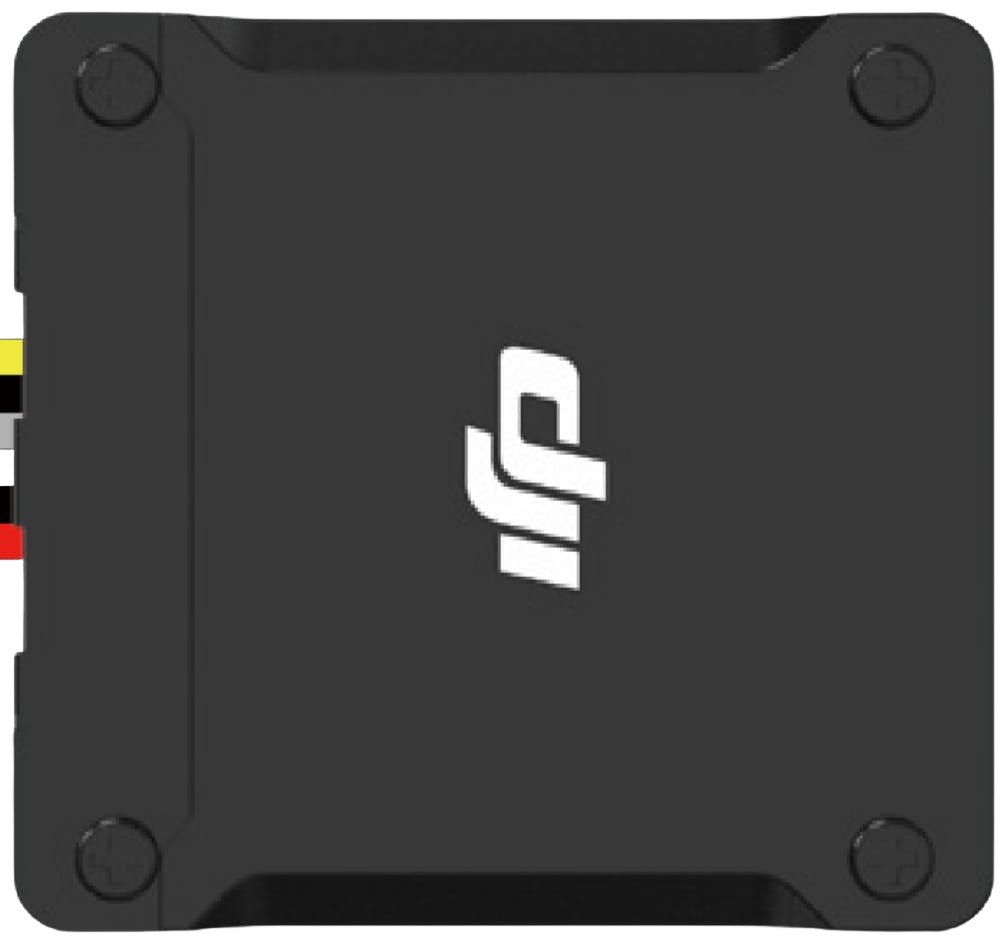
 Design with Digital VTX DJI in Cirkit Designer
Introduction
The Digital VTX DJI is a high-performance digital video transmitter designed for transmitting high-definition video signals from drones or cameras to a receiver. It is widely recognized for its low-latency and high-quality video transmission, making it an essential component for professional drone pilots, FPV (First Person View) enthusiasts, and videographers.
This VTX is part of DJI's advanced digital FPV ecosystem, offering seamless integration with DJI FPV goggles and controllers. It ensures a reliable and stable video feed, even in challenging environments, making it ideal for applications such as drone racing, aerial photography, and industrial inspections.
Explore Projects Built with Digital VTX DJI
 Open Project in Cirkit Designer
 Open Project in Cirkit Designer
 Open Project in Cirkit Designer
 Open Project in Cirkit Designer
Explore Projects Built with Digital VTX DJI
Open Project in Cirkit DesignerOpen Project in Cirkit DesignerOpen Project in Cirkit DesignerOpen Project in Cirkit DesignerTechnical Specifications
Below are the key technical details of the Digital VTX DJI:
| Parameter | Specification |
|---|---|
| Video Transmission Type | Digital |
| Supported Resolution | Up to 720p at 120 fps |
| Latency | As low as 28 ms |
| Frequency Range | 5.725 GHz - 5.850 GHz |
| Transmission Power | Up to 1 W (adjustable) |
| Input Voltage | 7.4 V - 26.4 V (2S-6S LiPo) |
| Power Consumption | ~4 W (varies with transmission power) |
| Dimensions | 45 mm x 32.5 mm x 9.5 mm |
| Weight | ~20 g |
| Operating Temperature | -10°C to 40°C |
| Antenna Connector Type | MMCX |
Pin Configuration and Descriptions
The Digital VTX DJI features a connector with the following pinout:
| Pin Number | Name | Description |
|---|---|---|
| 1 | GND | Ground connection |
| 2 | VBAT | Power input (7.4 V - 26.4 V) |
| 3 | UART_RX | UART receive pin for communication |
| 4 | UART_TX | UART transmit pin for communication |
| 5 | CAM_IN | Video input from the camera |
| 6 | GND | Ground connection for camera |
Usage Instructions
How to Use the Digital VTX DJI in a Circuit
- Power Connection: Connect the VBAT pin to a 2S-6S LiPo battery (7.4 V - 26.4 V). Ensure the GND pin is connected to the battery's ground.
- Camera Connection: Connect the camera's video output to the CAM_IN pin. Use the GND pin for the camera's ground connection.
- Antenna Installation: Attach a compatible MMCX antenna to the VTX. Ensure the antenna is securely connected to avoid damage to the VTX.
- UART Communication: If required, connect the UART_RX and UART_TX pins to a flight controller or other device for configuration and telemetry.
- Cooling: Ensure proper airflow or cooling to prevent overheating during operation, especially at higher transmission power levels.
Important Considerations and Best Practices
- Antenna Requirement: Always connect an antenna before powering on the VTX to prevent damage to the transmitter.
- Frequency Selection: Use the appropriate frequency band and power level as per local regulations to avoid interference and ensure legal operation.
- Mounting: Securely mount the VTX on the drone or platform using vibration-dampening materials to protect it from mechanical stress.
- Firmware Updates: Regularly check for firmware updates from DJI to ensure optimal performance and compatibility with other devices.
Example: Connecting to an Arduino UNO
While the Digital VTX DJI is not typically used with an Arduino UNO, it can be connected for basic UART communication. Below is an example code snippet for sending configuration commands to the VTX:
#include <SoftwareSerial.h>

// Define RX and TX pins for SoftwareSerial
#define RX_PIN 10
#define TX_PIN 11

// Create a SoftwareSerial object
SoftwareSerial VTXSerial(RX_PIN, TX_PIN);

void setup() {
  // Initialize serial communication with the VTX
  VTXSerial.begin(115200); // Set baud rate to 115200
  Serial.begin(9600);      // For debugging with the Serial Monitor

  // Send a sample command to the VTX
  VTXSerial.println("SET_POWER 25"); // Example: Set transmission power to 25 mW
  Serial.println("Command sent to VTX: SET_POWER 25");
}

void loop() {
  // Check if the VTX sends any data
  if (VTXSerial.available()) {
    String response = VTXSerial.readString();
    Serial.println("Response from VTX: " + response);
  }
}
Note: Replace
"SET_POWER 25"with actual commands supported by the Digital VTX DJI. Refer to the manufacturer's documentation for the complete command set.
Troubleshooting and FAQs
Common Issues and Solutions
No Video Signal on Receiver:
- Cause: Incorrect frequency or power settings.
- Solution: Verify that the VTX and receiver are set to the same frequency and channel. Check the antenna connection.
Overheating:
- Cause: Insufficient cooling or high transmission power.
- Solution: Ensure proper airflow around the VTX. Reduce the transmission power if necessary.
UART Communication Fails:
- Cause: Incorrect baud rate or wiring.
- Solution: Verify the UART_RX and UART_TX connections. Ensure the baud rate matches the VTX's settings.
VTX Not Powering On:
- Cause: Incorrect voltage or loose connections.
- Solution: Check the input voltage (7.4 V - 26.4 V) and ensure all connections are secure.
FAQs
Q: Can I use the Digital VTX DJI with analog FPV goggles?
A: No, the Digital VTX DJI is designed for use with DJI's digital FPV goggles and is not compatible with analog systems.Q: How do I update the firmware on the VTX?
A: Use the DJI Assistant software and follow the instructions provided by DJI to update the firmware.Q: What is the maximum range of the Digital VTX DJI?
A: The range depends on the transmission power, antenna type, and environmental conditions. Under optimal conditions, it can exceed 4 km.Q: Can I use this VTX for drone racing?
A: Yes, the low-latency and high-definition video transmission make it suitable for drone racing.
By following this documentation, users can effectively integrate and operate the Digital VTX DJI in their projects.