
How to Use HDJD-S822-QR999: Examples, Pinouts, and Specs
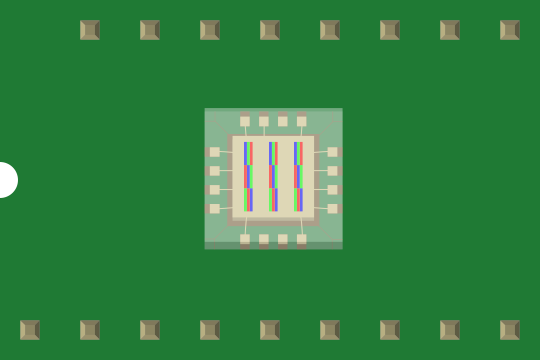
 Design with HDJD-S822-QR999 in Cirkit Designer
Introduction
The HDJD-S822-QR999 is a high-performance optical sensor designed for precise detection and measurement applications. It features a compact design and high sensitivity, making it ideal for use in automation and control systems. This sensor is capable of detecting light intensity and color, making it suitable for applications such as industrial automation, robotics, color detection, and ambient light sensing.
Explore Projects Built with HDJD-S822-QR999
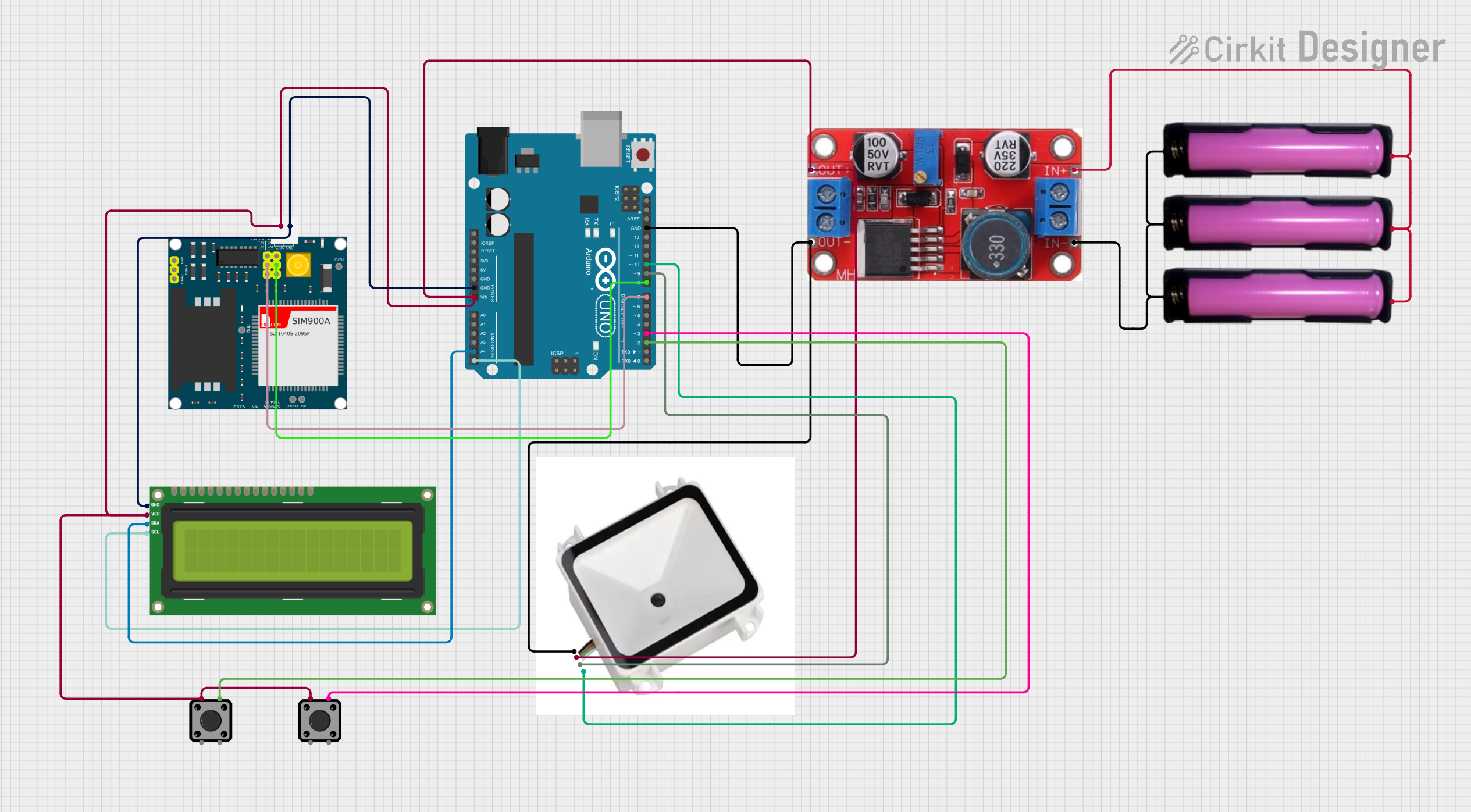 Open Project in Cirkit Designer
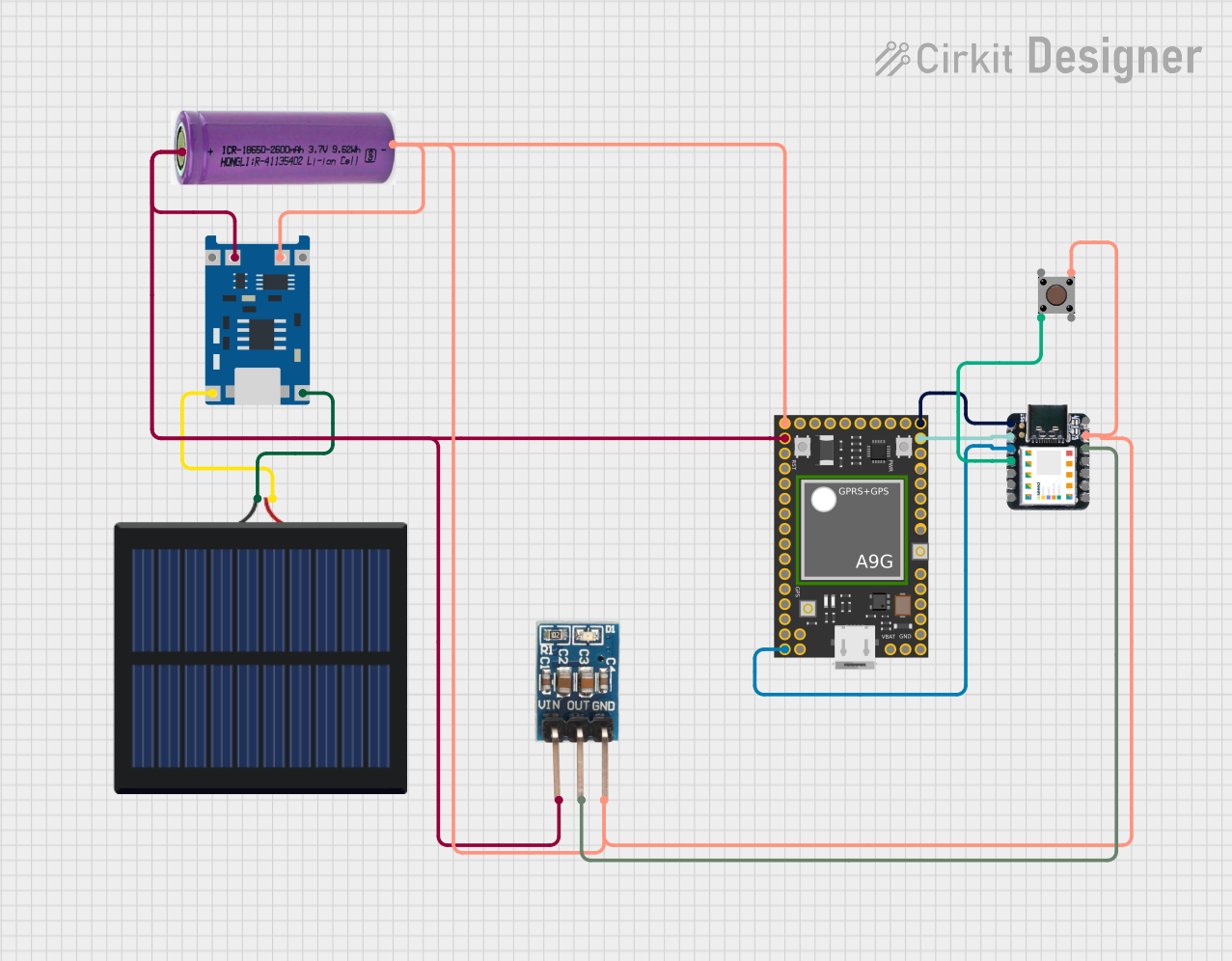 Open Project in Cirkit Designer
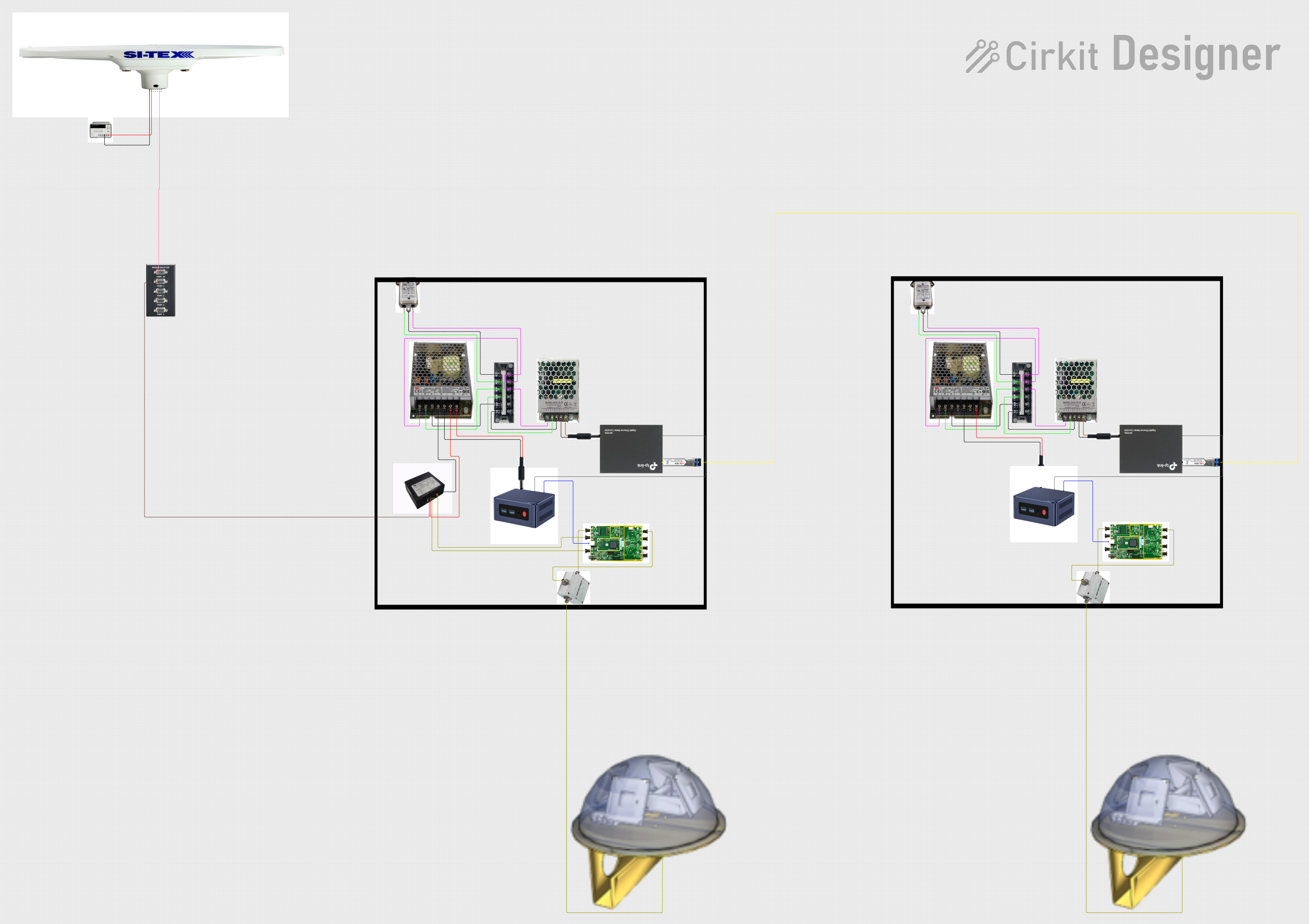 Open Project in Cirkit Designer
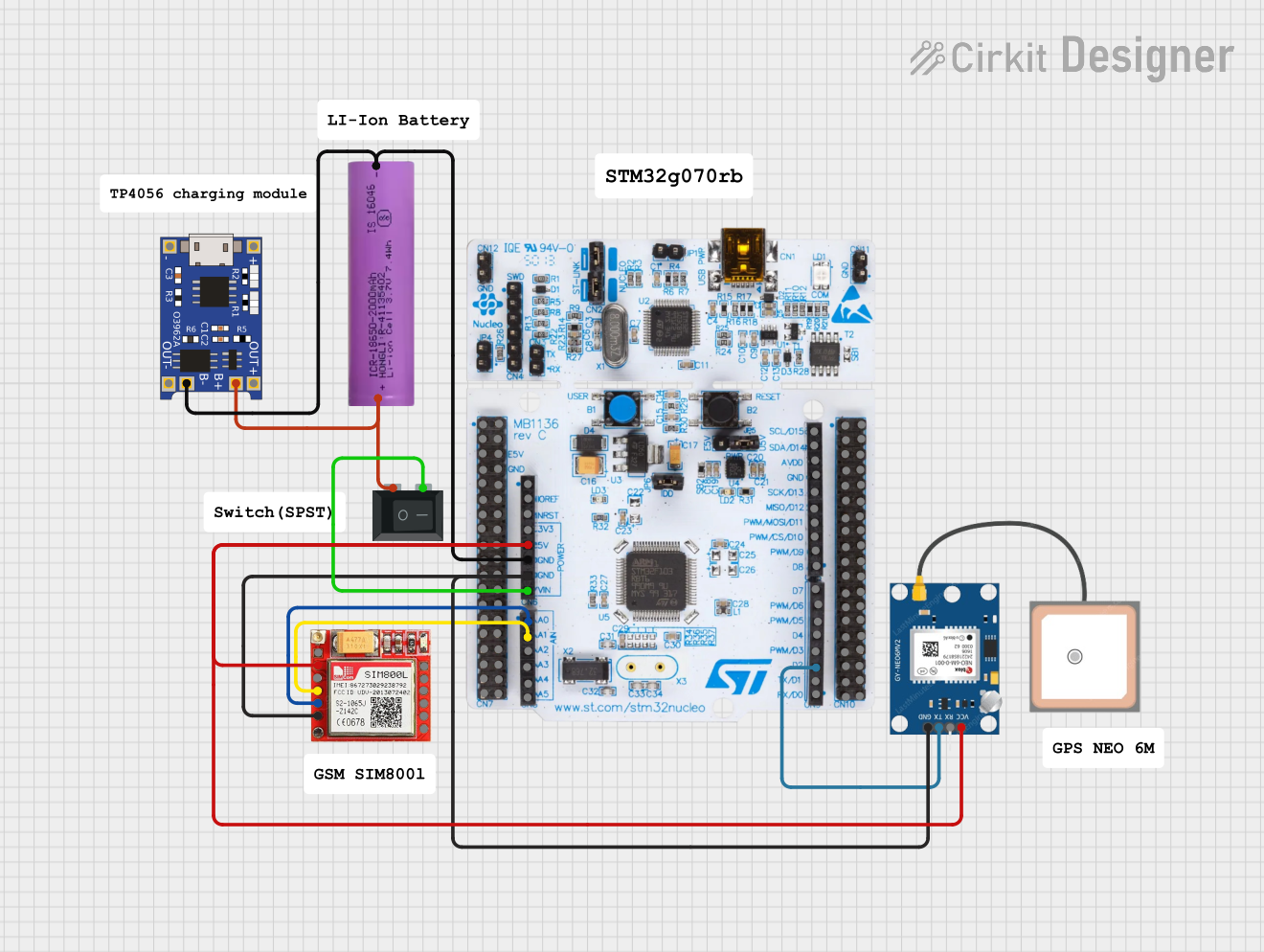 Open Project in Cirkit Designer
Explore Projects Built with HDJD-S822-QR999
Open Project in Cirkit DesignerOpen Project in Cirkit DesignerOpen Project in Cirkit DesignerOpen Project in Cirkit DesignerCommon Applications:
- Industrial automation for object detection and sorting
- Robotics for color recognition and navigation
- Consumer electronics for ambient light sensing
- Quality control systems in manufacturing
Technical Specifications
The HDJD-S822-QR999 is engineered for precision and reliability. Below are its key technical details:
Key Specifications:
| Parameter | Value |
|---|---|
| Operating Voltage | 2.7V to 5.5V |
| Operating Current | 1.5 mA (typical) |
| Spectral Response Range | 400 nm to 700 nm (visible light) |
| Output Type | Analog |
| Operating Temperature | -40°C to +85°C |
| Package Type | Surface Mount (QFN-16) |
Pin Configuration:
The HDJD-S822-QR999 comes in a 16-pin QFN package. Below is the pinout description:
| Pin Number | Pin Name | Description |
|---|---|---|
| 1 | VDD | Power supply (2.7V to 5.5V) |
| 2 | GND | Ground |
| 3 | OUT_R | Analog output for red light intensity |
| 4 | OUT_G | Analog output for green light intensity |
| 5 | OUT_B | Analog output for blue light intensity |
| 6 | NC | Not connected |
| 7 | NC | Not connected |
| 8 | NC | Not connected |
| 9 | NC | Not connected |
| 10 | NC | Not connected |
| 11 | NC | Not connected |
| 12 | NC | Not connected |
| 13 | NC | Not connected |
| 14 | NC | Not connected |
| 15 | NC | Not connected |
| 16 | NC | Not connected |
Note: Pins labeled as "NC" should not be connected to any circuit.
Usage Instructions
The HDJD-S822-QR999 is straightforward to integrate into circuits. Below are the steps and considerations for using this component effectively:
Circuit Integration:
Power Supply:
- Connect the VDD pin to a stable power source within the range of 2.7V to 5.5V.
- Connect the GND pin to the ground of the circuit.
Output Connections:
- The sensor provides three analog outputs: OUT_R, OUT_G, and OUT_B.
- These outputs correspond to the intensity of red, green, and blue light detected by the sensor.
- Connect these outputs to an ADC (Analog-to-Digital Converter) or a microcontroller with ADC capabilities for further processing.
Filtering:
- To reduce noise, place decoupling capacitors (e.g., 0.1 µF) between VDD and GND near the sensor.
Placement:
- Ensure the sensor is positioned to receive light from the target object or area.
- Avoid placing the sensor in direct sunlight or near strong light sources to prevent saturation.
Arduino UNO Example:
The HDJD-S822-QR999 can be interfaced with an Arduino UNO for color detection. Below is an example code snippet:
// Define the analog input pins for the sensor
const int redPin = A0;  // Connect OUT_R to A0
const int greenPin = A1; // Connect OUT_G to A1
const int bluePin = A2;  // Connect OUT_B to A2

void setup() {
  Serial.begin(9600); // Initialize serial communication
}

void loop() {
  // Read analog values from the sensor
  int redValue = analogRead(redPin);   // Read red light intensity
  int greenValue = analogRead(greenPin); // Read green light intensity
  int blueValue = analogRead(bluePin);  // Read blue light intensity

  // Print the values to the Serial Monitor
  Serial.print("Red: ");
  Serial.print(redValue);
  Serial.print(" | Green: ");
  Serial.print(greenValue);
  Serial.print(" | Blue: ");
  Serial.println(blueValue);

  delay(500); // Wait for 500ms before the next reading
}
Best Practices:
- Use shielding or enclosures to protect the sensor from ambient light interference.
- Calibrate the sensor for your specific application to ensure accurate readings.
- Avoid exposing the sensor to extreme temperatures or humidity beyond its operating range.
Troubleshooting and FAQs
Common Issues:
No Output Signal:
- Cause: Incorrect power supply or loose connections.
- Solution: Verify that VDD and GND are properly connected and the supply voltage is within the specified range.
Inconsistent Readings:
- Cause: Electrical noise or unstable light source.
- Solution: Add decoupling capacitors near the sensor and ensure a stable light source.
Saturation of Output:
- Cause: Sensor exposed to very bright light.
- Solution: Reduce the intensity of the light source or use an optical filter.
Low Sensitivity:
- Cause: Sensor not aligned properly with the light source.
- Solution: Adjust the sensor's position to optimize light reception.
FAQs:
Q1: Can the HDJD-S822-QR999 detect infrared light?
A1: No, the sensor is designed to detect visible light in the range of 400 nm to 700 nm.
Q2: Can I use this sensor with a 3.3V microcontroller?
A2: Yes, the sensor operates within a voltage range of 2.7V to 5.5V, making it compatible with 3.3V systems.
Q3: How do I calibrate the sensor for color detection?
A3: Use a known reference color and measure the output values for red, green, and blue. Use these values as a baseline for comparison in your application.
Q4: Is the sensor waterproof?
A4: No, the HDJD-S822-QR999 is not waterproof. Use appropriate enclosures for outdoor or humid environments.
By following this documentation, users can effectively integrate and utilize the HDJD-S822-QR999 optical sensor in their projects.