
How to Use PVT422+2R: Examples, Pinouts, and Specs
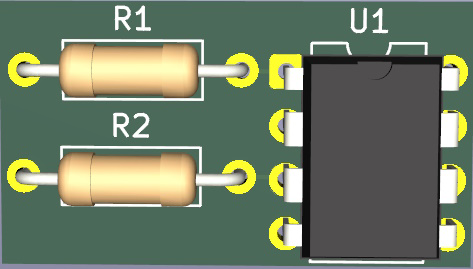
 Design with PVT422+2R in Cirkit Designer
Introduction
The PVT422+2R is a high-performance voltage regulator designed to provide a stable output voltage with low noise and high efficiency. It is an essential component in power supply circuits, ensuring reliable operation of electronic devices by maintaining consistent voltage levels. Its compact design and robust performance make it suitable for a wide range of applications, including consumer electronics, industrial equipment, and embedded systems.
Explore Projects Built with PVT422+2R
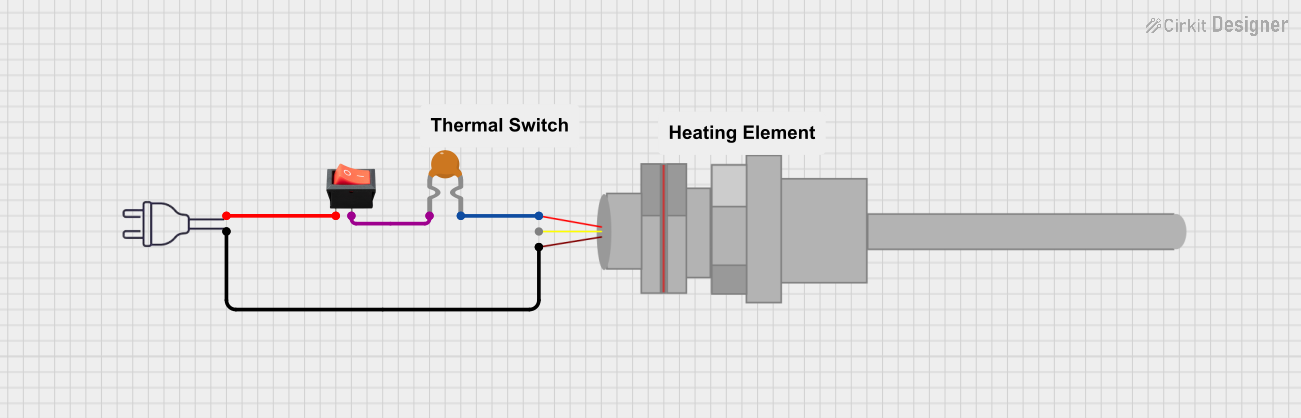 Open Project in Cirkit Designer
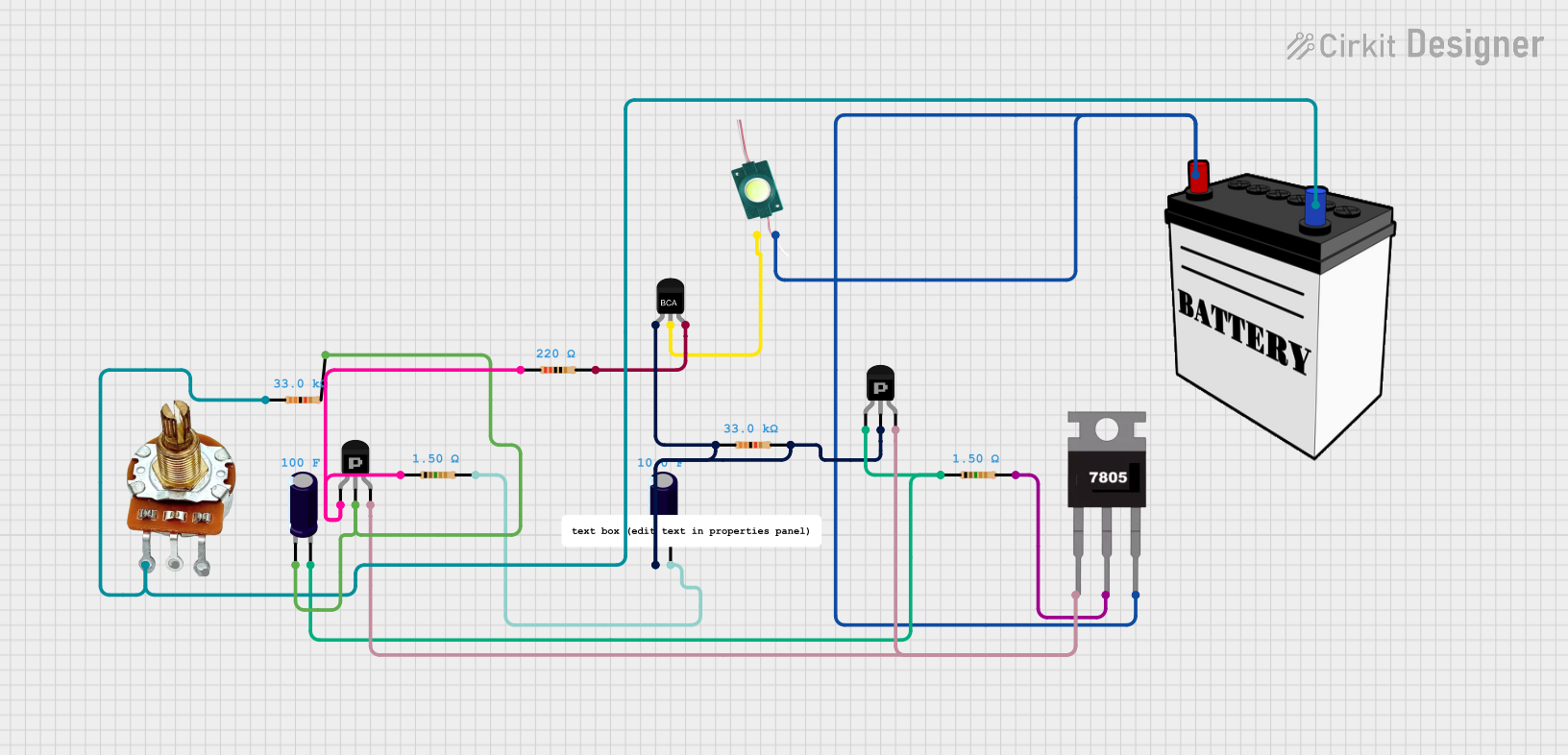 Open Project in Cirkit Designer
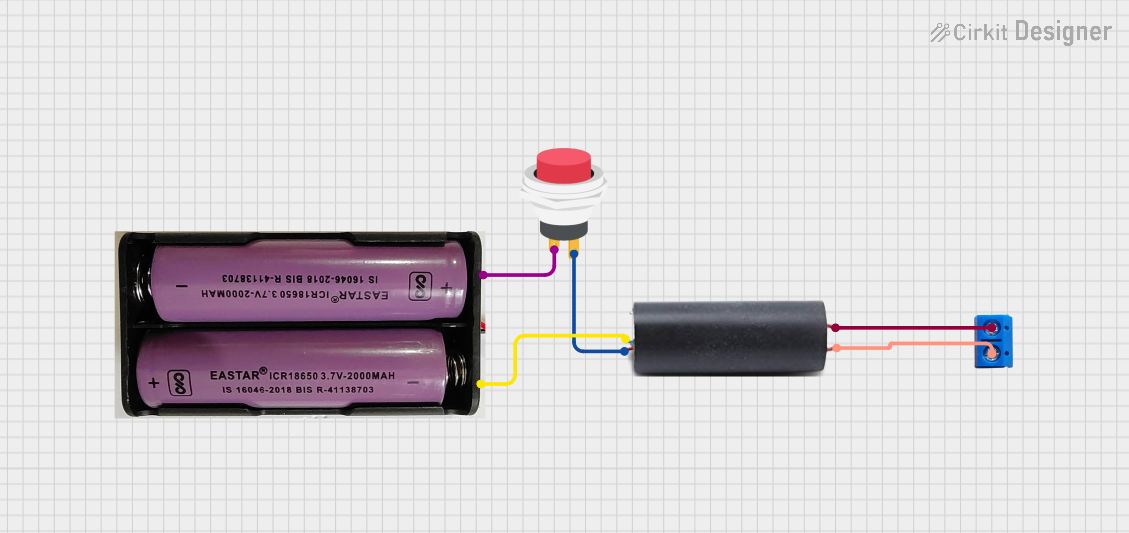 Open Project in Cirkit Designer
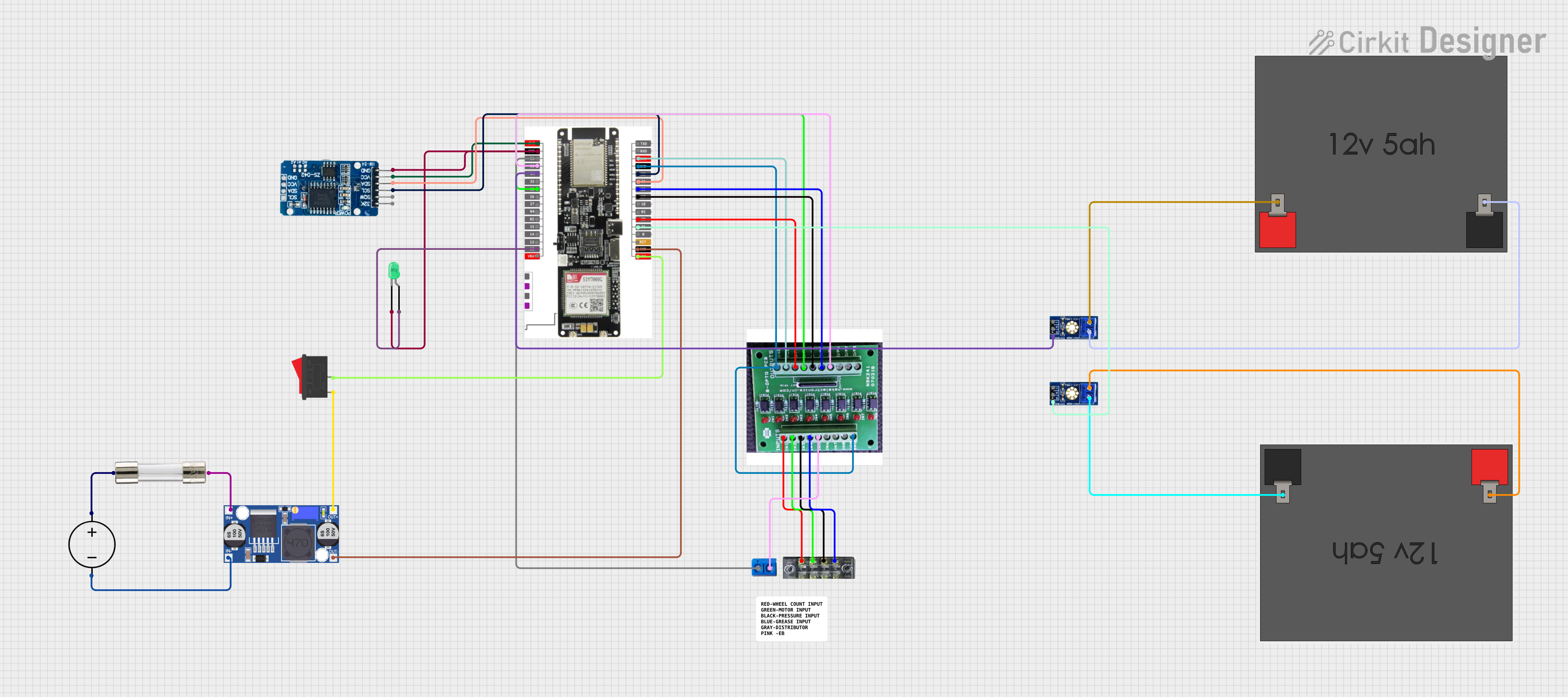 Open Project in Cirkit Designer
Explore Projects Built with PVT422+2R
Open Project in Cirkit DesignerOpen Project in Cirkit DesignerOpen Project in Cirkit DesignerOpen Project in Cirkit DesignerCommon Applications and Use Cases
- Power supply circuits for microcontrollers and sensors
- Voltage regulation in battery-powered devices
- Noise-sensitive applications such as audio equipment
- Industrial automation systems
- Embedded systems requiring stable power delivery
Technical Specifications
The PVT422+2R is designed to meet the demands of modern electronic systems. Below are its key technical specifications:
| Parameter | Value |
|---|---|
| Input Voltage Range | 4.5V to 18V |
| Output Voltage Range | 1.2V to 12V (adjustable) |
| Output Current | Up to 2A |
| Efficiency | Up to 95% |
| Output Noise | < 50 µV RMS |
| Operating Temperature | -40°C to +85°C |
| Package Type | SOT-223 |
Pin Configuration and Descriptions
The PVT422+2R features a simple pinout for easy integration into circuits. Below is the pin configuration:
| Pin Number | Pin Name | Description |
|---|---|---|
| 1 | VIN | Input voltage pin. Connect to the unregulated power source. |
| 2 | GND | Ground pin. Connect to the circuit ground. |
| 3 | VOUT | Regulated output voltage pin. Connect to the load. |
| 4 | ADJ | Adjustment pin. Used to set the output voltage with an external resistor divider. |
Usage Instructions
The PVT422+2R is straightforward to use in a circuit. Follow the steps below to ensure proper operation:
Input Voltage Connection: Connect the VIN pin to a power source within the specified input voltage range (4.5V to 18V). Use a decoupling capacitor (e.g., 10 µF) close to the VIN pin to reduce input noise.
Output Voltage Adjustment: Use a resistor divider network connected to the ADJ pin to set the desired output voltage. The output voltage can be calculated using the formula: [ V_{OUT} = V_{REF} \times \left(1 + \frac{R1}{R2}\right) ] where ( V_{REF} ) is the internal reference voltage (1.25V), and ( R1 ) and ( R2 ) are the resistors in the divider.
Output Connection: Connect the VOUT pin to the load. Place a capacitor (e.g., 22 µF) close to the VOUT pin to stabilize the output voltage and minimize noise.
Ground Connection: Connect the GND pin to the circuit ground.
Important Considerations and Best Practices
- Ensure the input voltage is always higher than the desired output voltage by at least 1.5V for proper regulation.
- Use low ESR capacitors for input and output filtering to improve stability and reduce noise.
- Avoid exceeding the maximum output current (2A) to prevent overheating or damage.
- If the component operates in a high-temperature environment, consider adding a heatsink or improving airflow around the regulator.
Example: Using PVT422+2R with Arduino UNO
The PVT422+2R can be used to power an Arduino UNO by providing a stable 5V output. Below is an example circuit and Arduino code:
Circuit Setup
- Connect a 9V battery to the VIN pin of the PVT422+2R.
- Set the output voltage to 5V using a resistor divider (e.g., R1 = 4.7 kΩ, R2 = 1.2 kΩ).
- Connect the VOUT pin to the 5V pin of the Arduino UNO.
- Connect the GND pin of the PVT422+2R to the Arduino's GND.
Arduino Code Example
// Example code to blink an LED using Arduino UNO powered by PVT422+2R
const int ledPin = 13; // Pin connected to the onboard LED

void setup() {
  pinMode(ledPin, OUTPUT); // Set the LED pin as an output
}

void loop() {
  digitalWrite(ledPin, HIGH); // Turn the LED on
  delay(1000);                // Wait for 1 second
  digitalWrite(ledPin, LOW);  // Turn the LED off
  delay(1000);                // Wait for 1 second
}
Troubleshooting and FAQs
Common Issues and Solutions
No Output Voltage:
- Cause: Input voltage is below the minimum required (4.5V).
- Solution: Verify the input voltage and ensure it is within the specified range.
Output Voltage is Unstable:
- Cause: Insufficient input or output filtering.
- Solution: Add low ESR capacitors (e.g., 10 µF on VIN and 22 µF on VOUT).
Overheating:
- Cause: Excessive load current or poor heat dissipation.
- Solution: Reduce the load current or improve cooling (e.g., add a heatsink).
Incorrect Output Voltage:
- Cause: Incorrect resistor values in the voltage divider.
- Solution: Recalculate and verify the resistor values using the output voltage formula.
FAQs
Q1: Can the PVT422+2R be used with a 3.3V system?
A1: Yes, the PVT422+2R can be configured to output 3.3V by adjusting the resistor divider network.
Q2: What is the maximum input voltage the PVT422+2R can handle?
A2: The maximum input voltage is 18V. Exceeding this value may damage the component.
Q3: Is the PVT422+2R suitable for battery-powered applications?
A3: Yes, its high efficiency (up to 95%) makes it ideal for battery-powered devices.
Q4: Can I use the PVT422+2R without an external resistor divider?
A4: No, an external resistor divider is required to set the desired output voltage.