
How to Use MLX90614: Examples, Pinouts, and Specs

 Design with MLX90614 in Cirkit Designer
Introduction
The MLX90614 is a non-contact infrared temperature sensor designed to measure the temperature of objects without requiring direct physical contact. It utilizes advanced infrared thermopile technology and an integrated signal processing unit to provide accurate temperature readings. The sensor is capable of outputting data via I2C or PWM, making it versatile and easy to integrate into a wide range of applications.
Explore Projects Built with MLX90614
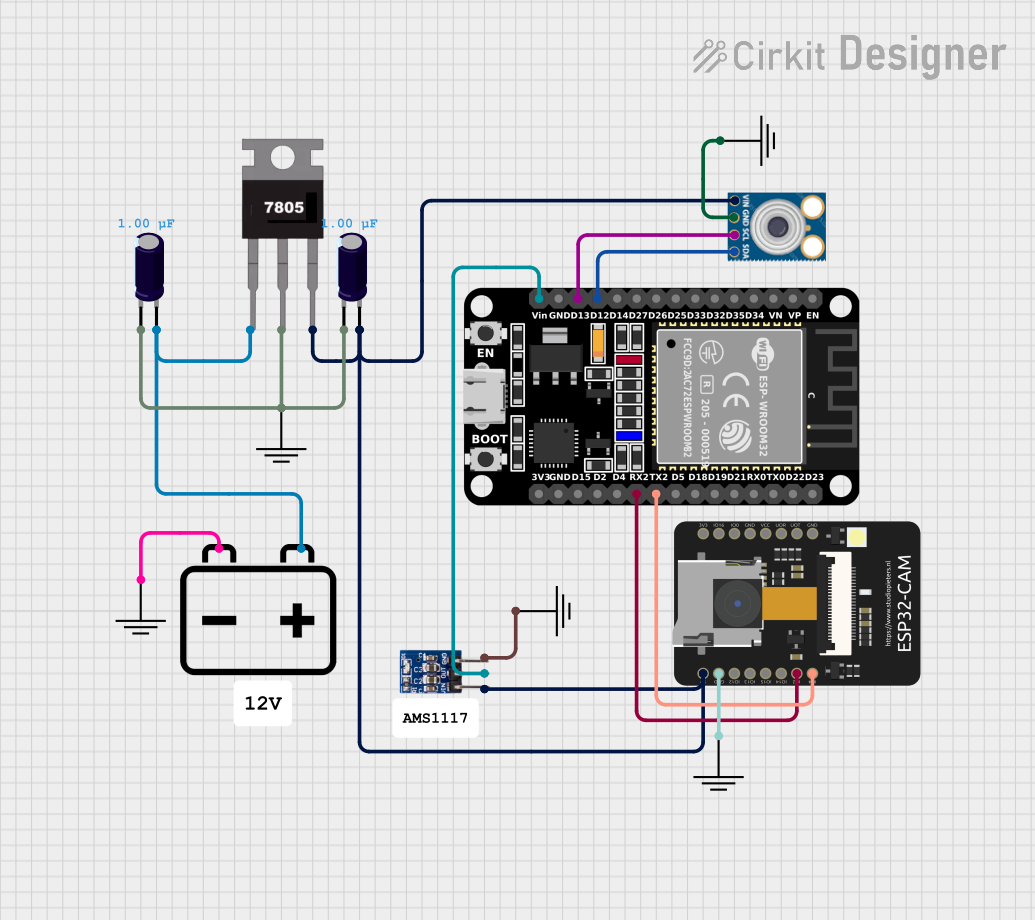 Open Project in Cirkit Designer
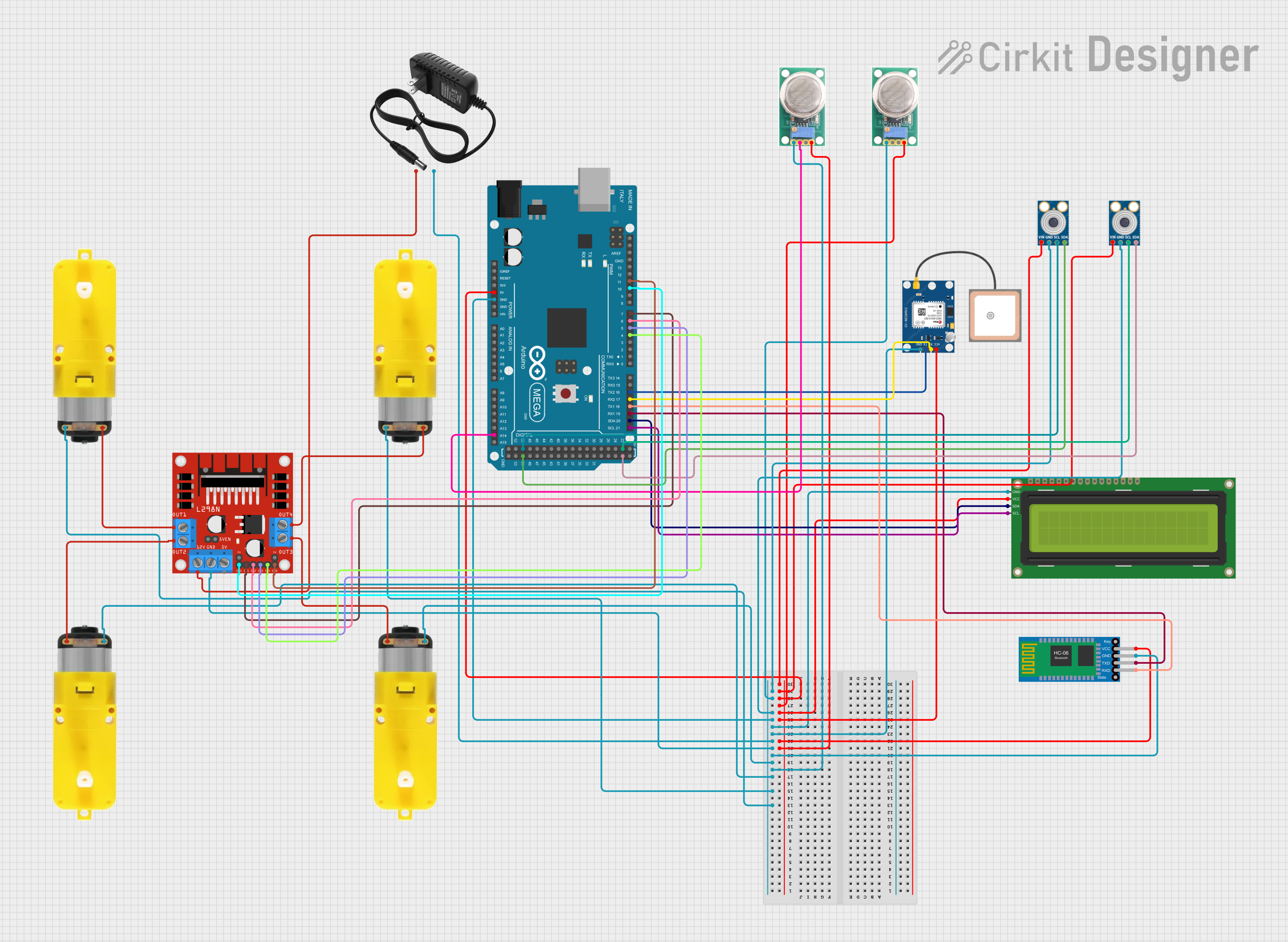 Open Project in Cirkit Designer
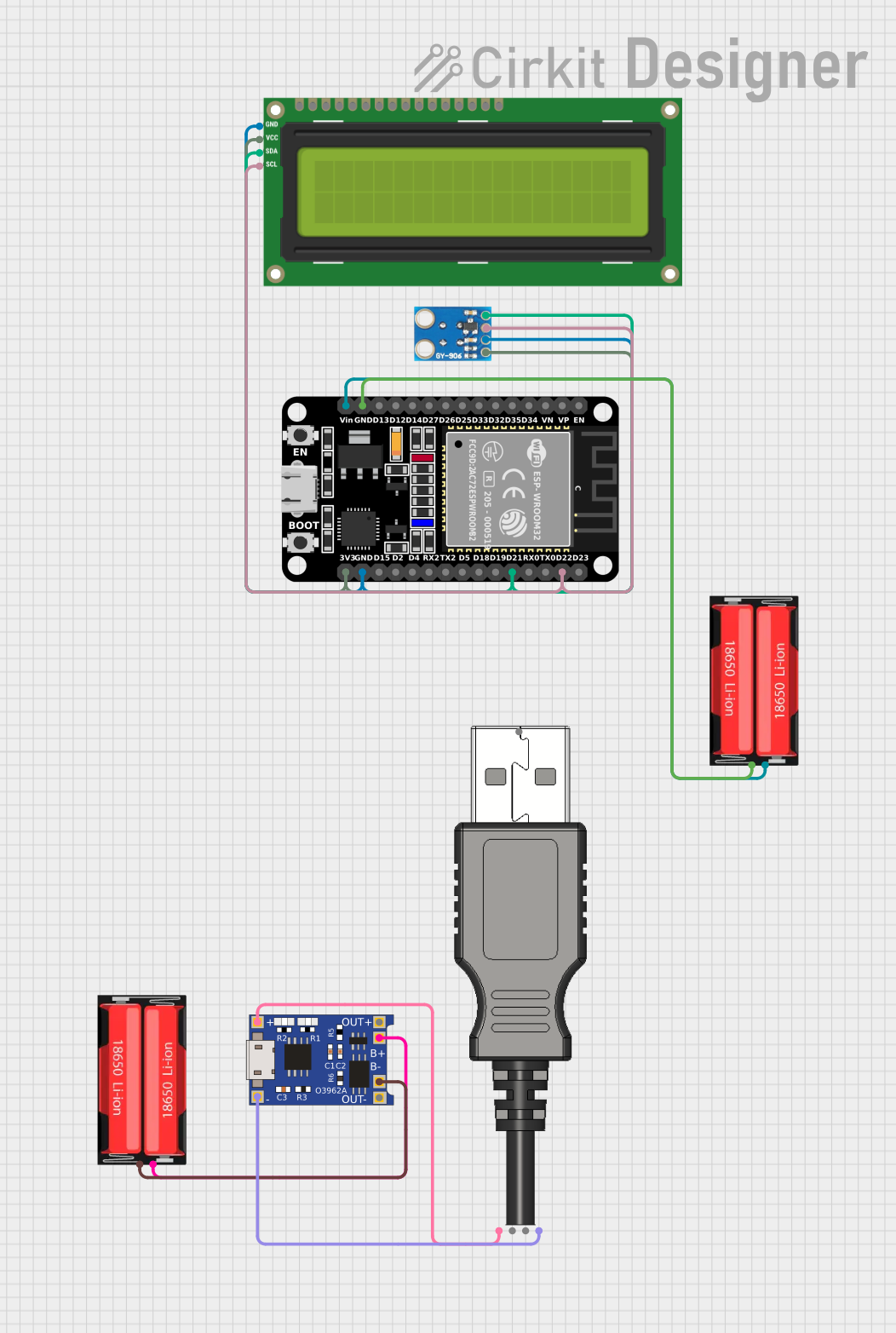 Open Project in Cirkit Designer
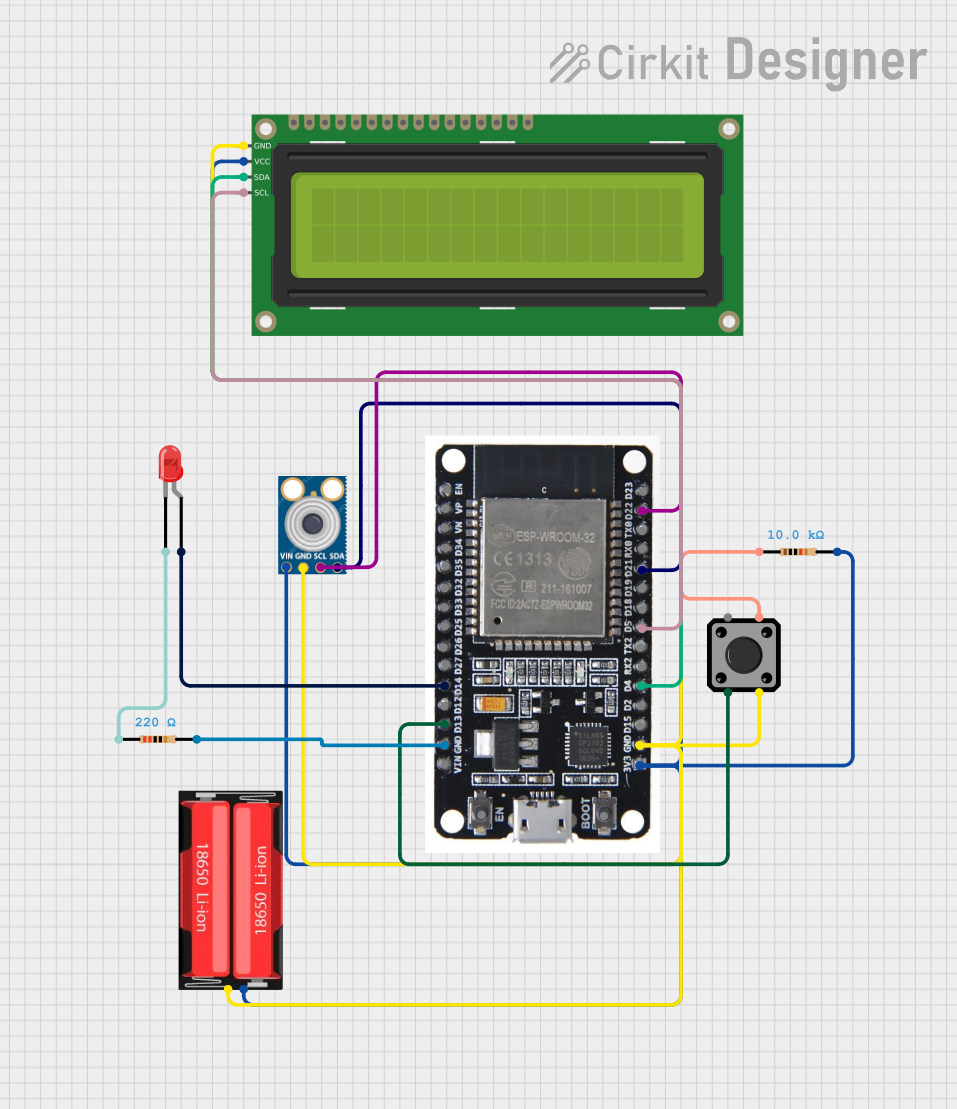 Open Project in Cirkit Designer
Explore Projects Built with MLX90614
Open Project in Cirkit DesignerOpen Project in Cirkit DesignerOpen Project in Cirkit DesignerOpen Project in Cirkit DesignerCommon Applications
- Temperature monitoring in HVAC systems
- Medical devices such as thermometers
- Industrial automation and process control
- Consumer electronics for touchless temperature measurement
- Automotive climate control systems
Technical Specifications
The MLX90614 is available in various models, but the following are the general specifications for the most commonly used version:
| Parameter | Value |
|---|---|
| Operating Voltage | 3.6V to 5V |
| Operating Current | 1.5mA (typical) |
| Temperature Range (Object) | -70°C to +380°C |
| Temperature Range (Ambient) | -40°C to +125°C |
| Accuracy | ±0.5°C (typical, for 0°C to +50°C) |
| Communication Protocols | I2C, PWM |
| Field of View (FOV) | 35° |
| Resolution | 0.02°C |
Pin Configuration and Descriptions
The MLX90614 typically comes in a 4-pin TO-39 package. Below is the pinout:
| Pin | Name | Description |
|---|---|---|
| 1 | VDD | Power supply (3.6V to 5V) |
| 2 | VSS | Ground |
| 3 | SDA | I2C data line |
| 4 | SCL | I2C clock line |
Usage Instructions
How to Use the MLX90614 in a Circuit
- Power Supply: Connect the VDD pin to a 3.6V to 5V power source and the VSS pin to ground.
- I2C Communication: Connect the SDA and SCL pins to the corresponding I2C pins on your microcontroller. Use pull-up resistors (typically 4.7kΩ) on both SDA and SCL lines.
- PWM Output (Optional): If using PWM mode, configure the sensor to output temperature data via the PWM pin (consult the datasheet for configuration details).
- Bypass Capacitor: Place a 0.1µF ceramic capacitor between VDD and VSS for noise filtering.
Important Considerations
- Field of View: Ensure the sensor is positioned such that the target object is within its 35° field of view for accurate readings.
- Ambient Temperature: Avoid placing the sensor near heat sources that could affect its ambient temperature readings.
- I2C Address: The default I2C address of the MLX90614 is
0x5A. Ensure no address conflicts if multiple devices are on the same I2C bus. - Calibration: The sensor is factory-calibrated, but additional calibration may be required for specific applications.
Example Code for Arduino UNO
Below is an example of how to interface the MLX90614 with an Arduino UNO using the I2C protocol:
#include <Wire.h>
#include <Adafruit_MLX90614.h>

// Create an instance of the MLX90614 library
Adafruit_MLX90614 mlx = Adafruit_MLX90614();

void setup() {
  Serial.begin(9600); // Initialize serial communication at 9600 baud
  Serial.println("Initializing MLX90614...");

  if (!mlx.begin()) {
    Serial.println("Error: Could not find MLX90614 sensor. Check connections.");
    while (1); // Halt execution if sensor initialization fails
  }

  Serial.println("MLX90614 initialized successfully.");
}

void loop() {
  // Read object and ambient temperatures
  double objectTemp = mlx.readObjectTempC();
  double ambientTemp = mlx.readAmbientTempC();

  // Print the temperatures to the Serial Monitor
  Serial.print("Object Temperature: ");
  Serial.print(objectTemp);
  Serial.println(" °C");

  Serial.print("Ambient Temperature: ");
  Serial.print(ambientTemp);
  Serial.println(" °C");

  delay(1000); // Wait 1 second before the next reading
}
Notes on the Code
- The
Adafruit_MLX90614library is used for simplicity. Install it via the Arduino Library Manager. - Ensure the SDA and SCL pins of the MLX90614 are connected to the corresponding I2C pins on the Arduino UNO (A4 for SDA, A5 for SCL).
Troubleshooting and FAQs
Common Issues
No Data or Incorrect Readings:
- Check the wiring and ensure proper connections between the sensor and the microcontroller.
- Verify that pull-up resistors are present on the SDA and SCL lines.
- Ensure the sensor is powered with the correct voltage (3.6V to 5V).
I2C Address Conflict:
- The default I2C address is
0x5A. If multiple devices are on the same bus, ensure they have unique addresses.
- The default I2C address is
Inaccurate Temperature Readings:
- Ensure the target object is within the sensor's field of view.
- Avoid reflective surfaces that may interfere with infrared measurements.
- Allow the sensor to stabilize for a few seconds after powering on.
FAQs
Q: Can the MLX90614 measure the temperature of liquids?
A: Yes, but ensure the liquid is within the sensor's field of view and avoid splashes or condensation on the sensor.
Q: How far can the MLX90614 measure?
A: The effective range depends on the size of the target object and its emissivity. For small objects, the range is typically a few centimeters, while larger objects can be measured from farther distances.
Q: Can I use the MLX90614 with a 3.3V microcontroller?
A: Yes, the sensor operates down to 3.6V. However, ensure proper level shifting for I2C communication if the microcontroller operates at 3.3V.
Q: Is the MLX90614 waterproof?
A: No, the sensor is not waterproof. Use appropriate enclosures for outdoor or humid environments.