
How to Use KY-013 Analog Temperature Sensor Module: Examples, Pinouts, and Specs
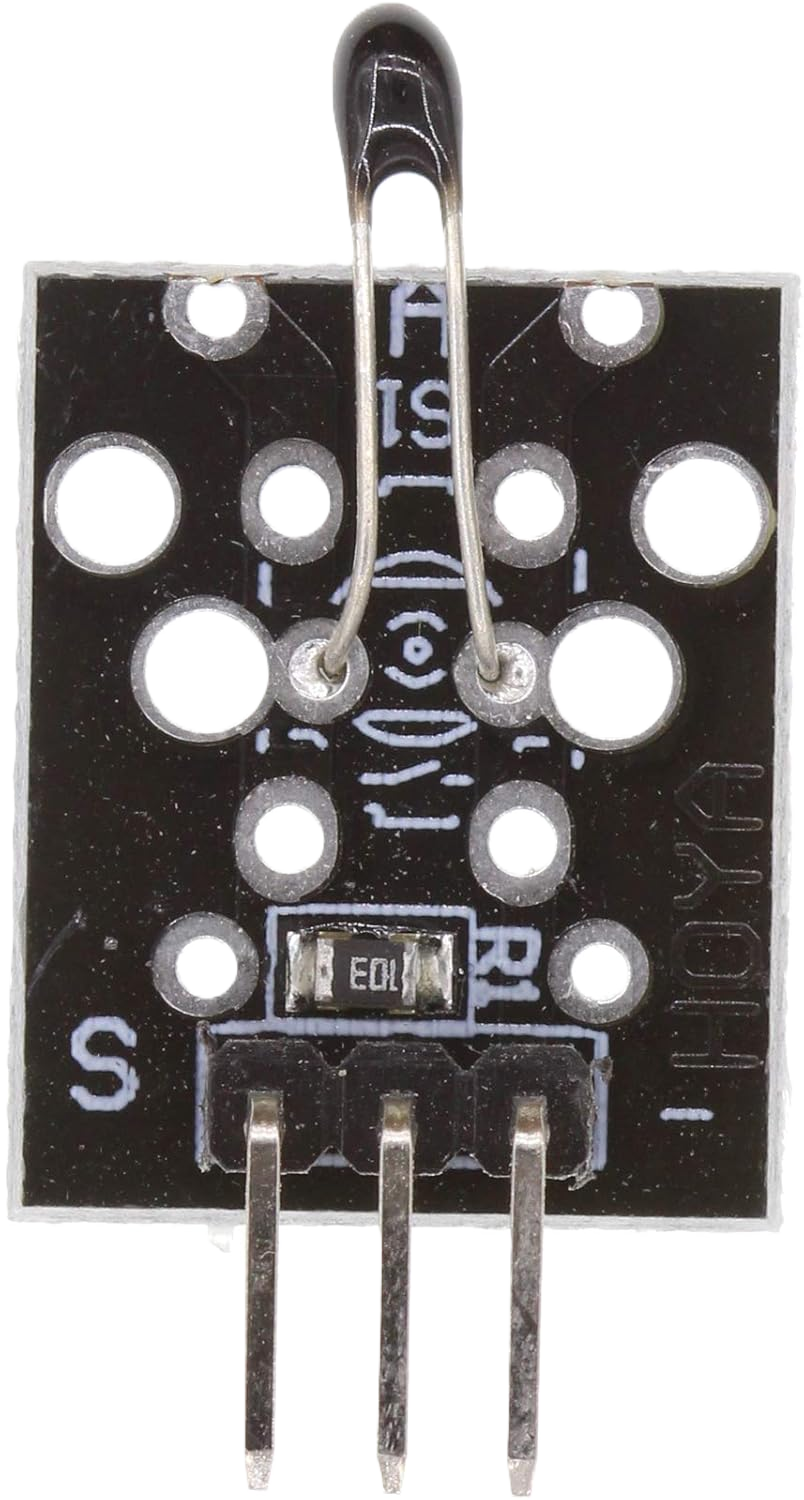
 Design with KY-013 Analog Temperature Sensor Module in Cirkit Designer
Introduction
The KY-013 Analog Temperature Sensor Module, manufactured by HUABAN (Part ID: KY-013), is a compact and efficient temperature sensing module. It utilizes the LM35 temperature sensor to measure temperature and outputs an analog voltage proportional to the temperature in degrees Celsius. This module is widely used in electronics projects for temperature monitoring and control.
Explore Projects Built with KY-013 Analog Temperature Sensor Module
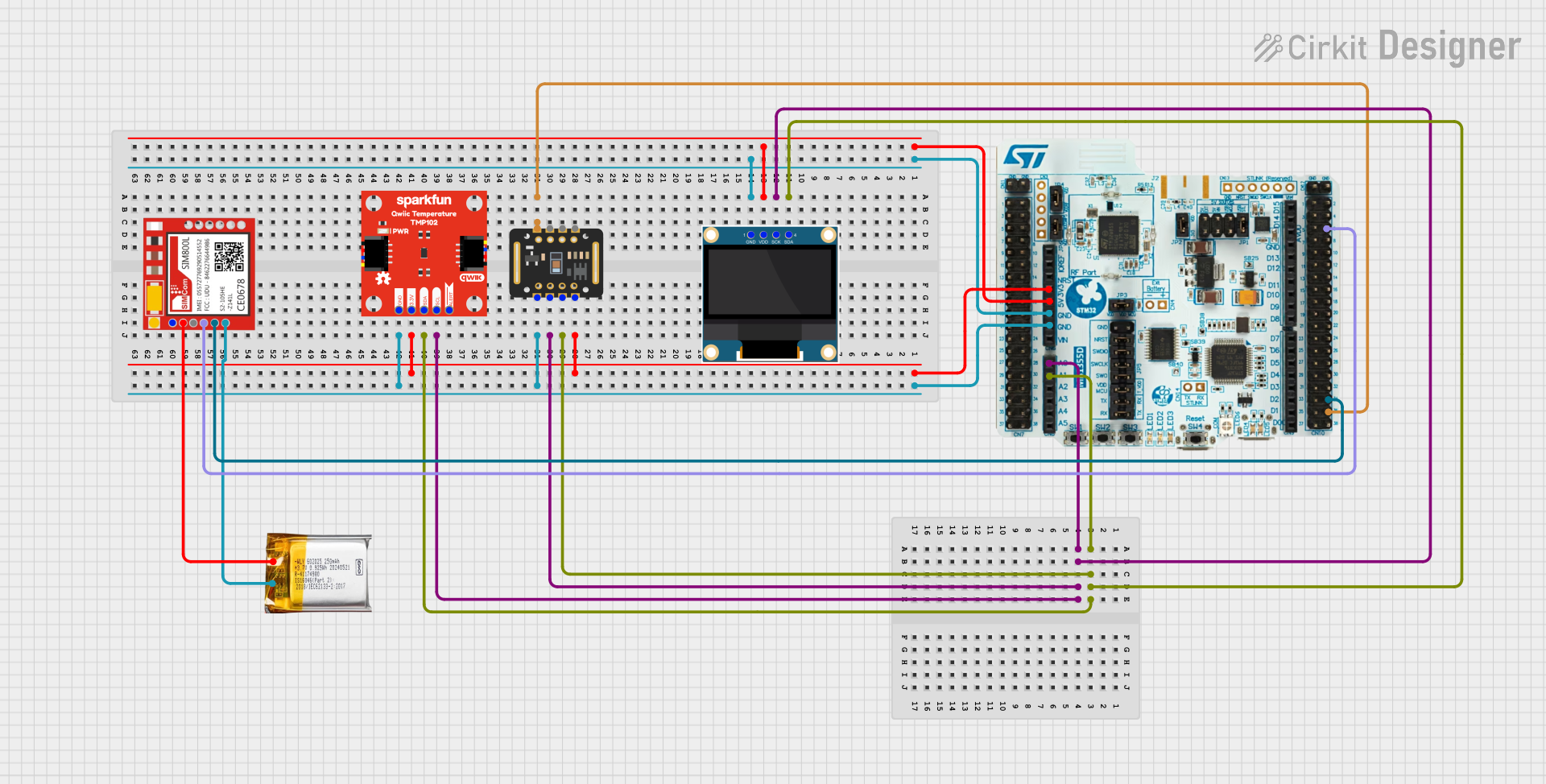 Open Project in Cirkit Designer
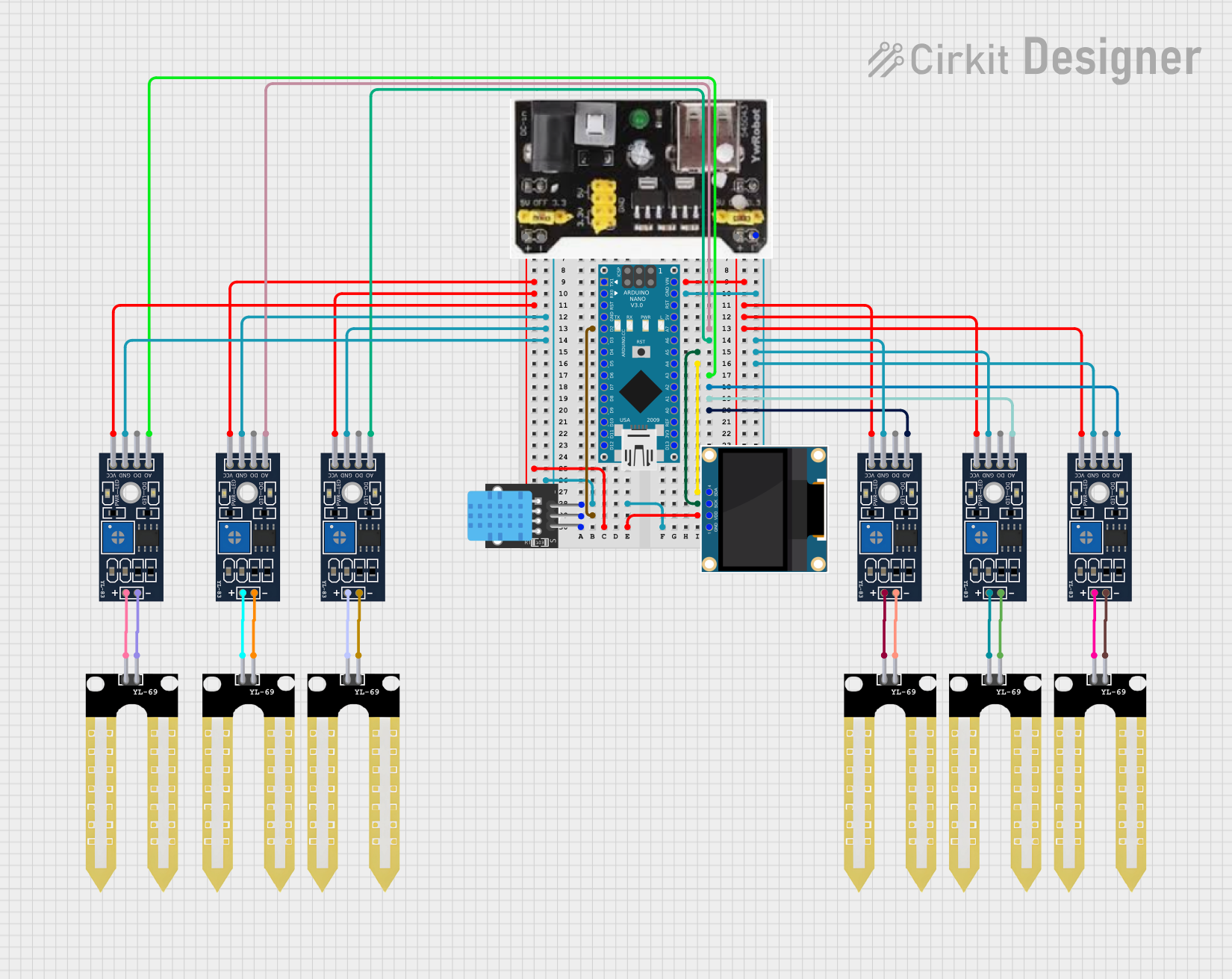 Open Project in Cirkit Designer
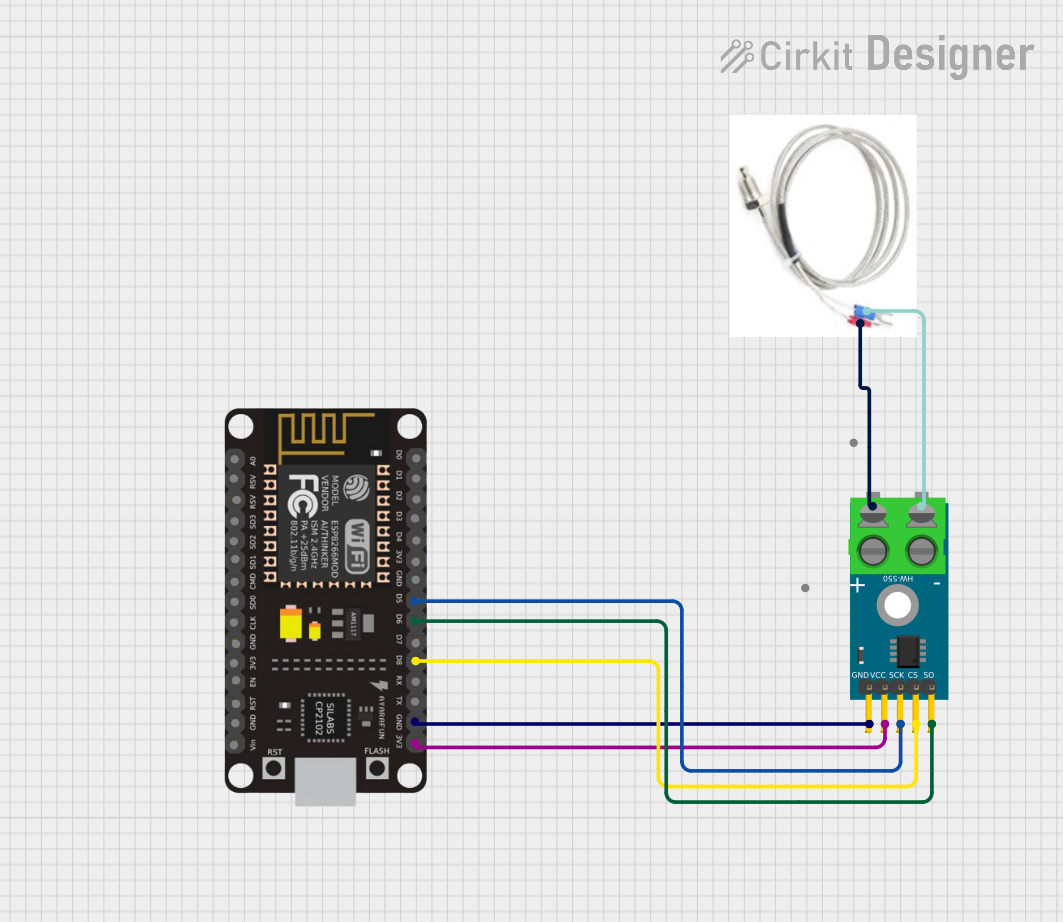 Open Project in Cirkit Designer
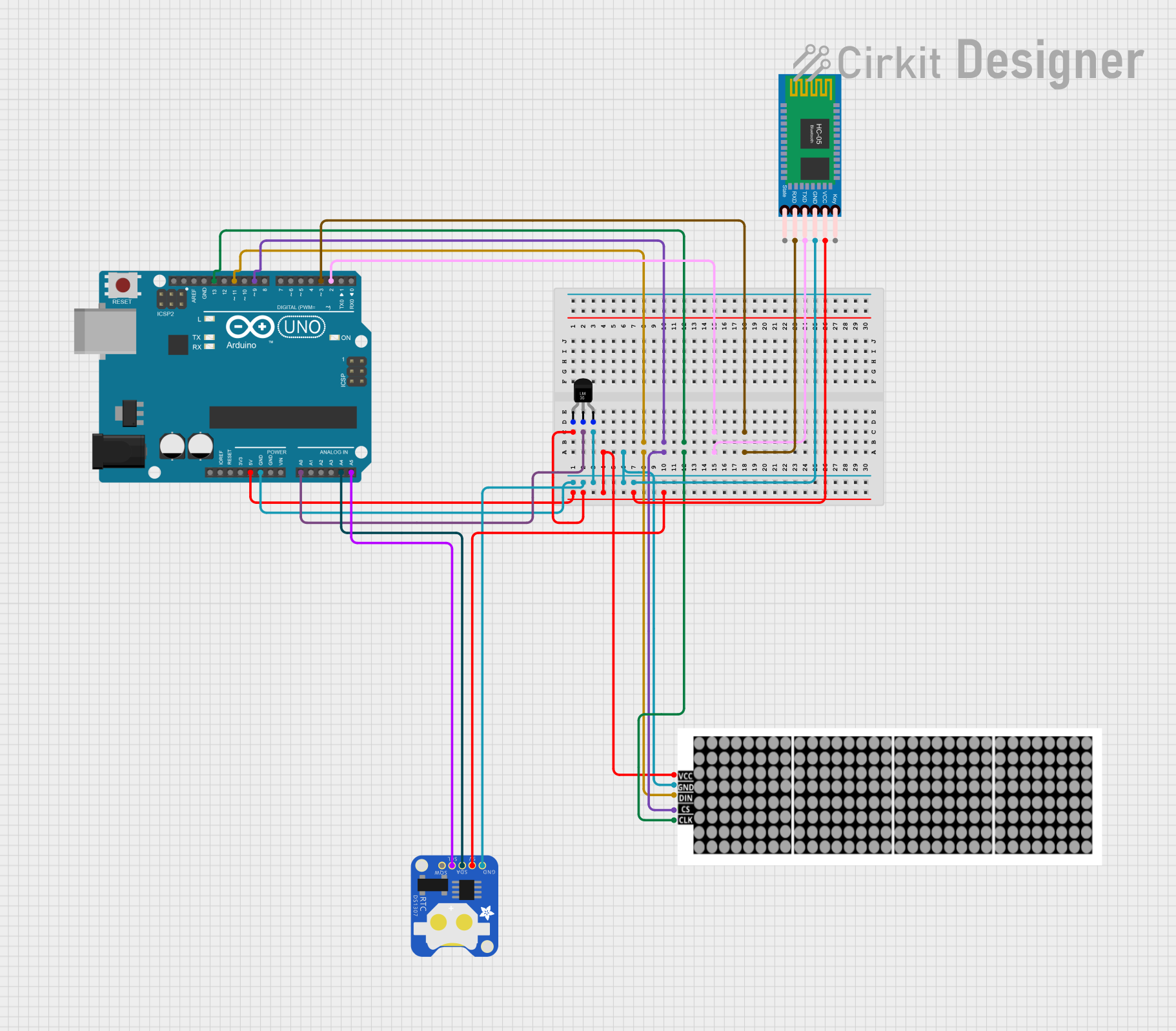 Open Project in Cirkit Designer
Explore Projects Built with KY-013 Analog Temperature Sensor Module
Open Project in Cirkit DesignerOpen Project in Cirkit DesignerOpen Project in Cirkit DesignerOpen Project in Cirkit DesignerCommon Applications
- Environmental monitoring systems
- Home automation and HVAC systems
- Industrial temperature sensing
- Educational and DIY electronics projects
- Arduino and microcontroller-based projects
Technical Specifications
The KY-013 module is designed for ease of use and compatibility with a wide range of microcontrollers. Below are its key technical details:
Key Specifications
| Parameter | Value |
|---|---|
| Sensor Type | LM35 Analog Temperature Sensor |
| Operating Voltage | 4V to 30V |
| Output Voltage Range | 0V to 1.5V (for -55°C to 150°C) |
| Temperature Range | -55°C to +150°C |
| Accuracy | ±0.5°C (at 25°C) |
| Output Type | Analog Voltage |
| Dimensions | 18mm x 10mm x 8mm |
Pin Configuration
The KY-013 module has three pins for easy interfacing. The table below describes each pin:
| Pin Name | Pin Number | Description |
|---|---|---|
| VCC | 1 | Power supply input (4V to 30V) |
| GND | 2 | Ground connection |
| OUT | 3 | Analog voltage output (temperature) |
Usage Instructions
The KY-013 Analog Temperature Sensor Module is simple to use and can be connected directly to a microcontroller or an analog-to-digital converter (ADC). Follow the steps below to integrate the module into your project:
Connecting the KY-013 to an Arduino UNO
Wiring:
- Connect the
VCCpin of the KY-013 to the 5V pin on the Arduino UNO. - Connect the
GNDpin of the KY-013 to the GND pin on the Arduino UNO. - Connect the
OUTpin of the KY-013 to an analog input pin (e.g., A0) on the Arduino UNO.
- Connect the
Arduino Code: Use the following example code to read the temperature from the KY-013 module and display it in the Serial Monitor:
// KY-013 Analog Temperature Sensor Example Code
// Reads temperature in Celsius and displays it on the Serial Monitor.

const int sensorPin = A0; // KY-013 OUT pin connected to Arduino A0
float voltage;            // Variable to store sensor output voltage
float temperature;        // Variable to store calculated temperature

void setup() {
  Serial.begin(9600); // Initialize Serial communication at 9600 baud
}

void loop() {
  int sensorValue = analogRead(sensorPin); // Read analog value from sensor
  voltage = sensorValue * (5.0 / 1023.0);  // Convert ADC value to voltage

  // LM35 outputs 10mV per degree Celsius
  temperature = voltage * 100.0; // Convert voltage to temperature in Celsius

  // Print temperature to Serial Monitor
  Serial.print("Temperature: ");
  Serial.print(temperature);
  Serial.println(" °C");

  delay(1000); // Wait 1 second before next reading
}
Important Considerations
- Ensure the module is powered within its operating voltage range (4V to 30V).
- Avoid exposing the sensor to temperatures beyond its specified range (-55°C to +150°C).
- Use proper decoupling capacitors near the power supply pins to reduce noise.
- For accurate readings, place the sensor in a stable environment and avoid rapid temperature changes.
Troubleshooting and FAQs
Common Issues and Solutions
No Output or Incorrect Readings:
- Cause: Incorrect wiring or loose connections.
- Solution: Double-check the wiring and ensure all connections are secure.
Fluctuating Temperature Readings:
- Cause: Electrical noise or unstable power supply.
- Solution: Add a 0.1µF capacitor between the VCC and GND pins to filter noise.
Output Voltage Does Not Change:
- Cause: Sensor damaged or operating outside its temperature range.
- Solution: Verify the sensor's operating conditions and replace it if necessary.
Temperature Readings Are Offset:
- Cause: Calibration issue or incorrect conversion formula.
- Solution: Verify the conversion formula in the code and recalibrate if needed.
FAQs
Q1: Can the KY-013 module measure negative temperatures?
Yes, the LM35 sensor on the KY-013 module can measure temperatures as low as -55°C. However, the output voltage will be 0V for negative temperatures unless additional circuitry is used.
Q2: Is the KY-013 compatible with 3.3V microcontrollers?
Yes, the KY-013 can operate at 3.3V, but the output voltage range will be lower, which may reduce resolution. Ensure the ADC reference voltage matches the sensor's output range.
Q3: How can I improve the accuracy of the temperature readings?
Place the sensor in a stable environment, avoid rapid temperature changes, and use a high-resolution ADC for better accuracy.
Q4: Can I use the KY-013 for water temperature measurement?
The KY-013 is not waterproof. To measure water temperature, use a waterproof casing or a dedicated waterproof temperature sensor.
By following this documentation, you can effectively integrate the KY-013 Analog Temperature Sensor Module into your projects and troubleshoot common issues.