
How to Use Lipo Cracker Battery: Examples, Pinouts, and Specs
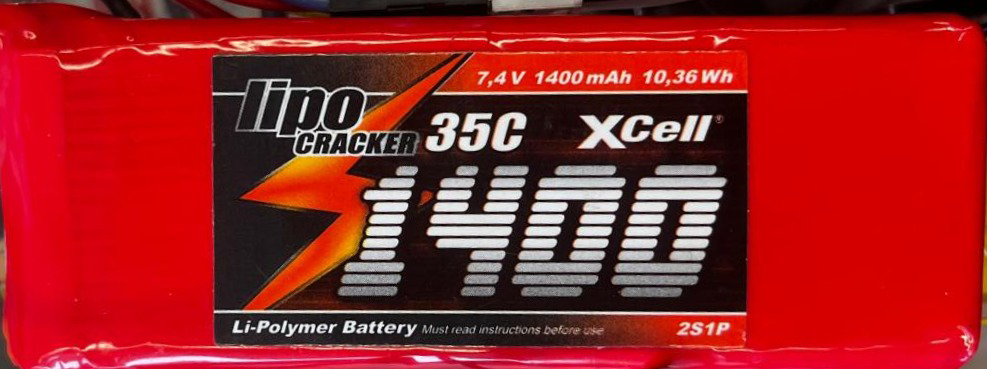
 Design with Lipo Cracker Battery in Cirkit Designer
Introduction
The Lipo Cracker Battery is a high-performance lithium polymer (LiPo) battery designed for demanding applications. Manufactured by Lipo, this battery is known for its lightweight design, high energy density, and ability to deliver consistent power output. It is commonly used in remote-controlled devices, drones, robotics, and other portable electronics requiring reliable and efficient energy storage.
Explore Projects Built with Lipo Cracker Battery
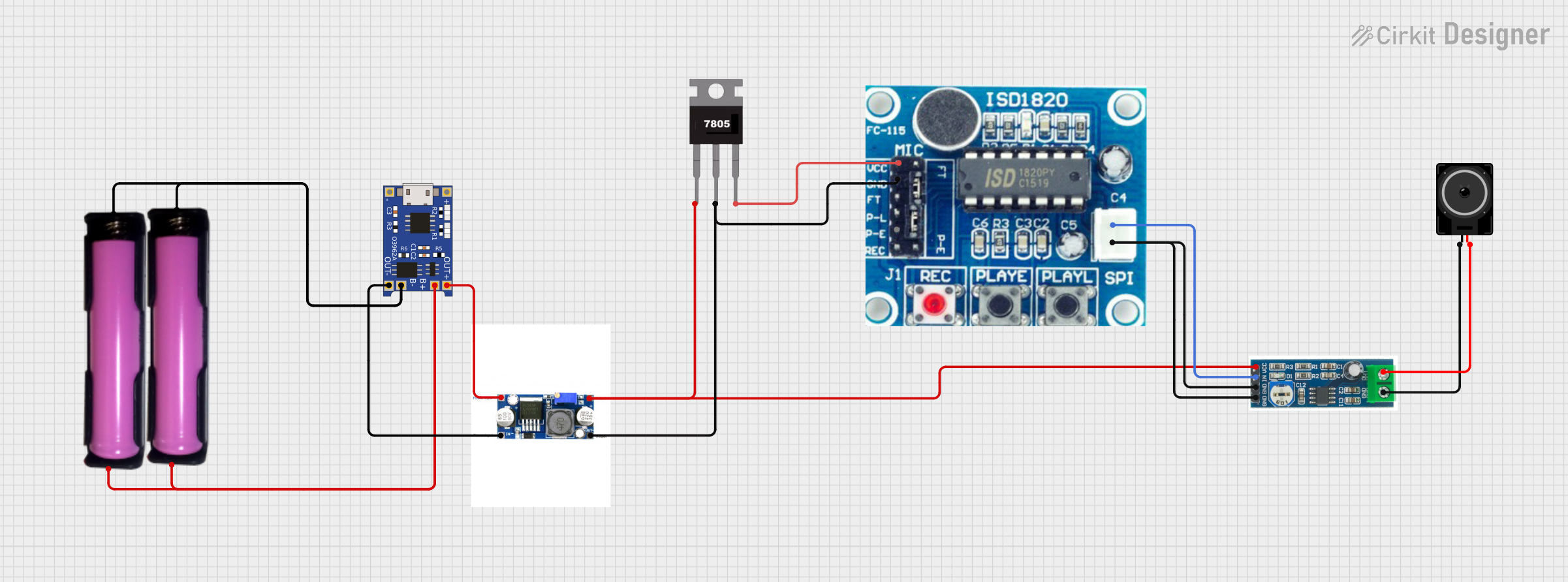 Open Project in Cirkit Designer
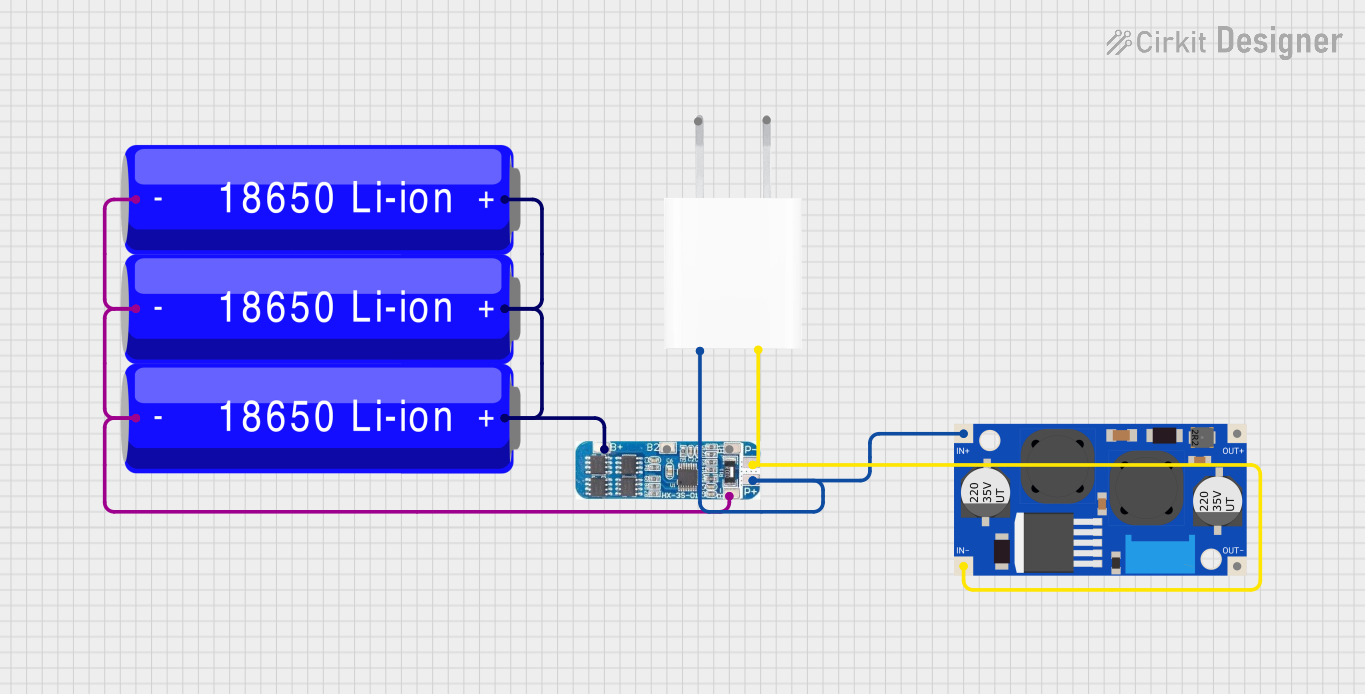 Open Project in Cirkit Designer
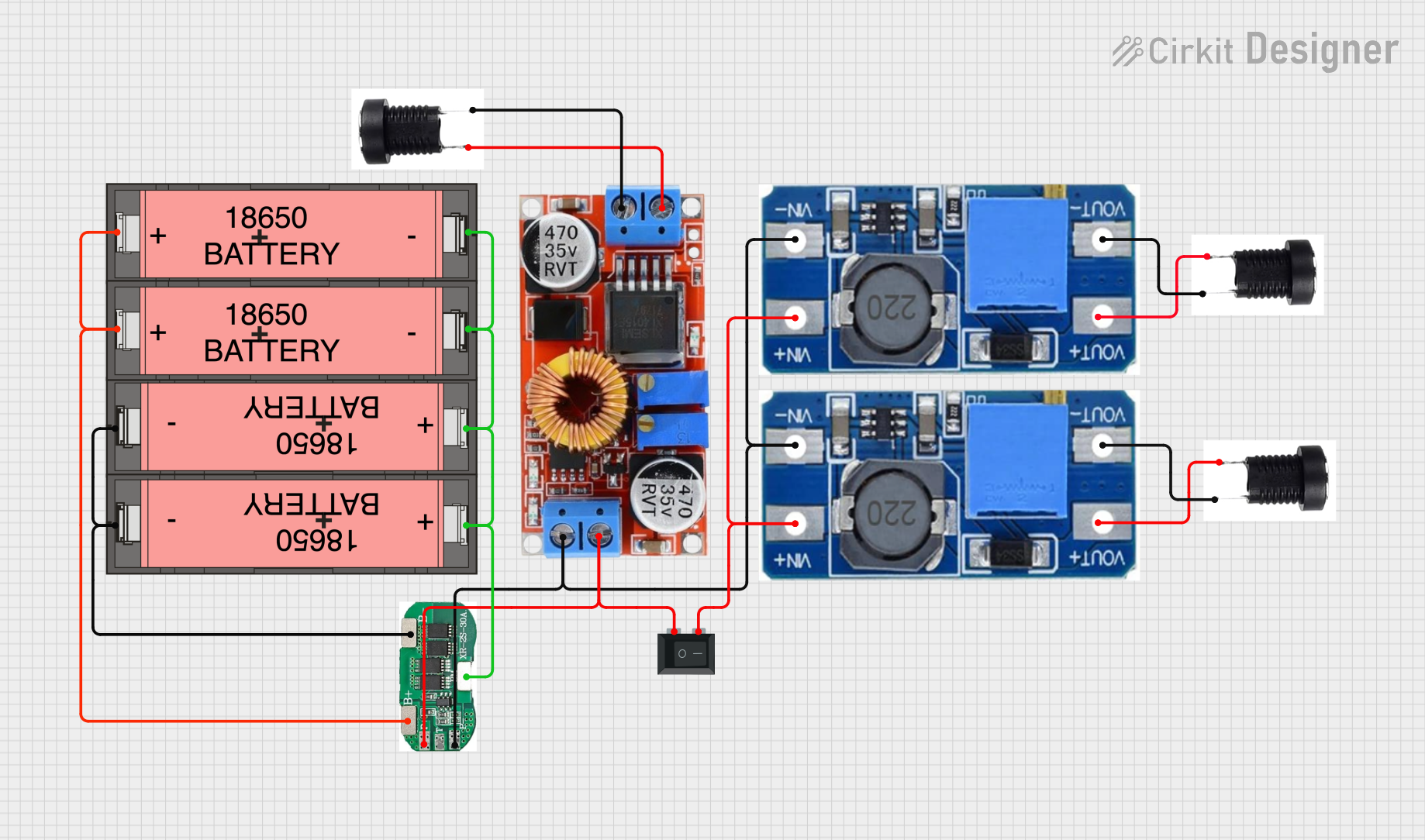 Open Project in Cirkit Designer
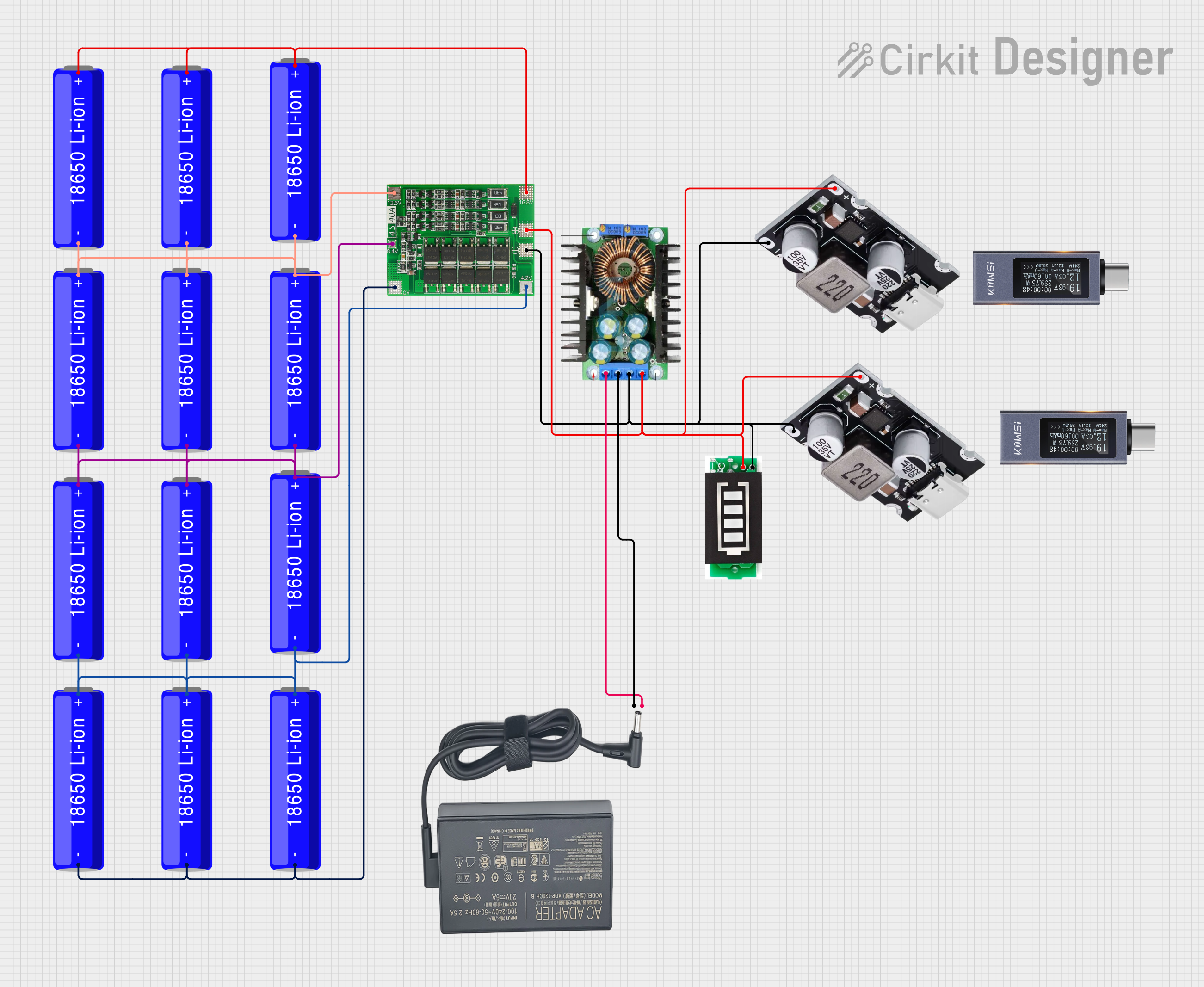 Open Project in Cirkit Designer
Explore Projects Built with Lipo Cracker Battery
Open Project in Cirkit DesignerOpen Project in Cirkit DesignerOpen Project in Cirkit DesignerOpen Project in Cirkit DesignerCommon Applications:
- Remote-controlled vehicles (cars, boats, planes)
- Drones and quadcopters
- Robotics and automation systems
- Portable electronic devices
- High-performance hobbyist projects
Technical Specifications
Below are the key technical details of the Lipo Cracker Battery:
| Parameter | Value |
|---|---|
| Manufacturer | Lipo |
| Part ID | Lipo Cracker Battery |
| Battery Type | Lithium Polymer (LiPo) |
| Nominal Voltage | 11.1V |
| Capacity | 2200mAh |
| Maximum Discharge Rate | 30C |
| Maximum Charge Rate | 5C |
| Weight | 180g |
| Dimensions (L x W x H) | 105mm x 35mm x 25mm |
| Connector Type | XT60 or JST (varies by model) |
| Operating Temperature | -20°C to 60°C |
| Storage Temperature | -10°C to 45°C |
Pin Configuration and Descriptions
The Lipo Cracker Battery typically includes two connectors: a power connector and a balance connector. Below is a description of each:
Power Connector (XT60 or JST)
| Pin | Description |
|---|---|
| + | Positive terminal (V+) |
| - | Negative terminal (GND) |
Balance Connector (JST-XH)
| Pin | Description |
|---|---|
| 1 | Cell 1 positive terminal (V1+) |
| 2 | Cell 1 negative / Cell 2 positive (V1-/V2+) |
| 3 | Cell 2 negative / Cell 3 positive (V2-/V3+) |
| 4 | Cell 3 negative (V3-) |
Usage Instructions
How to Use the Lipo Cracker Battery in a Circuit
- Connect the Power Connector: Use the XT60 or JST connector to connect the battery to your device's power input. Ensure proper polarity to avoid damage.
- Balance Charging: Always use a LiPo-compatible balance charger to charge the battery. Connect the balance connector (JST-XH) to the charger to ensure all cells are charged evenly.
- Voltage Monitoring: Use a LiPo voltage alarm or monitor to prevent over-discharging. The minimum safe voltage per cell is 3.0V, and the maximum is 4.2V.
Important Considerations and Best Practices
- Charging: Always charge the battery using a LiPo-compatible charger. Never exceed the maximum charge rate of 5C.
- Discharging: Do not exceed the maximum discharge rate of 30C to avoid overheating or damage.
- Storage: Store the battery at a voltage of 3.7V to 3.8V per cell for long-term storage. Keep it in a cool, dry place.
- Safety: Avoid puncturing, short-circuiting, or exposing the battery to fire or water. Use a fireproof LiPo bag during charging for added safety.
Example: Using the Lipo Cracker Battery with an Arduino UNO
Below is an example of how to connect the Lipo Cracker Battery to an Arduino UNO for powering a project:
Circuit Setup:
- Connect the battery's XT60 connector to a voltage regulator module (e.g., LM2596) to step down the voltage to 5V.
- Connect the output of the voltage regulator to the Arduino UNO's VIN and GND pins.
Sample Code:
// Example code to read battery voltage using Arduino UNO
// Ensure a voltage divider circuit is used to step down the battery voltage
// to a safe level for the Arduino's analog input (max 5V).

const int batteryPin = A0; // Analog pin connected to the voltage divider
const float voltageDividerRatio = 5.7; // Adjust based on your resistor values

void setup() {
  Serial.begin(9600); // Initialize serial communication
}

void loop() {
  int rawValue = analogRead(batteryPin); // Read the analog input
  float batteryVoltage = (rawValue / 1023.0) * 5.0 * voltageDividerRatio;

  Serial.print("Battery Voltage: ");
  Serial.print(batteryVoltage);
  Serial.println(" V");

  delay(1000); // Wait for 1 second before the next reading
}
Troubleshooting and FAQs
Common Issues and Solutions
Battery Not Charging:
- Cause: Incorrect charger or damaged balance connector.
- Solution: Use a LiPo-compatible balance charger and inspect the connectors for damage.
Battery Overheating:
- Cause: Exceeding the maximum discharge rate or improper storage.
- Solution: Ensure the load does not exceed the 30C discharge rate. Store the battery in a cool, dry place.
Device Shuts Down Prematurely:
- Cause: Battery voltage too low or insufficient capacity.
- Solution: Monitor the battery voltage and recharge when it drops below 3.0V per cell. Consider using a higher-capacity battery if needed.
Swollen Battery:
- Cause: Overcharging, over-discharging, or physical damage.
- Solution: Stop using the battery immediately. Dispose of it safely according to local regulations.
FAQs
Q: Can I use the Lipo Cracker Battery without a balance charger?
A: No, it is highly recommended to use a balance charger to ensure all cells are charged evenly and safely.
Q: How do I calculate the runtime of the battery?
A: Divide the battery capacity (in mAh) by the device's current draw (in mA) and multiply by 60 to get the runtime in minutes. For example, a 2200mAh battery powering a 500mA device will last approximately 264 minutes.
Q: Is it safe to leave the battery connected to my device when not in use?
A: No, always disconnect the battery when not in use to prevent over-discharging or accidental short circuits.
Q: Can I use the battery in cold weather?
A: Yes, but performance may degrade at temperatures below -20°C. Pre-warm the battery if necessary.