
How to Use Connection Node 1pin: Examples, Pinouts, and Specs
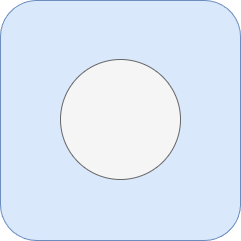
 Design with Connection Node 1pin in Cirkit Designer
Introduction
The Connection Node 1pin is a simple yet essential electronic component designed to establish a single-point electrical connection in a circuit. It serves as a versatile interface for integrating various components, enabling seamless connectivity in both prototyping and permanent circuit designs. Its compact design and ease of use make it a staple in electronics projects.
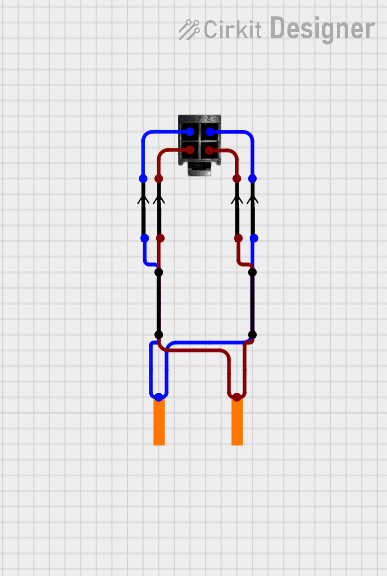
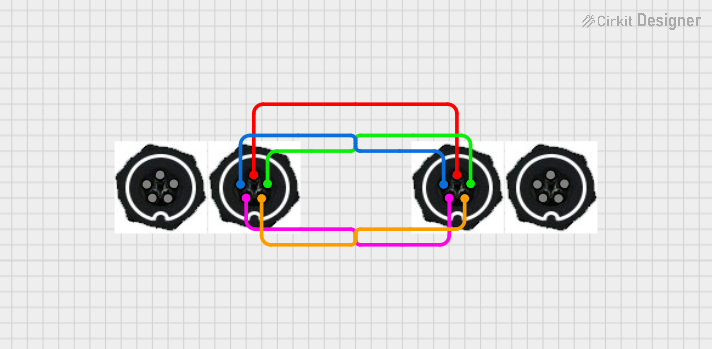
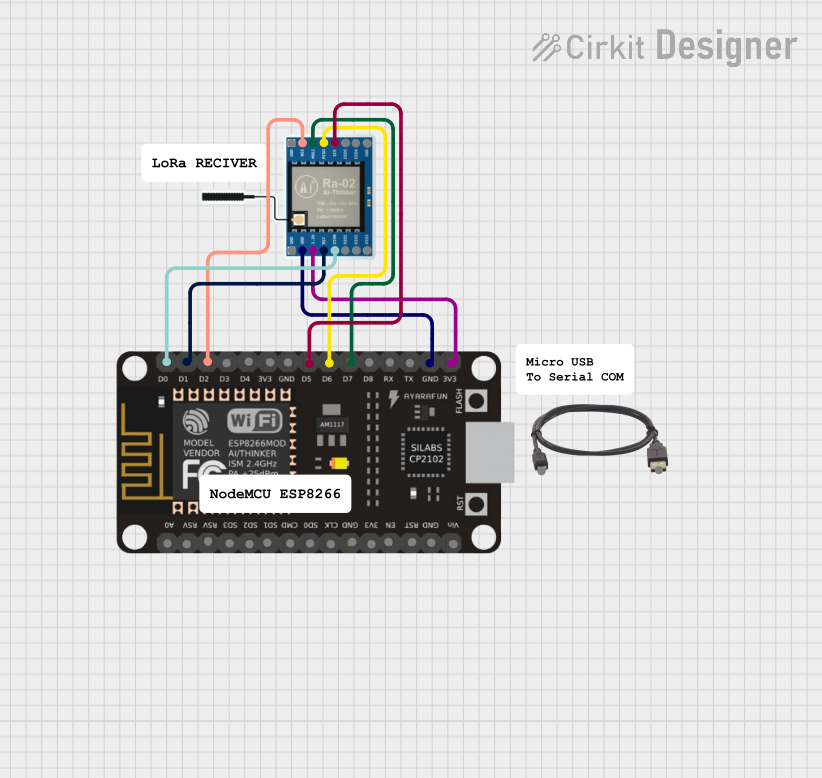
Explore Projects Built with Connection Node 1pin
 Open Project in Cirkit Designer
 Open Project in Cirkit Designer
 Open Project in Cirkit Designer
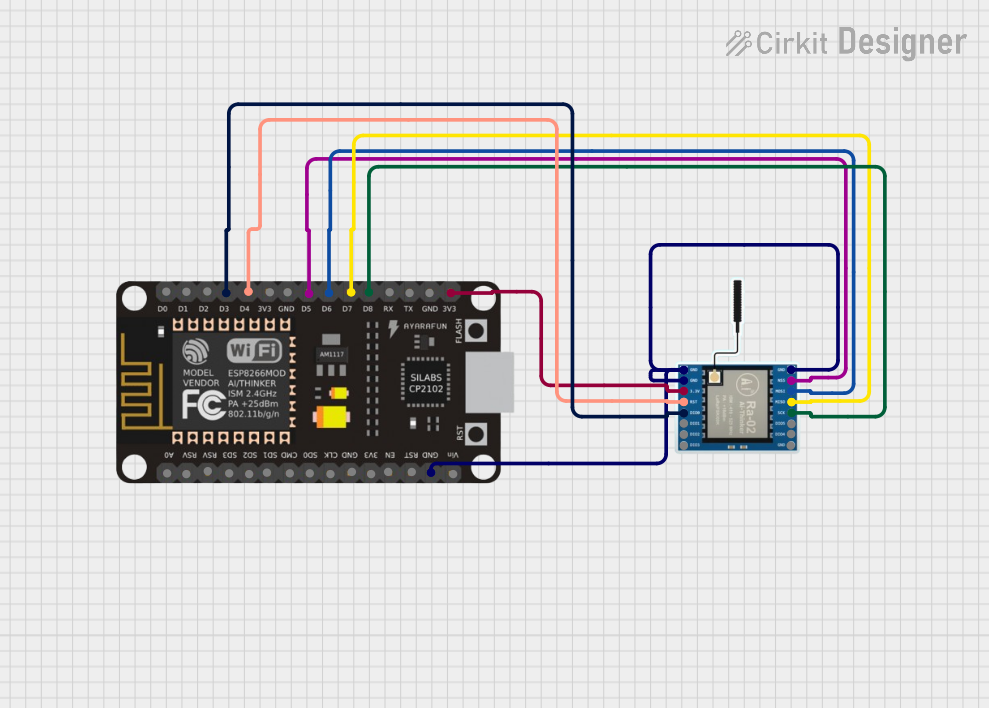 Open Project in Cirkit Designer
Explore Projects Built with Connection Node 1pin
Open Project in Cirkit DesignerOpen Project in Cirkit DesignerOpen Project in Cirkit DesignerOpen Project in Cirkit DesignerCommon Applications and Use Cases
- Prototyping circuits on breadboards or perfboards
- Establishing single-point connections for sensors, actuators, or other components
- Creating test points in circuits for debugging and measurement
- Connecting wires in low-power applications
Technical Specifications
The Connection Node 1pin is a passive component with no active electrical properties. Below are its key specifications:
| Parameter | Value |
|---|---|
| Material | Copper (plated with tin or gold) |
| Maximum Current Rating | 3A |
| Maximum Voltage Rating | 50V |
| Pin Diameter | 0.64 mm (standard) |
| Mounting Type | Through-hole or solderable |
| Operating Temperature | -40°C to 85°C |
Pin Configuration and Descriptions
The Connection Node 1pin has a single pin for electrical connection. Below is the pin description:
| Pin Number | Description |
|---|---|
| 1 | Electrical connection point (input/output) |
Usage Instructions
How to Use the Component in a Circuit
Mounting the Node:
- For breadboard use, insert the pin into the desired hole on the breadboard.
- For soldering, place the pin through the hole on a PCB or perfboard and solder it securely.
Connecting Wires:
- Attach wires to the pin using solder or a connector. Ensure a firm connection to avoid loose contacts.
Integration with Components:
- Use the node to connect components such as resistors, capacitors, or sensors.
- Ensure the current and voltage ratings of the node are not exceeded.
Important Considerations and Best Practices
- Avoid Overloading: Ensure the current passing through the node does not exceed 3A, as this may cause overheating or damage.
- Secure Connections: Always check that wires or components are firmly connected to avoid intermittent connections.
- Corrosion Prevention: If the node is exposed to a humid environment, consider using a gold-plated version to prevent corrosion.
- Testing: Use a multimeter to verify continuity after installation.
Example: Using with an Arduino UNO
The Connection Node 1pin can be used to connect a sensor to an Arduino UNO. Below is an example of connecting a temperature sensor (e.g., LM35) using the node:
Circuit Setup
- Insert the Connection Node 1pin into the breadboard.
- Connect the LM35 sensor's output pin to the node.
- Use a jumper wire to connect the node to the Arduino's analog input pin (e.g., A0).
Arduino Code
// Example code to read temperature from an LM35 sensor connected via Connection Node 1pin
const int sensorPin = A0; // Analog pin connected to the Connection Node 1pin
float voltage;            // Variable to store sensor voltage
float temperatureC;       // Variable to store temperature in Celsius

void setup() {
  Serial.begin(9600); // Initialize serial communication for debugging
}

void loop() {
  int sensorValue = analogRead(sensorPin); // Read analog value from the sensor
  voltage = sensorValue * (5.0 / 1023.0);  // Convert analog value to voltage
  temperatureC = voltage * 100.0;         // Convert voltage to temperature (LM35: 10mV/°C)

  // Print the temperature to the Serial Monitor
  Serial.print("Temperature: ");
  Serial.print(temperatureC);
  Serial.println(" °C");

  delay(1000); // Wait 1 second before the next reading
}
Troubleshooting and FAQs
Common Issues Users Might Face
Loose Connections:
- Problem: The node is not securely connected, causing intermittent signals.
- Solution: Ensure the pin is firmly inserted into the breadboard or soldered properly.
Overheating:
- Problem: The node becomes hot during operation.
- Solution: Check that the current does not exceed the 3A rating. Use thicker wires if necessary.
Corrosion:
- Problem: The pin shows signs of corrosion, leading to poor conductivity.
- Solution: Use a gold-plated version or apply a protective coating to the pin.
Signal Interference:
- Problem: Noise or interference in the circuit.
- Solution: Ensure proper grounding and minimize the length of wires connected to the node.
FAQs
Q: Can the Connection Node 1pin handle AC signals?
A: Yes, it can handle both AC and DC signals, provided the voltage and current ratings are not exceeded.
Q: Is the node reusable?
A: Yes, the node can be reused if it is not permanently soldered or damaged.
Q: Can I use this node for high-frequency signals?
A: While it can be used for high-frequency signals, ensure that the connection quality is high to minimize signal loss or interference.
Q: What tools are needed to solder the node?
A: A soldering iron, solder wire, and flux are typically required for soldering the node onto a PCB or perfboard.