
How to Use MAX3485: Examples, Pinouts, and Specs
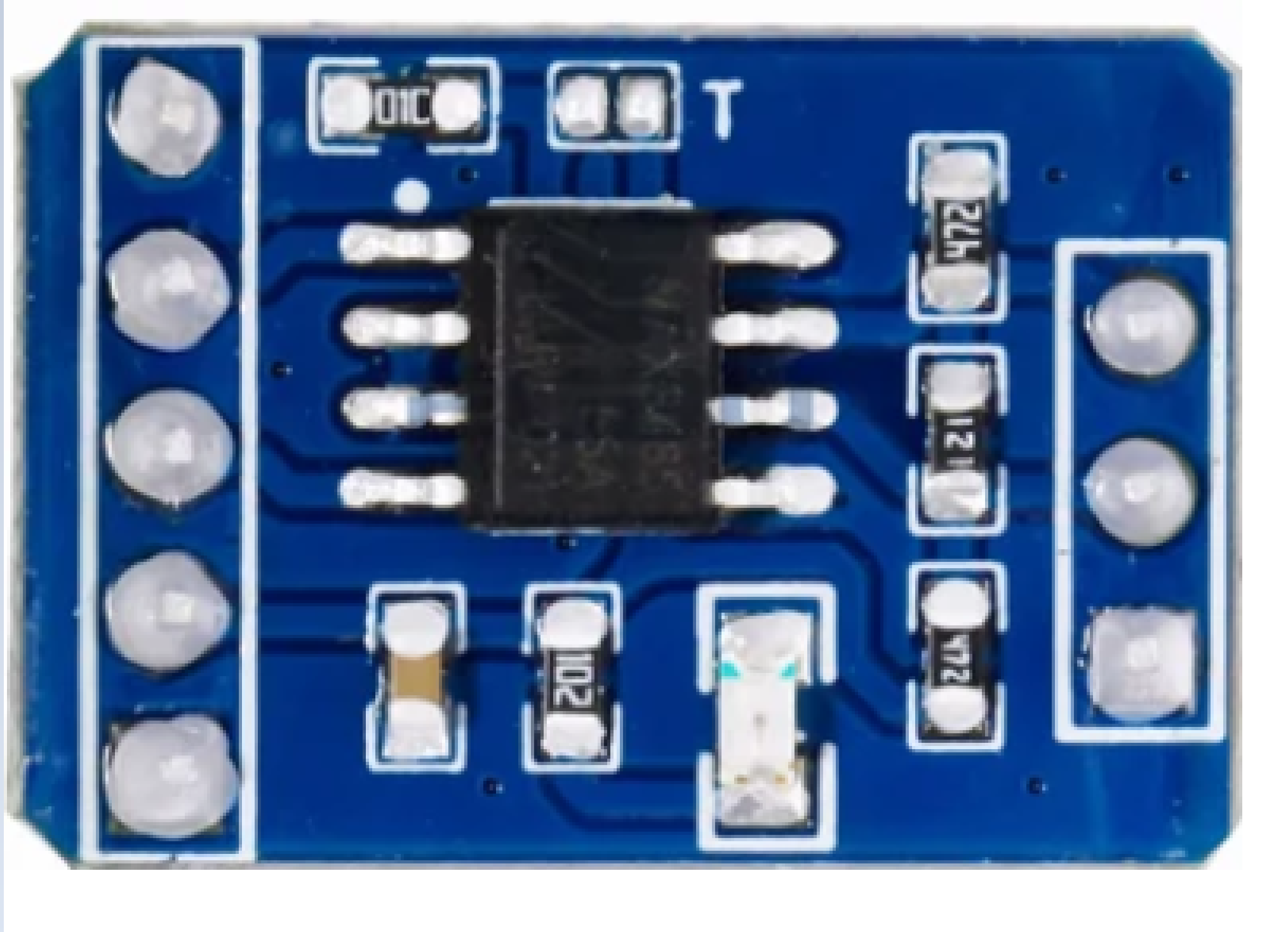
 Design with MAX3485 in Cirkit Designer
Introduction
The MAX3485 is a low-power, half-duplex RS-485 transceiver designed for reliable data communication over long distances. It is widely used in industrial, commercial, and embedded systems due to its robust design and ability to operate in noisy environments. The MAX3485 supports a wide operating voltage range, high data rates of up to 10 Mbps, and is suitable for multipoint communication networks with up to 32 devices on the same bus.
Explore Projects Built with MAX3485
 Open Project in Cirkit Designer
 Open Project in Cirkit Designer
 Open Project in Cirkit Designer
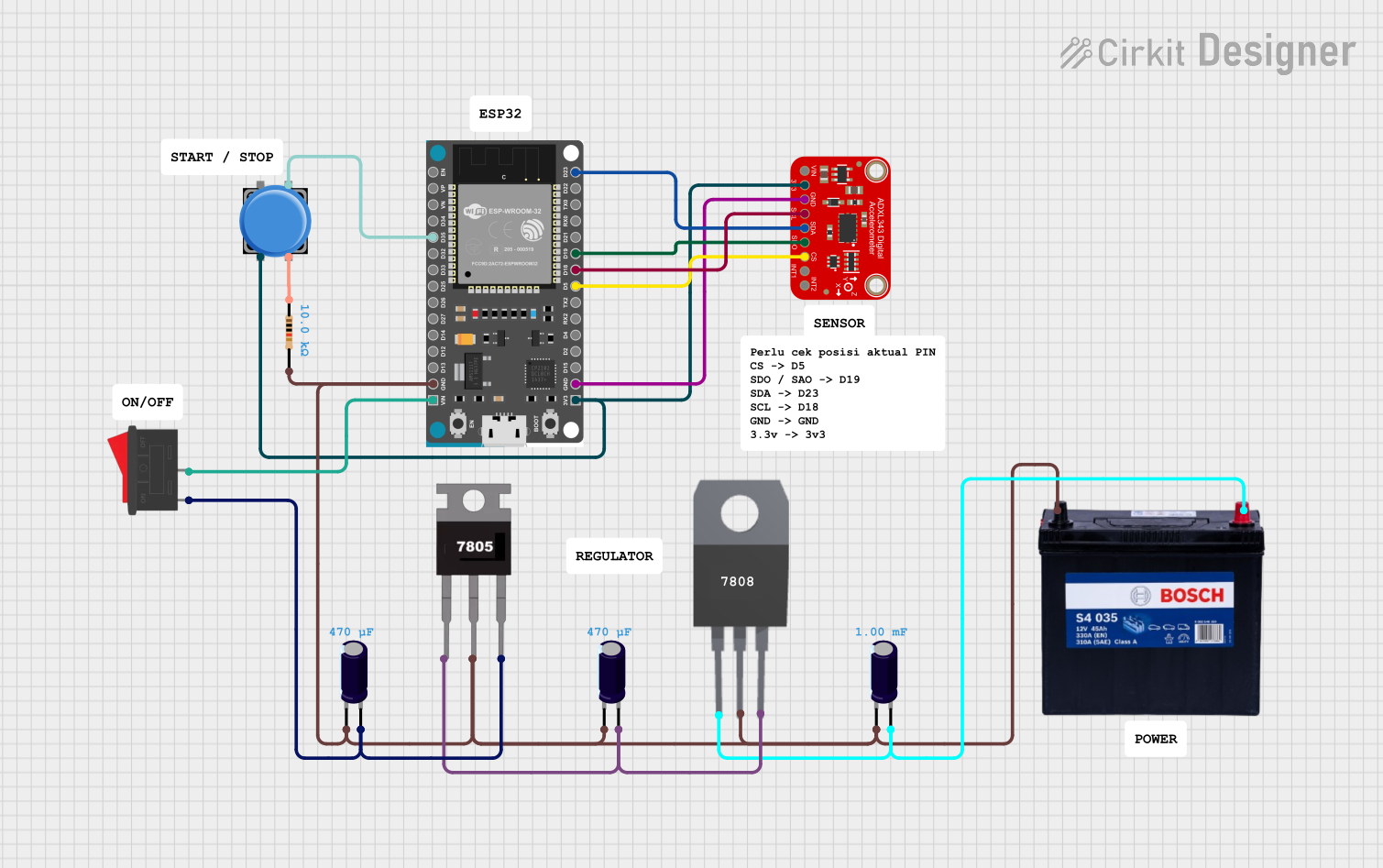 Open Project in Cirkit Designer
Explore Projects Built with MAX3485
Open Project in Cirkit DesignerOpen Project in Cirkit DesignerOpen Project in Cirkit DesignerOpen Project in Cirkit DesignerCommon Applications and Use Cases
- Industrial automation and control systems
- Building automation (e.g., HVAC, lighting control)
- Data acquisition systems
- Embedded systems requiring long-distance communication
- RS-485-based communication networks
Technical Specifications
Key Technical Details
- Operating Voltage Range: 3.0V to 3.6V
- Data Rate: Up to 10 Mbps
- Driver Output Voltage: ±5V (minimum)
- Receiver Input Sensitivity: ±200 mV
- Receiver Input Resistance: ≥ 96 kΩ
- Operating Temperature Range: -40°C to +85°C
- Low Power Consumption: 1 µA (in shutdown mode)
- ESD Protection: ±15 kV (Human Body Model)
Pin Configuration and Descriptions
The MAX3485 is typically available in an 8-pin SOIC (Small Outline Integrated Circuit) package. Below is the pinout and description:
| Pin Number | Pin Name | Description |
|---|---|---|
| 1 | RO | Receiver Output: Outputs the received data from the RS-485 bus. |
| 2 | RE̅ | Receiver Enable: Active-low input. Enables the receiver when low. |
| 3 | DE | Driver Enable: Enables the driver when high. |
| 4 | DI | Driver Input: Accepts the data to be transmitted on the RS-485 bus. |
| 5 | GND | Ground: Connect to system ground. |
| 6 | A | Non-inverting Driver Output / Receiver Input (RS-485 bus line). |
| 7 | B | Inverting Driver Output / Receiver Input (RS-485 bus line). |
| 8 | VCC | Power Supply: Connect to a 3.3V power source. |
Usage Instructions
How to Use the MAX3485 in a Circuit
- Power Supply: Connect the VCC pin to a 3.3V power source and the GND pin to the system ground.
- Bus Connections: Connect the A and B pins to the RS-485 bus lines. Use a 120-ohm termination resistor across A and B at the ends of the bus for proper signal integrity.
- Driver and Receiver Control:
- To enable the driver, set the DE pin high.
- To enable the receiver, set the RE̅ pin low.
- For low-power operation, set both DE low and RE̅ high to disable the driver and receiver.
- Data Transmission: Send data to the DI pin when the driver is enabled. The data will be transmitted on the RS-485 bus.
- Data Reception: Read data from the RO pin when the receiver is enabled.
Important Considerations and Best Practices
- Termination Resistors: Always use termination resistors (120 ohms) at both ends of the RS-485 bus to minimize signal reflections.
- Biasing Resistors: Use pull-up and pull-down resistors on the A and B lines to ensure a known idle state when no device is driving the bus.
- ESD Protection: While the MAX3485 has built-in ESD protection, consider adding external TVS diodes for additional protection in harsh environments.
- Bus Length and Data Rate: Keep the bus length and data rate within recommended limits to avoid signal degradation. For example, at 10 Mbps, the maximum bus length should not exceed 15 meters.
Example: Connecting the MAX3485 to an Arduino UNO
Below is an example of how to connect the MAX3485 to an Arduino UNO for RS-485 communication:
Circuit Connections
- MAX3485 VCC: Connect to Arduino 3.3V.
- MAX3485 GND: Connect to Arduino GND.
- MAX3485 DI: Connect to Arduino digital pin 3 (TX).
- MAX3485 RO: Connect to Arduino digital pin 2 (RX).
- MAX3485 DE: Connect to Arduino digital pin 4.
- MAX3485 RE̅: Connect to Arduino digital pin 4 (shared with DE).
- MAX3485 A and B: Connect to the RS-485 bus lines.
Arduino Code Example
// RS-485 Communication Example with MAX3485 and Arduino UNO

#define DE_RE_PIN 4  // Pin to control DE and RE̅
#define TX_PIN 3     // Arduino TX pin connected to DI
#define RX_PIN 2     // Arduino RX pin connected to RO

void setup() {
  pinMode(DE_RE_PIN, OUTPUT);  // Set DE/RE̅ pin as output
  digitalWrite(DE_RE_PIN, LOW); // Set DE/RE̅ low to enable receiver by default

  Serial.begin(9600);          // Initialize serial communication
  Serial.println("MAX3485 RS-485 Example");
}

void loop() {
  // Transmit data
  digitalWrite(DE_RE_PIN, HIGH); // Enable driver
  delay(10);                     // Small delay to ensure DE is active
  Serial.write("Hello, RS-485!"); // Send data
  delay(10);                     // Small delay to ensure data is sent
  digitalWrite(DE_RE_PIN, LOW);  // Disable driver, enable receiver

  // Receive data (if any)
  if (Serial.available()) {
    String receivedData = Serial.readString();
    Serial.println("Received: " + receivedData);
  }

  delay(1000); // Wait before next transmission
}
Troubleshooting and FAQs
Common Issues and Solutions
No Communication on the Bus:
- Ensure the DE pin is high and the RE̅ pin is low during transmission.
- Verify the A and B lines are correctly connected and terminated with 120-ohm resistors.
Data Corruption:
- Check for proper termination and biasing resistors on the RS-485 bus.
- Ensure the bus length and data rate are within the recommended limits.
High Power Consumption:
- Verify that the device is in shutdown mode (DE low, RE̅ high) when not in use.
Overheating:
- Check for short circuits on the A and B lines.
- Ensure the supply voltage does not exceed 3.6V.
FAQs
Q1: Can the MAX3485 operate at 5V?
No, the MAX3485 is designed for a 3.0V to 3.6V operating range. For 5V systems, consider using the MAX485 instead.
Q2: How many devices can be connected to the RS-485 bus?
The MAX3485 supports up to 32 devices on the same bus.
Q3: What is the maximum cable length for RS-485 communication?
The maximum cable length depends on the data rate. For example, at 10 Mbps, the maximum length is approximately 15 meters. For lower data rates, longer distances are possible.
Q4: Is the MAX3485 suitable for full-duplex communication?
No, the MAX3485 is a half-duplex transceiver. For full-duplex communication, consider using a full-duplex RS-485 transceiver like the MAX3491.