
How to Use ICM-45686: Examples, Pinouts, and Specs
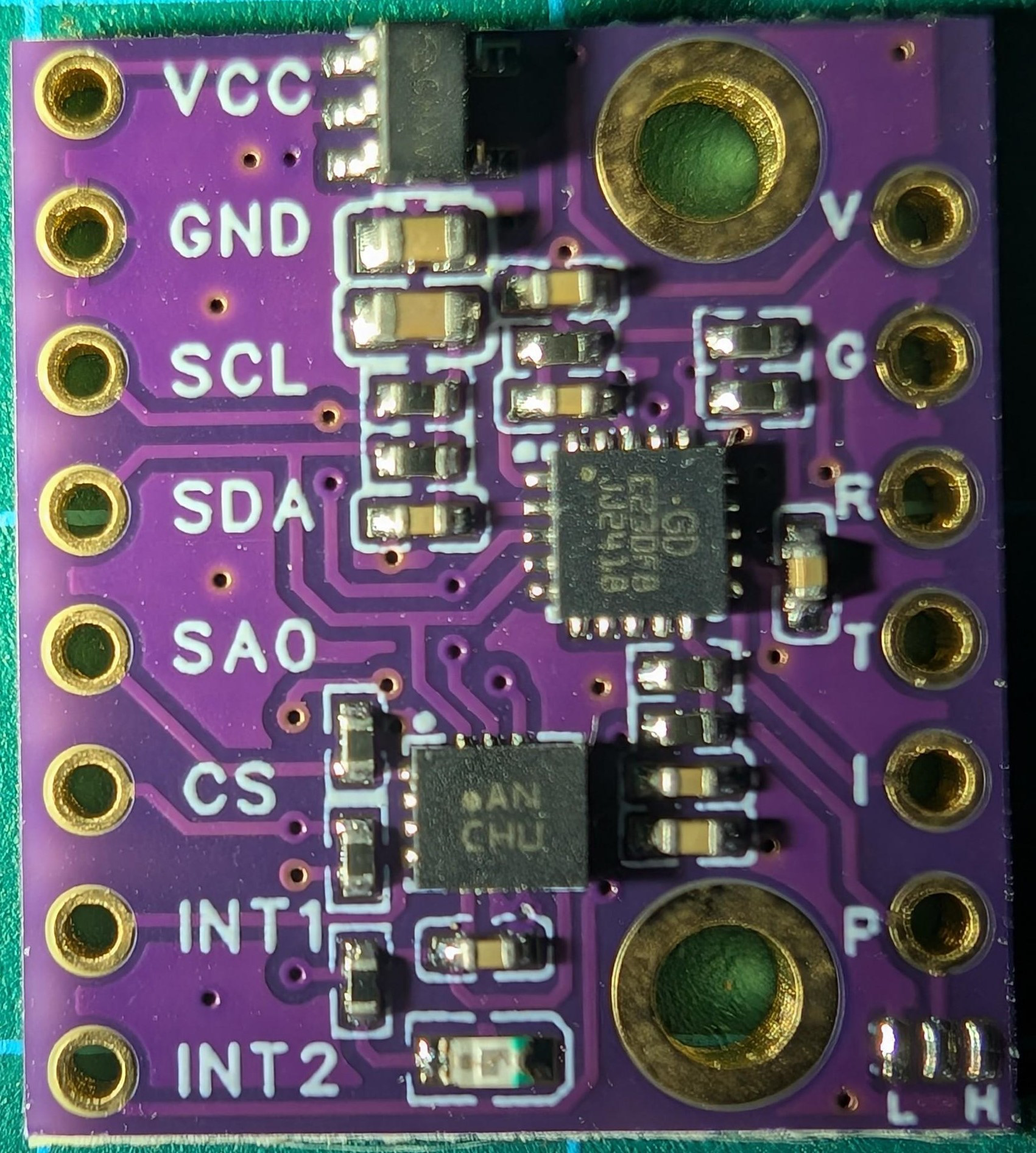
 Design with ICM-45686 in Cirkit Designer
Introduction
The ICM-45686 is a high-performance integrated circuit (IC) manufactured by TDM InvenSense. It is designed for precision measurement and control applications, offering high accuracy, low power consumption, and robust performance. This IC is particularly well-suited for interfacing with various sensors, making it ideal for applications in industrial automation, robotics, IoT devices, and wearable technology.
Explore Projects Built with ICM-45686
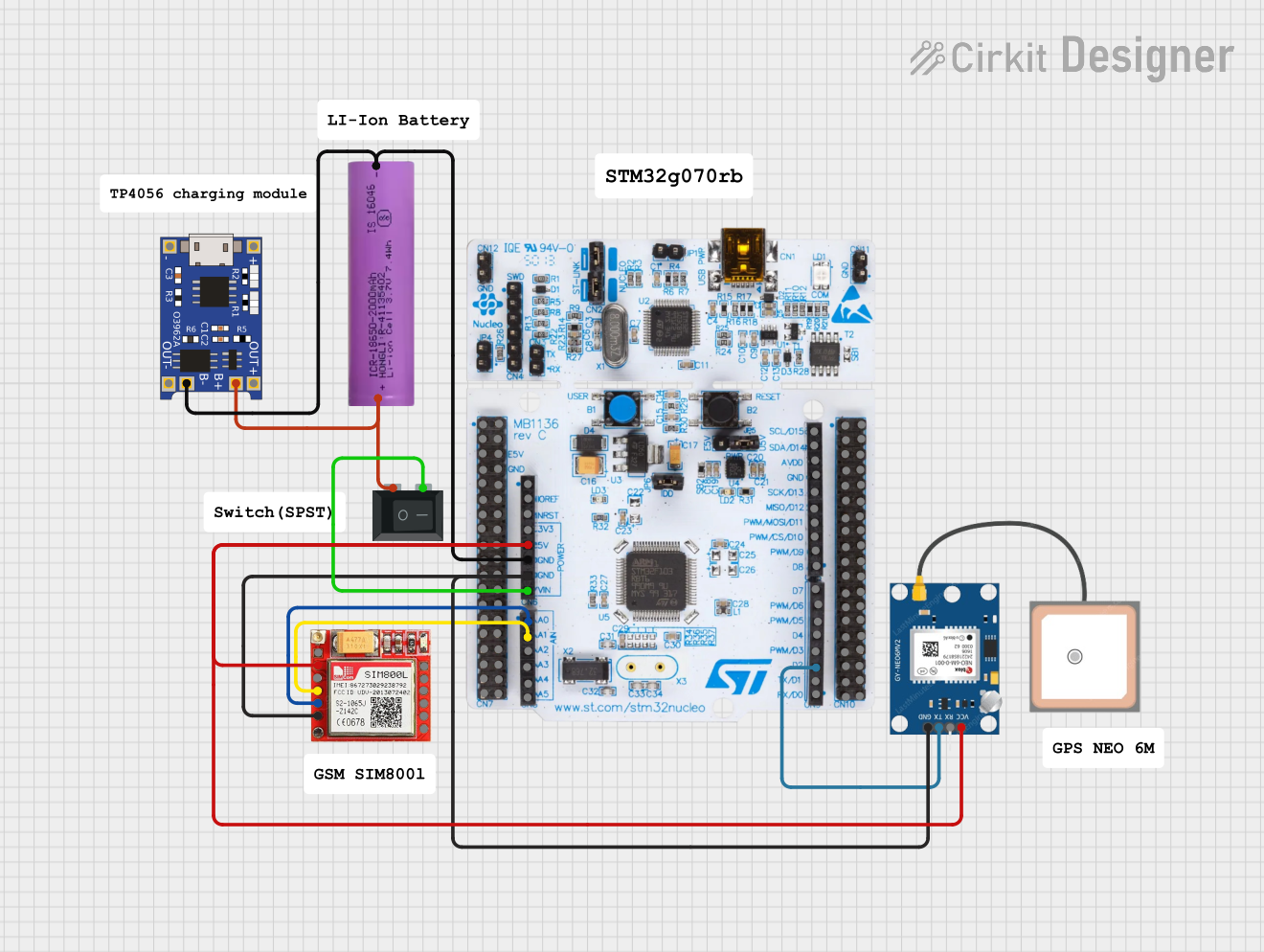 Open Project in Cirkit Designer
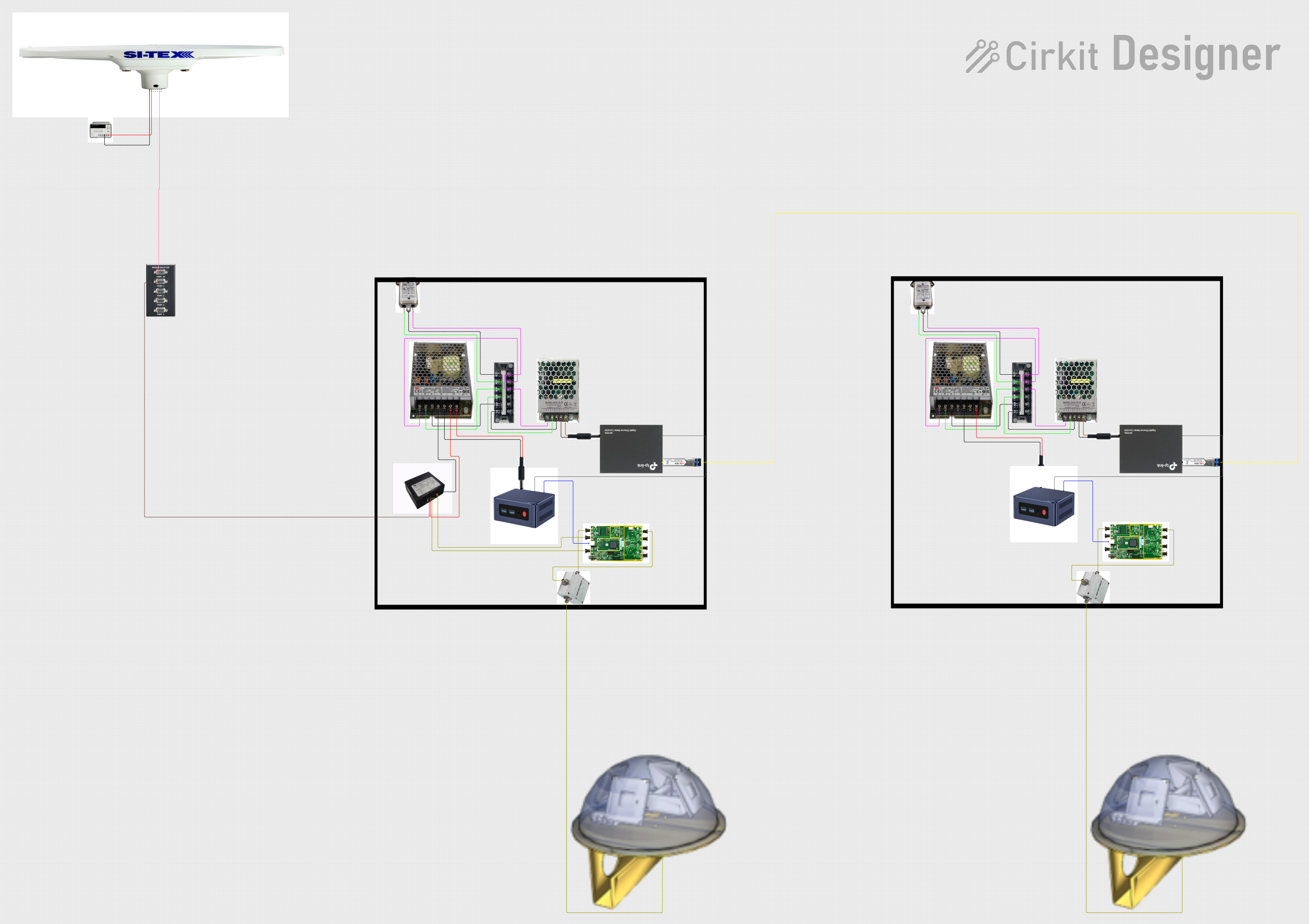 Open Project in Cirkit Designer
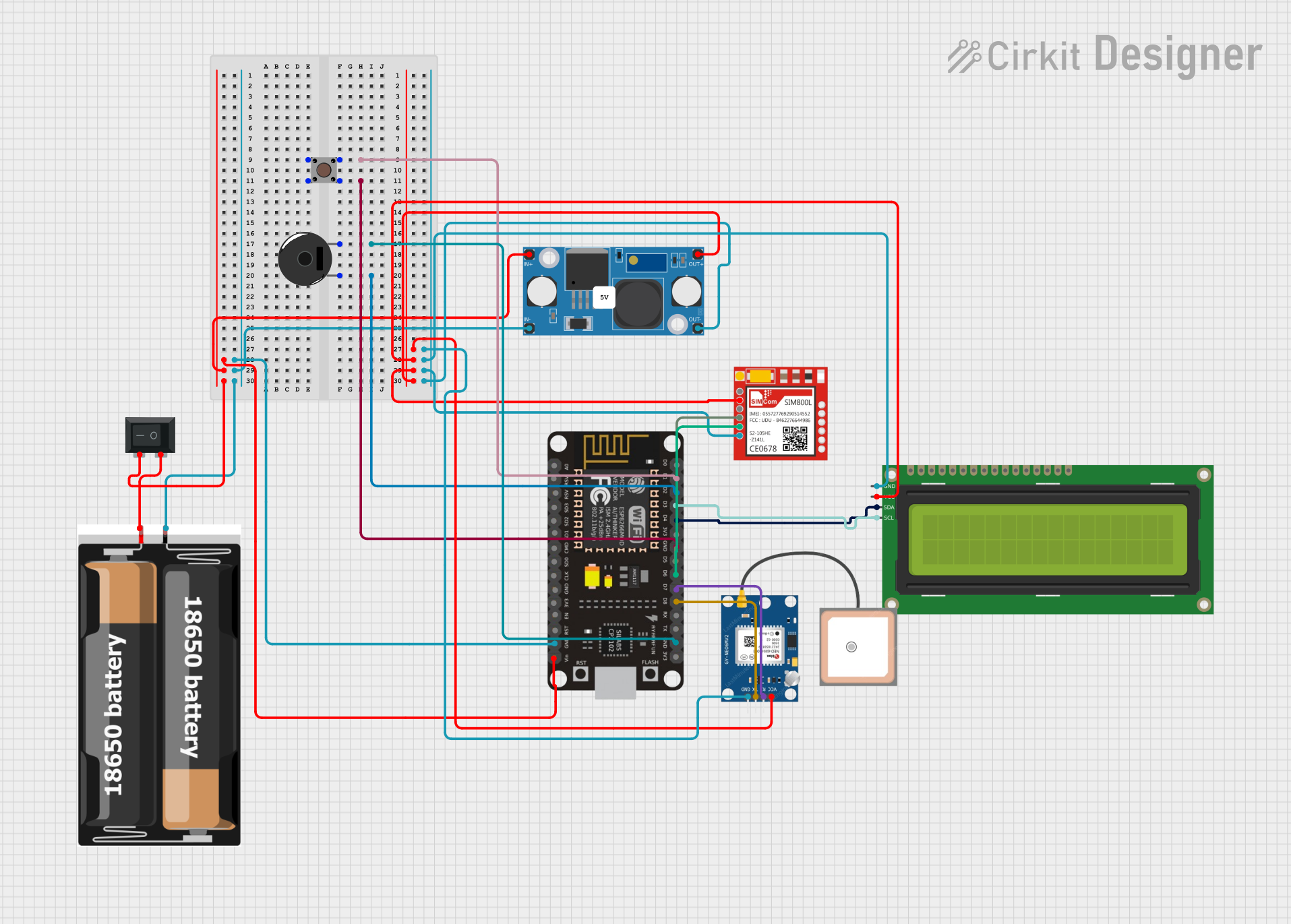 Open Project in Cirkit Designer
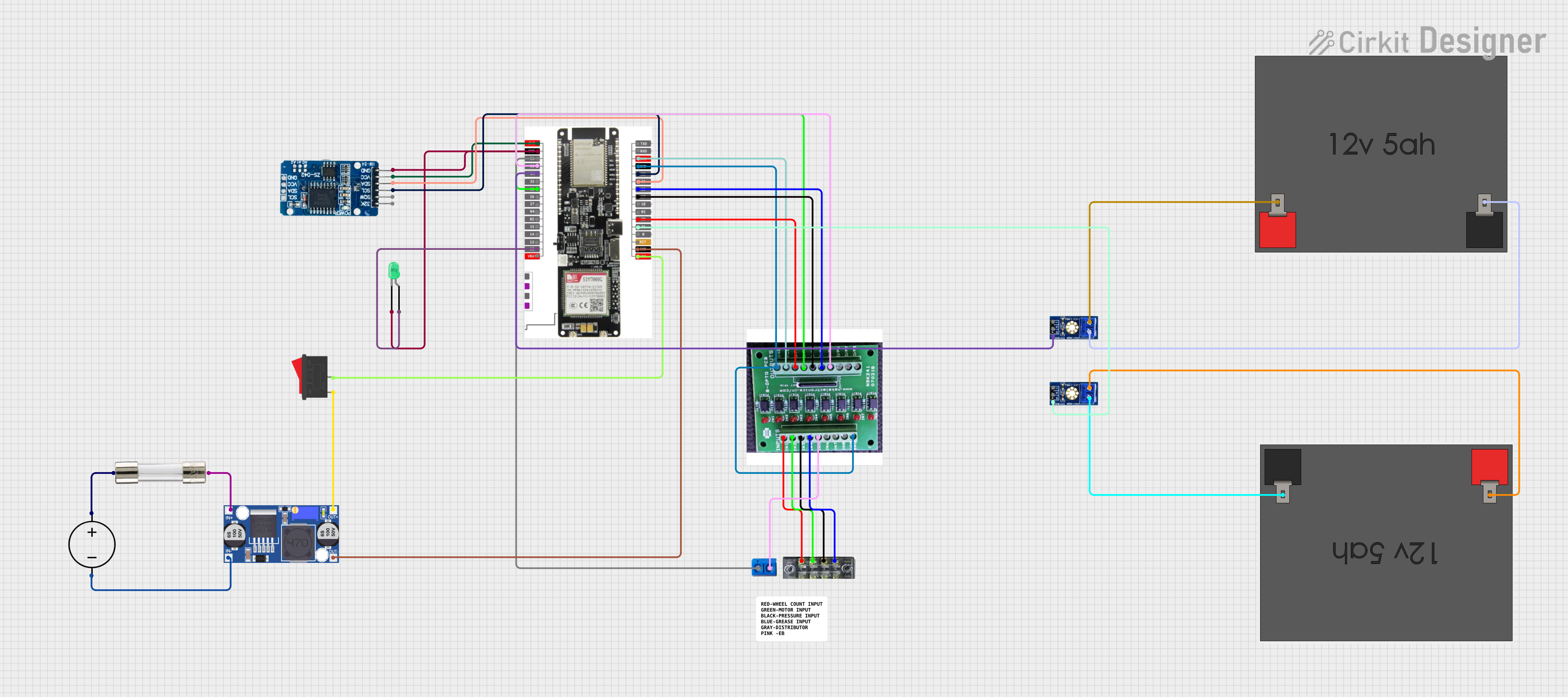 Open Project in Cirkit Designer
Explore Projects Built with ICM-45686
Open Project in Cirkit DesignerOpen Project in Cirkit DesignerOpen Project in Cirkit DesignerOpen Project in Cirkit DesignerCommon Applications
- Sensor interfacing for industrial and consumer electronics
- Motion tracking in robotics and drones
- Environmental monitoring systems
- Wearable devices for health and fitness tracking
- IoT devices requiring precise measurement and control
Technical Specifications
Key Technical Details
| Parameter | Value |
|---|---|
| Manufacturer | TDM InvenSense |
| Part Number | ICM-45686 |
| Operating Voltage Range | 1.8V to 3.6V |
| Power Consumption | Ultra-low power (typical: 0.5 mA) |
| Sensor Interfaces | I2C, SPI |
| Operating Temperature | -40°C to +85°C |
| Package Type | 3x3 mm LGA (Land Grid Array) |
| Features | High accuracy, low noise, integrated FIFO |
Pin Configuration and Descriptions
The ICM-45686 comes in a compact 3x3 mm LGA package with the following pin configuration:
| Pin Number | Pin Name | Description |
|---|---|---|
| 1 | VDD | Power supply input (1.8V to 3.6V) |
| 2 | GND | Ground |
| 3 | SCL | I2C clock input / SPI clock input |
| 4 | SDA/SDI | I2C data input/output / SPI data input |
| 5 | SDO | SPI data output |
| 6 | INT | Interrupt output |
| 7 | FSYNC | Frame synchronization input |
| 8 | RESV | Reserved (leave unconnected) |
Usage Instructions
How to Use the ICM-45686 in a Circuit
- Power Supply: Connect the VDD pin to a regulated power source (1.8V to 3.6V) and the GND pin to the ground.
- Communication Interface: Choose between I2C or SPI for communication:
- For I2C, connect the SCL and SDA pins to the corresponding lines on your microcontroller.
- For SPI, connect SCL (SPI clock), SDA/SDI (SPI data input), and SDO (SPI data output) to the appropriate SPI pins on your microcontroller.
- Interrupts: Use the INT pin to receive interrupt signals for events such as data availability or errors.
- Frame Synchronization: Optionally, use the FSYNC pin for synchronizing data acquisition with an external signal.
- Pull-Up Resistors: For I2C communication, ensure pull-up resistors (typically 4.7 kΩ) are connected to the SCL and SDA lines.
Important Considerations
- Power Supply Decoupling: Place a 0.1 µF ceramic capacitor close to the VDD pin to reduce noise.
- Unused Pins: Leave the RESV pin unconnected.
- Startup Time: Allow sufficient time for the IC to initialize after power-up (refer to the datasheet for exact timing).
- Communication Protocol: Ensure the microcontroller's I2C or SPI settings match the ICM-45686's requirements.
Example Code for Arduino UNO (I2C Communication)
#include <Wire.h> // Include the Wire library for I2C communication

#define ICM45686_ADDR 0x68 // I2C address of the ICM-45686

void setup() {
  Wire.begin(); // Initialize I2C communication
  Serial.begin(9600); // Initialize serial communication for debugging

  // Configure the ICM-45686
  Wire.beginTransmission(ICM45686_ADDR);
  Wire.write(0x6B); // Register address for power management
  Wire.write(0x00); // Set to normal mode
  Wire.endTransmission();

  Serial.println("ICM-45686 initialized.");
}

void loop() {
  // Read data from the ICM-45686
  Wire.beginTransmission(ICM45686_ADDR);
  Wire.write(0x3B); // Register address for sensor data
  Wire.endTransmission(false);
  Wire.requestFrom(ICM45686_ADDR, 6); // Request 6 bytes of data

  if (Wire.available() == 6) {
    int16_t accelX = (Wire.read() << 8) | Wire.read(); // Combine high and low bytes
    int16_t accelY = (Wire.read() << 8) | Wire.read();
    int16_t accelZ = (Wire.read() << 8) | Wire.read();

    Serial.print("Accel X: "); Serial.print(accelX);
    Serial.print(" Y: "); Serial.print(accelY);
    Serial.print(" Z: "); Serial.println(accelZ);
  }

  delay(500); // Wait for 500 ms before the next reading
}
Troubleshooting and FAQs
Common Issues and Solutions
No Communication with the IC
- Cause: Incorrect I2C address or wiring.
- Solution: Verify the I2C address (default: 0x68) and check all connections.
High Noise in Sensor Data
- Cause: Insufficient power supply decoupling or noisy environment.
- Solution: Add a 0.1 µF capacitor near the VDD pin and ensure proper grounding.
Interrupt Pin Not Responding
- Cause: Interrupts not enabled in the IC configuration.
- Solution: Check the configuration registers and enable the required interrupts.
Device Overheating
- Cause: Exceeding the operating voltage range.
- Solution: Ensure the power supply is within the 1.8V to 3.6V range.
FAQs
Q: Can the ICM-45686 operate at 5V?
A: No, the maximum operating voltage is 3.6V. Exceeding this may damage the IC.Q: What is the maximum data rate for I2C communication?
A: The ICM-45686 supports I2C speeds up to 400 kHz (Fast Mode).Q: Is the IC suitable for battery-powered devices?
A: Yes, its ultra-low power consumption makes it ideal for battery-powered applications.Q: Can I use the ICM-45686 with a 3.3V microcontroller?
A: Yes, the IC is compatible with 3.3V logic levels.
This concludes the documentation for the ICM-45686. For further details, refer to the official datasheet provided by TDM InvenSense.