
How to Use F25: Examples, Pinouts, and Specs
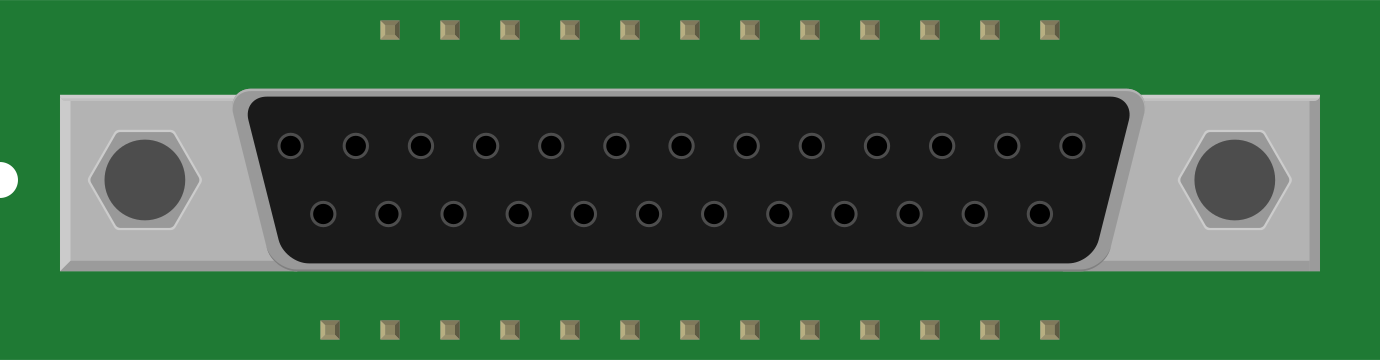
 Design with F25 in Cirkit Designer
Introduction
The F25 is a fuse designed for use in electrical circuits to provide overcurrent protection. It operates by breaking the circuit when the current exceeds a specified limit, thereby preventing damage to components and reducing the risk of fire or other hazards. Fuses like the F25 are essential in ensuring the safety and reliability of electrical systems.
Explore Projects Built with F25
 Open Project in Cirkit Designer
 Open Project in Cirkit Designer
 Open Project in Cirkit Designer
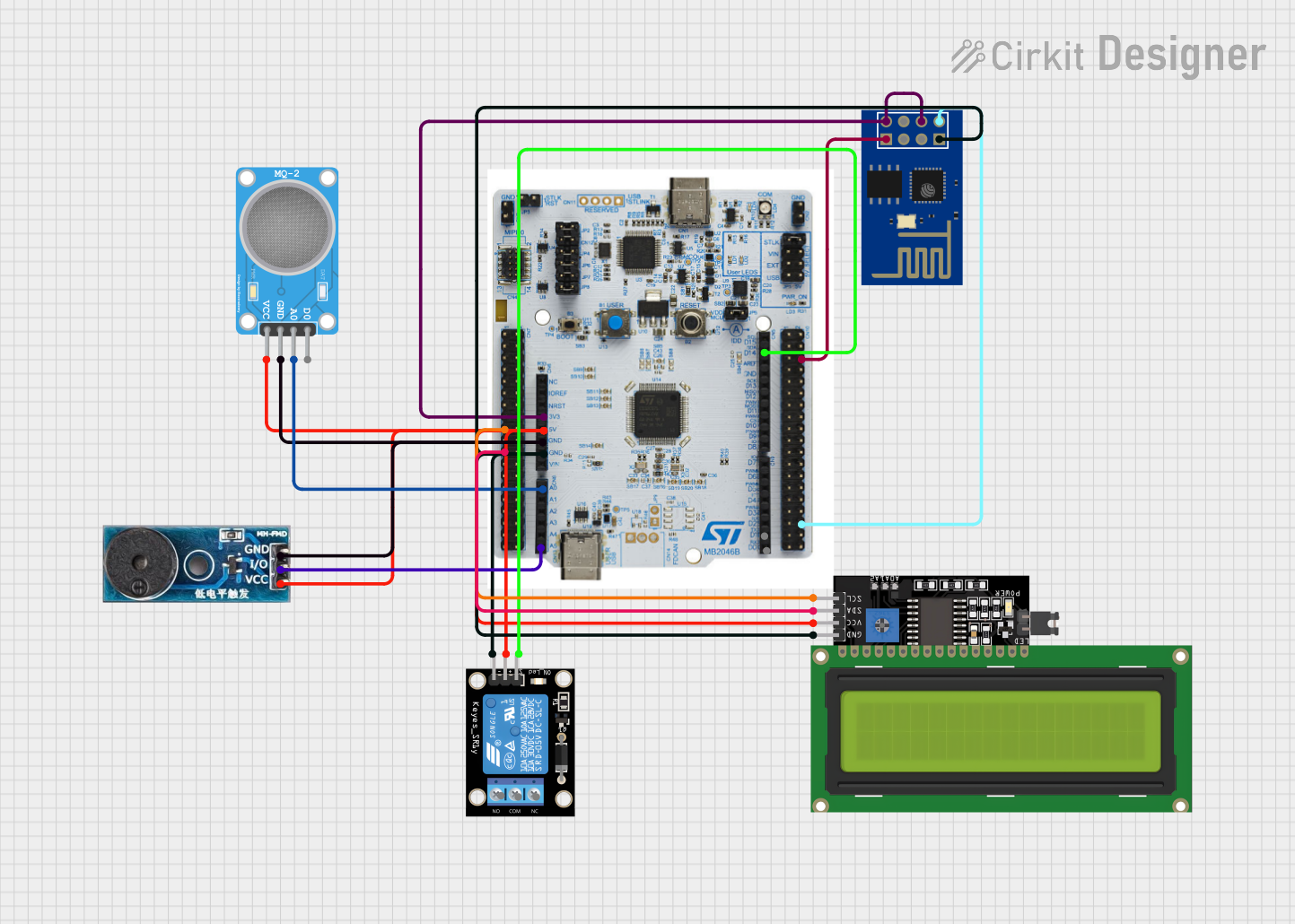 Open Project in Cirkit Designer
Explore Projects Built with F25
Open Project in Cirkit DesignerOpen Project in Cirkit DesignerOpen Project in Cirkit DesignerOpen Project in Cirkit DesignerCommon Applications and Use Cases
- Protection of power supplies in electronic devices
- Safeguarding household appliances such as microwaves and refrigerators
- Automotive electrical systems
- Industrial machinery and equipment
- Circuit protection in renewable energy systems (e.g., solar inverters)
Technical Specifications
The F25 fuse is available in various ratings to suit different applications. Below are the general technical specifications:
| Parameter | Value |
|---|---|
| Rated Current (IR) | 1A, 2A, 5A, 10A, 15A, 20A (varies by model) |
| Rated Voltage (VR) | 250V AC / 125V DC |
| Breaking Capacity | 1000A at rated voltage |
| Fuse Type | Fast-acting (F) |
| Body Material | Ceramic or glass |
| Dimensions | 5mm x 20mm (standard size) |
| Operating Temperature | -55°C to +125°C |
| Compliance Standards | UL, IEC, RoHS |
Pin Configuration and Descriptions
The F25 fuse does not have pins in the traditional sense but instead features two metallic end caps for connection. These end caps are designed to fit into fuse holders or clips.
| Connection Point | Description |
|---|---|
| End Cap 1 | Connects to the input side of the circuit |
| End Cap 2 | Connects to the output side of the circuit |
Usage Instructions
How to Use the F25 Fuse in a Circuit
Determine the Required Fuse Rating:
- Calculate the maximum current the circuit will draw under normal operation.
- Select an F25 fuse with a current rating slightly higher than the normal operating current but lower than the maximum current the circuit can safely handle.
Install the Fuse:
- Place the F25 fuse in a suitable fuse holder or clip.
- Ensure the fuse is securely connected to both the input and output terminals of the circuit.
Test the Circuit:
- Power on the circuit and verify that the fuse operates correctly under normal conditions.
- If the fuse blows immediately, check for short circuits or excessive current draw.
Important Considerations and Best Practices
- Always use a fuse with the correct voltage and current rating for your application.
- Avoid bypassing or replacing the fuse with a higher-rated one, as this can compromise safety.
- Inspect the fuse regularly for signs of wear or damage, such as discoloration or cracks.
- Use a fuse holder that matches the size and type of the F25 fuse for secure and reliable connections.
Example: Using the F25 Fuse with an Arduino UNO
When connecting an Arduino UNO to external components, such as motors or sensors, an F25 fuse can protect the circuit from overcurrent. Below is an example of how to integrate the F25 fuse into a simple Arduino setup:
// Example: Arduino UNO with F25 Fuse for Overcurrent Protection
// This setup uses an F25 fuse to protect an LED circuit connected to pin 13.

const int ledPin = 13; // Pin connected to the LED

void setup() {
  pinMode(ledPin, OUTPUT); // Set pin 13 as an output
}

void loop() {
  digitalWrite(ledPin, HIGH); // Turn the LED on
  delay(1000);               // Wait for 1 second
  digitalWrite(ledPin, LOW);  // Turn the LED off
  delay(1000);               // Wait for 1 second
}

// Note: Place the F25 fuse in series with the power supply to the Arduino UNO.
// This will protect the circuit from overcurrent conditions.
Troubleshooting and FAQs
Common Issues
Fuse Blows Immediately After Installation:
- Cause: Short circuit or excessive current draw in the circuit.
- Solution: Inspect the circuit for faults and ensure the fuse rating matches the application.
Fuse Does Not Blow During Overcurrent:
- Cause: Incorrect fuse rating or faulty fuse.
- Solution: Verify the fuse rating and replace the fuse if necessary.
Frequent Fuse Blowing:
- Cause: Circuit is operating near or above the fuse's rated current.
- Solution: Reassess the circuit's current requirements and consider using a fuse with a slightly higher rating.
FAQs
Q: Can I use an F25 fuse in a DC circuit?
A: Yes, the F25 fuse is rated for both AC and DC applications. Ensure the voltage and current ratings are suitable for your DC circuit.
Q: How do I know if the F25 fuse is blown?
A: A blown fuse typically has a visible break in the filament (for glass fuses) or discoloration. You can also use a multimeter to check for continuity.
Q: Can I replace an F25 fuse with a different type of fuse?
A: It is recommended to replace the F25 fuse with the same type and rating to maintain proper circuit protection. Using a different type may affect performance and safety.
Q: What happens if I use a fuse with a higher current rating?
A: Using a higher-rated fuse can compromise the circuit's protection, as it may not blow during overcurrent conditions, potentially causing damage to components.