
How to Use FUSE: Examples, Pinouts, and Specs
 Design with FUSE in Cirkit Designer
Introduction
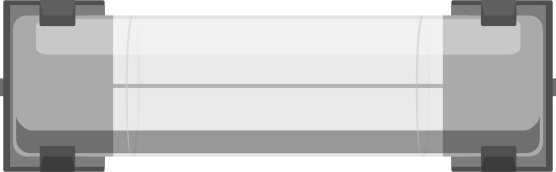
A fuse is a safety device designed to protect electrical circuits from excessive current. It operates by breaking the circuit when the current exceeds a predefined threshold, thereby preventing damage to components and reducing the risk of fire. Fuses are widely used in various applications, including household appliances, automotive systems, industrial equipment, and electronic circuits.
Explore Projects Built with FUSE
 Open Project in Cirkit Designer
 Open Project in Cirkit Designer
 Open Project in Cirkit Designer
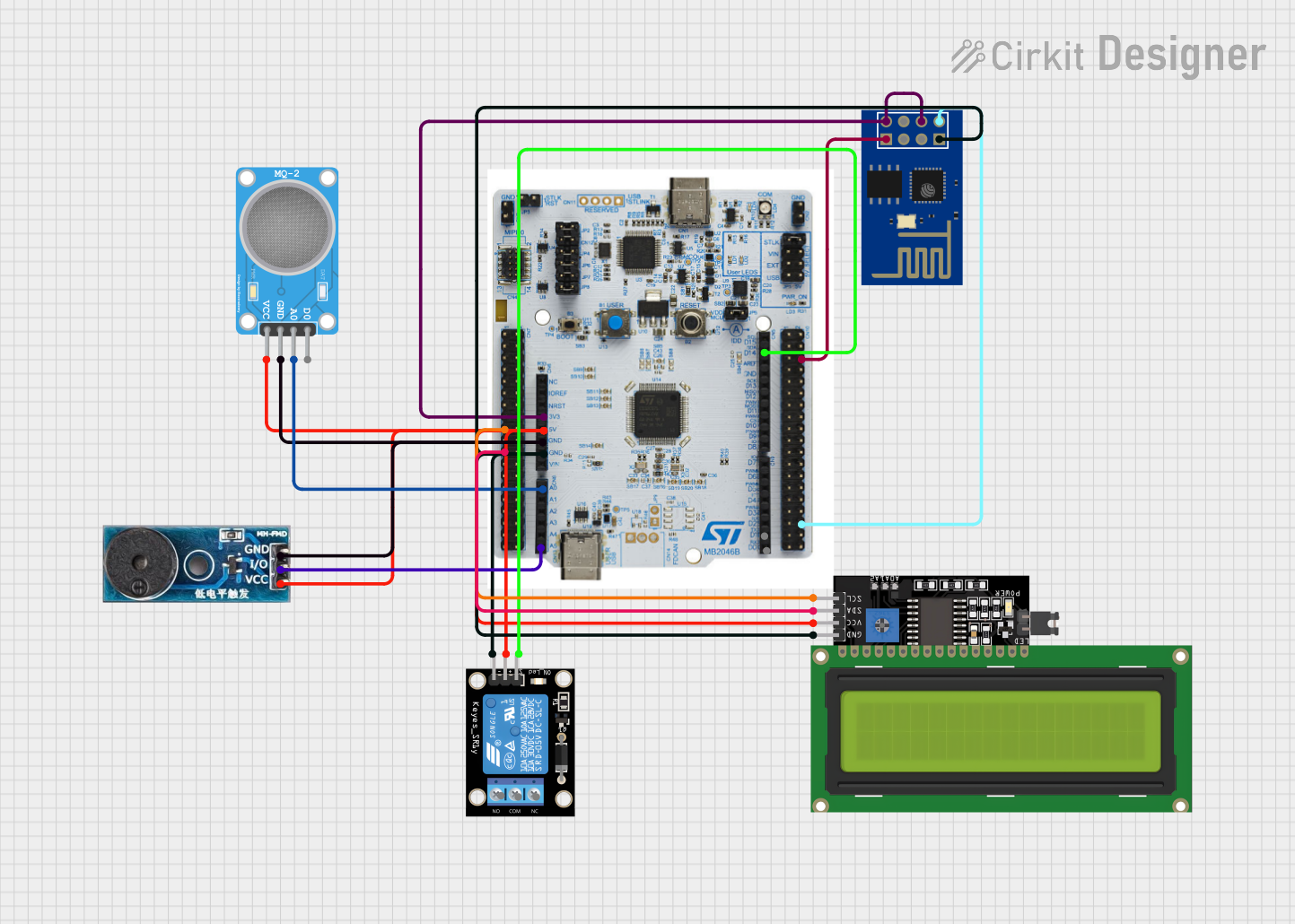 Open Project in Cirkit Designer
Explore Projects Built with FUSE
Open Project in Cirkit DesignerOpen Project in Cirkit DesignerOpen Project in Cirkit DesignerOpen Project in Cirkit DesignerCommon Applications and Use Cases
- Household Appliances: Protecting devices like microwaves, refrigerators, and washing machines.
- Automotive Systems: Safeguarding electrical systems in cars, such as lighting and infotainment systems.
- Industrial Equipment: Ensuring the safety of heavy machinery and control systems.
- Electronic Circuits: Preventing damage to sensitive components in power supplies, amplifiers, and microcontroller-based systems.
Technical Specifications
Fuses come in various types, sizes, and ratings. Below are the key technical details to consider when selecting a fuse:
General Specifications
- Voltage Rating: The maximum voltage the fuse can safely interrupt (e.g., 250V, 32V).
- Current Rating: The maximum current the fuse can carry without blowing (e.g., 1A, 10A).
- Breaking Capacity: The maximum fault current the fuse can safely interrupt.
- Response Time: The time it takes for the fuse to blow under overcurrent conditions (fast-blow or slow-blow).
- Type: Cartridge, blade, glass tube, or surface-mount.
Pin Configuration and Descriptions
Fuses do not have traditional pins like ICs but are typically installed in holders or soldered into circuits. Below is a table describing the key elements of a fuse:
| Element | Description |
|---|---|
| Fuse Body | The main housing that contains the fuse element, often made of glass or ceramic. |
| Fuse Element | The conductive material inside the fuse that melts under excessive current. |
| End Caps/Terminals | Metal caps or leads that connect the fuse to the circuit. |
Usage Instructions
How to Use a Fuse in a Circuit
Determine the Fuse Rating:
- Calculate the normal operating current of your circuit.
- Choose a fuse with a current rating slightly higher than the operating current.
- Ensure the voltage rating of the fuse matches or exceeds the circuit voltage.
Install the Fuse:
- Place the fuse in series with the circuit to ensure it interrupts the current flow when blown.
- Use a fuse holder or solder the fuse directly onto the PCB, depending on the type.
Test the Circuit:
- Power on the circuit and verify normal operation.
- If the fuse blows immediately, check for short circuits or incorrect fuse ratings.
Important Considerations and Best Practices
- Always replace a blown fuse with one of the same type and rating.
- Avoid bypassing a fuse with wire or other conductive materials, as this defeats its safety purpose.
- Use slow-blow fuses for circuits with inrush currents (e.g., motors) and fast-blow fuses for sensitive electronics.
- Ensure proper ventilation around the fuse to prevent overheating.
Example: Using a Fuse with an Arduino UNO
When connecting an Arduino UNO to a power supply, you can add a fuse to protect the board from overcurrent. Below is an example circuit and code:
Circuit Setup
- Connect a 5V power supply to the Arduino UNO through a 1A fast-blow fuse.
- Place the fuse in series with the positive power line.
Arduino Code Example
// Example code for Arduino UNO with a fuse-protected power supply
// This code blinks an LED connected to pin 13

void setup() {
  pinMode(13, OUTPUT); // Set pin 13 as an output for the LED
}

void loop() {
  digitalWrite(13, HIGH); // Turn the LED on
  delay(1000);            // Wait for 1 second
  digitalWrite(13, LOW);  // Turn the LED off
  delay(1000);            // Wait for 1 second
}
Troubleshooting and FAQs
Common Issues
Fuse Blows Immediately:
- Cause: Short circuit or incorrect fuse rating.
- Solution: Check the circuit for shorts and verify the fuse rating.
Fuse Does Not Blow Under Overcurrent:
- Cause: Fuse rating is too high for the circuit.
- Solution: Replace the fuse with one that has a lower current rating.
Fuse Overheats Without Blowing:
- Cause: Poor contact in the fuse holder or incorrect installation.
- Solution: Ensure the fuse is securely installed and the holder is clean.
FAQs
Q: Can I use a higher-rated fuse to prevent frequent blowing?
A: No, using a higher-rated fuse can compromise circuit protection and lead to damage.Q: How do I know if a fuse is blown?
A: Check for visible signs like a broken element or discoloration. Use a multimeter to test continuity.Q: Can I reuse a blown fuse?
A: No, fuses are single-use devices and must be replaced after blowing.
By following this documentation, you can safely and effectively use fuses to protect your electronic circuits.