
How to Use Baterai 48V 40Ah: Examples, Pinouts, and Specs
 Design with Baterai 48V 40Ah in Cirkit Designer
Introduction
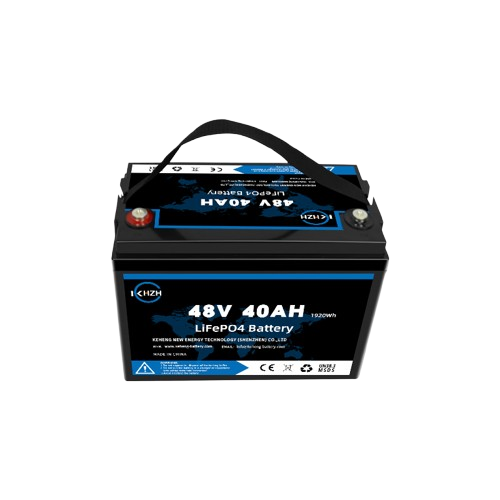
The Baterai 48V 40Ah is a high-capacity rechargeable battery designed to deliver reliable power for demanding applications. With a nominal voltage of 48 volts and a capacity of 40 amp-hours, this battery is ideal for use in electric vehicles, renewable energy systems, uninterruptible power supplies (UPS), and other high-power devices. Its robust design ensures long life cycles and consistent performance, making it a popular choice for both industrial and personal use.
Explore Projects Built with Baterai 48V 40Ah
 Open Project in Cirkit Designer
 Open Project in Cirkit Designer
 Open Project in Cirkit Designer
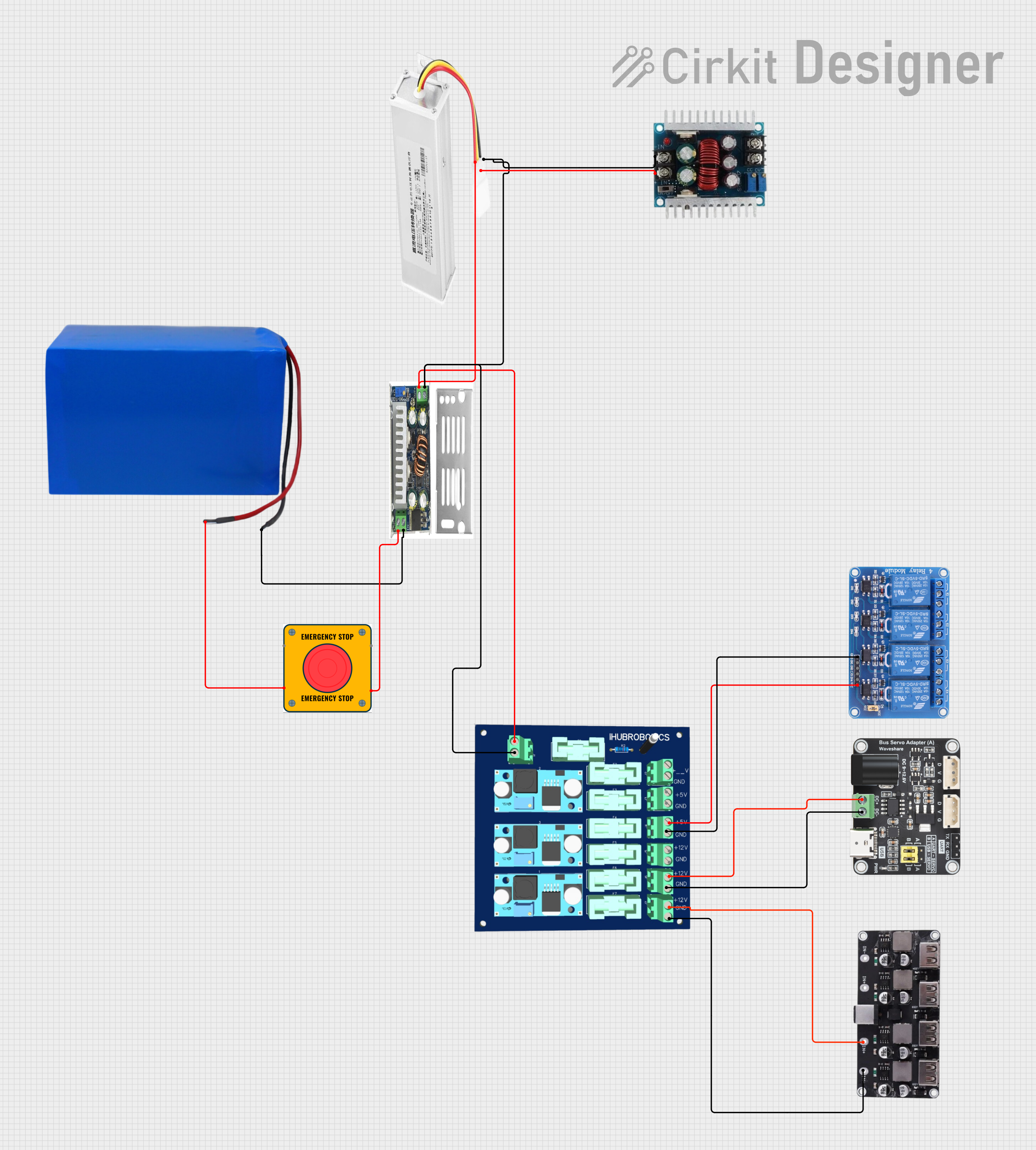 Open Project in Cirkit Designer
Explore Projects Built with Baterai 48V 40Ah
Open Project in Cirkit DesignerOpen Project in Cirkit DesignerOpen Project in Cirkit DesignerOpen Project in Cirkit DesignerCommon Applications
- Electric vehicles (e-bikes, scooters, and small electric cars)
- Solar energy storage systems
- Backup power for homes and businesses
- Portable power stations
- Industrial equipment requiring high-capacity energy storage
Technical Specifications
Below are the key technical details of the Baterai 48V 40Ah:
| Parameter | Specification |
|---|---|
| Nominal Voltage | 48V |
| Capacity | 40Ah |
| Energy | 1920Wh (48V × 40Ah) |
| Chemistry | Lithium-ion (Li-ion) or LiFePO4* |
| Maximum Continuous Current | 50A |
| Peak Discharge Current | 100A (for 10 seconds) |
| Charging Voltage | 54.6V (for Li-ion) / 58.4V (LiFePO4) |
| Charging Current | Recommended: 10A, Max: 20A |
| Operating Temperature | Charge: 0°C to 45°C, Discharge: -20°C to 60°C |
| Cycle Life | 2000+ cycles (at 80% depth of discharge) |
| Dimensions | Varies by manufacturer (e.g., 300mm x 200mm x 150mm) |
| Weight | ~12-15kg (varies by model) |
* Note: The exact chemistry (Li-ion or LiFePO4) depends on the specific model. LiFePO4 offers better safety and longer cycle life.
Pin Configuration and Descriptions
The Baterai 48V 40Ah typically has the following terminals:
| Terminal | Description |
|---|---|
| Positive (+) | Connects to the positive terminal of the load or charger. |
| Negative (-) | Connects to the negative terminal of the load or charger. |
| BMS Port | Optional: For communication with the Battery Management System (BMS). |
Usage Instructions
How to Use the Baterai 48V 40Ah in a Circuit
Connecting the Battery:
- Identify the positive (+) and negative (-) terminals of the battery.
- Use appropriately rated wires to connect the battery to your load or power system.
- Ensure the connections are secure to prevent sparking or loose contacts.
Charging the Battery:
- Use a compatible charger with the correct charging voltage (54.6V for Li-ion or 58.4V for LiFePO4).
- Set the charging current to the recommended value (10A) to prolong battery life.
- Avoid overcharging by using a charger with built-in overcharge protection.
Discharging the Battery:
- Ensure the load does not exceed the maximum continuous current rating (50A).
- For high-power applications, ensure proper cooling to prevent overheating.
Battery Management System (BMS):
- Most 48V 40Ah batteries come with an integrated BMS to protect against overcharging, over-discharging, and short circuits.
- If your battery has a BMS communication port, connect it to a compatible monitoring system for real-time data.
Important Considerations and Best Practices
- Safety First: Always handle the battery with care. Avoid shorting the terminals or exposing the battery to water.
- Storage: Store the battery in a cool, dry place. For long-term storage, charge the battery to 50-60% capacity.
- Temperature: Avoid charging or discharging the battery outside the recommended temperature range.
- Wiring: Use wires and connectors rated for the battery's voltage and current to prevent overheating or damage.
- Parallel/Series Connections: If connecting multiple batteries, ensure they are of the same type, capacity, and charge level.
Example: Connecting to an Arduino UNO
While the Baterai 48V 40Ah is not directly compatible with an Arduino UNO due to its high voltage, you can use a DC-DC converter to step down the voltage to 5V for powering the Arduino. Below is an example:
// Example: Powering an Arduino UNO with a 48V battery using a DC-DC converter

// Connect the battery's positive (+) and negative (-) terminals to the input
// of the DC-DC converter. Set the converter's output to 5V.
// Connect the 5V output to the Arduino's 5V pin and GND to GND.

void setup() {
  // Initialize serial communication for debugging
  Serial.begin(9600);
  Serial.println("Arduino powered by 48V battery via DC-DC converter.");
}

void loop() {
  // Example: Blink an LED connected to pin 13
  digitalWrite(13, HIGH); // Turn the LED on
  delay(1000);            // Wait for 1 second
  digitalWrite(13, LOW);  // Turn the LED off
  delay(1000);            // Wait for 1 second
}
Troubleshooting and FAQs
Common Issues and Solutions
Battery Not Charging:
- Cause: Incorrect charger or damaged charging port.
- Solution: Verify the charger specifications and inspect the charging port for damage.
Battery Drains Quickly:
- Cause: High load or aging battery.
- Solution: Reduce the load or check the battery's cycle life. Replace if necessary.
Overheating:
- Cause: Excessive current draw or poor ventilation.
- Solution: Ensure the load is within the battery's current rating and improve ventilation.
No Output Voltage:
- Cause: BMS protection triggered (e.g., over-discharge).
- Solution: Recharge the battery to reset the BMS.
FAQs
Q: Can I connect this battery in series or parallel?
- A: Yes, but ensure all batteries are of the same type, capacity, and charge level. Use a BMS designed for series or parallel configurations.
Q: How long will the battery last on a full charge?
- A: The runtime depends on the load. For example, a 1kW load will last approximately 1.92 hours (1920Wh ÷ 1000W).
Q: Is the battery waterproof?
- A: Most models are not waterproof. Avoid exposing the battery to water or moisture.
Q: Can I use a solar panel to charge this battery?
- A: Yes, but you will need a solar charge controller compatible with the battery's voltage and chemistry.
By following this documentation, you can safely and effectively use the Baterai 48V 40Ah in your projects.