
How to Use DSE7320: Examples, Pinouts, and Specs
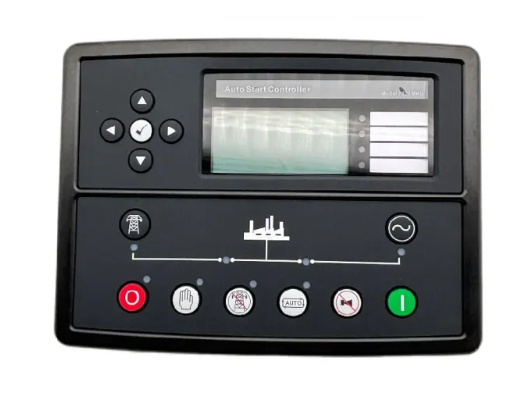
 Design with DSE7320 in Cirkit Designer
Introduction
The DSE7320 is a dual N-channel MOSFET manufactured by Deep Sea Electronics (Part ID: Mark II). It is designed for high-speed switching applications, offering low on-resistance and fast switching capabilities. These features make the DSE7320 ideal for use in power management, DC-DC converters, motor control, and other high-efficiency power circuits.
Explore Projects Built with DSE7320
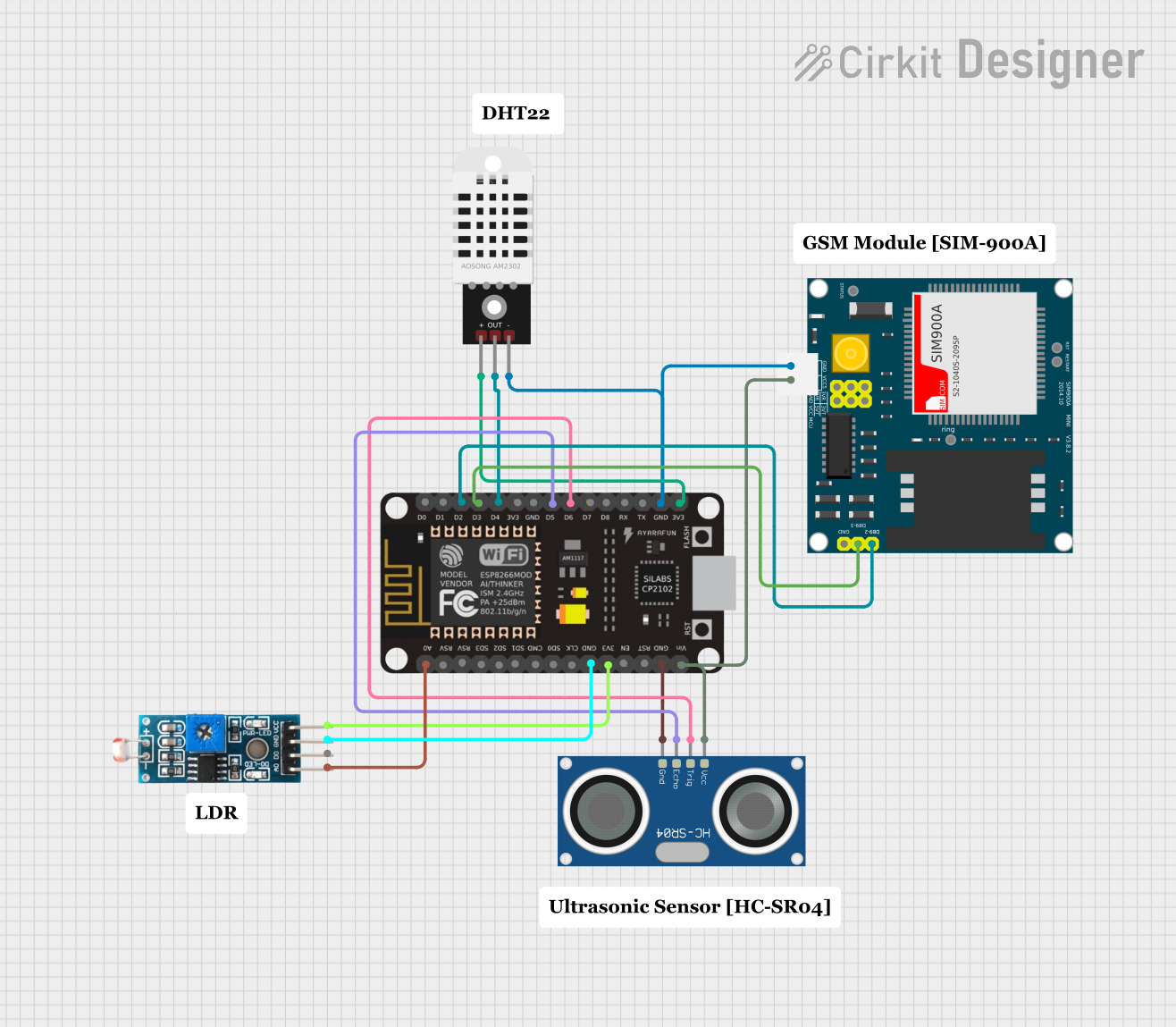 Open Project in Cirkit Designer
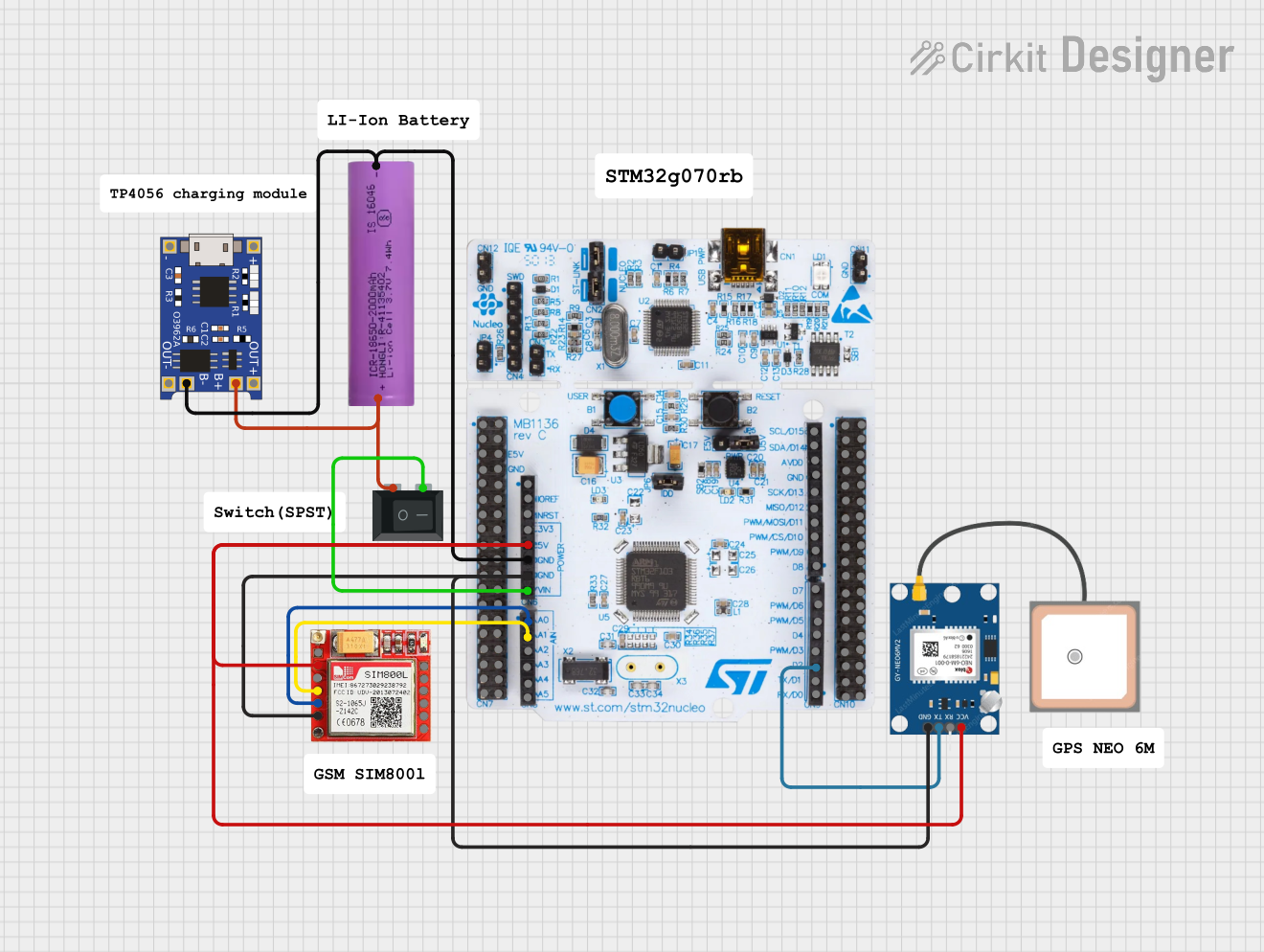 Open Project in Cirkit Designer
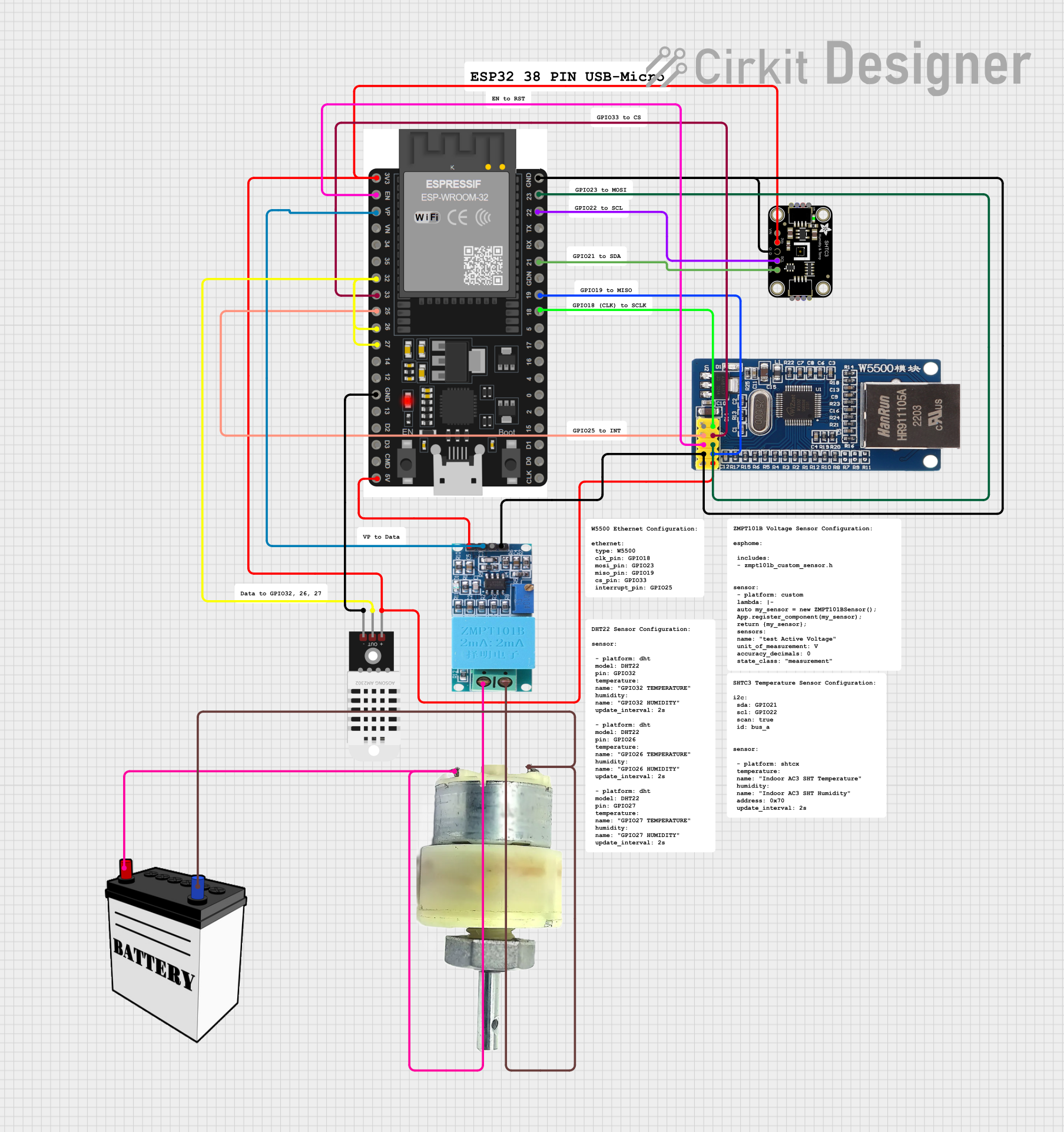 Open Project in Cirkit Designer
 Open Project in Cirkit Designer
Explore Projects Built with DSE7320
Open Project in Cirkit DesignerOpen Project in Cirkit DesignerOpen Project in Cirkit DesignerOpen Project in Cirkit DesignerCommon Applications
- DC-DC converters
- Motor drivers
- Power management systems
- High-speed switching circuits
- Load switching in battery-powered devices
Technical Specifications
Key Technical Details
| Parameter | Value |
|---|---|
| Manufacturer | Deep Sea Electronics |
| Part ID | Mark II |
| Type | Dual N-channel MOSFET |
| Maximum Drain-Source Voltage (VDS) | 60V |
| Maximum Gate-Source Voltage (VGS) | ±20V |
| Continuous Drain Current (ID) | 30A (at 25°C) |
| Pulsed Drain Current (IDM) | 120A |
| On-Resistance (RDS(on)) | 0.012Ω (at VGS = 10V) |
| Gate Charge (Qg) | 25nC |
| Switching Speed | Fast |
| Operating Temperature Range | -55°C to +175°C |
| Package Type | TO-220 |
Pin Configuration and Descriptions
The DSE7320 is housed in a TO-220 package with the following pin configuration:
| Pin Number | Pin Name | Description |
|---|---|---|
| 1 | Gate 1 | Gate terminal for MOSFET 1 |
| 2 | Drain 1 | Drain terminal for MOSFET 1 |
| 3 | Source 1 | Source terminal for MOSFET 1 |
| 4 | Gate 2 | Gate terminal for MOSFET 2 |
| 5 | Drain 2 | Drain terminal for MOSFET 2 |
| 6 | Source 2 | Source terminal for MOSFET 2 |
| Tab | Drain | Common drain connection for both MOSFETs |
Usage Instructions
How to Use the DSE7320 in a Circuit
- Gate Drive Voltage: Ensure the gate voltage (VGS) is within the specified range (±20V). For optimal performance, use a gate drive voltage of 10V.
- Load Connection: Connect the load between the drain and the power supply. Ensure the load current does not exceed the maximum continuous drain current (30A).
- Gate Resistor: Use a gate resistor (typically 10Ω to 100Ω) to limit inrush current and prevent oscillations during switching.
- Heat Dissipation: Attach a heatsink to the TO-220 package to manage heat dissipation, especially in high-current applications.
- Parasitic Inductance: Minimize parasitic inductance by keeping PCB traces short and using proper decoupling capacitors near the MOSFET.
Example Circuit with Arduino UNO
The DSE7320 can be used to control a DC motor with an Arduino UNO. Below is an example circuit and code:
Circuit Description
- Connect the Gate 1 of the DSE7320 to a PWM pin on the Arduino (e.g., Pin 9).
- Connect the Source 1 to ground.
- Connect the Drain 1 to one terminal of the motor, and the other terminal of the motor to the power supply.
Arduino Code
// Example code to control a DC motor using the DSE7320 MOSFET
// Connect the Gate of the MOSFET to Pin 9 of the Arduino

const int motorPin = 9; // PWM pin connected to the MOSFET Gate

void setup() {
  pinMode(motorPin, OUTPUT); // Set the motor pin as an output
}

void loop() {
  analogWrite(motorPin, 128); // Set motor speed to 50% duty cycle
  delay(5000);               // Run motor for 5 seconds

  analogWrite(motorPin, 0);  // Turn off the motor
  delay(5000);               // Wait for 5 seconds
}
Important Considerations
- Voltage Spikes: Use a flyback diode across the motor terminals to protect the MOSFET from voltage spikes caused by inductive loads.
- Thermal Management: Monitor the MOSFET's temperature during operation. Use a heatsink or active cooling if necessary.
- Gate Drive Circuit: For high-speed switching, use a dedicated gate driver IC to ensure fast and efficient switching.
Troubleshooting and FAQs
Common Issues and Solutions
| Issue | Possible Cause | Solution |
|---|---|---|
| MOSFET overheating | Insufficient heatsink or excessive load | Use a larger heatsink or reduce load |
| Motor not running | Incorrect gate voltage or wiring issue | Check gate voltage and connections |
| Slow switching performance | Gate resistor too large | Reduce gate resistor value |
| MOSFET not turning on/off fully | Gate voltage too low | Ensure VGS is at least 10V |
FAQs
Can I use the DSE7320 for AC loads?
No, the DSE7320 is designed for DC applications only.What is the maximum switching frequency?
The DSE7320 can operate at frequencies up to 100kHz, depending on the gate drive circuit and load.Do I need a gate driver IC?
While not mandatory, a gate driver IC is recommended for high-speed switching or when driving the MOSFET directly from a microcontroller.How do I calculate power dissipation?
Power dissipation can be calculated as:
P = ID² × RDS(on) + (Switching Losses).
Ensure the total power dissipation does not exceed the MOSFET's thermal limits.
By following this documentation, users can effectively integrate the DSE7320 into their electronic designs for high-speed and efficient switching applications.