
How to Use ME6211: Examples, Pinouts, and Specs
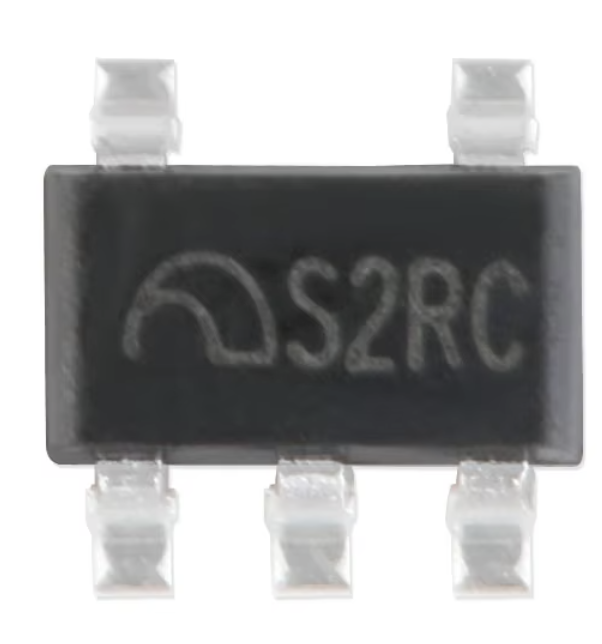
 Design with ME6211 in Cirkit Designer
Introduction
The ME6211 is a low-dropout (LDO) voltage regulator designed to provide a stable and precise output voltage with low noise and high power supply rejection. Its compact size and high efficiency make it ideal for battery-powered devices and other applications requiring reliable voltage regulation. The ME6211 is commonly used in smartphones, wearable devices, IoT modules, and other low-power electronic systems.
Explore Projects Built with ME6211
 Open Project in Cirkit Designer
 Open Project in Cirkit Designer
 Open Project in Cirkit Designer
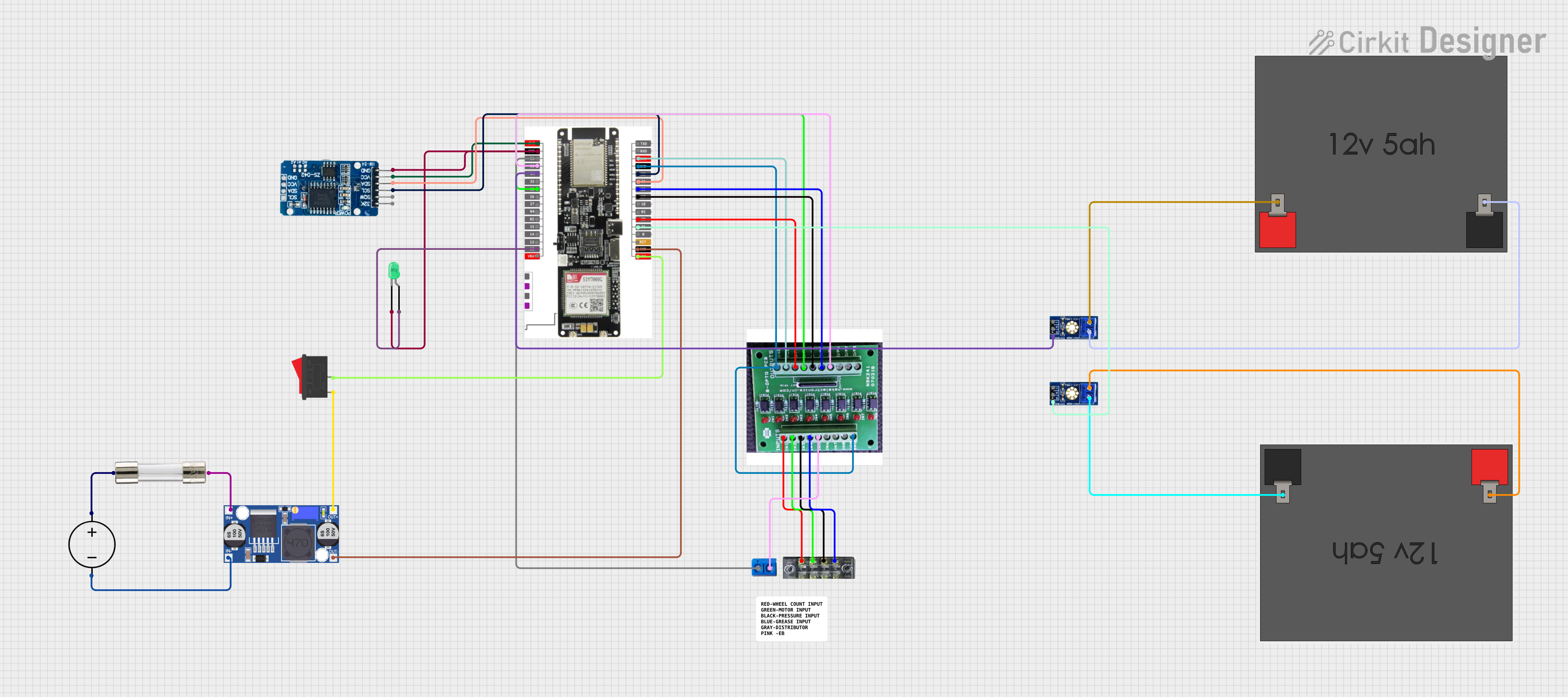 Open Project in Cirkit Designer
Explore Projects Built with ME6211
Open Project in Cirkit DesignerOpen Project in Cirkit DesignerOpen Project in Cirkit DesignerOpen Project in Cirkit DesignerCommon Applications:
- Battery-powered devices (e.g., smartphones, tablets, wearables)
- IoT modules and sensors
- Portable medical devices
- Low-noise analog circuits
- Microcontroller-based systems
Technical Specifications
Key Technical Details:
- Input Voltage Range: 2.0V to 6.0V
- Output Voltage Range: 1.2V to 5.0V (fixed, depending on the variant)
- Output Current: Up to 500mA
- Dropout Voltage: Typically 200mV at 300mA load
- Quiescent Current: Typically 45µA
- Output Voltage Accuracy: ±2%
- Power Supply Rejection Ratio (PSRR): 70dB at 1kHz
- Operating Temperature Range: -40°C to +85°C
- Package Options: SOT-23-5, SOT-89-3, DFN, etc.
Pin Configuration and Descriptions:
SOT-23-5 Package:
| Pin Number | Pin Name | Description |
|---|---|---|
| 1 | VIN | Input voltage (2.0V to 6.0V) |
| 2 | GND | Ground |
| 3 | EN | Enable pin (active high) |
| 4 | NC | No connection (leave unconnected) |
| 5 | VOUT | Regulated output voltage |
SOT-89-3 Package:
| Pin Number | Pin Name | Description |
|---|---|---|
| 1 | VIN | Input voltage (2.0V to 6.0V) |
| 2 | GND | Ground |
| 3 | VOUT | Regulated output voltage |
Usage Instructions
How to Use the ME6211 in a Circuit:
- Input Capacitor: Connect a ceramic capacitor (typically 1µF) close to the VIN pin to stabilize the input voltage and reduce noise.
- Output Capacitor: Connect a ceramic capacitor (typically 1µF to 10µF) close to the VOUT pin to ensure stable operation and minimize output voltage ripple.
- Enable Pin (EN): If the EN pin is available, connect it to a high logic level (e.g., VIN) to enable the regulator. Pull it low to disable the output.
- Load Current: Ensure the load current does not exceed the maximum rated output current (500mA).
- Thermal Considerations: Place the ME6211 in a well-ventilated area or use a heat sink if operating near the maximum load current for extended periods.
Example Circuit:
   +5V Input
      │
      │
     [C1] 1µF
      │
      │
     VIN
      │
   +---+---+
   |       | ME6211
   |       |
   +---+---+
      │
     VOUT
      │
     [C2] 4.7µF
      │
      │
   Regulated Output (e.g., 3.3V)
Using ME6211 with Arduino UNO:
The ME6211 can be used to power an Arduino UNO or provide a stable voltage to sensors and modules connected to the Arduino. Below is an example of using the ME6211 to power a 3.3V sensor:
Example Code:
// Example: Reading data from a 3.3V sensor powered by ME6211

const int sensorPin = A0; // Analog pin connected to the sensor output

void setup() {
  Serial.begin(9600); // Initialize serial communication
  pinMode(sensorPin, INPUT); // Set sensor pin as input
}

void loop() {
  int sensorValue = analogRead(sensorPin); // Read sensor value
  float voltage = sensorValue * (3.3 / 1023.0); // Convert to voltage
  Serial.print("Sensor Voltage: ");
  Serial.print(voltage);
  Serial.println(" V");
  delay(1000); // Wait for 1 second
}
Important Considerations:
- Always use low-ESR ceramic capacitors for input and output to ensure stability.
- Avoid exceeding the maximum input voltage (6.0V) to prevent damage.
- If using the EN pin, ensure it is not left floating; connect it to VIN or GND as needed.
- For high-current applications, ensure proper thermal management to avoid overheating.
Troubleshooting and FAQs
Common Issues and Solutions:
No Output Voltage:
- Ensure the EN pin is connected to a high logic level (if applicable).
- Verify the input voltage is within the specified range (2.0V to 6.0V).
- Check for proper connections and soldering of the component.
Output Voltage Instability:
- Verify that the input and output capacitors meet the recommended values (1µF or higher).
- Use low-ESR ceramic capacitors close to the VIN and VOUT pins.
- Check for excessive noise or ripple on the input voltage.
Overheating:
- Ensure the load current does not exceed 500mA.
- Improve ventilation or use a heat sink if necessary.
Incorrect Output Voltage:
- Confirm that the ME6211 variant matches the desired output voltage (e.g., 3.3V, 5.0V).
- Measure the input voltage to ensure it is sufficient for the desired output.
FAQs:
Q1: Can the ME6211 be used with a 9V battery?
A1: No, the maximum input voltage for the ME6211 is 6.0V. Using a 9V battery would damage the component. Use a step-down converter to reduce the voltage to within the acceptable range.
Q2: What happens if I don't connect the EN pin?
A2: If the EN pin is left floating, the regulator may not function correctly. Connect it to VIN to enable the regulator or GND to disable it.
Q3: Can I use electrolytic capacitors instead of ceramic capacitors?
A3: While electrolytic capacitors can be used, they typically have higher ESR, which may affect stability. Low-ESR ceramic capacitors are recommended for optimal performance.
Q4: Is the ME6211 suitable for powering RF modules?
A4: Yes, the ME6211's low noise and high PSRR make it suitable for powering RF modules and other sensitive circuits.