
How to Use skirng: Examples, Pinouts, and Specs
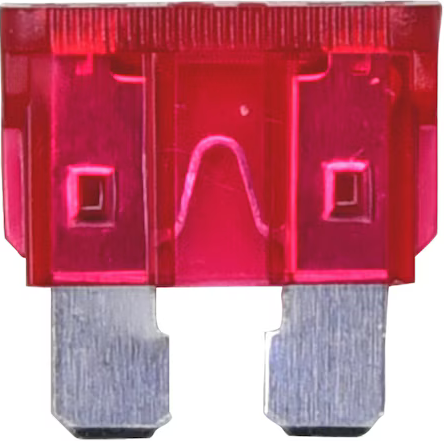
 Design with skirng in Cirkit Designer
Introduction
A skirng is a specialized electrical component designed to provide insulation and protection for circuit connections. It is commonly used in electronic devices to ensure safety, reliability, and durability by preventing short circuits, electrical leakage, and physical damage to sensitive components. Skirngs are often employed in conjunction with connectors, terminals, or other components in a wide range of applications.
Explore Projects Built with skirng
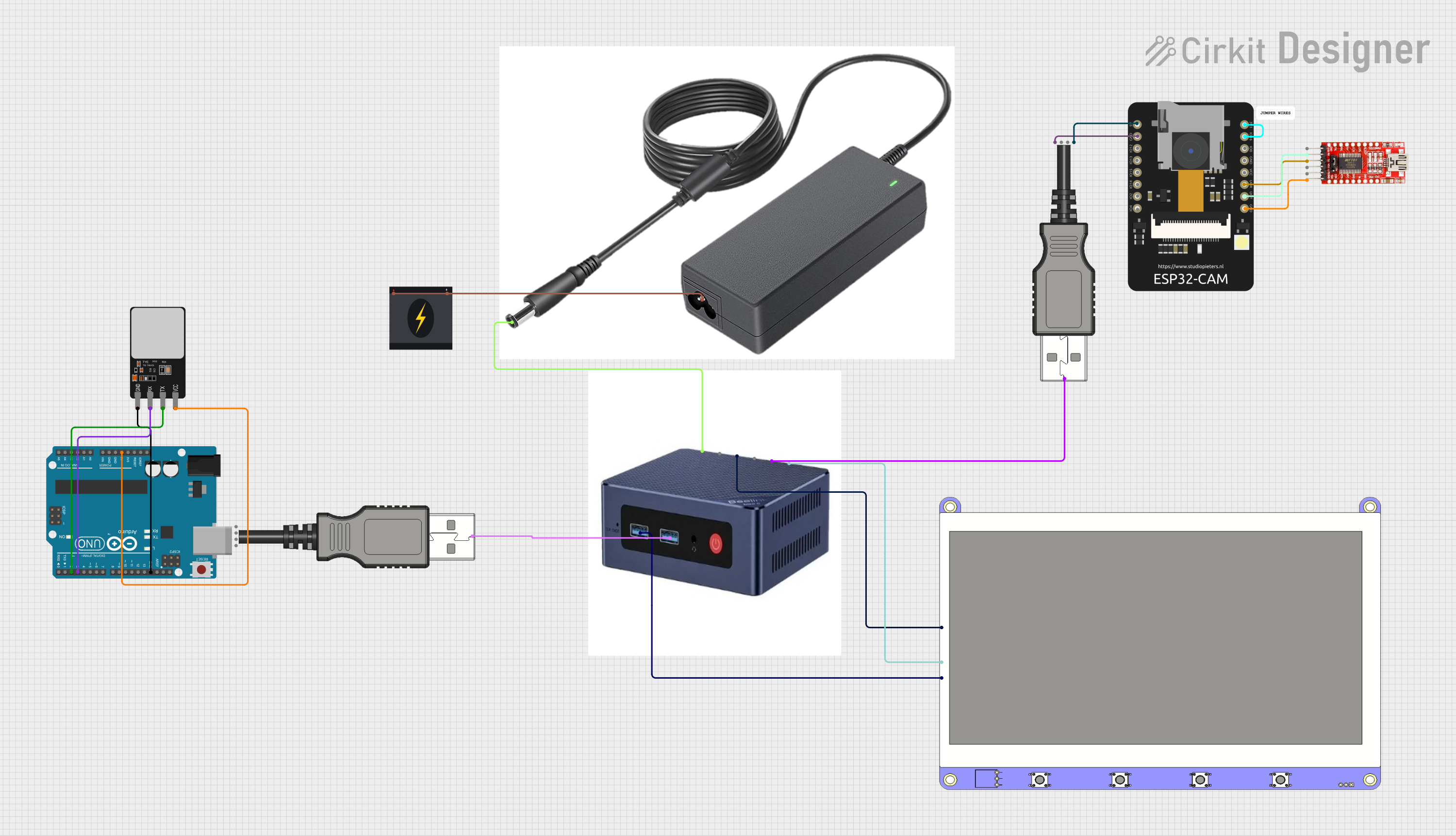 Open Project in Cirkit Designer
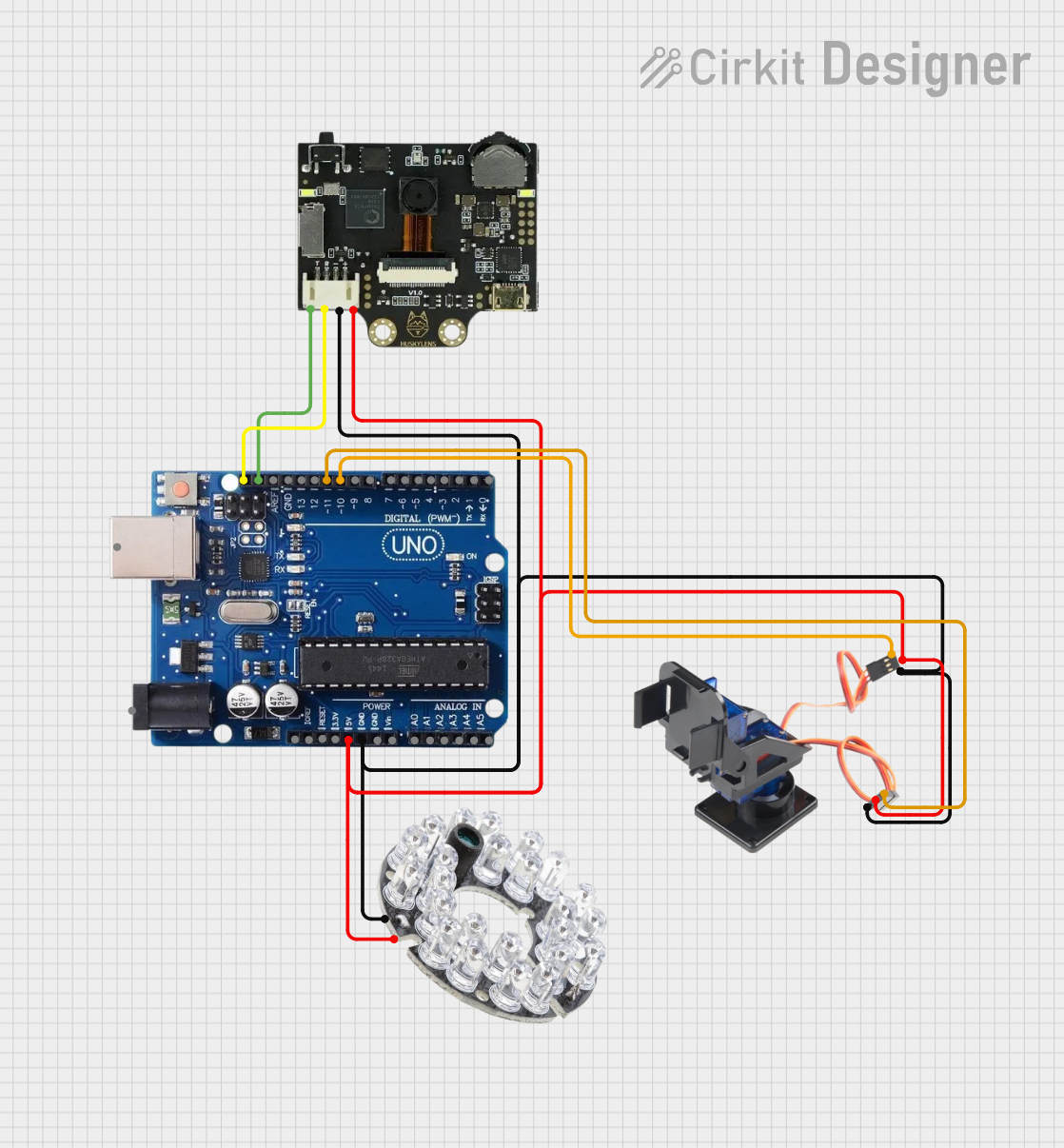 Open Project in Cirkit Designer
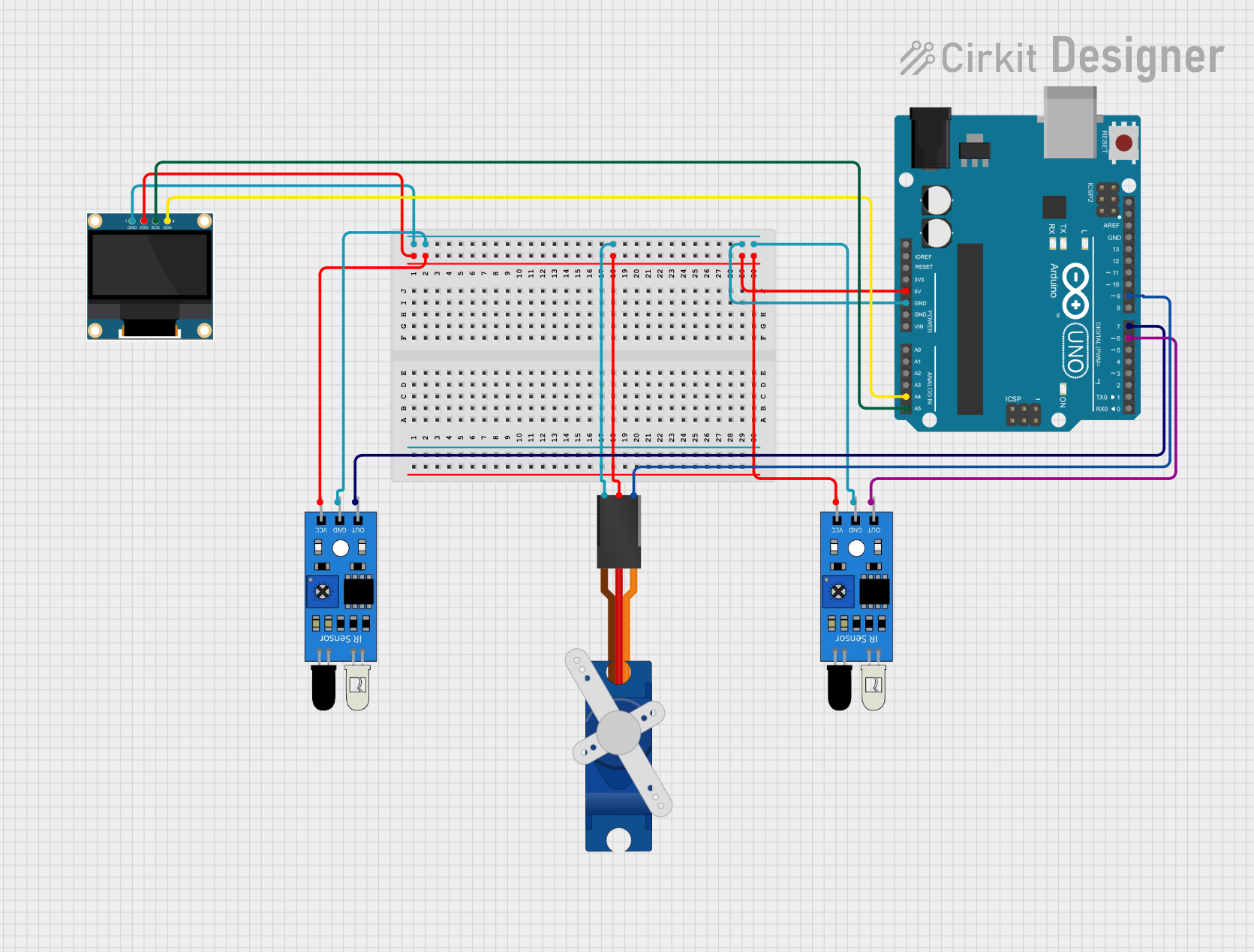 Open Project in Cirkit Designer
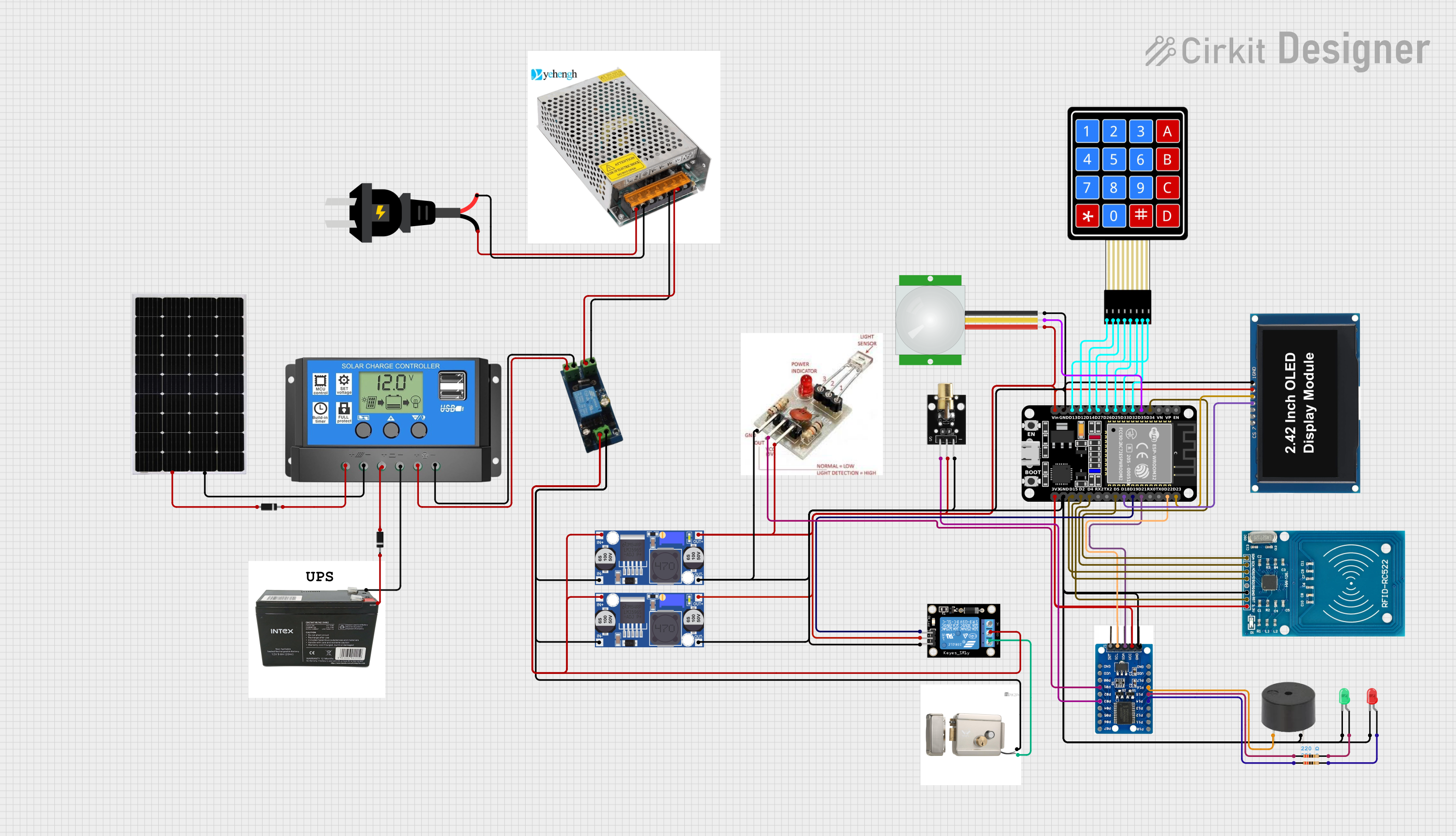 Open Project in Cirkit Designer
Explore Projects Built with skirng
Open Project in Cirkit DesignerOpen Project in Cirkit DesignerOpen Project in Cirkit DesignerOpen Project in Cirkit DesignerCommon Applications and Use Cases
- Insulating exposed electrical connections in circuits
- Protecting sensitive components from environmental factors such as moisture or dust
- Enhancing the durability and safety of electronic devices
- Used in automotive, industrial, and consumer electronics for robust circuit protection
Technical Specifications
Below are the key technical details for the Skirng manufactured by H with part ID 7:
General Specifications
| Parameter | Value |
|---|---|
| Manufacturer | H |
| Part ID | 7 |
| Material | High-grade insulating polymer |
| Operating Temperature | -40°C to +125°C |
| Dielectric Strength | 5 kV/mm |
| Flammability Rating | UL94 V-0 |
| Dimensions | Varies (customizable) |
| Color | Typically black or white |
Pin Configuration and Descriptions
The skirng does not have electrical pins but is designed to fit over or around electrical connections. Below is a table describing its physical features:
| Feature | Description |
|---|---|
| Inner Diameter | Fits snugly over wires or terminals (customizable) |
| Outer Diameter | Provides additional insulation and protection |
| Length | Adjustable based on application requirements |
| Surface Texture | Smooth or ribbed for enhanced grip |
Usage Instructions
How to Use the Skirng in a Circuit
- Select the Appropriate Size: Choose a skirng with an inner diameter that matches the size of the wire, terminal, or connection you wish to insulate.
- Prepare the Connection: Ensure the connection is secure and free of debris or moisture before applying the skirng.
- Install the Skirng:
- Slide the skirng over the wire or terminal.
- If the skirng is heat-shrinkable, use a heat gun to shrink it tightly around the connection.
- Inspect the Installation: Verify that the skirng is properly seated and provides full coverage of the connection.
Important Considerations and Best Practices
- Material Compatibility: Ensure the skirng material is compatible with the operating environment (e.g., temperature, humidity, and chemical exposure).
- Heat Application: When using heat-shrinkable skirngs, avoid overheating, as this may damage the insulation or underlying components.
- Secure Fit: The skirng should fit snugly to prevent it from slipping or becoming dislodged during operation.
- Testing: After installation, test the circuit to confirm proper insulation and functionality.
Example: Using a Skirng with an Arduino UNO
While skirngs are not directly connected to microcontrollers like the Arduino UNO, they can be used to insulate and protect connections to the board. For example, when connecting jumper wires to the Arduino's GPIO pins, a skirng can be applied to the exposed wire ends to prevent accidental short circuits.
// Example Arduino code for blinking an LED
// Ensure connections are insulated with skirngs for safety

int ledPin = 13; // Pin connected to the LED

void setup() {
  pinMode(ledPin, OUTPUT); // Set the LED pin as an output
}

void loop() {
  digitalWrite(ledPin, HIGH); // Turn the LED on
  delay(1000);                // Wait for 1 second
  digitalWrite(ledPin, LOW);  // Turn the LED off
  delay(1000);                // Wait for 1 second
}
Troubleshooting and FAQs
Common Issues Users Might Face
Skirng Does Not Fit Properly:
- Cause: Incorrect size selection.
- Solution: Measure the wire or terminal diameter and select a skirng with the appropriate inner diameter.
Skirng Slips Off the Connection:
- Cause: Loose fit or improper installation.
- Solution: Use a heat-shrinkable skirng or ensure a tighter fit during installation.
Overheating During Heat Shrinking:
- Cause: Excessive heat application.
- Solution: Use a heat gun with adjustable temperature settings and apply heat evenly.
Material Degradation Over Time:
- Cause: Exposure to harsh environmental conditions.
- Solution: Select a skirng material rated for the specific operating environment.
FAQs
Q: Can skirngs be reused?
A: In most cases, skirngs are designed for single-use applications, especially if they are heat-shrinkable. Reusing them may compromise their insulating properties.
Q: Are skirngs waterproof?
A: Many skirngs provide a degree of moisture resistance, but for full waterproofing, ensure the skirng is rated for such applications.
Q: Can skirngs be used in high-voltage circuits?
A: Yes, as long as the skirng's dielectric strength and material specifications meet the requirements of the high-voltage application.
Q: How do I remove a skirng?
A: Carefully cut the skirng with a sharp tool, ensuring not to damage the underlying wire or connection.
This documentation provides a comprehensive guide to understanding, using, and troubleshooting the Skirng component. For further assistance, consult the manufacturer's datasheet or technical support.