
How to Use V-156-1C25: Examples, Pinouts, and Specs
 Design with V-156-1C25 in Cirkit Designer
Introduction
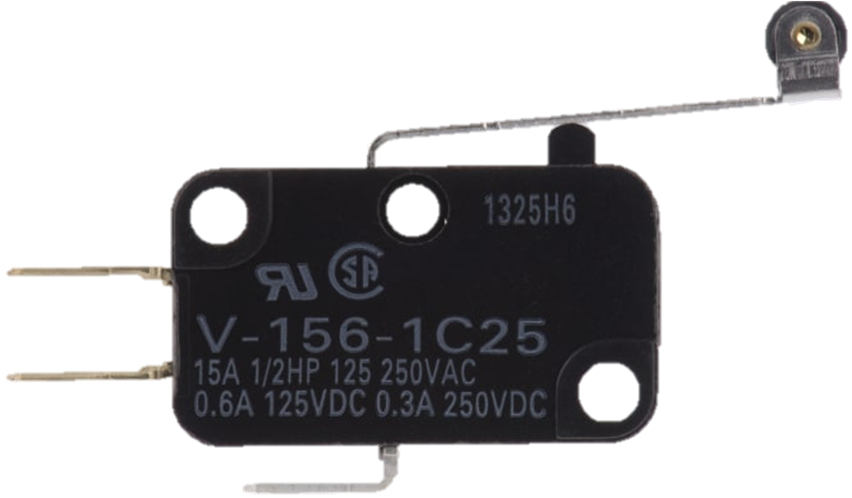
The V-156-1C25 is a miniature SPDT (Single Pole Double Throw) relay designed for low-power applications. Its compact design makes it ideal for switching small loads in various electronic circuits. This relay is widely used in automation systems, home appliances, and control circuits where reliable switching is required. Its versatility and durability make it a popular choice for both hobbyists and professionals.
Explore Projects Built with V-156-1C25
 Open Project in Cirkit Designer
 Open Project in Cirkit Designer
 Open Project in Cirkit Designer
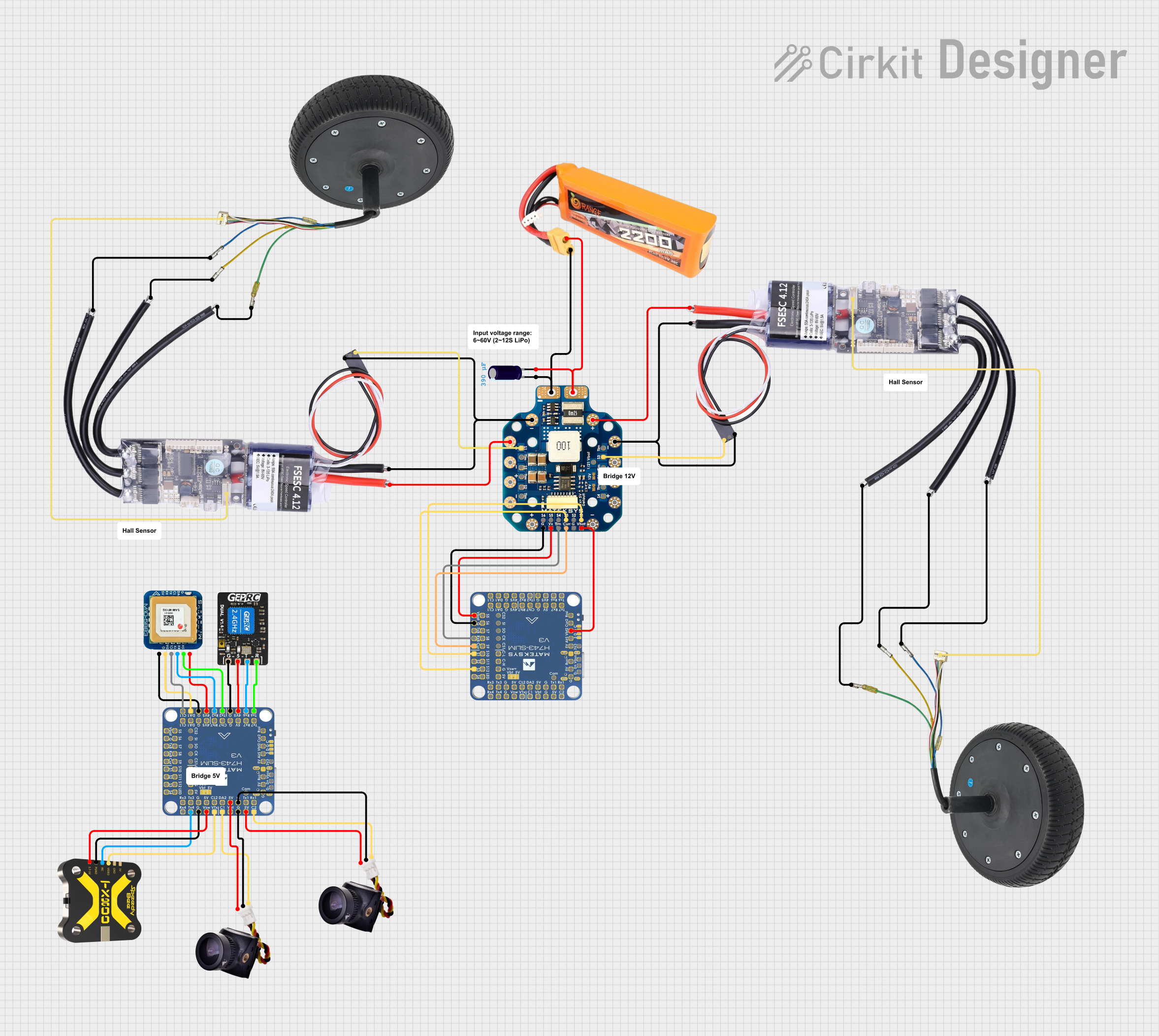 Open Project in Cirkit Designer
Explore Projects Built with V-156-1C25
Open Project in Cirkit DesignerOpen Project in Cirkit DesignerOpen Project in Cirkit DesignerOpen Project in Cirkit DesignerCommon Applications
- Home automation systems
- Industrial control panels
- Signal switching in low-power circuits
- DIY electronics projects
- Robotics and mechatronics
Technical Specifications
Key Technical Details
| Parameter | Value |
|---|---|
| Contact Configuration | SPDT (Single Pole Double Throw) |
| Rated Voltage | 250V AC / 30V DC |
| Rated Current | 15A |
| Contact Resistance | ≤ 50 mΩ |
| Insulation Resistance | ≥ 100 MΩ (at 500V DC) |
| Dielectric Strength | 1500V AC for 1 minute |
| Operating Temperature | -25°C to +85°C |
| Mechanical Life | 10,000,000 operations |
| Electrical Life | 100,000 operations |
| Dimensions | 27.8mm x 10.3mm x 15.9mm |
Pin Configuration and Descriptions
The V-156-1C25 relay has three pins for its SPDT configuration. The table below describes each pin:
| Pin Name | Description |
|---|---|
| Common (COM) | The input terminal for the relay. |
| Normally Open (NO) | The terminal that connects to COM when the relay is activated. |
| Normally Closed (NC) | The terminal that connects to COM when the relay is not activated. |
Usage Instructions
How to Use the V-156-1C25 in a Circuit
- Identify the Pins: Locate the COM, NO, and NC pins on the relay.
- Connect the Load:
- Connect the load to the NO pin if you want it to be powered only when the relay is activated.
- Connect the load to the NC pin if you want it to be powered when the relay is not activated.
- Power the Relay Coil: Apply the appropriate voltage to the relay coil to activate it. Ensure the voltage matches the relay's rated coil voltage.
- Control the Relay: Use a microcontroller, switch, or other control circuit to toggle the relay.
Important Considerations and Best Practices
- Avoid Overloading: Ensure the load does not exceed the relay's rated current and voltage.
- Use a Flyback Diode: When controlling the relay with a microcontroller, place a flyback diode across the relay coil to protect the circuit from voltage spikes.
- Secure Connections: Use proper soldering or connectors to ensure reliable electrical connections.
- Test the Circuit: Before deploying the relay in a critical application, test the circuit to ensure proper operation.
Example: Connecting the V-156-1C25 to an Arduino UNO
Below is an example of how to control the V-156-1C25 relay using an Arduino UNO:
// Define the pin connected to the relay
const int relayPin = 7;

void setup() {
  // Set the relay pin as an output
  pinMode(relayPin, OUTPUT);
}

void loop() {
  // Activate the relay
  digitalWrite(relayPin, HIGH);
  delay(1000); // Keep the relay on for 1 second

  // Deactivate the relay
  digitalWrite(relayPin, LOW);
  delay(1000); // Keep the relay off for 1 second
}
Note: Always use a transistor or relay driver circuit to interface the relay with the Arduino, as the Arduino's GPIO pins cannot directly supply the current required by the relay coil.
Troubleshooting and FAQs
Common Issues and Solutions
| Issue | Possible Cause | Solution |
|---|---|---|
| Relay does not activate | Insufficient voltage/current to the coil | Check the power supply and ensure it matches the relay's rated coil voltage. |
| Load does not turn on/off | Incorrect wiring of the load | Verify the connections to the NO, NC, and COM pins. |
| Microcontroller resets when relay activates | Voltage spike from the relay coil | Add a flyback diode across the relay coil. |
| Relay heats up excessively | Overloading the relay | Ensure the load does not exceed the relay's rated current and voltage. |
FAQs
Can the V-156-1C25 be used with DC loads? Yes, the relay can switch DC loads up to 30V DC at 15A.
What is the purpose of the flyback diode? The flyback diode protects the control circuit from voltage spikes generated when the relay coil is de-energized.
Can I use the relay for high-frequency switching? No, the V-156-1C25 is not designed for high-frequency switching. It is best suited for low-speed applications.
What happens if I exceed the rated current? Exceeding the rated current can damage the relay contacts and reduce its lifespan. Always operate within the specified limits.