
How to Use antenna: Examples, Pinouts, and Specs

 Design with antenna in Cirkit Designer
Introduction
An antenna is a device that converts electrical energy into radio waves and vice versa. It is a critical component in wireless communication systems, enabling the transmission and reception of signals over the air. Antennas are used in a wide range of applications, including radio broadcasting, television, mobile communication, Wi-Fi, satellite communication, and radar systems. Their design and functionality vary depending on the frequency range, application, and desired performance.
Explore Projects Built with antenna
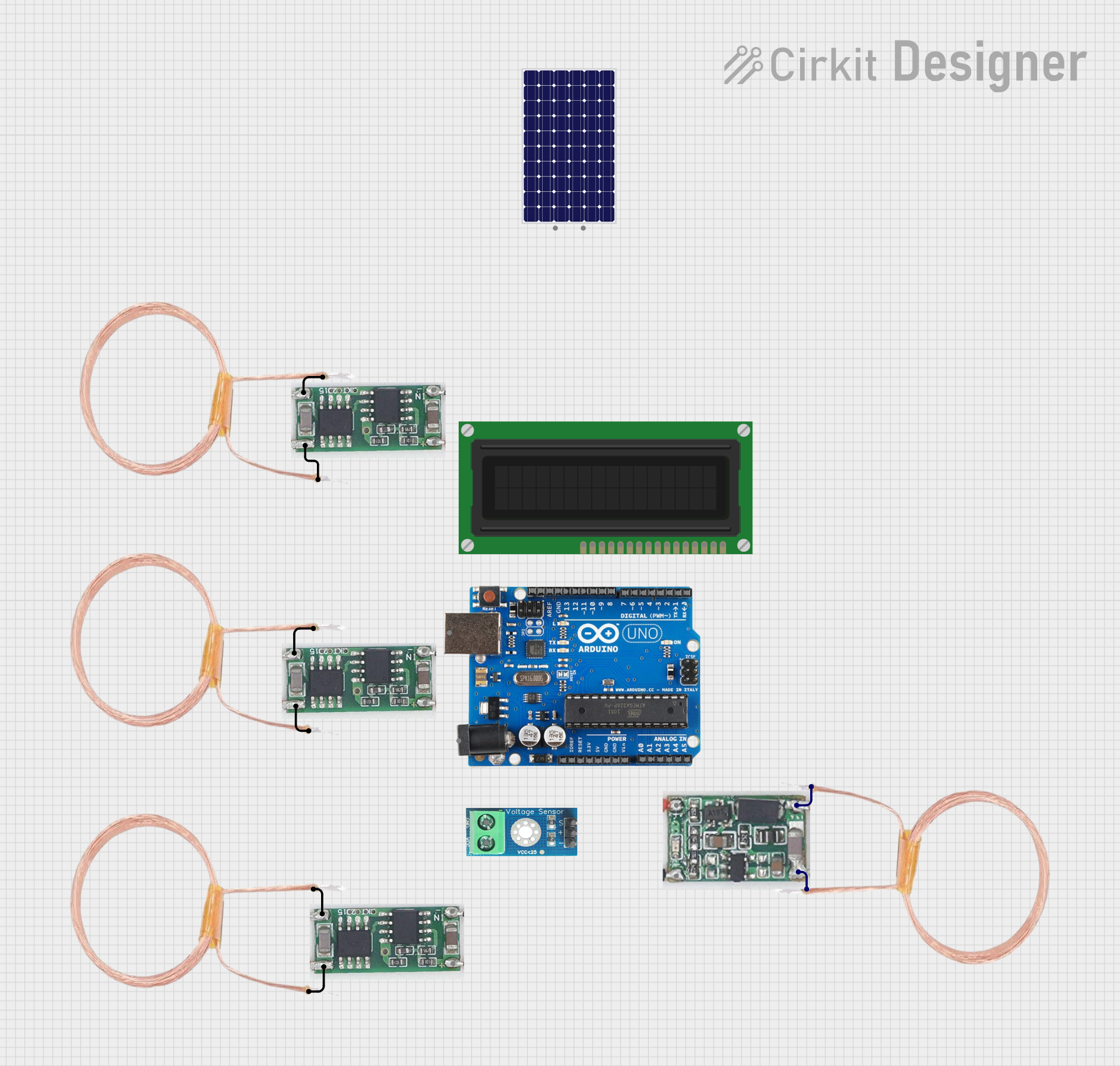 Open Project in Cirkit Designer
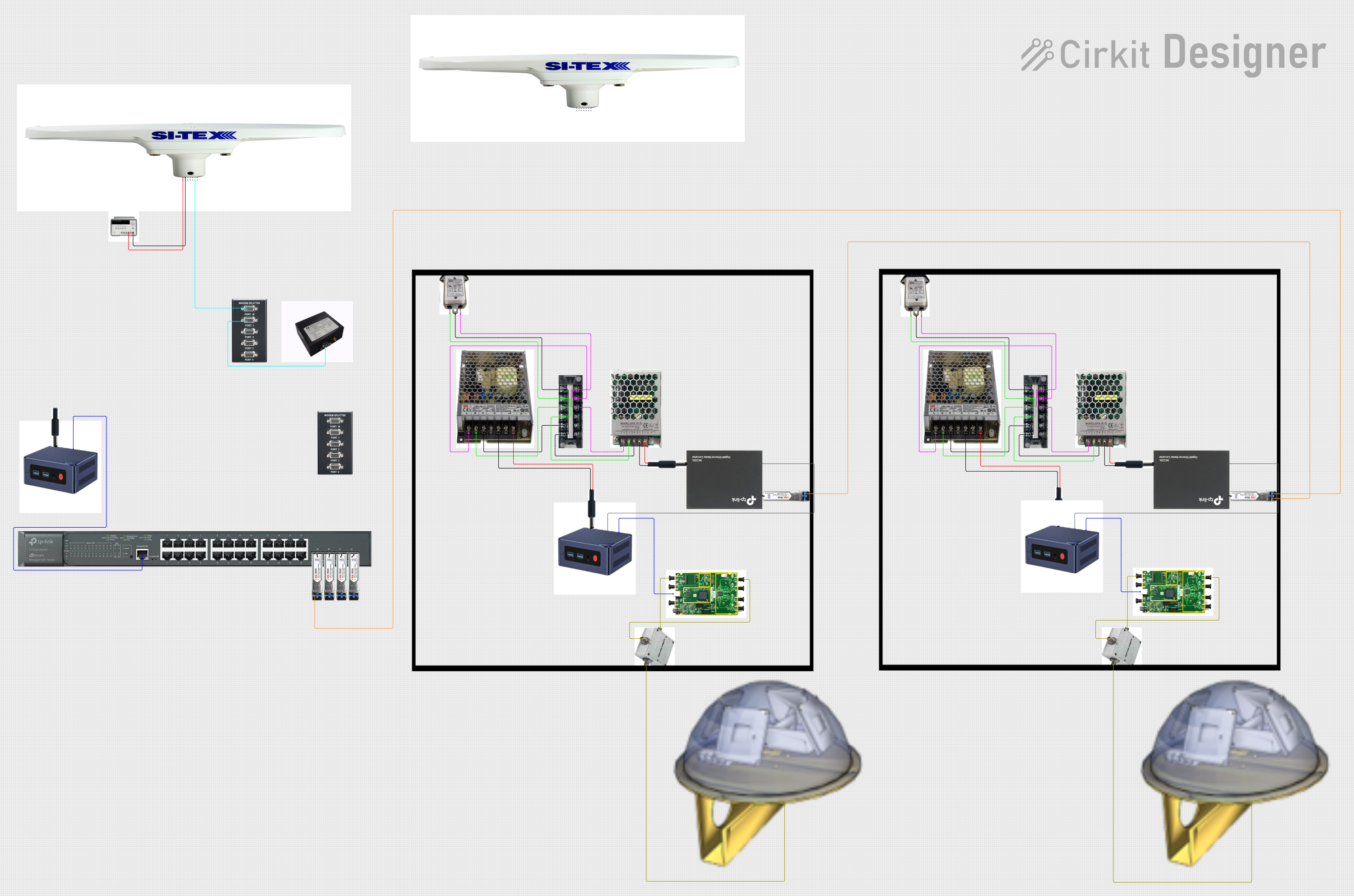 Open Project in Cirkit Designer
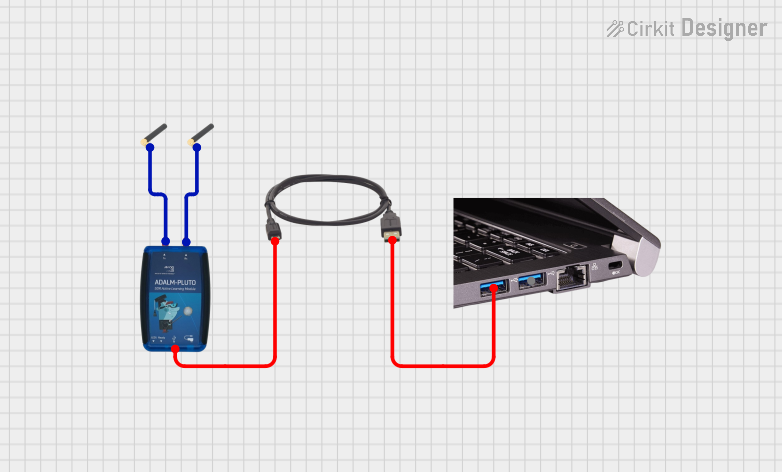 Open Project in Cirkit Designer
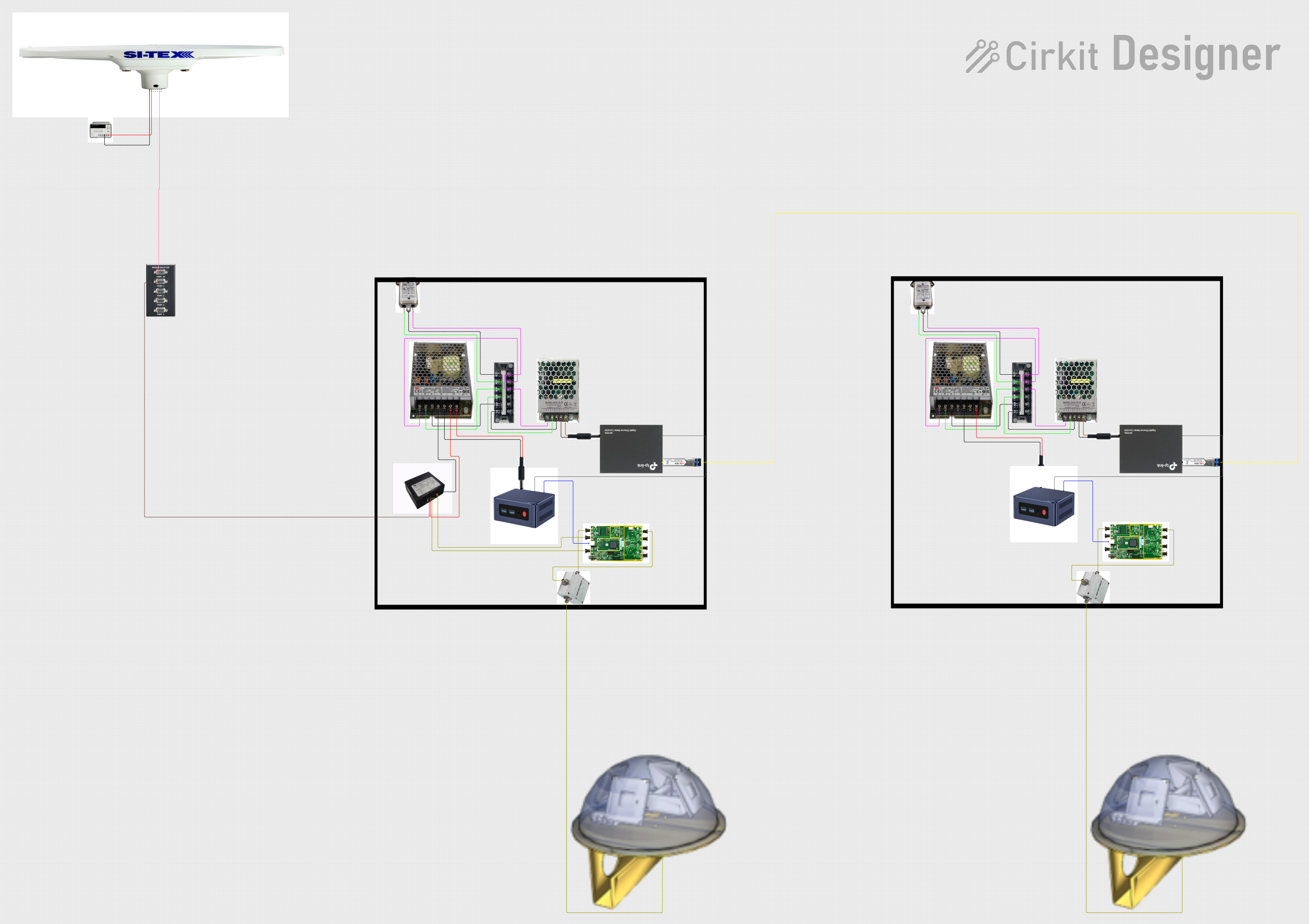 Open Project in Cirkit Designer
Explore Projects Built with antenna
Open Project in Cirkit DesignerOpen Project in Cirkit DesignerOpen Project in Cirkit DesignerOpen Project in Cirkit DesignerTechnical Specifications
The technical specifications of an antenna depend on its type and intended use. Below are general parameters that define an antenna's performance:
- Frequency Range: The range of frequencies the antenna is designed to operate within.
- Gain: A measure of the antenna's ability to direct radio waves in a specific direction, expressed in dBi.
- Impedance: Typically 50 ohms or 75 ohms, matching the transmission line or device.
- Polarization: The orientation of the electric field of the radio wave (e.g., linear, circular).
- VSWR (Voltage Standing Wave Ratio): Indicates how efficiently power is transmitted between the antenna and the connected device.
- Radiation Pattern: The spatial distribution of radiated energy.
- Power Handling: The maximum power the antenna can handle without damage.
Example Pin Configuration (for antennas with connectors)
Some antennas come with connectors for interfacing with devices. Below is an example table for an SMA connector:
| Pin/Connector | Description |
|---|---|
| Center Pin | Signal (RF input/output) |
| Outer Shield | Ground (reference for RF signal) |
For PCB antennas or integrated antennas, the pin configuration may include solder pads for RF signal and ground.
Usage Instructions
How to Use the Antenna in a Circuit
- Select the Appropriate Antenna: Choose an antenna that matches the frequency range and impedance of your system.
- Connect the Antenna:
- For external antennas, use a compatible connector (e.g., SMA, U.FL).
- For PCB antennas, solder the RF signal and ground pads to the circuit board.
- Match Impedance: Ensure the antenna's impedance matches the transmission line or device (e.g., 50 ohms). Use a matching network if necessary.
- Position the Antenna:
- Place the antenna in a location with minimal obstructions for optimal performance.
- Maintain a safe distance from metal objects to avoid interference.
- Test the System: Verify the antenna's performance using tools like a network analyzer or spectrum analyzer.
Important Considerations and Best Practices
- Avoid Physical Obstructions: Keep the antenna away from large metal objects or enclosures that can block or reflect signals.
- Use Proper Grounding: Ensure the antenna is properly grounded to reduce noise and improve signal quality.
- Follow Regulatory Guidelines: Adhere to local regulations regarding antenna power and frequency usage.
- Minimize Cable Loss: Use high-quality, low-loss cables for connecting the antenna to the device.
Example: Using an Antenna with an Arduino UNO
If you are using an antenna with a wireless module (e.g., ESP8266 or NRF24L01) connected to an Arduino UNO, follow these steps:
- Connect the wireless module to the Arduino UNO as per the module's pinout.
- Attach the antenna to the module's antenna connector.
- Upload the following example code to the Arduino UNO to send or receive data:
#include <SPI.h>
#include <nRF24L01.h>
#include <RF24.h>

// Define the CE and CSN pins for the NRF24L01 module
#define CE_PIN 9
#define CSN_PIN 10

// Create an RF24 object
RF24 radio(CE_PIN, CSN_PIN);

// Define the address for communication
const byte address[6] = "00001";

void setup() {
  Serial.begin(9600); // Initialize serial communication
  radio.begin();      // Initialize the RF24 module
  radio.openWritingPipe(address); // Set the address for transmission
  radio.setPALevel(RF24_PA_HIGH); // Set power level
  radio.stopListening();          // Set module to transmit mode
}

void loop() {
  const char text[] = "Hello, World!"; // Message to send
  bool success = radio.write(&text, sizeof(text)); // Send the message

  if (success) {
    Serial.println("Message sent successfully!");
  } else {
    Serial.println("Message failed to send.");
  }

  delay(1000); // Wait 1 second before sending the next message
}
Note: Replace the NRF24L01 module with the appropriate wireless module for your application. Ensure the antenna is securely connected to the module.
Troubleshooting and FAQs
Common Issues
Weak Signal or No Signal:
- Cause: Poor antenna placement or obstructions.
- Solution: Reposition the antenna to a higher or more open location.
High VSWR:
- Cause: Impedance mismatch between the antenna and the device.
- Solution: Use a matching network or adjust the antenna length.
Interference:
- Cause: Nearby devices operating on the same frequency.
- Solution: Change the operating frequency or use shielding.
Antenna Not Detected:
- Cause: Loose or improper connection.
- Solution: Check and secure all connections.
FAQs
Q: Can I use any antenna with my device?
A: No, the antenna must match the frequency range and impedance of your device.Q: How do I test an antenna's performance?
A: Use a network analyzer to measure parameters like VSWR, gain, and radiation pattern.Q: Can I extend the antenna cable?
A: Yes, but use low-loss cables to minimize signal degradation.Q: What is the difference between omnidirectional and directional antennas?
A: Omnidirectional antennas radiate signals in all directions, while directional antennas focus signals in a specific direction for greater range.
By following this documentation, you can effectively integrate and troubleshoot antennas in your wireless communication projects.