
How to Use LiFePo4 12V 50AH: Examples, Pinouts, and Specs
 Design with LiFePo4 12V 50AH in Cirkit Designer
Introduction
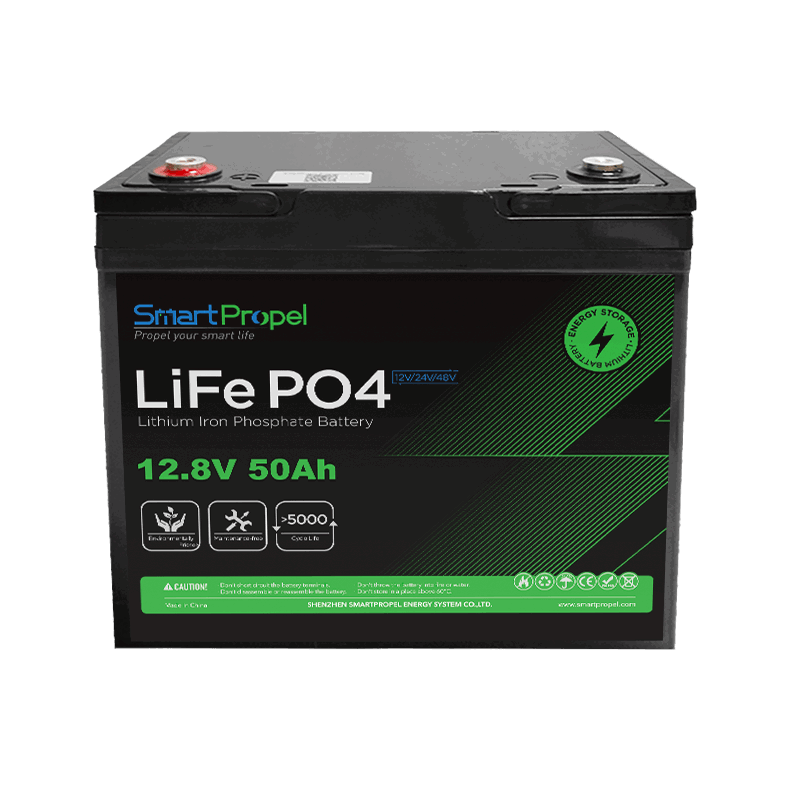
The LiFePo4 12V 50AH is a lithium iron phosphate battery with a nominal voltage of 12 volts and a capacity of 50 amp-hours. This battery is renowned for its safety, long cycle life, and stable performance, making it an ideal choice for a wide range of applications. Unlike traditional lead-acid batteries, LiFePo4 batteries offer higher energy density, faster charging, and improved thermal stability.
Explore Projects Built with LiFePo4 12V 50AH
 Open Project in Cirkit Designer
 Open Project in Cirkit Designer
 Open Project in Cirkit Designer
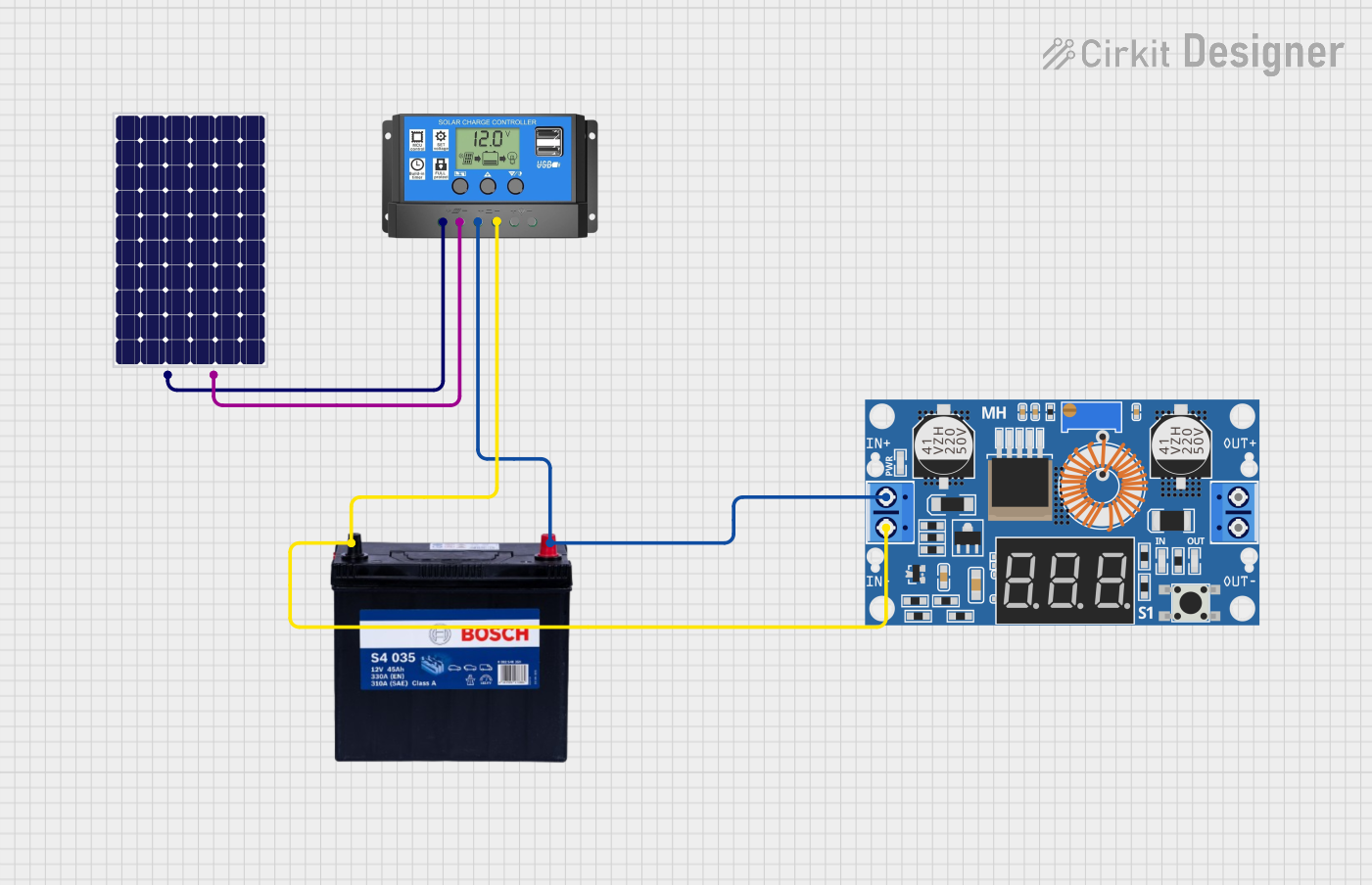 Open Project in Cirkit Designer
Explore Projects Built with LiFePo4 12V 50AH
Open Project in Cirkit DesignerOpen Project in Cirkit DesignerOpen Project in Cirkit DesignerOpen Project in Cirkit DesignerCommon Applications and Use Cases
- Solar energy storage systems
- Backup power supplies (UPS systems)
- Electric vehicles (EVs) and e-bikes
- Marine and RV power systems
- Portable power stations
- Robotics and industrial equipment
Technical Specifications
The following table outlines the key technical details of the LiFePo4 12V 50AH battery:
| Parameter | Specification |
|---|---|
| Nominal Voltage | 12.8V |
| Capacity | 50Ah |
| Energy | 640Wh |
| Charge Voltage Range | 14.2V - 14.6V |
| Discharge Voltage Range | 10.0V - 12.8V |
| Maximum Continuous Current | 50A |
| Peak Discharge Current | 100A (for 10 seconds) |
| Cycle Life | >2000 cycles (at 80% depth of discharge) |
| Operating Temperature | -20°C to 60°C (discharge) |
| Charging Temperature | 0°C to 45°C |
| Weight | ~6.5 kg |
| Dimensions (L x W x H) | ~195mm x 165mm x 170mm |
Terminal Configuration
The LiFePo4 12V 50AH battery typically features two terminals for connection:
| Terminal | Description |
|---|---|
| Positive (+) | Connects to the positive side of the circuit |
| Negative (-) | Connects to the negative side of the circuit |
Usage Instructions
How to Use the Component in a Circuit
Connection:
- Connect the positive terminal of the battery to the positive input of your circuit.
- Connect the negative terminal to the ground or negative input of your circuit.
- Ensure proper polarity to avoid damage to the battery or connected devices.
Charging:
- Use a LiFePo4-compatible charger with a constant current/constant voltage (CC/CV) charging profile.
- Set the charging voltage to 14.6V and limit the charging current to 25A (50% of the battery's capacity) for optimal performance and longevity.
Discharging:
- Ensure the load does not exceed the maximum continuous current of 50A.
- Avoid discharging the battery below 10.0V to prevent damage.
Protection:
- Use a Battery Management System (BMS) to monitor and protect the battery from overcharging, over-discharging, and short circuits.
- Ensure proper ventilation and avoid exposing the battery to extreme temperatures.
Important Considerations and Best Practices
- Storage: Store the battery in a cool, dry place at a 50% state of charge for long-term storage.
- Series/Parallel Connections: If connecting multiple batteries in series or parallel, ensure they are of the same type, capacity, and charge level.
- Safety: Avoid puncturing, crushing, or exposing the battery to fire or water.
Example: Connecting to an Arduino UNO
The LiFePo4 12V 50AH battery can be used to power an Arduino UNO via its VIN pin. Below is an example circuit and code:
Circuit Setup
- Connect the positive terminal of the battery to the VIN pin of the Arduino UNO.
- Connect the negative terminal of the battery to the GND pin of the Arduino UNO.
- Use a voltage regulator if the battery voltage exceeds 12.8V to protect the Arduino.
Sample Code
// Example code to read an analog sensor and print the value to the Serial Monitor
// Powered by a LiFePo4 12V 50AH battery

const int sensorPin = A0; // Analog pin connected to the sensor
int sensorValue = 0;      // Variable to store the sensor reading

void setup() {
  Serial.begin(9600); // Initialize serial communication at 9600 baud
}

void loop() {
  sensorValue = analogRead(sensorPin); // Read the sensor value
  Serial.print("Sensor Value: ");
  Serial.println(sensorValue); // Print the sensor value to the Serial Monitor
  delay(1000); // Wait for 1 second before the next reading
}
Troubleshooting and FAQs
Common Issues and Solutions
Battery Not Charging:
- Cause: Incorrect charger or damaged charging circuit.
- Solution: Use a LiFePo4-compatible charger and check the connections.
Battery Drains Quickly:
- Cause: Excessive load or degraded battery capacity.
- Solution: Reduce the load or test the battery capacity using a battery analyzer.
Overheating:
- Cause: High discharge current or poor ventilation.
- Solution: Ensure the load does not exceed the maximum continuous current and provide adequate ventilation.
No Output Voltage:
- Cause: BMS protection triggered due to over-discharge or short circuit.
- Solution: Recharge the battery to reset the BMS or check for short circuits.
FAQs
Can I use this battery in cold weather?
- Yes, the battery can operate down to -20°C for discharge, but charging should only occur above 0°C.
How long will the battery last?
- The battery has a cycle life of over 2000 cycles at 80% depth of discharge, which translates to several years of use depending on the application.
Can I connect this battery in series or parallel?
- Yes, but ensure all batteries are of the same type, capacity, and charge level. Use a BMS for added safety.
What happens if I overcharge the battery?
- Overcharging can damage the battery and reduce its lifespan. Always use a charger with overcharge protection.
By following these guidelines, you can ensure safe and efficient use of the LiFePo4 12V 50AH battery in your projects.