
How to Use LiPo CNHL HV 2S 450mAh 70C: Examples, Pinouts, and Specs
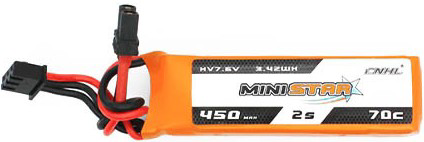
 Design with LiPo CNHL HV 2S 450mAh 70C in Cirkit Designer
Introduction
The LiPo CNHL HV 2S 450mAh 70C is a high-performance lithium polymer battery designed for applications requiring compact size, lightweight, and high power output. With a nominal capacity of 450mAh and a high discharge rate of 70C, this battery is ideal for powering remote-controlled (RC) vehicles, drones, and other high-demand electronic systems. Its high-voltage (HV) chemistry allows for increased energy density, providing extended runtime and improved performance.
Explore Projects Built with LiPo CNHL HV 2S 450mAh 70C
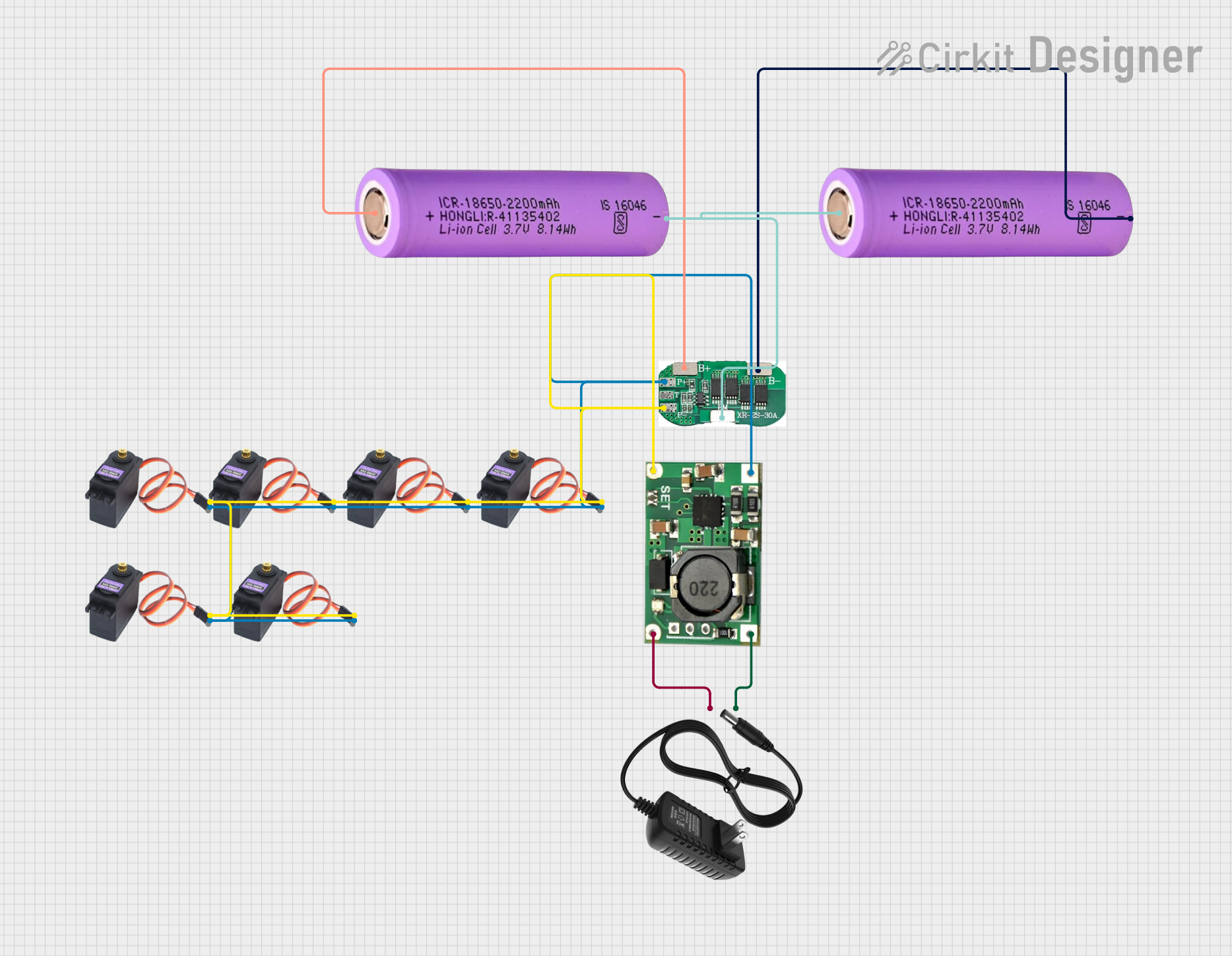 Open Project in Cirkit Designer
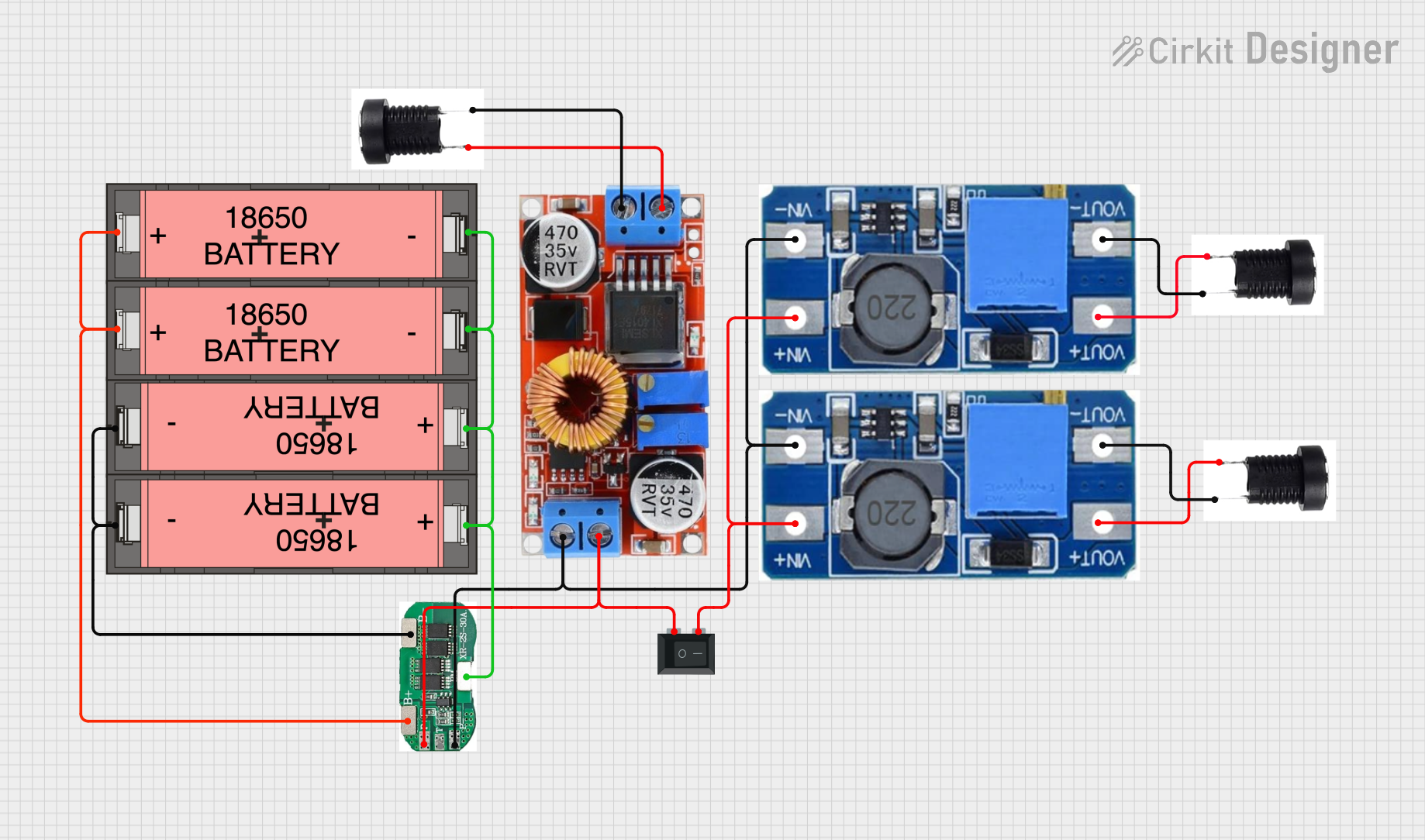 Open Project in Cirkit Designer
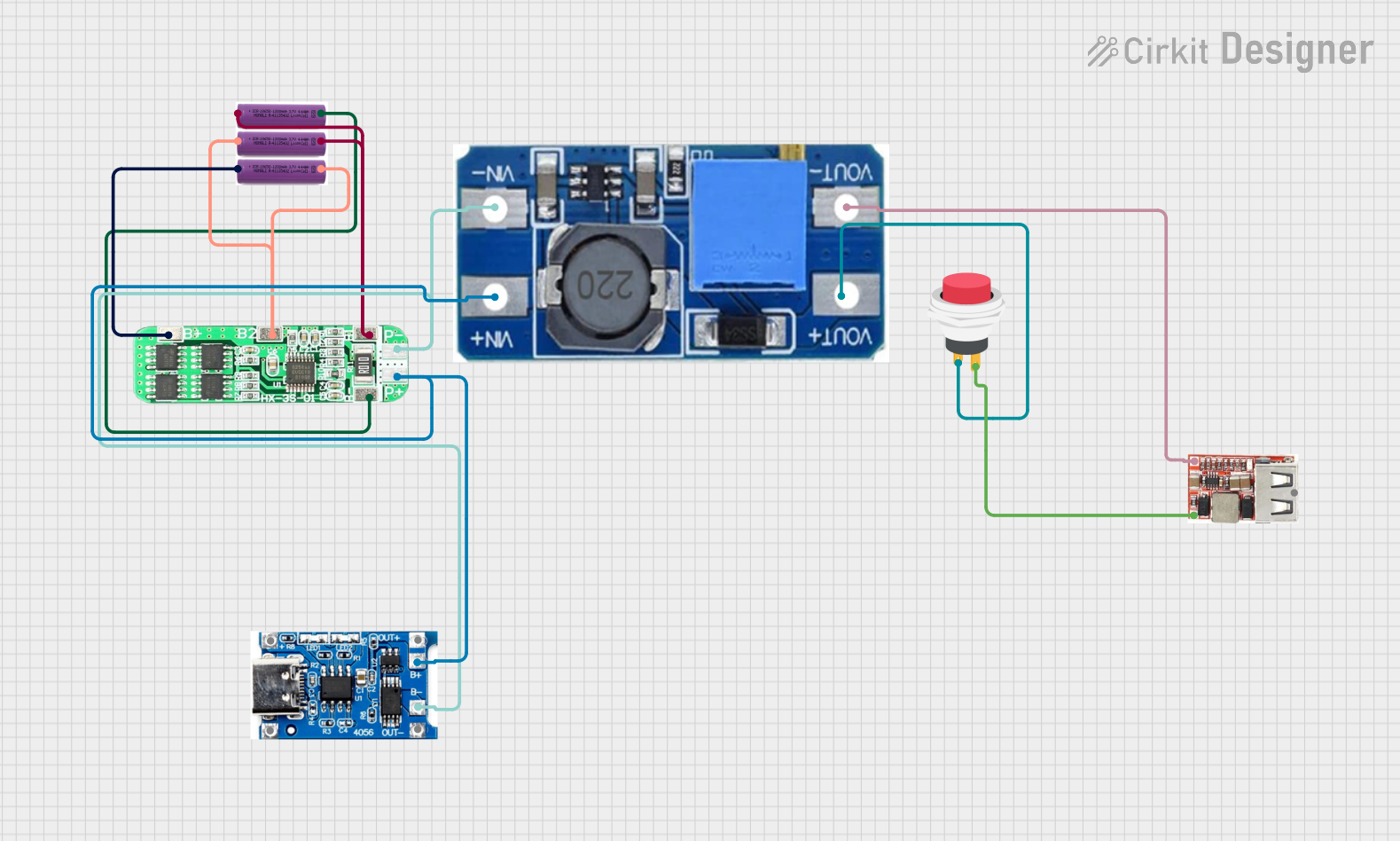 Open Project in Cirkit Designer
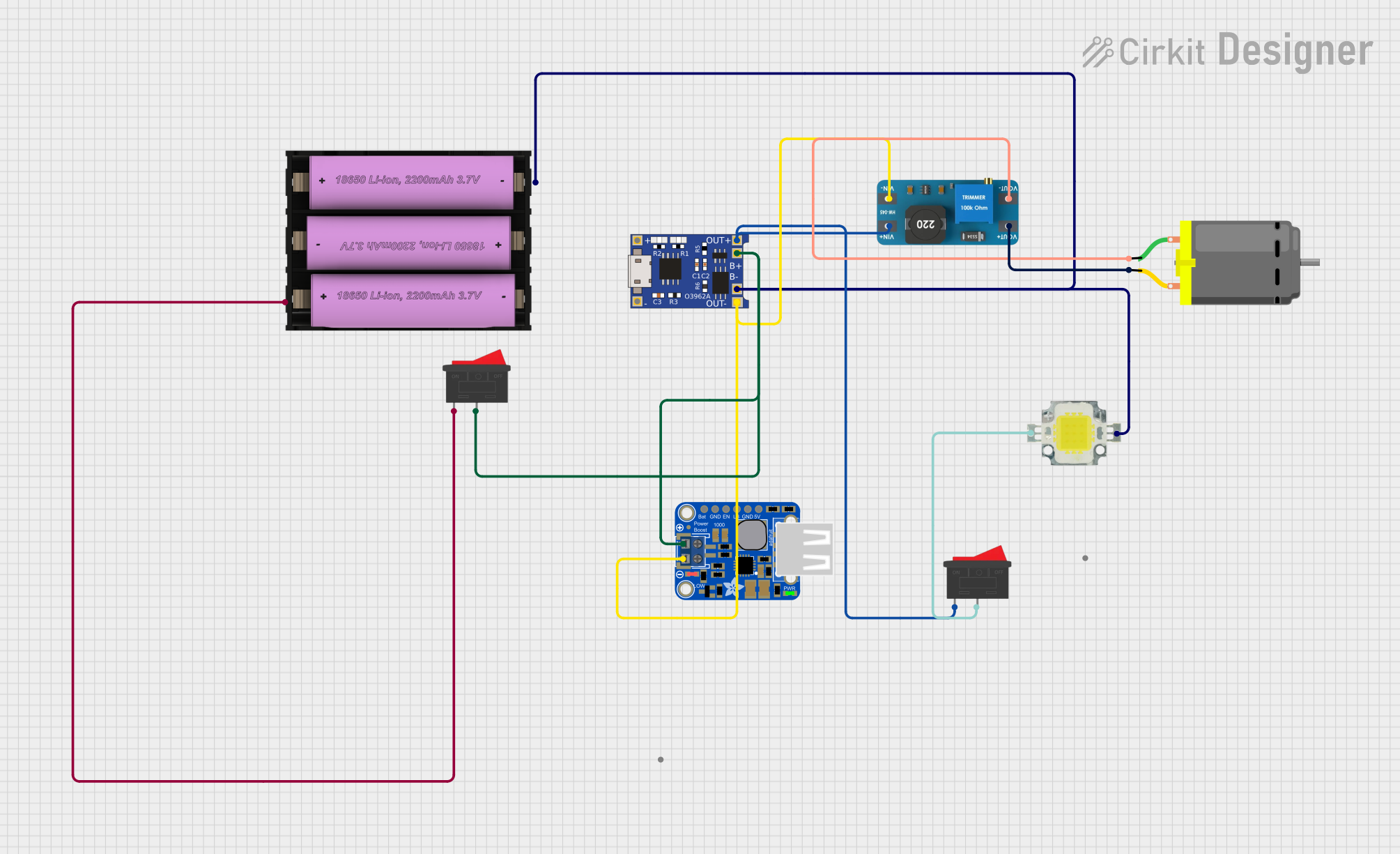 Open Project in Cirkit Designer
Explore Projects Built with LiPo CNHL HV 2S 450mAh 70C
Open Project in Cirkit DesignerOpen Project in Cirkit DesignerOpen Project in Cirkit DesignerOpen Project in Cirkit DesignerCommon Applications
- RC cars, boats, and airplanes
- FPV (First-Person View) racing drones
- Robotics and small-scale UAVs
- Portable electronic projects requiring high current output
Technical Specifications
The following table outlines the key technical details of the LiPo CNHL HV 2S 450mAh 70C battery:
| Parameter | Specification |
|---|---|
| Battery Type | Lithium Polymer (LiPo) |
| Nominal Voltage | 7.6V (2S configuration) |
| Maximum Voltage | 8.7V (fully charged) |
| Capacity | 450mAh |
| Discharge Rate (Continuous) | 70C (31.5A) |
| Discharge Rate (Burst) | 140C (63A) |
| Dimensions | 50mm x 30mm x 12mm |
| Weight | ~30g |
| Connector Type | XT30 |
| Balance Connector | JST-XH |
| Recommended Charge Rate | 1C (0.45A) |
| Maximum Charge Rate | 5C (2.25A) |
Pin Configuration
The battery features two connectors: the main power connector (XT30) and the balance connector (JST-XH). The pin configuration for the JST-XH balance connector is as follows:
| Pin Number | Function | Description |
|---|---|---|
| 1 | Cell 1 Negative | Negative terminal of Cell 1 |
| 2 | Cell 1 Positive | Positive terminal of Cell 1 |
| 3 | Cell 2 Positive | Positive terminal of Cell 2 |
Usage Instructions
How to Use the LiPo CNHL HV 2S 450mAh 70C in a Circuit
Charging the Battery:
- Use a LiPo-compatible charger that supports high-voltage (HV) batteries.
- Set the charger to 2S mode (7.6V nominal) and ensure the charge current does not exceed the recommended 1C (0.45A) rate for optimal battery life.
- Connect the XT30 connector to the charger's main output and the JST-XH connector to the balance port.
Connecting to a Circuit:
- Ensure the device or ESC (Electronic Speed Controller) is compatible with a 2S LiPo battery.
- Connect the XT30 connector to the power input of your device.
- Secure the battery in place to prevent movement during operation.
Discharging:
- Avoid discharging the battery below 6.0V to prevent damage.
- Use a voltage alarm or battery monitor to track the voltage during use.
Important Considerations and Best Practices
- Storage: Store the battery at a voltage of 7.6V (3.8V per cell) for long-term storage to prevent capacity loss.
- Temperature: Do not charge or discharge the battery at temperatures below 0°C or above 50°C.
- Safety: Never puncture, short-circuit, or overcharge the battery. Always charge in a fireproof container.
- Balancing: Regularly balance the cells during charging to maintain performance and longevity.
Example: Using with an Arduino UNO
While the LiPo CNHL HV 2S 450mAh 70C is not directly connected to an Arduino UNO, it can power an Arduino-based project through a voltage regulator. Below is an example of how to use the battery with a 5V voltage regulator to power an Arduino UNO:
/*
 * Example: Powering Arduino UNO with LiPo CNHL HV 2S 450mAh 70C
 * This setup uses a 5V voltage regulator to step down the battery voltage.
 * Ensure the regulator can handle the current requirements of your project.
 */

void setup() {
  // Initialize serial communication for debugging
  Serial.begin(9600);
  Serial.println("Arduino powered by LiPo battery!");
}

void loop() {
  // Example code to blink an LED
  pinMode(13, OUTPUT); // Set pin 13 as output
  digitalWrite(13, HIGH); // Turn LED on
  delay(1000); // Wait for 1 second
  digitalWrite(13, LOW); // Turn LED off
  delay(1000); // Wait for 1 second
}
Troubleshooting and FAQs
Common Issues and Solutions
Battery Not Charging:
- Ensure the charger is set to 2S mode and supports HV LiPo batteries.
- Check all connections, including the XT30 and JST-XH connectors.
- Verify the charger is functioning correctly.
Battery Swelling:
- Stop using the battery immediately if it swells.
- Swelling may occur due to overcharging, over-discharging, or physical damage.
Low Runtime:
- Ensure the battery is fully charged before use.
- Check for excessive current draw from the connected device.
- Replace the battery if it has degraded over time.
Voltage Alarm Triggering Prematurely:
- Verify the alarm's voltage threshold settings.
- Balance the cells during charging to ensure even voltage distribution.
FAQs
Q: Can I use this battery for a 3S device?
A: No, this is a 2S battery with a nominal voltage of 7.6V. Using it in a 3S device may result in insufficient power and potential damage.
Q: How do I safely dispose of a damaged battery?
A: Discharge the battery completely, submerge it in saltwater for 24 hours, and dispose of it at a designated battery recycling facility.
Q: Can I charge this battery with a standard LiPo charger?
A: Only if the charger supports high-voltage (HV) LiPo batteries. Check the charger's specifications before use.