
How to Use 18650 BATTERY: Examples, Pinouts, and Specs
 Design with 18650 BATTERY in Cirkit Designer
Introduction
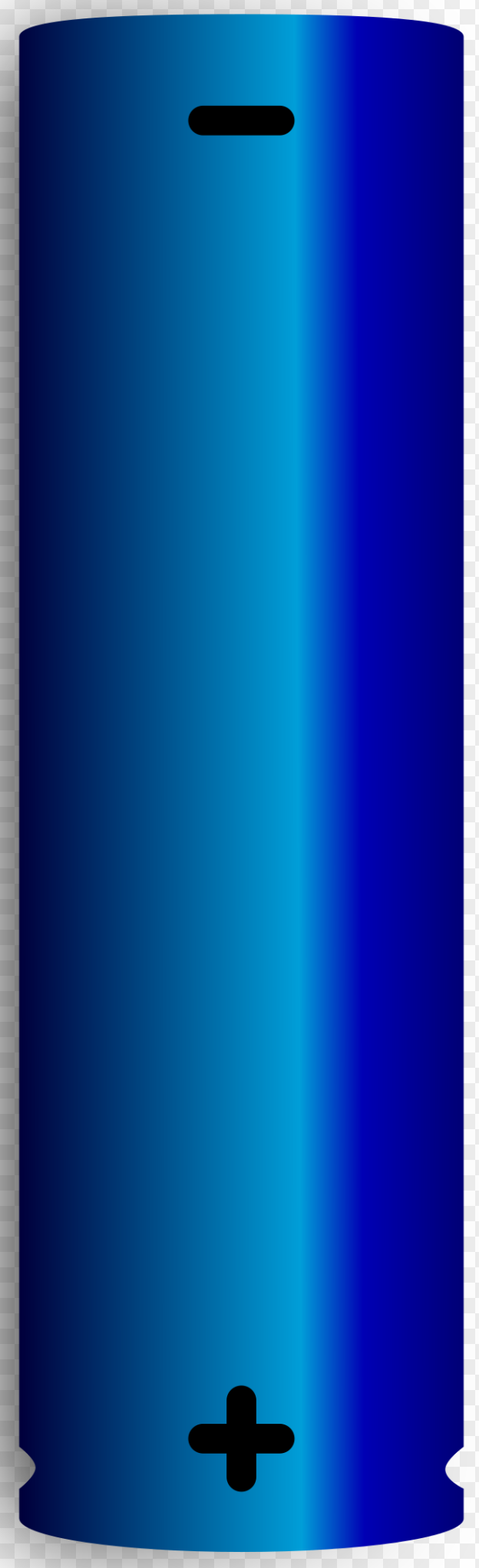
The 18650 battery is a rechargeable lithium-ion battery, widely recognized for its high energy density, long cycle life, and cylindrical shape. It is named "18650" due to its dimensions: 18mm in diameter and 65mm in length. This battery is commonly used in portable electronics, power tools, flashlights, laptops, and electric vehicles. Its reliability and performance make it a popular choice for applications requiring compact and efficient energy storage.
Explore Projects Built with 18650 BATTERY
 Open Project in Cirkit Designer
 Open Project in Cirkit Designer
 Open Project in Cirkit Designer
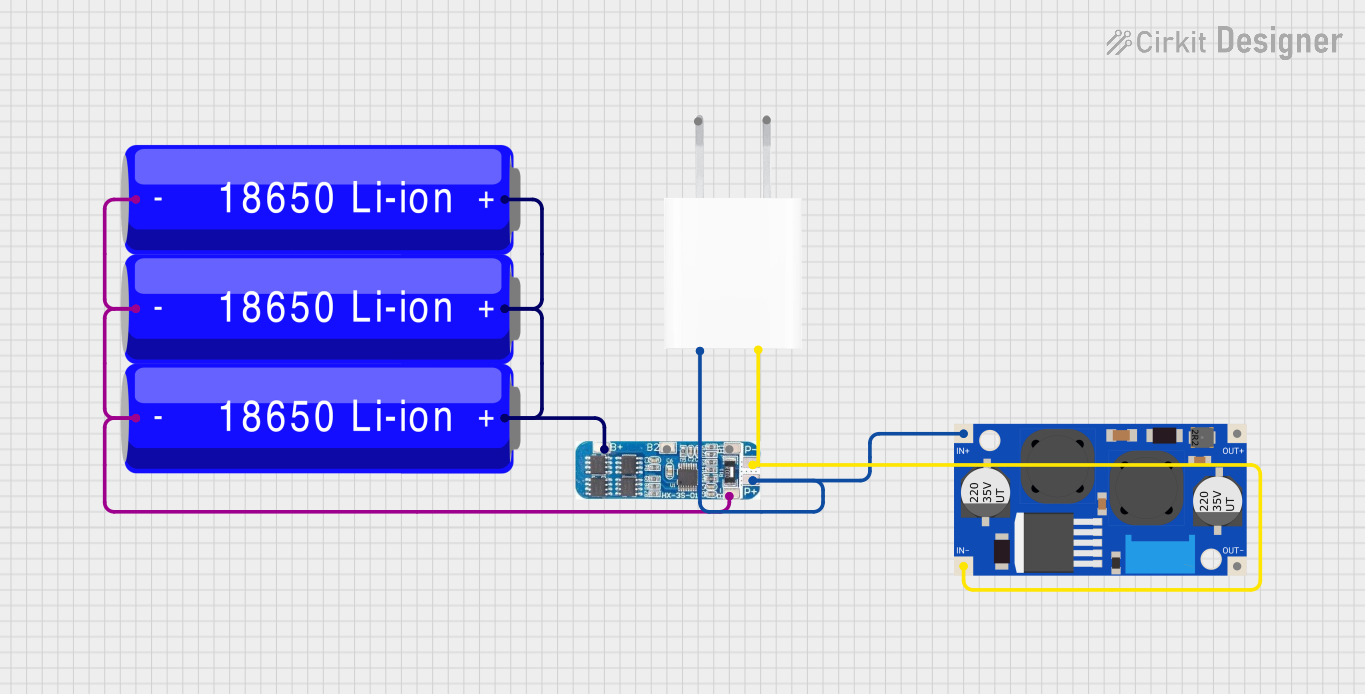 Open Project in Cirkit Designer
Explore Projects Built with 18650 BATTERY
Open Project in Cirkit DesignerOpen Project in Cirkit DesignerOpen Project in Cirkit DesignerOpen Project in Cirkit DesignerTechnical Specifications
The following table outlines the key technical specifications of a standard 18650 lithium-ion battery. Note that specific values may vary depending on the manufacturer and model.
| Parameter | Typical Value |
|---|---|
| Nominal Voltage | 3.6V - 3.7V |
| Fully Charged Voltage | 4.2V |
| Cut-off Voltage | 2.5V - 3.0V |
| Capacity | 2000mAh - 3500mAh (varies) |
| Maximum Discharge Current | 10A - 30A (depending on model) |
| Charging Current | 0.5C - 1C (e.g., 1A for 2000mAh) |
| Charging Voltage | 4.2V |
| Dimensions | 18mm (diameter) x 65mm (length) |
| Weight | ~45g |
| Chemistry | Lithium-ion (Li-ion) |
| Cycle Life | ~300 - 500 cycles (varies) |
Pin Configuration and Descriptions
The 18650 battery has two terminals:
| Pin | Description |
|---|---|
| Positive (+) | The terminal where current flows out during discharge. |
| Negative (-) | The terminal where current flows in during discharge. |
Note: Some 18650 batteries come with built-in protection circuits (protected cells) to prevent overcharging, over-discharging, and short circuits. These may have slightly larger dimensions than unprotected cells.
Usage Instructions
How to Use the 18650 Battery in a Circuit
- Determine the Battery Type: Check if the 18650 battery is protected or unprotected. Protected batteries are safer for beginners, while unprotected batteries require external protection circuitry.
- Voltage and Current Requirements: Ensure the device or circuit is compatible with the battery's voltage and current ratings.
- Battery Holder: Use a suitable 18650 battery holder or connector to securely mount the battery in your circuit.
- Charging: Use a dedicated lithium-ion battery charger with constant current (CC) and constant voltage (CV) charging profiles. Avoid overcharging beyond 4.2V.
- Discharging: Do not discharge the battery below its cut-off voltage (typically 2.5V - 3.0V) to prevent damage.
- Series and Parallel Configurations: For higher voltage or capacity, connect multiple 18650 batteries in series or parallel. Use a Battery Management System (BMS) to balance and protect the cells.
Important Considerations and Best Practices
- Safety First: Avoid short circuits, puncturing, or exposing the battery to high temperatures.
- Storage: Store the battery in a cool, dry place at ~40% charge for long-term storage.
- Avoid Overloading: Do not exceed the maximum discharge current to prevent overheating or damage.
- Use a BMS: When using multiple batteries, always include a BMS to ensure safe operation.
Example: Using an 18650 Battery with Arduino UNO
To power an Arduino UNO with an 18650 battery, you can use a DC-DC step-up converter to boost the battery's voltage to 5V. Below is an example circuit and code:
Circuit Setup
- Connect the 18650 battery to the input of a DC-DC step-up converter.
- Adjust the converter's output to 5V using a multimeter.
- Connect the converter's output to the Arduino UNO's 5V and GND pins.
Arduino Code Example
// Example code to blink an LED using Arduino UNO powered by an 18650 battery

const int ledPin = 13; // Pin connected to the onboard LED

void setup() {
  pinMode(ledPin, OUTPUT); // Set the LED pin as an output
}

void loop() {
  digitalWrite(ledPin, HIGH); // Turn the LED on
  delay(1000);               // Wait for 1 second
  digitalWrite(ledPin, LOW);  // Turn the LED off
  delay(1000);               // Wait for 1 second
}
Note: Ensure the step-up converter is properly configured to output 5V before connecting it to the Arduino UNO.
Troubleshooting and FAQs
Common Issues
Battery Not Charging:
- Cause: Faulty charger or damaged battery.
- Solution: Check the charger output voltage and ensure it matches the battery's charging requirements. Replace the battery if it is damaged.
Battery Drains Quickly:
- Cause: Overuse, aging, or high self-discharge rate.
- Solution: Replace the battery if it has reached the end of its cycle life. Avoid over-discharging.
Battery Overheats:
- Cause: Excessive current draw or short circuit.
- Solution: Reduce the load or check for short circuits. Use a BMS for protection.
Device Not Powering On:
- Cause: Insufficient voltage or loose connections.
- Solution: Verify the battery voltage and ensure all connections are secure.
FAQs
Can I use an 18650 battery without a protection circuit?
- Yes, but it is not recommended unless you have external protection circuitry to prevent overcharging, over-discharging, and short circuits.
How do I know if my 18650 battery is fully charged?
- A fully charged 18650 battery will have a voltage of approximately 4.2V.
Can I connect 18650 batteries in series or parallel?
- Yes, you can connect them in series for higher voltage or in parallel for higher capacity. Always use a BMS to ensure safe operation.
What is the typical lifespan of an 18650 battery?
- The lifespan is typically 300-500 charge cycles, depending on usage and care.
By following these guidelines and best practices, you can safely and effectively use 18650 batteries in your projects.