
How to Use HLK-FM225 Face Recognition Module: Examples, Pinouts, and Specs
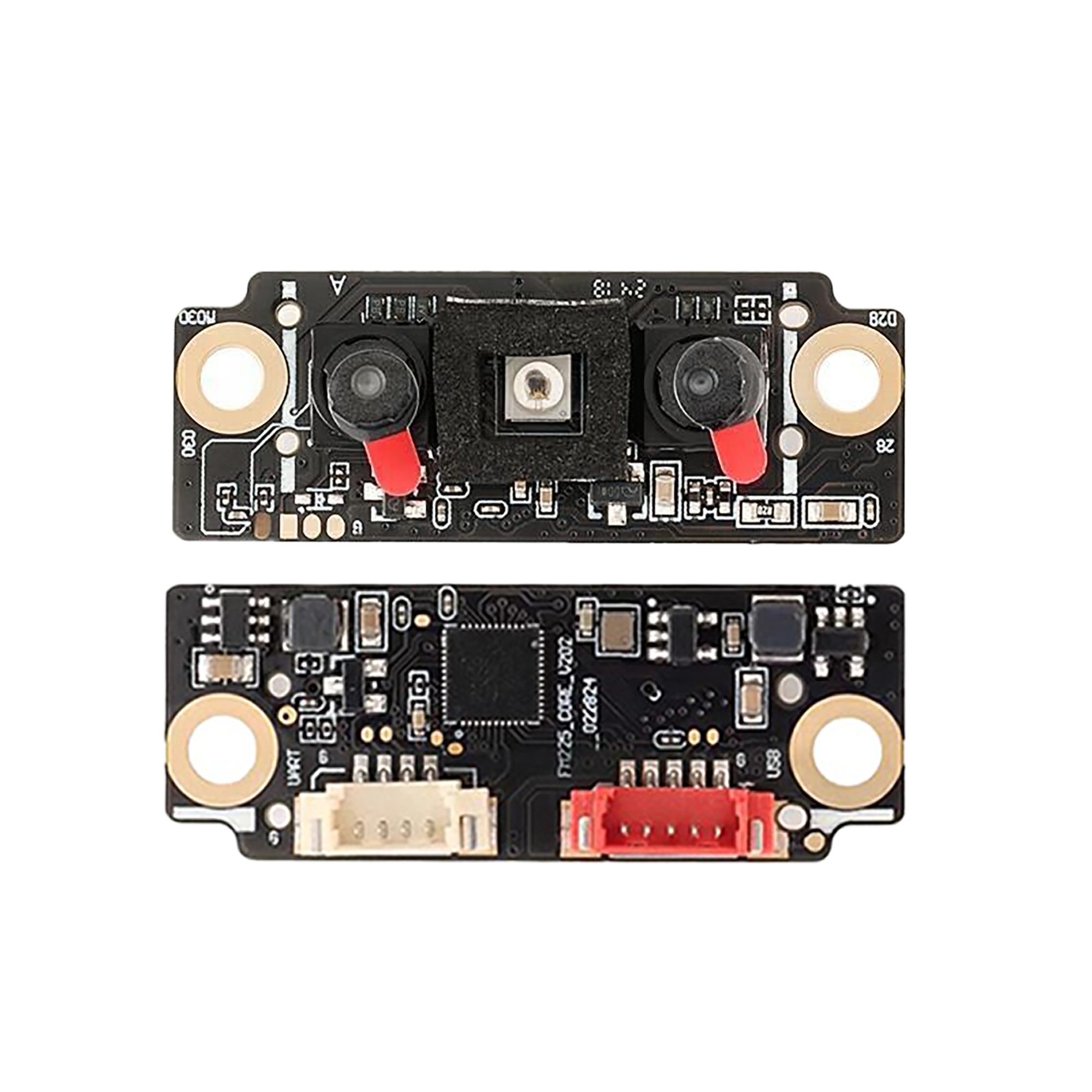
 Design with HLK-FM225 Face Recognition Module in Cirkit Designer
Introduction
The HLK-FM225 is a compact and efficient face recognition module developed by HiLink. It leverages advanced algorithms to detect and recognize human faces with high accuracy and reliability. Designed for real-time processing, the module performs well under various lighting conditions, making it ideal for a wide range of applications.
Explore Projects Built with HLK-FM225 Face Recognition Module
 Open Project in Cirkit Designer
 Open Project in Cirkit Designer
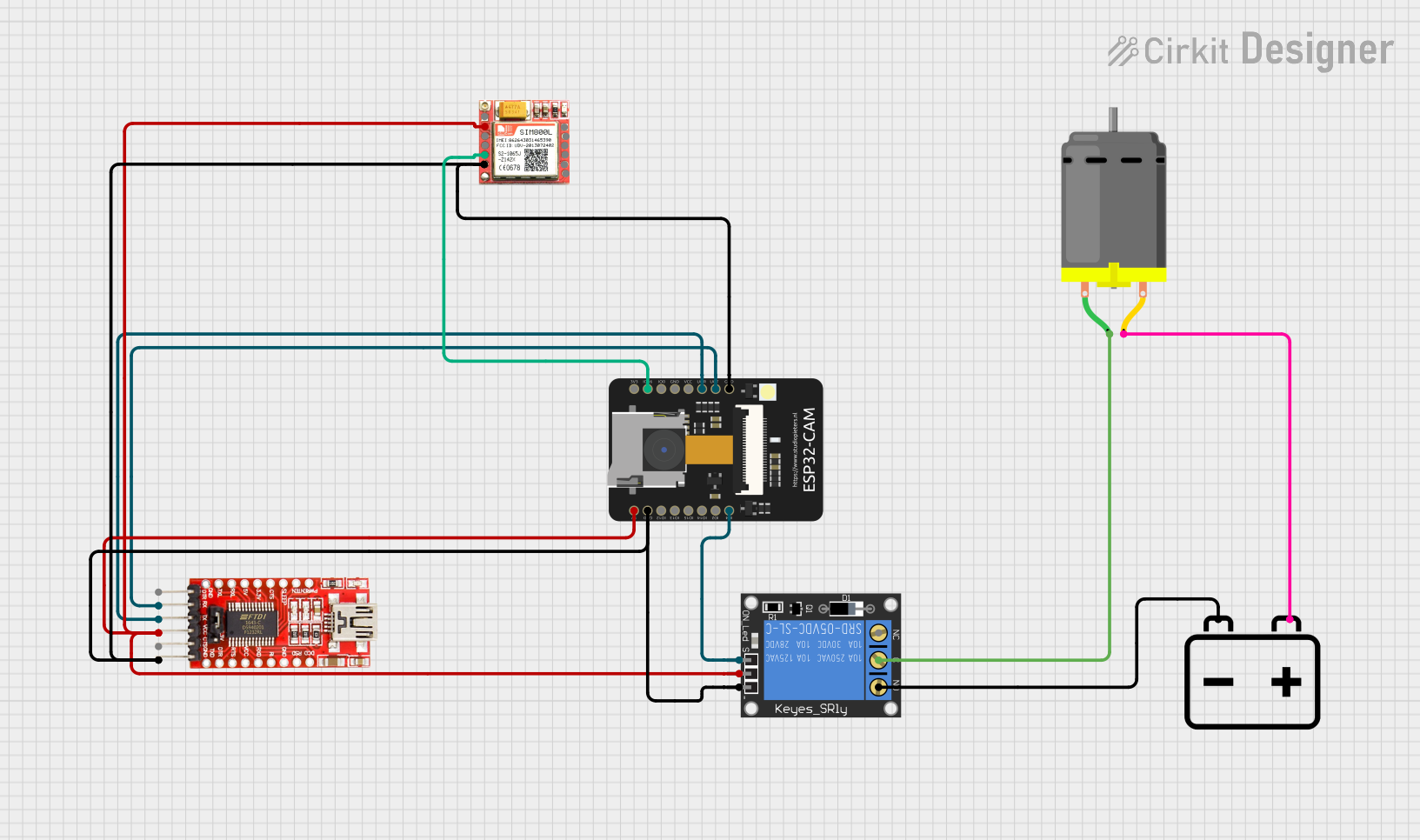 Open Project in Cirkit Designer
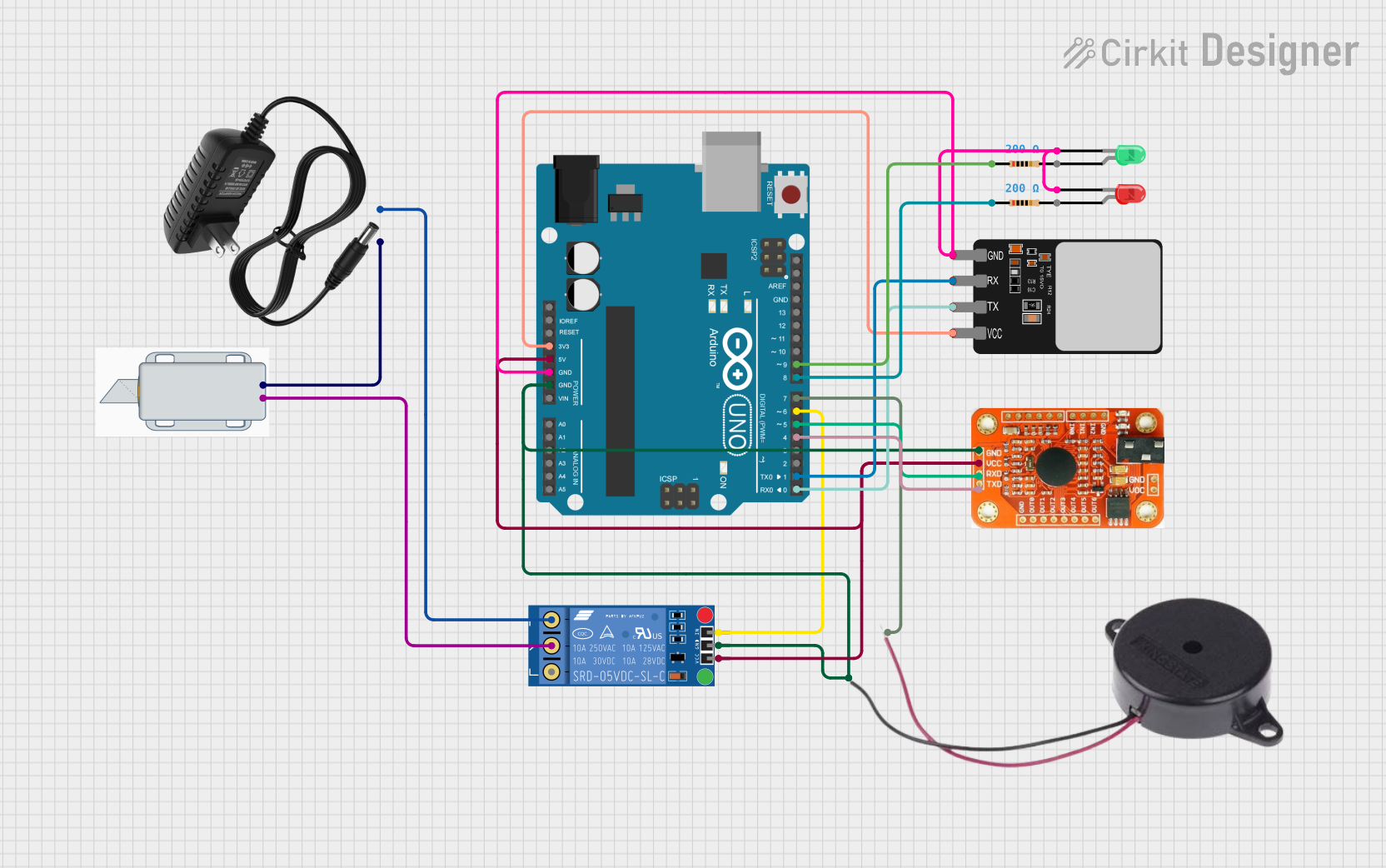 Open Project in Cirkit Designer
Explore Projects Built with HLK-FM225 Face Recognition Module
Open Project in Cirkit DesignerOpen Project in Cirkit DesignerOpen Project in Cirkit DesignerOpen Project in Cirkit DesignerCommon Applications and Use Cases
- Access Control Systems: Secure entry points by identifying authorized personnel.
- Attendance Systems: Automate attendance tracking in workplaces or educational institutions.
- Smart Home Devices: Enable personalized user experiences based on face recognition.
- Retail and Marketing: Analyze customer demographics and behavior.
- Robotics: Integrate face recognition for human-robot interaction.
Technical Specifications
The HLK-FM225 module is designed to deliver robust performance while maintaining a compact form factor. Below are its key technical details:
General Specifications
| Parameter | Value |
|---|---|
| Manufacturer | HiLink |
| Part ID | FM225 |
| Operating Voltage | 5V DC |
| Operating Current | ≤ 200mA |
| Communication Interface | UART (TTL) |
| Baud Rate | Configurable (Default: 115200) |
| Recognition Speed | ≤ 1 second |
| Recognition Distance | 0.3m to 2m |
| Operating Temperature | -20°C to 60°C |
| Dimensions | 50mm x 40mm x 15mm |
Pin Configuration and Descriptions
The HLK-FM225 module features a 4-pin interface for easy integration into various systems. Below is the pinout description:
| Pin Number | Pin Name | Description |
|---|---|---|
| 1 | VCC | Power supply input (5V DC) |
| 2 | GND | Ground |
| 3 | TX | UART Transmit (Data output) |
| 4 | RX | UART Receive (Data input) |
Usage Instructions
The HLK-FM225 module is straightforward to use and can be integrated into a variety of systems. Below are the steps and best practices for using the module:
Connecting the Module
- Power Supply: Connect the
VCCpin to a 5V DC power source and theGNDpin to ground. - UART Communication: Connect the
TXpin of the module to theRXpin of your microcontroller, and theRXpin of the module to theTXpin of your microcontroller. - Baud Rate Configuration: Ensure the UART baud rate of your microcontroller matches the module's default baud rate (115200) or configure it as needed.
Example: Using HLK-FM225 with Arduino UNO
Below is an example of how to interface the HLK-FM225 module with an Arduino UNO for basic face recognition functionality:
#include <SoftwareSerial.h>

// Define the RX and TX pins for SoftwareSerial
SoftwareSerial faceModule(10, 11); // RX = Pin 10, TX = Pin 11

void setup() {
  Serial.begin(9600); // Initialize Serial Monitor at 9600 baud
  faceModule.begin(115200); // Initialize HLK-FM225 at 115200 baud

  Serial.println("HLK-FM225 Face Recognition Module Test");
  delay(1000);

  // Send initialization command to the module
  faceModule.println("AT+INIT");
  delay(500);

  // Check for module response
  if (faceModule.available()) {
    while (faceModule.available()) {
      Serial.write(faceModule.read()); // Print module response to Serial Monitor
    }
  } else {
    Serial.println("No response from HLK-FM225 module.");
  }
}

void loop() {
  // Continuously check for face recognition results
  if (faceModule.available()) {
    while (faceModule.available()) {
      char c = faceModule.read();
      Serial.write(c); // Print recognition data to Serial Monitor
    }
  }
}
Important Considerations and Best Practices
- Power Supply: Ensure a stable 5V DC power source to avoid performance issues.
- Lighting Conditions: While the module performs well in various lighting conditions, avoid direct sunlight or extremely low light for optimal results.
- Distance and Angle: Position the module within the recommended recognition distance (0.3m to 2m) and ensure the face is within the field of view.
- UART Communication: Use appropriate level shifters if interfacing with a 3.3V microcontroller.
Troubleshooting and FAQs
Common Issues and Solutions
No Response from the Module
- Cause: Incorrect wiring or baud rate mismatch.
- Solution: Double-check the connections and ensure the UART baud rate matches the module's configuration.
Recognition Fails Frequently
- Cause: Poor lighting or incorrect positioning.
- Solution: Improve lighting conditions and ensure the face is within the recommended distance and angle.
Module Restarts Unexpectedly
- Cause: Insufficient power supply.
- Solution: Use a stable 5V DC power source with sufficient current capacity.
Data Corruption in UART Communication
- Cause: Noise or interference in the communication lines.
- Solution: Use shorter wires and ensure proper grounding.
FAQs
Q1: Can the HLK-FM225 store multiple face templates?
A1: Yes, the module can store multiple face templates for recognition. The exact capacity depends on the firmware version.
Q2: Is the module compatible with 3.3V microcontrollers?
A2: Yes, but you need to use level shifters for the UART communication lines.
Q3: Can the module work outdoors?
A3: While the module is designed for various lighting conditions, it is recommended to avoid direct sunlight for optimal performance.
Q4: How do I reset the module to factory settings?
A4: Send the AT+RESET command via UART to reset the module to its default settings.
This concludes the documentation for the HLK-FM225 Face Recognition Module. For further assistance, refer to the manufacturer's datasheet or contact HiLink support.