
How to Use LED: Two Pin (green) - Long Pins: Examples, Pinouts, and Specs
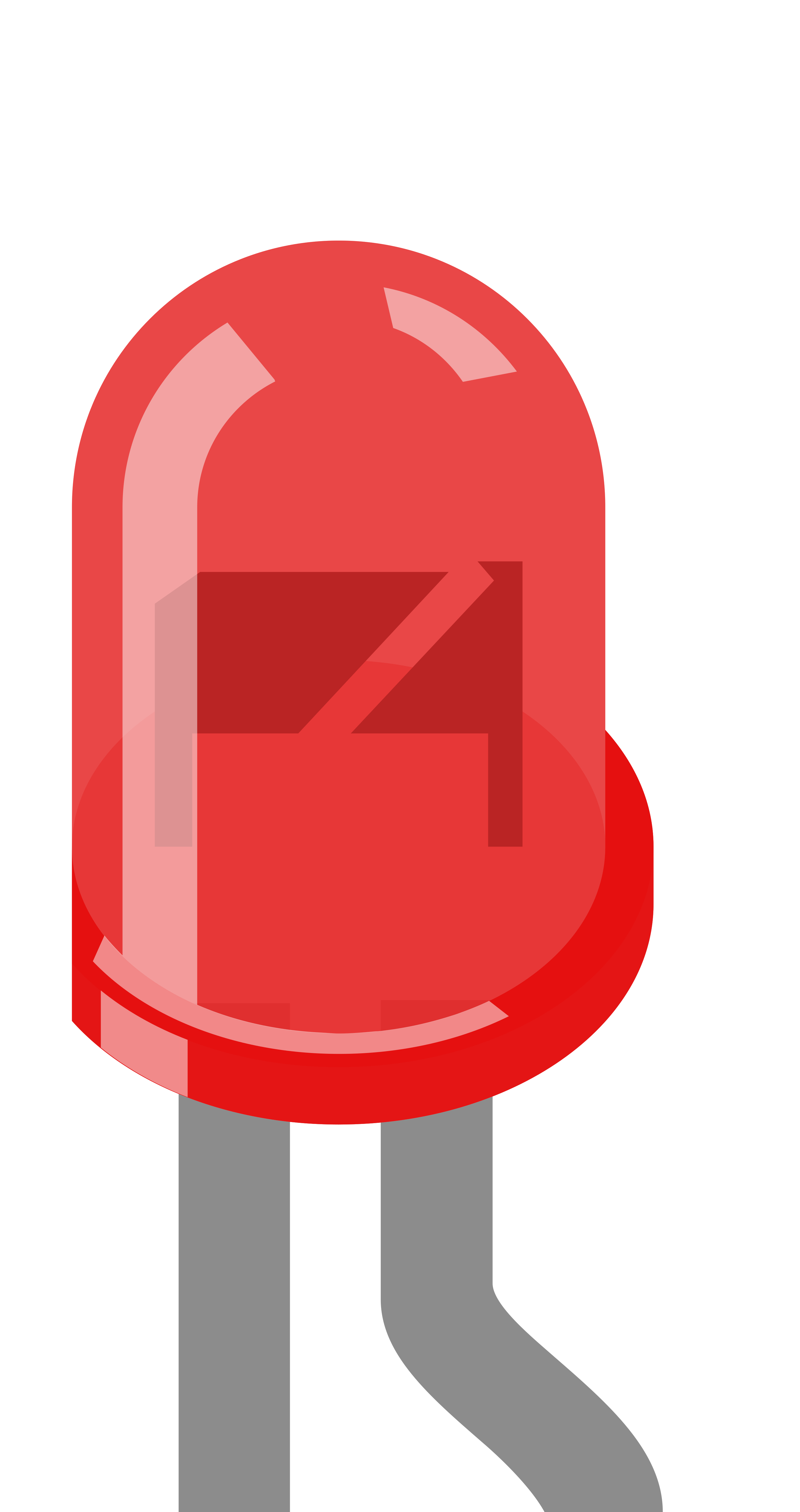
 Design with LED: Two Pin (green) - Long Pins in Cirkit Designer
Introduction
The LED: Two Pin (Green) - Long Pins is a light-emitting diode that emits green light when powered. It features two long pins, making it easy to connect to breadboards, PCBs, or other circuit setups. This component is widely used in electronic projects as an indicator, status light, or part of visual displays. Its simplicity and efficiency make it a staple in both beginner and advanced electronics projects.
Explore Projects Built with LED: Two Pin (green) - Long Pins
 Open Project in Cirkit Designer
 Open Project in Cirkit Designer
 Open Project in Cirkit Designer
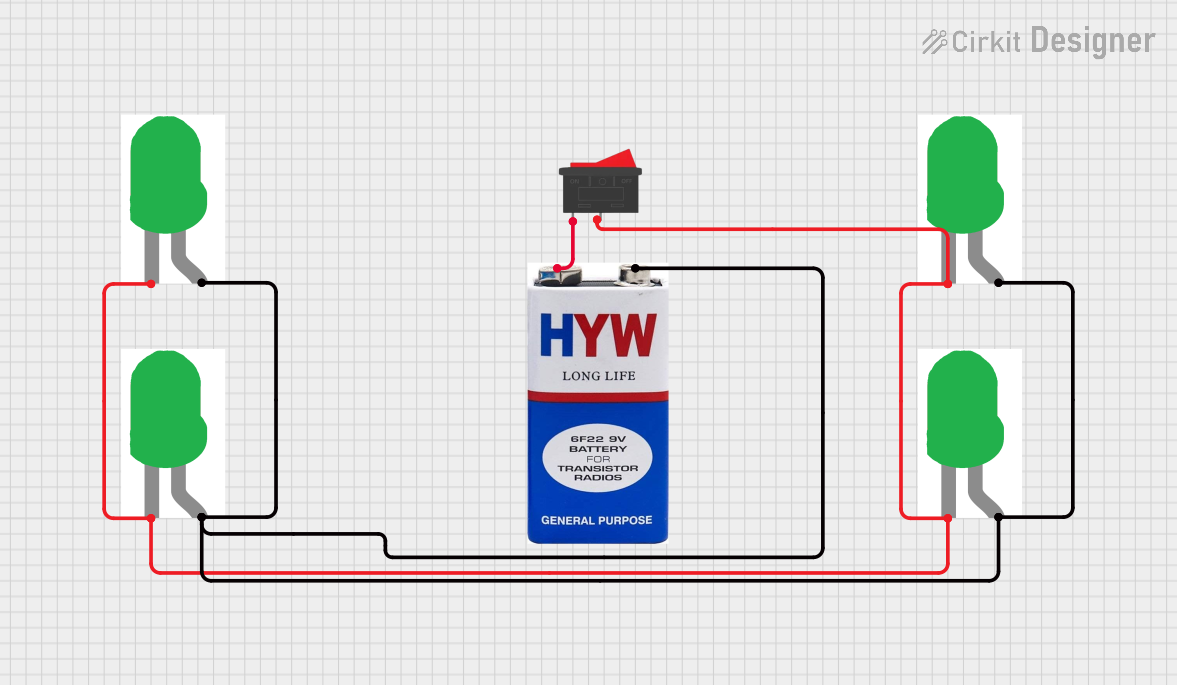 Open Project in Cirkit Designer
Explore Projects Built with LED: Two Pin (green) - Long Pins
Open Project in Cirkit DesignerOpen Project in Cirkit DesignerOpen Project in Cirkit DesignerOpen Project in Cirkit DesignerCommon Applications
- Power or status indicators in electronic devices
- Visual feedback in circuits and systems
- Part of alphanumeric or graphical displays
- Educational and prototyping purposes
Technical Specifications
Below are the key technical details for the LED: Two Pin (Green) - Long Pins:
| Parameter | Value |
|---|---|
| Forward Voltage (Vf) | 2.0V - 2.4V |
| Forward Current (If) | 20mA (typical) |
| Maximum Current (Imax) | 30mA |
| Wavelength | 520nm - 530nm (green light) |
| Viewing Angle | 20° - 30° |
| Polarity | Anode (+), Cathode (-) |
| Pin Length | ~25mm |
Pin Configuration
The LED has two pins, which are differentiated by their length:
| Pin | Description |
|---|---|
| Long Pin | Anode (+): Connect to positive voltage |
| Short Pin | Cathode (-): Connect to ground |
Usage Instructions
How to Use the LED in a Circuit
Identify the Pins: The longer pin is the anode (+), and the shorter pin is the cathode (-).
Connect to Power:
- Connect the anode to the positive terminal of the power source.
- Connect the cathode to the ground (GND).
Use a Resistor: Always use a current-limiting resistor in series with the LED to prevent damage. The resistor value can be calculated using Ohm's Law: [ R = \frac{V_{supply} - V_f}{I_f} ] Where:
- ( V_{supply} ) is the supply voltage.
- ( V_f ) is the forward voltage of the LED (2.0V - 2.4V).
- ( I_f ) is the desired forward current (typically 20mA).
For example, with a 5V supply: [ R = \frac{5V - 2.2V}{0.02A} = 140\Omega ] Use a 150Ω resistor (standard value) for safety.
Test the LED: Once connected, the LED should emit green light when powered.
Example: Connecting to an Arduino UNO
The LED can be easily controlled using an Arduino UNO. Below is an example of how to blink the LED:
// Define the pin connected to the LED
const int ledPin = 13; // Use digital pin 13 for the LED

void setup() {
  pinMode(ledPin, OUTPUT); // Set the LED pin as an output
}

void loop() {
  digitalWrite(ledPin, HIGH); // Turn the LED on
  delay(1000);               // Wait for 1 second
  digitalWrite(ledPin, LOW);  // Turn the LED off
  delay(1000);               // Wait for 1 second
}
Best Practices
- Always use a current-limiting resistor to avoid damaging the LED.
- Ensure correct polarity when connecting the LED to a circuit.
- Avoid exceeding the maximum current rating (30mA) to prolong the LED's lifespan.
- Use a multimeter to test the LED if unsure about its functionality.
Troubleshooting and FAQs
Common Issues
The LED does not light up:
- Check the polarity of the connections. Ensure the anode is connected to the positive voltage and the cathode to ground.
- Verify that the current-limiting resistor is of the correct value.
- Ensure the power supply is functioning and providing sufficient voltage.
The LED is dim:
- The resistor value might be too high, limiting the current excessively. Recalculate and use an appropriate resistor.
- Check the supply voltage to ensure it meets the LED's forward voltage requirements.
The LED burns out quickly:
- The resistor value might be too low, allowing excessive current to flow through the LED. Recalculate the resistor value.
- Ensure the supply voltage does not exceed the LED's maximum ratings.
The LED flickers:
- This could be due to an unstable power supply. Use a capacitor to stabilize the voltage if necessary.
- Check for loose connections in the circuit.
FAQs
Q: Can I connect the LED directly to a 3.3V or 5V power source without a resistor?
A: No, connecting the LED directly to a power source without a resistor can cause excessive current to flow, damaging the LED.
Q: How do I test if the LED is functional?
A: Use a multimeter in diode mode. Connect the positive probe to the anode and the negative probe to the cathode. The LED should emit a faint light if functional.
Q: Can I use this LED with a 12V power supply?
A: Yes, but you must use an appropriate resistor to limit the current. For a 12V supply, a resistor value of around 470Ω is recommended.
Q: What happens if I reverse the polarity of the LED?
A: The LED will not light up, but it will not be damaged as long as the reverse voltage does not exceed its maximum reverse voltage rating (typically 5V).
By following these guidelines and best practices, you can effectively use the LED: Two Pin (Green) - Long Pins in your electronic projects.