
How to Use Plug Power Supply 5V: Examples, Pinouts, and Specs
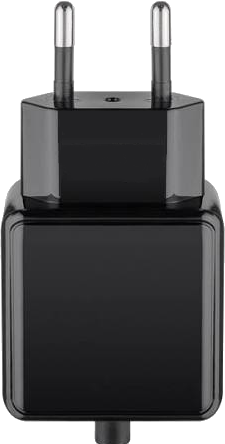
 Design with Plug Power Supply 5V in Cirkit Designer
Introduction
The Plug Power Supply 5V is a compact and reliable device designed to convert standard AC voltage from a wall outlet (typically 100-240V AC) into a stable 5V DC output. This component is widely used to power low-voltage electronic devices, microcontrollers, sensors, and other circuits requiring a 5V DC input. Its ease of use and universal compatibility make it an essential tool for hobbyists, engineers, and professionals alike.
Explore Projects Built with Plug Power Supply 5V
 Open Project in Cirkit Designer
 Open Project in Cirkit Designer
 Open Project in Cirkit Designer
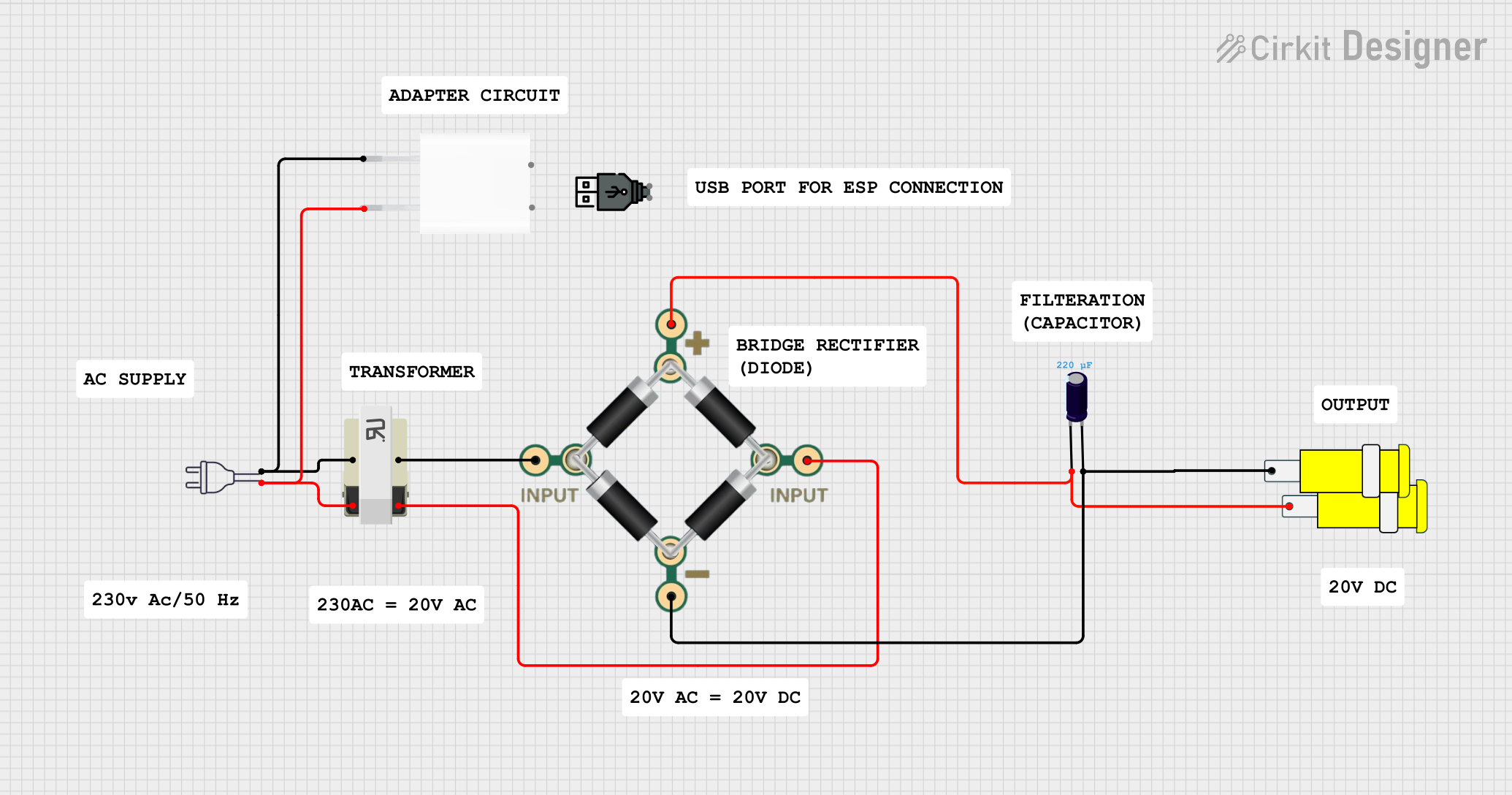 Open Project in Cirkit Designer
Explore Projects Built with Plug Power Supply 5V
Open Project in Cirkit DesignerOpen Project in Cirkit DesignerOpen Project in Cirkit DesignerOpen Project in Cirkit DesignerCommon Applications and Use Cases
- Powering microcontroller boards such as Arduino, Raspberry Pi, and ESP32.
- Supplying power to sensors, modules, and small electronic devices.
- Charging USB-powered devices.
- Providing a stable 5V DC source for prototyping and testing circuits.
Technical Specifications
The following table outlines the key technical details of the Plug Power Supply 5V:
| Parameter | Specification |
|---|---|
| Input Voltage Range | 100-240V AC, 50/60Hz |
| Output Voltage | 5V DC |
| Output Current | Typically 1A to 2.5A (varies by model) |
| Power Rating | 5W to 12.5W |
| Connector Type | USB-A, USB-C, or barrel jack |
| Efficiency | ≥ 80% |
| Protection Features | Overvoltage, overcurrent, short-circuit protection |
Pin Configuration and Descriptions
For models with a barrel jack connector, the pin configuration is as follows:
| Pin Name | Description |
|---|---|
| Positive (+) | The center pin provides the +5V DC output. |
| Negative (-) | The outer sleeve serves as the ground (GND). |
For USB-based models, the pin configuration is as follows:
| Pin Name | Description |
|---|---|
| VBUS | Supplies +5V DC output. |
| GND | Ground connection. |
| D+ | Data line for USB communication (optional). |
| D- | Data line for USB communication (optional). |
Usage Instructions
How to Use the Plug Power Supply 5V in a Circuit
- Verify Compatibility: Ensure the device or circuit you are powering operates at 5V DC and does not exceed the current rating of the power supply.
- Connect the Output:
- For barrel jack models, connect the center pin to the positive terminal of your circuit and the outer sleeve to the ground.
- For USB models, plug the USB connector into the device or a USB breakout board.
- Plug into an AC Outlet: Insert the power supply into a standard wall outlet (100-240V AC).
- Power On: Once connected, the power supply will automatically provide a stable 5V DC output.
Important Considerations and Best Practices
- Check Polarity: For barrel jack models, ensure the polarity matches your circuit's requirements to avoid damage.
- Avoid Overloading: Do not exceed the maximum current rating of the power supply, as this may trigger protection features or damage the device.
- Ventilation: Ensure adequate ventilation around the power supply to prevent overheating.
- Use Quality Cables: For USB models, use high-quality cables to minimize voltage drops and ensure reliable operation.
Example: Using with an Arduino UNO
The Plug Power Supply 5V can be used to power an Arduino UNO via its barrel jack or USB port. Below is an example of powering the Arduino UNO and running a simple LED blink program:
// Example code for Arduino UNO: Blink an LED
// Connect an LED to pin 13 with a 220-ohm resistor.

void setup() {
  pinMode(13, OUTPUT); // Set pin 13 as an output pin
}

void loop() {
  digitalWrite(13, HIGH); // Turn the LED on
  delay(1000);            // Wait for 1 second
  digitalWrite(13, LOW);  // Turn the LED off
  delay(1000);            // Wait for 1 second
}
Troubleshooting and FAQs
Common Issues and Solutions
No Output Voltage:
- Ensure the power supply is properly plugged into a working AC outlet.
- Check for loose or damaged connections on the output side.
- Verify that the connected device does not exceed the power supply's current rating.
Device Not Powering On:
- Confirm that the device operates at 5V DC.
- Check the polarity of the connections (for barrel jack models).
- Test the power supply with another device to rule out a faulty unit.
Overheating:
- Ensure the power supply is not overloaded.
- Provide adequate ventilation and avoid using the power supply in enclosed spaces.
Intermittent Power:
- Inspect the cables and connectors for damage or wear.
- Avoid using excessively long or low-quality cables that may cause voltage drops.
FAQs
Q: Can I use the Plug Power Supply 5V to charge my smartphone?
A: Yes, if the power supply has a USB output and meets the current requirements of your smartphone.
Q: Is the Plug Power Supply 5V safe to use with sensitive electronics?
A: Yes, most models include protection features such as overvoltage, overcurrent, and short-circuit protection to ensure safe operation.
Q: Can I use this power supply with a 12V device?
A: No, this power supply is designed specifically for 5V devices. Using it with a 12V device may result in insufficient power or damage to the device.
Q: How do I know if the power supply is overloaded?
A: Many models include an LED indicator that may blink or turn off if the power supply is overloaded. Reduce the load and try again.
By following this documentation, you can effectively and safely use the Plug Power Supply 5V in your projects and applications.