
How to Use Arrester: Examples, Pinouts, and Specs
 Design with Arrester in Cirkit Designer
Introduction
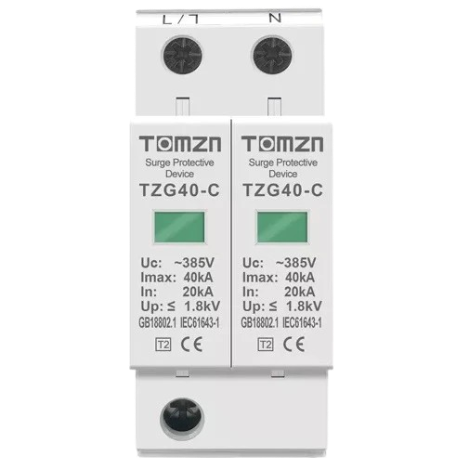
The Arrester (Manufacturer: Tomzn, Part ID: Tomzn) is a protective device designed to safeguard electrical equipment from voltage spikes and surges. It works by diverting excess voltage to the ground, thereby preventing damage to sensitive components in electrical and electronic systems. Arresters are commonly used in power distribution systems, industrial equipment, and residential electrical installations.
Explore Projects Built with Arrester
 Open Project in Cirkit Designer
 Open Project in Cirkit Designer
 Open Project in Cirkit Designer
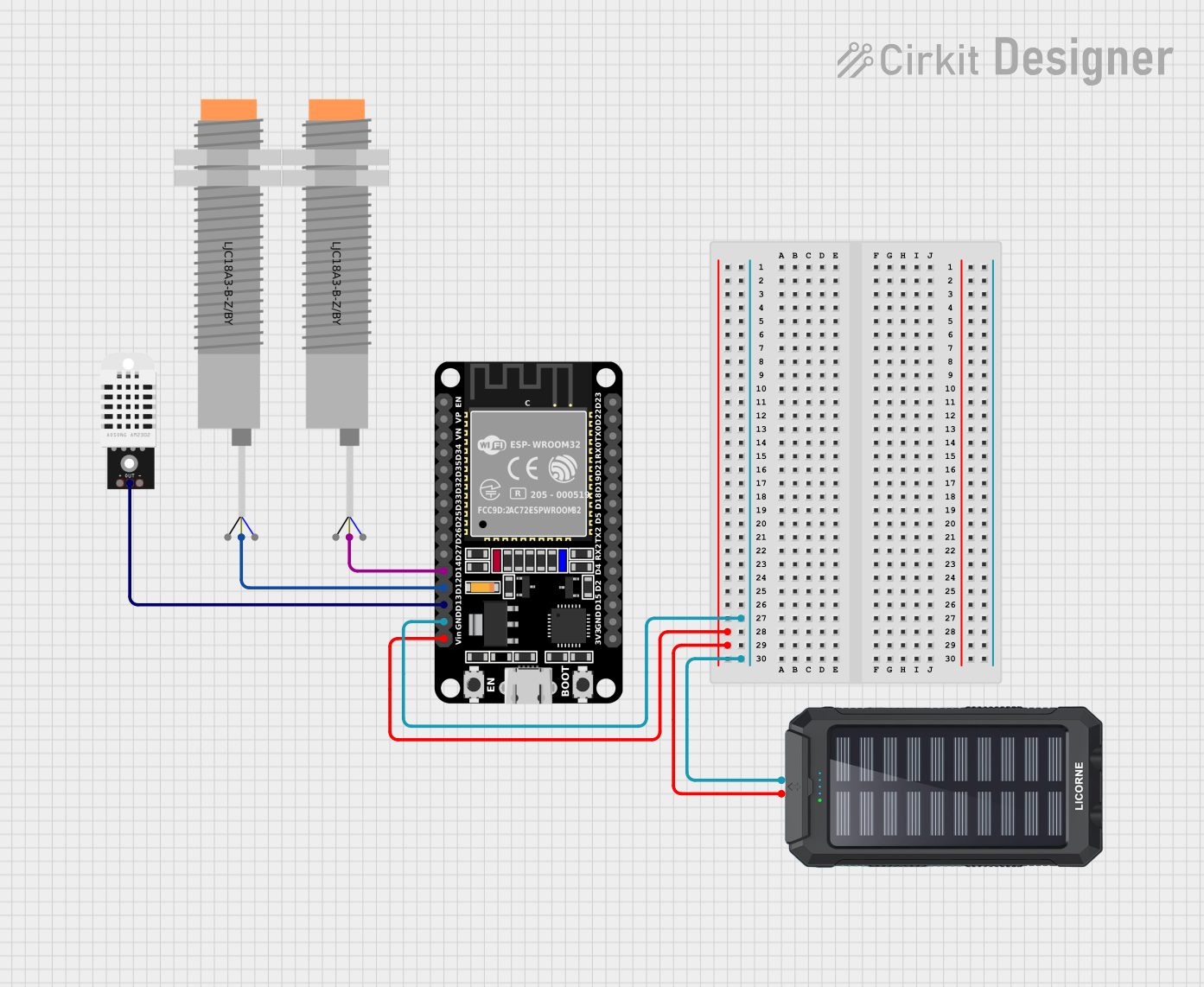 Open Project in Cirkit Designer
Explore Projects Built with Arrester
Open Project in Cirkit DesignerOpen Project in Cirkit DesignerOpen Project in Cirkit DesignerOpen Project in Cirkit DesignerCommon Applications and Use Cases
- Protection of electrical panels and distribution boards
- Safeguarding industrial machinery from lightning-induced surges
- Preventing damage to sensitive electronic devices in residential and commercial setups
- Use in renewable energy systems (e.g., solar inverters) to protect against transient overvoltages
Technical Specifications
Below are the key technical details for the Tomzn arrester:
| Parameter | Specification |
|---|---|
| Operating Voltage Range | 230V AC ± 10% |
| Maximum Discharge Current (Imax) | 20 kA (8/20 µs waveform) |
| Nominal Discharge Current (In) | 10 kA (8/20 µs waveform) |
| Voltage Protection Level (Up) | ≤ 1.5 kV |
| Response Time | < 25 nanoseconds |
| Operating Temperature | -40°C to +80°C |
| Housing Material | Flame-retardant thermoplastic |
| Mounting Type | DIN rail (35 mm) |
| Dimensions | 90 mm x 18 mm x 65 mm |
| Compliance Standards | IEC 61643-11, RoHS compliant |
Pin Configuration and Descriptions
The arrester typically has the following terminal connections:
| Pin/Terminal | Description |
|---|---|
| L (Line) | Connects to the live wire of the AC supply |
| N (Neutral) | Connects to the neutral wire of the AC supply |
| PE (Protective Earth) | Connects to the ground/earth wire |
Usage Instructions
How to Use the Component in a Circuit
Mounting the Arrester:
- Secure the arrester onto a standard 35 mm DIN rail in the electrical panel.
- Ensure the device is firmly locked in place to prevent movement during operation.
Wiring Connections:
- Connect the L (Line) terminal to the live wire of the AC supply.
- Connect the N (Neutral) terminal to the neutral wire of the AC supply.
- Connect the PE (Protective Earth) terminal to the ground wire. Ensure the ground connection is low-resistance and reliable.
Testing the Installation:
- After wiring, verify the connections using a multimeter to ensure proper continuity.
- Power on the system and check for normal operation. The arrester should remain inactive under normal voltage conditions.
Important Considerations and Best Practices
- Grounding: Proper grounding is critical for the arrester to function effectively. Use a low-resistance ground connection to ensure excess voltage is safely diverted.
- Voltage Compatibility: Ensure the operating voltage of the arrester matches the system voltage.
- Periodic Inspection: Regularly inspect the arrester for signs of wear or damage, especially after a lightning event or surge.
- Replacement: Replace the arrester if it shows signs of degradation or if its status indicator (if available) signals failure.
Arduino UNO Integration
While arresters are not directly interfaced with microcontrollers like the Arduino UNO, they can be used to protect circuits connected to the Arduino from voltage surges. For example, you can install an arrester on the power supply line feeding the Arduino to safeguard it from transient overvoltages.
Here is an example of how to use an arrester in a circuit powering an Arduino UNO:
AC Mains Supply
   |
   |---- [Tomzn Arrester] ----> [AC to DC Adapter] ----> Arduino UNO
   |                          (Protects against surges)
Troubleshooting and FAQs
Common Issues Users Might Face
Arrester Fails to Protect Equipment:
- Cause: Improper grounding or incorrect wiring.
- Solution: Verify that the PE terminal is connected to a low-resistance ground. Check all wiring connections for accuracy.
Arrester Overheats:
- Cause: Continuous exposure to overvoltage or incorrect voltage rating.
- Solution: Ensure the arrester's voltage rating matches the system voltage. Replace the arrester if it has been damaged.
Frequent Replacement Required:
- Cause: High frequency of surges or lightning strikes.
- Solution: Consider installing additional surge protection devices upstream to share the load.
FAQs
Q1: How do I know if the arrester is functioning properly?
A: Some arresters include a status indicator (e.g., an LED or mechanical flag) that shows whether the device is operational. If your arrester lacks this feature, inspect it periodically for physical damage or signs of wear.
Q2: Can I use the arrester in DC systems?
A: This specific arrester is designed for AC systems. For DC applications, use a DC-rated arrester with appropriate specifications.
Q3: What happens if the arrester fails?
A: In most cases, the arrester will fail in a safe mode, disconnecting itself from the circuit. However, it is essential to replace a failed arrester promptly to maintain protection.
Q4: Can I install the arrester outdoors?
A: This arrester is designed for indoor use. If outdoor installation is required, use a weatherproof enclosure to protect it from environmental factors.
By following this documentation, you can effectively use the Tomzn arrester to protect your electrical systems from voltage surges and ensure reliable operation.