
How to Use 7 Pos Female Pin Header: Examples, Pinouts, and Specs

 Design with 7 Pos Female Pin Header in Cirkit Designer
Introduction
A 7-position female pin header is a type of electrical connector that allows for the connection of wires or other components. It features seven sockets designed to accept male pins, providing a secure and reliable connection in various electronic applications. These headers are commonly used in prototyping, PCB designs, and modular electronic systems where a detachable connection is required.
Explore Projects Built with 7 Pos Female Pin Header
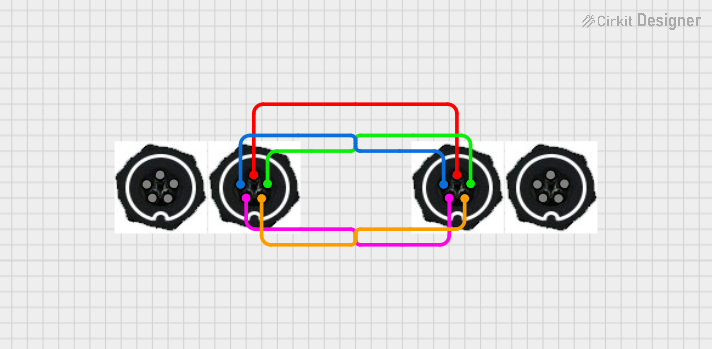 Open Project in Cirkit Designer
 Open Project in Cirkit Designer
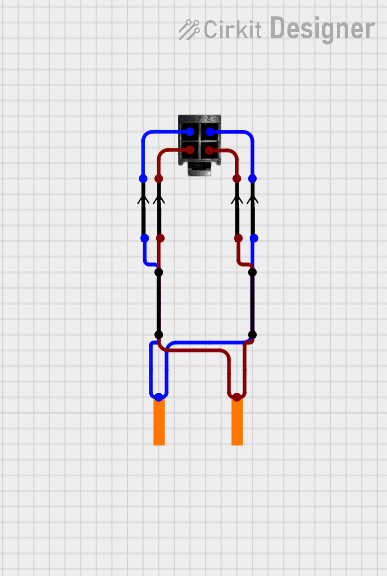 Open Project in Cirkit Designer
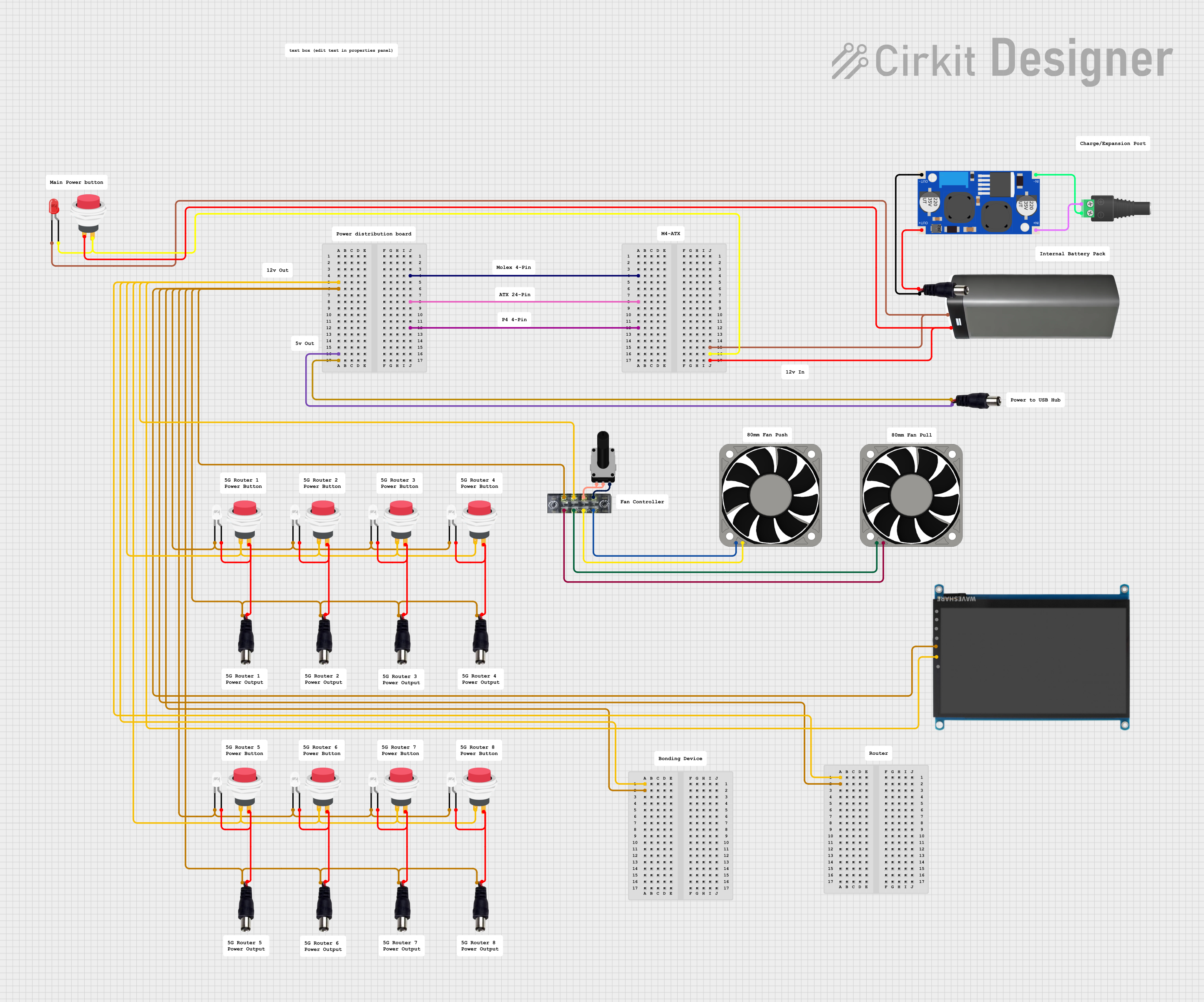 Open Project in Cirkit Designer
Explore Projects Built with 7 Pos Female Pin Header
Open Project in Cirkit DesignerOpen Project in Cirkit DesignerOpen Project in Cirkit DesignerOpen Project in Cirkit DesignerCommon Applications and Use Cases
- Prototyping and Breadboarding: Used to connect components or modules temporarily.
- PCB Connections: Provides a reliable interface for connecting PCBs to other components or devices.
- Microcontroller Projects: Often used to connect sensors, modules, or shields to microcontrollers like Arduino.
- Modular Systems: Enables easy replacement or upgrading of components in modular designs.
Technical Specifications
Below are the key technical details for a standard 7-position female pin header:
| Parameter | Specification |
|---|---|
| Number of Positions | 7 |
| Pin Pitch | 2.54 mm (0.1 inch) |
| Current Rating | Typically 1A to 3A per pin |
| Voltage Rating | Typically 250V |
| Contact Material | Phosphor bronze or brass |
| Insulation Material | Plastic (e.g., PBT, Nylon, or ABS) |
| Operating Temperature | -40°C to +105°C |
| Mounting Type | Through-hole or surface mount |
Pin Configuration and Descriptions
The 7-position female pin header does not have a specific pinout since it is a generic connector. However, the pins are typically numbered sequentially from 1 to 7 for reference in circuit designs.
| Pin Number | Description |
|---|---|
| 1 to 7 | Generic connection pins |
Usage Instructions
How to Use the Component in a Circuit
Mounting the Header:
- For through-hole headers, insert the pins into the PCB holes and solder them securely.
- For surface-mount headers, align the pins with the PCB pads and solder them using reflow or manual soldering techniques.
Connecting Components:
- Insert male pins (e.g., from jumper wires, modules, or other headers) into the female sockets.
- Ensure a snug fit to maintain a reliable electrical connection.
Wiring:
- Use jumper wires or ribbon cables to connect the header to other components or devices.
Important Considerations and Best Practices
- Pin Alignment: Ensure the male pins are properly aligned with the female sockets to avoid bending or damaging the pins.
- Current and Voltage Ratings: Do not exceed the specified current and voltage ratings to prevent overheating or damage.
- Soldering: Use appropriate soldering techniques to avoid cold joints or excessive heat that could damage the insulation material.
- Mechanical Stress: Avoid applying excessive force when inserting or removing male pins to prolong the lifespan of the header.
Example: Connecting to an Arduino UNO
The 7-position female pin header can be used to connect sensors or modules to an Arduino UNO. Below is an example of connecting a 7-pin sensor module to the Arduino:
// Example: Reading data from a 7-pin sensor module connected to Arduino UNO

// Define the pin numbers for the sensor connections
const int sensorPin1 = 2; // Pin 1 of the header connected to digital pin 2
const int sensorPin2 = 3; // Pin 2 of the header connected to digital pin 3
const int sensorPin3 = 4; // Pin 3 of the header connected to digital pin 4
const int sensorPin4 = 5; // Pin 4 of the header connected to digital pin 5
const int sensorPin5 = 6; // Pin 5 of the header connected to digital pin 6
const int sensorPin6 = 7; // Pin 6 of the header connected to digital pin 7
const int sensorPin7 = 8; // Pin 7 of the header connected to digital pin 8

void setup() {
  // Initialize the sensor pins as inputs
  pinMode(sensorPin1, INPUT);
  pinMode(sensorPin2, INPUT);
  pinMode(sensorPin3, INPUT);
  pinMode(sensorPin4, INPUT);
  pinMode(sensorPin5, INPUT);
  pinMode(sensorPin6, INPUT);
  pinMode(sensorPin7, INPUT);

  // Start the serial communication for debugging
  Serial.begin(9600);
}

void loop() {
  // Read the values from the sensor pins
  int value1 = digitalRead(sensorPin1);
  int value2 = digitalRead(sensorPin2);
  int value3 = digitalRead(sensorPin3);
  int value4 = digitalRead(sensorPin4);
  int value5 = digitalRead(sensorPin5);
  int value6 = digitalRead(sensorPin6);
  int value7 = digitalRead(sensorPin7);

  // Print the sensor values to the Serial Monitor
  Serial.print("Sensor Values: ");
  Serial.print(value1);
  Serial.print(", ");
  Serial.print(value2);
  Serial.print(", ");
  Serial.print(value3);
  Serial.print(", ");
  Serial.print(value4);
  Serial.print(", ");
  Serial.print(value5);
  Serial.print(", ");
  Serial.print(value6);
  Serial.print(", ");
  Serial.println(value7);

  // Add a small delay for stability
  delay(500);
}
Troubleshooting and FAQs
Common Issues Users Might Face
Loose Connections:
- Problem: Male pins do not fit snugly into the female header.
- Solution: Ensure the male pins are of the correct size (2.54 mm pitch). Replace the header if the sockets are worn out.
Intermittent Connections:
- Problem: The connection is unstable, causing intermittent signals.
- Solution: Check for dirt or debris in the sockets. Clean the header gently with compressed air or a soft brush.
Overheating During Soldering:
- Problem: The plastic insulation melts during soldering.
- Solution: Use a soldering iron with a temperature-controlled tip and avoid prolonged heating.
Misaligned Pins:
- Problem: Male pins are bent or do not align with the female sockets.
- Solution: Carefully straighten the male pins or replace the damaged header.
FAQs
Q: Can I use this header for high-current applications?
A: No, the header is typically rated for 1A to 3A per pin. For high-current applications, use connectors specifically designed for higher currents.Q: Is this header compatible with breadboards?
A: Yes, the 2.54 mm pitch makes it compatible with standard breadboards.Q: Can I cut the header to a smaller size?
A: Yes, the header can be cut to the desired size using a sharp tool, but ensure the cut is clean to avoid damaging the remaining pins.Q: How do I identify pin 1 on the header?
A: Pin 1 is typically marked on the PCB or can be identified based on the circuit design. The header itself does not have a specific marking.